

Burn Wounds: Advanced Treatment & Healing Guide
Burn wounds are among the most painful and challenging injuries to heal. Whether from household accidents, workplace incidents, or other thermal sources, burns require specialized care to prevent complications, minimize scarring, and restore function.
Critical Statistic:
Over 450,000 burn injuries require medical treatment annually in the United States. Of these, approximately 40,000 require hospitalization, with deep burns presenting significant healing challenges.
Understanding Burn Degrees
Burns are classified by the depth of tissue damage. Understanding the burn degree helps determine proper treatment:
First-Degree Burns (Superficial)
Affect only the outer layer of skin (epidermis). Skin is red, painful, and dry without blisters—similar to sunburn.
Healing time: 3–6 days; no scarring expected
Treatment: Cool compresses, aloe vera, over-the-counter pain relief
Second-Degree Burns (Partial Thickness)
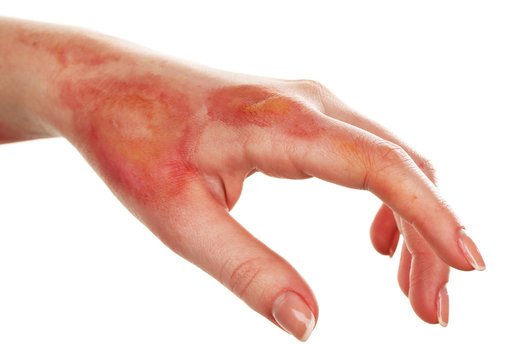
Extend into the dermis. Characterized by blisters, severe pain, redness, swelling, and moist wound bed.
Healing time: 2–3 weeks; may scar depending on depth
Treatment: Requires medical care; advanced wound therapies recommended
Third-Degree Burns (Full Thickness)
Destroy all skin layers and may extend to muscle or bone. Appears white, charred, brown, or leathery. Often painless at the center due to nerve destruction.
Healing: Cannot heal on its own; requires skin grafting or surgery
Treatment: Emergency care and specialized burn treatment
Common Causes of Burn Wounds
Thermal Burns
From flames, hot liquids, steam, or hot objects.
Electrical Burns
May cause deep internal damage; require cardiac monitoring.
Chemical Burns
Caused by acids, alkalis, or corrosive agents; damage continues until neutralized.
Friction Burns
Combination of abrasion + heat (e.g., road rash).
Why Burn Wounds Are Difficult to Heal
- Vascular Damage: Heat destroys blood vessels, limiting oxygen and nutrient delivery.
- High Infection Risk: Skin barrier is destroyed, allowing bacteria to enter easily.
- Fluid Loss: Burns cause major fluid and protein loss, risking dehydration and shock.
- Ongoing Inflammation: Burns trigger prolonged inflammation that delays healing.
Initial Burn Treatment (First 48 Hours)
1. Stop the Burning Process
Cool thermal burns with running water for 10–20 minutes. For chemical burns, flush with copious water while removing contaminated clothing.
2. Assess Severity
Seek emergency care for:
- Any third-degree burn
- Second-degree burns larger than 3 inches
- Burns on face, hands, feet, genitals, joints
- Electrical or chemical burns
- Difficulty breathing or inhalation injury
3. Protect the Wound
Cover loosely with a sterile, non-stick bandage. Never apply ice, butter, oils, or break blisters.
Advanced Regenerative Treatments for Burn Healing
For moderate to severe burns, regenerative therapies dramatically improve recovery, reduce scarring, and accelerate wound closure.
Amniotic Membrane Grafts
A natural biological dressing with anti-inflammatory and antimicrobial properties. Contains powerful growth factors that promote rapid healing and reduced scarring. Especially effective for second-degree burns.
Stem Cell Therapy
Stimulates new blood vessel formation (angiogenesis) and helps regenerate damaged skin. Valuable for deep burns with compromised circulation.
Bioengineered Skin Substitutes
Used as temporary or permanent coverage for deep burns. These products provide structure while the body rebuilds its own skin.
Platelet-Rich Plasma (PRP)
Derived from the patient’s own blood. Supplies concentrated growth factors that accelerate healing and reduce scar formation.
Scar Prevention and Management
Strategies to Reduce Scarring:
- Keep wounds moist—prevents excess scar tissue
- Protect from sun for 12–18 months
- Use silicone sheeting for hypertrophic scars
- Wear pressure garments for large burns
- Begin gentle movement early to prevent contractures
Healing Timeline for Burn Wounds
| First-Degree | 3–6 days No scarring |
| Second-Degree | 2–3 weeks Possible mild scarring |
| Third-Degree | Requires surgery Significant scarring |
When to Seek Expert Wound Care
Consult a wound care specialist if:
- A second-degree burn isn’t healing after 2 weeks
- You notice signs of infection (increased redness, pus, fever)
- You have complications after burn surgery
- Scars become thick, raised, or painful
- Burn injuries restrict movement or affect joints
The Bottom Line
Burn wounds require specialized care—especially moderate to severe burns. Advanced regenerative therapies can significantly accelerate healing, reduce long-term scarring, and improve overall outcomes. Early intervention with expert care makes all the difference.
For more information about advanced burn wound treatments, visit Healix360.com.
Need Expert Burn Wound Care?
Connect with specialists experienced in treating thermal injuries and post-burn wounds.