

If you’re dealing with a wound that just won’t close, you’ve probably heard someone mention collagen wound dressing and wondered if it’s actually worth the hype or just another medical buzzword.
Here’s the truth: collagen dressings aren’t magic, but they’re backed by solid science that makes them one of the most effective tools for helping stubborn wounds finally heal.
What Makes Collagen Different From Regular Dressings
Think of regular bandages as protective covers. They keep wounds clean and prevent infection, which is important. But collagen wound dressing does something completely different. It actively participates in your body’s healing process.
Collagen is the most abundant protein in your body, the building block that holds your skin, bones, and tissues together. When you have a wound, your body naturally produces collagen to repair the damage. But sometimes, especially with chronic wounds, your body needs help jumpstarting that process.
That’s where these specialized dressings come in.
How Collagen Actually Heals Wounds
When a collagen dressing is applied to a wound, it creates a scaffold that your body’s cells can attach to and grow on. It’s like giving construction workers a framework to build on instead of asking them to start from nothing.
The dressing attracts fibroblasts, the cells responsible for making new tissue. These cells migrate into the wound bed and start producing fresh collagen, gradually filling in the damaged area. At the same time, the dressing helps new blood vessels form, which brings oxygen and nutrients to the healing tissue.
Types of Wounds That Respond Best
Not every wound needs collagen wound dressing, but certain types see remarkable improvements with this treatment approach.
Pressure ulcers, also called bedsores, heal much faster with collagen dressings because they encourage new tissue growth in areas where blood flow is already compromised. Diabetic foot ulcers benefit from the same mechanism, especially since diabetes slows down natural collagen production.
Venous leg ulcers, which are notoriously difficult to heal, respond well because collagen helps rebuild the damaged tissue from the inside out. Surgical wounds that aren’t closing properly, burns that need tissue regeneration, and traumatic wounds with significant tissue loss all fall into this category.
The common thread? These are wounds where your body’s natural healing process has stalled or slowed down significantly.

What Happens When You Apply It
The application process is straightforward, but understanding what’s happening beneath the surface helps you appreciate why consistency matters.
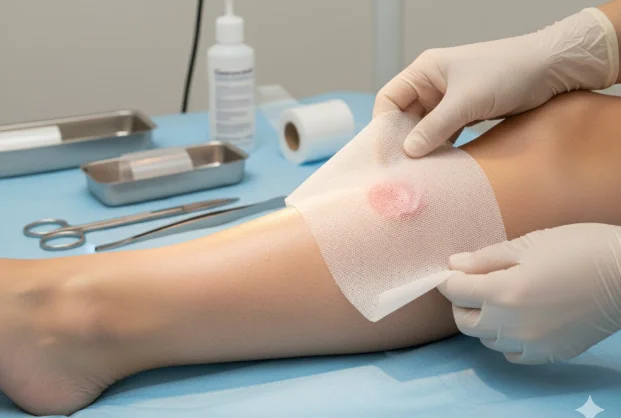
Your healthcare provider will first clean and debride the wound, removing any dead tissue that could interfere with healing. Then they’ll apply the collagen dressing directly to the wound bed. Some versions come as sheets, others as gels or powders, depending on the wound’s shape and depth.
Once in place, the dressing starts to break down gradually, releasing collagen into the wound. This isn’t a bad thing. It’s exactly what should happen. As the dressing biodegrades, it deposits collagen where your body needs it most.
Different Forms for Different Needs
Collagen wound dressing comes in several forms, and choosing the right one makes a real difference in outcomes.
Sheet dressings work well for flat, shallow wounds. They’re easy to apply and stay in place without much fuss. Gel formulations fill irregular wound cavities and conform to awkward shapes. Powder versions are ideal for deep wounds or tunneling ulcers where you need to get collagen deep into the tissue.
Some products combine collagen with other beneficial substances like silver for antimicrobial protection, or alginate to manage excess drainage. Your wound care specialist will select the type based on your wound’s specific characteristics.
The Science Behind Faster Healing
Multiple studies have documented why collagen wound dressing outperforms traditional approaches for certain wound types.
The dressing maintains a moist wound environment, which research shows is optimal for healing. It also helps manage inflammation by modulating the immune response. Too much inflammation keeps wounds stuck in the early healing phases. Collagen helps transition the wound from inflammation to proliferation, where actual tissue rebuilding happens.
Perhaps most importantly, collagen dressings provide the raw materials your body needs without requiring it to produce everything from scratch.
When Traditional Methods Aren’t Enough
You might wonder why doctors don’t just use collagen dressing on every wound from the start. The answer comes down to matching the treatment to the problem.
For simple cuts and scrapes that heal normally, your body produces plenty of collagen on its own. Standard wound care is sufficient. But chronic wounds, those that haven’t shown improvement after four weeks of conventional treatment, often need this extra support.
If you’ve been dealing with a wound that’s been treated with regular dressings without progress, asking about collagen options makes sense.
What to Expect During Treatment
Healing with collagen wound dressing isn’t instant, but you should see signs of progress within a few weeks if it’s working.
Look for the wound bed developing healthy pink or red tissue, called granulation tissue. The wound edges should start moving inward, making the opening smaller. You might notice less drainage as healing progresses.
Most wounds require dressing changes every one to three days, depending on the product used and how much the wound is draining. Your healthcare provider will establish a schedule based on your specific situation.
Combining Collagen With Other Therapies
Collagen wound dressing often works best as part of a comprehensive treatment plan rather than as a standalone solution.
For diabetic wounds, blood sugar management remains critical alongside collagen treatment. For pressure ulcers, you still need proper offloading and repositioning. For venous ulcers, compression therapy supports the collagen’s work by improving circulation.
Think of collagen as a powerful tool in a larger toolkit. It addresses the cellular and molecular aspects of healing while other interventions manage the underlying causes and contributing factors.
Who Should Avoid Collagen Dressings
While collagen wound dressing is safe for most people, a few situations require caution or alternative approaches.
If you’re allergic to bovine or porcine products, check the source of the collagen, as most dressings derive from these animals. People with active wound infections need antibiotics and infection control before collagen therapy begins, since applying collagen to an infected wound can sometimes worsen the problem.
Wounds with heavy bleeding aren’t appropriate for collagen dressings initially. The bleeding needs to be controlled first. Your doctor will assess whether collagen is suitable for your specific situation.
Cost Considerations and Insurance
Collagen dressings cost more than standard gauze, which raises questions about affordability and coverage.
The good news is that Medicare and most insurance plans cover collagen wound dressing when it’s medically necessary for chronic wounds that haven’t responded to conventional treatment. Your healthcare provider will need to document that you’ve tried standard approaches first and that your wound meets criteria for advanced therapy.
The higher upfront cost often pays off through faster healing, which means fewer total dressing changes, fewer doctor visits, and reduced risk of complications that could lead to hospitalization.
Long Term Benefits Beyond Healing
The advantages of collagen wound dressing extend past the initial wound closure.
Because collagen helps build stronger tissue with better structural integrity, wounds healed with collagen dressings tend to have lower recurrence rates. The new tissue is more resilient and less likely to break down again compared to wounds that healed slowly with minimal intervention.
For people prone to chronic wounds, this improved tissue quality can be the difference between repeated ulcers and sustained healing.
Making the Decision
If you’re considering whether collagen wound dressing is right for you, start by having an honest conversation with your wound care provider about your healing progress.
Bring up your concerns if your wound hasn’t improved after several weeks of standard care. Ask specifically whether collagen therapy might help. Be prepared to discuss your overall health, medications, and any allergies.
Don’t wait until a wound becomes severe before exploring advanced options. Early intervention with appropriate therapies, including collagen when indicated, prevents complications and improves outcomes. Understanding that collagen wound dressing offers real benefits for specific wound types empowers you to advocate for the care you need.
Frequently Asked Questions (FAQs)
1. How often does a collagen wound dressing need to be changed?
The frequency depends on the specific product and your wound’s condition. Most collagen dressings require changes every 1 to 3 days, though some advanced formulations can stay in place for up to a week. Heavily draining wounds typically need more frequent changes, while drier wounds can go longer between dressing changes.
Your healthcare provider will create a schedule tailored to your wound’s needs and monitor whether adjustments are necessary.
2. Can I use collagen dressing on fresh surgical wounds?
Generally, collagen dressings are reserved for wounds that are healing by secondary intention, meaning they’re left open to heal from the inside out, or for surgical wounds that have complications and aren’t closing as expected.
Fresh, clean surgical wounds that are closed with sutures or staples typically don’t need collagen dressing. However, if a surgical wound opens or develops complications, your surgeon may recommend collagen therapy as part of the treatment plan.
3. Is collagen wound dressing painful to apply or remove?
No, collagen dressings are typically painless to apply and remove. Unlike some traditional dressings that can stick to wound tissue and cause discomfort during removal, collagen dressings are designed to be non-adherent or to biodegrade gradually.
Most patients report that collagen dressings are actually more comfortable than conventional options. If you experience pain during dressing changes, let your healthcare provider know, as this could indicate an underlying issue.
4. How long does it take to see results with collagen dressing?
Most people see initial signs of improvement within 2 to 4 weeks of starting collagen wound dressing therapy. You should notice the wound bed developing healthier tissue, reduced wound size, or decreased drainage.
Complete healing time varies based on wound size, depth, location, and your overall health. Smaller wounds might close in 4 to 6 weeks, while larger or more complex wounds could take several months.
Your healthcare provider will monitor progress and adjust treatment if you’re not seeing expected improvements.
5. Does collagen dressing work for all types of wounds?
No, collagen wound dressing is most effective for specific wound types, particularly chronic wounds that have stalled in the healing process. It works exceptionally well for pressure ulcers, diabetic foot ulcers, venous leg ulcers, and wounds with significant tissue loss.
It’s less necessary for acute wounds that are healing normally on their own. Infected wounds need infection control before collagen therapy begins. Your wound care specialist will assess whether your specific wound would benefit from collagen treatment based on its characteristics and healing progress.