
How to Compare Mobile Wound Care Providers Near You
Mobile wound care brings focused, specialist treatment directly to the places patients call home — reducing travel, stress, and delays in healing. This guide explains how mobile care differs from clinic-based services, outlines what to look for when comparing providers, and offers practical tips to help you choose. Many people struggle to access timely wound care, which can increase infection risk and slow recovery. Mobile teams deliver expert care in familiar surroundings so patients get the right treatment without the disruption of travel. Below we cover the benefits of mobile wound care, how Healix360 Advanced Mobile Wound Care Specialists differentiates itself, and the key factors to weigh when evaluating providers in your area.
Why Choose Mobile Wound Care Over Clinic-Based Treatment?
Mobile wound care offers distinct advantages for patients managing chronic or complex wounds, and it’s becoming a preferred option for many families and care teams.
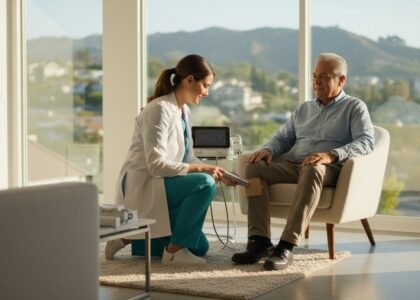
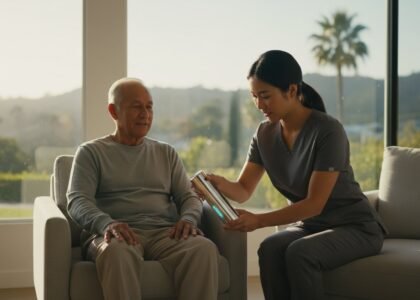
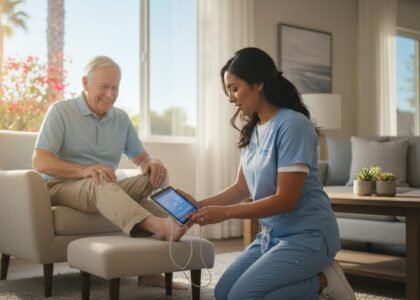
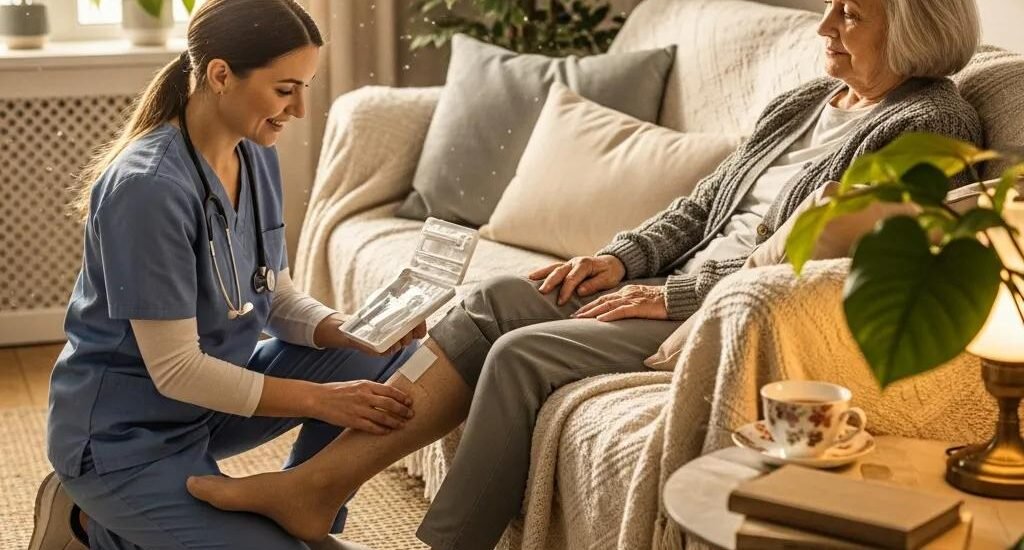
- Care Delivered Where You Are: Treatment happens at home, removing the need to arrange transportation and reducing physical and emotional strain.
- Fewer Barriers for Patients with Limited Mobility: Mobile care eliminates the logistics that often prevent timely follow-up for people with mobility restrictions.
- Care Tailored to the Individual: Mobile clinicians build treatment plans around the patient’s living environment, daily routine, and clinical needs to improve comfort and outcomes.
| Benefit | Description | Impact Level |
|---|---|---|
| Convenience | Treatment provided at home to reduce travel and stress | High |
| Accessibility | Makes care easier to receive for patients with mobility or transport limits | High |
| Personalization | Plans are customized for each patient’s wound type and circumstances | High |
Those practical advantages explain why many patients and caregivers opt for mobile wound care—especially when wounds need ongoing management.
How Mobile Wound Care Improves Patient Convenience and Comfort
Delivering care at home reduces the physical and emotional burden of clinic visits, which can speed recovery and improve adherence to treatment. Patients are evaluated and treated in familiar surroundings, and mobile teams often include wound specialists who can provide timely, focused interventions and clear guidance for both patients and caregivers.
What Advanced Treatments Are Available Through Mobile Wound Care?
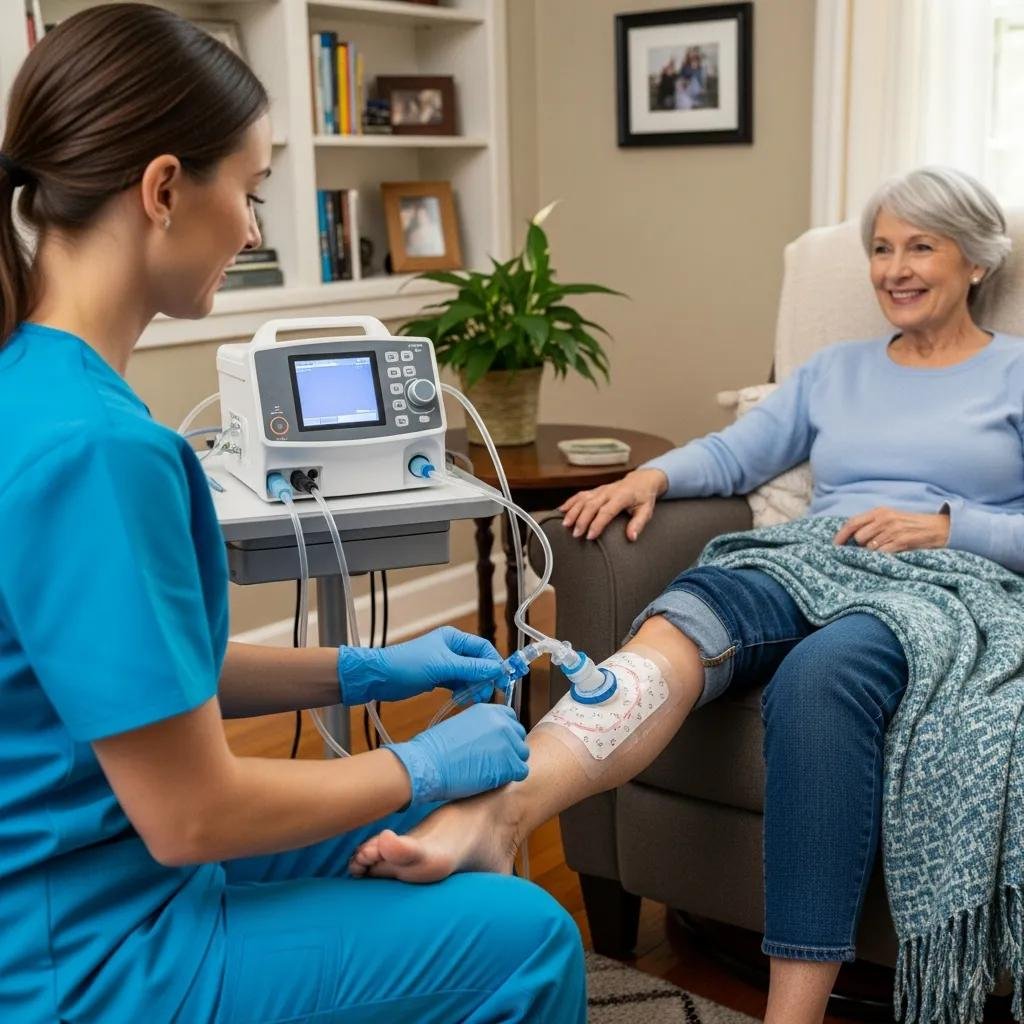
Mobile wound care programs can deliver many advanced therapies in the home. Common options include:
- Debridement: Removal of dead or infected tissue to encourage healthy healing.
- Negative Pressure Wound Therapy (NPWT): A portable suction-based therapy that promotes granulation and reduces fluid build-up.
- Biologic Dressings: Modern dressings and biologic products that support tissue repair and lower infection risk.
These treatments let clinicians address complex wounds with the same clinical rigor they would in a clinic—while keeping the patient at home.
How Healix360 Stands Out Among Mobile Wound Care Providers
Healix360 combines clinical expertise with patient-centered logistics to bring advanced wound care where it’s most effective — at home.
- Regenerative Medicine Experience: We use contemporary regenerative approaches, including biologics and cell-based options, to support healing in non-healing wounds.
- Rapid Specialist Matching: Our process connects patients quickly with the right clinician to reduce time to treatment.
- Individualized Care Plans: Each care plan is built around the patient’s medical history, home environment, and recovery goals.
What Regenerative Medicine Solutions Does Healix360 Offer?
Healix360 integrates regenerative techniques—such as advanced biologic dressings and targeted cell-based therapies—into comprehensive plans for chronic wounds. These options are selected based on the wound type and clinical needs to complement standard therapies and create a supportive environment for tissue repair.
How Healix360 Ensures Fast Specialist Matching and Personalized Care
Our intake process assesses clinical urgency and wound complexity, then routes patients to clinicians with the right specialty and availability. That fast, focused matching helps start appropriate treatment sooner and lets the care team tailor follow-up visits and interventions to the patient’s progress.
What to Consider When Choosing a Mobile Wound Care Provider
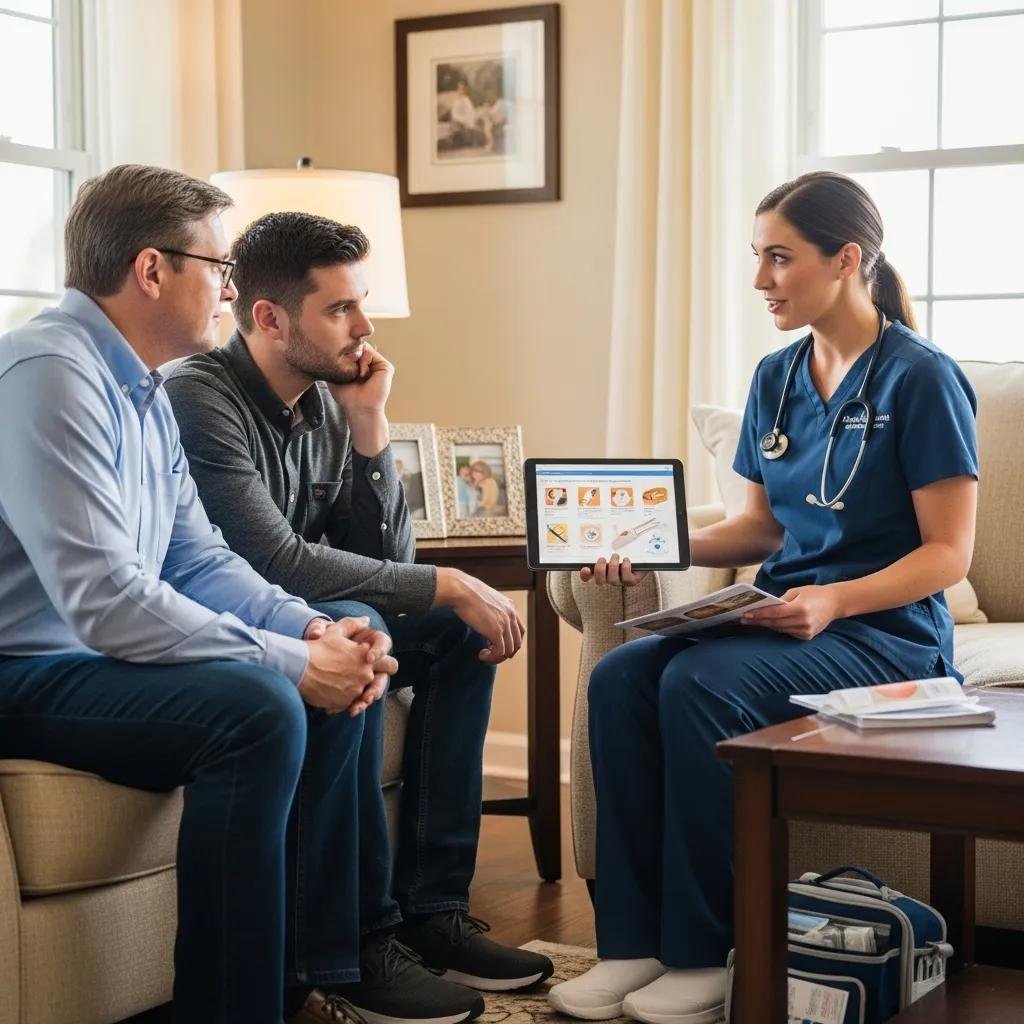
When selecting a mobile wound care partner, focus on clinical expertise, coverage, and how the provider coordinates with your existing care team.
- Specialist Certifications and Experience: Confirm clinicians hold recognized wound-care credentials and have experience with complex wounds.
- Insurance and Payment Options: Verify which plans are accepted and what out-of-pocket costs you might expect.
- Service Area and Response Times: Make sure the provider covers your address and can respond within a timeframe that suits your clinical needs.
Which Certifications and Expertise Matter for Wound Care Specialists?
Look for clinicians certified through recognized organizations—such as the Wound, Ostomy and Continence Nurses Society (WOCN) or the American Board of Wound Management (ABWM)—and with documented experience managing similar wound types. Those credentials indicate advanced training and familiarity with evidence-based protocols.
How Do Insurance and Service Areas Influence Your Choice?
Insurance acceptance affects both access and cost. Confirm coverage before scheduling to avoid surprises. Also check service boundaries and expected visit windows so you know how quickly a team can start or escalate care when needed.
How Mobile Wound Care Treats Common Chronic Wound Conditions
Mobile wound programs routinely manage chronic wounds with focused, evidence-informed care plans.
- Diabetic Foot Ulcers: Specialized assessment and intervention help prevent infection and lower the risk of complications.
- Pressure Injuries: Early detection, off‑loading strategies, and targeted dressings reduce progression and support healing.
What Mobile Treatments Are Used for Diabetic Foot Ulcers and Pressure Injuries?
Treatment typically includes regular wound assessments, selective debridement, appropriate advanced dressings, and patient education on off‑loading and skin care. Care plans often coordinate with primary care and specialty teams to address the whole-patient risk factors that affect healing.
How Are Advanced Therapies Like Debridement and NPWT Delivered at Home?
Mobile clinicians are trained to perform procedures such as debridement and to set up portable NPWT safely in a home environment. They use the same clinical protocols and sterile technique as in outpatient settings, adapting equipment and follow-up schedules to the patient’s needs.
Support and Resources for Patients and Caregivers
Quality mobile wound programs provide resources to help patients and caregivers manage care between visits and make informed decisions.
- Patient Education: Clear instructions on wound care, dressing changes, and prevention help patients take an active role in recovery.
- Caregiver Support: Practical guidance for caregivers—covering tasks, signs to watch for, and when to escalate—is an important part of home-based care.
How Does Patient Education Improve Outcomes?
When patients understand their condition and the steps needed for care, they’re more likely to follow treatment plans and spot early signs of problems. That engagement often translates into better adherence and faster recovery.
What Caregiver Guidance and FAQs Are Most Useful?
Caregivers should know how to assist with dressing changes, monitor for infection, manage pain, and keep follow-up appointments. Common questions—such as when to contact Healix360 for unexpected changes—should be answered clearly by the provider to avoid delays in care.
How to Compare Mobile Wound Care Providers Locally
Comparing providers requires looking beyond marketing—focus on measurable criteria and clear questions that reveal clinical quality and responsiveness.
- Comparison Criteria: Examine service range, staff qualifications, patient outcomes or reviews, and how care is coordinated with other clinicians.
- Questions to Ask Providers: Ask about their experience with your wound type, emergency protocols, and how they measure and report outcomes.
Which Questions Should You Ask When Evaluating Providers?
Key questions include:
- Which wound care services and advanced therapies do you offer?
- How do you monitor and ensure quality of care?
- How do you match patients to the right specialist and manage follow-up?
How Do Costs and Technology Influence Your Decision?
Costs vary—so get a clear estimate of what’s covered and what isn’t. Also consider technology: telehealth check-ins, digital wound imaging, and integrated electronic records can improve monitoring and coordination, making home care safer and more efficient.
The integration of digital tools and home-based programs is increasingly being studied to further enhance the effectiveness and reach of wound care services.
Digitally Enabled Home-Based Wound Care Programs
ABSTRACT: A digitally enabled home-based wound care program using the PEDALs model — a mixed-methods study protocol (2025)
Frequently Asked Questions
Who benefits most from mobile wound care services?
Mobile wound care is especially helpful for people with chronic conditions like diabetes that increase the risk of foot ulcers, as well as for older adults or patients recovering from surgery who have trouble traveling. It’s also a good option for anyone who prefers care at home or needs frequent follow-up without the burden of clinic visits.
How do mobile wound care teams maintain safety and hygiene?
Providers follow strict infection-control protocols: sterile supplies, appropriate PPE, and standard wound-care procedures. Clinicians receive regular training to keep practices current, and they adapt their setups to maintain a clean, safe treatment space in the home.
Can mobile wound care handle patients with complex medical histories?
Yes. Mobile teams often include clinicians experienced with comorbidities and complex wounds. They perform comprehensive assessments, coordinate with primary care and specialists as needed, and create tailored plans that account for the patient’s overall health.
What role does technology play in mobile wound care?
Technology enables remote follow-up, digital wound imaging for accurate tracking, and seamless record-sharing between providers. Telehealth visits and integrated electronic records help the care team monitor progress and adjust treatment without unnecessary travel.
How can caregivers best support someone receiving mobile wound care?
Caregivers should learn the patient’s care plan, help with dressing changes as instructed, watch for signs of infection, and keep track of appointments. Open communication with the care team ensures caregivers can report concerns and get timely guidance.
What should patients do if they notice complications during mobile wound care?
If you see increased pain, redness, swelling, drainage, or other worrying changes, contact your mobile wound care provider right away. Providers can advise on next steps, which may include changing the plan or arranging an urgent visit to prevent further complications.
Conclusion
Choosing mobile wound care can reduce the burden of travel and deliver specialized, timely treatment where patients heal best—at home. With personalized plans, advanced therapies, and coordinated care, providers like Healix360 offer a patient-centered alternative to clinic visits. Consider clinician credentials, coverage area, and how a provider coordinates with your care team when making a choice. Take the next step today to find a mobile wound care provider that fits your clinical needs and lifestyle.