
Mobile Wound Care vs Traditional Clinics: A Practical Patient Guide
Deciding between mobile wound care and a traditional clinic affects comfort, access, and recovery. This guide walks you through the differences, benefits, and what patients typically experience with each option. Mobile wound care brings skilled treatment to your home; clinics offer established, facility-based care. Understanding both approaches will help you choose the path that best supports your healing. Below we explain what mobile care looks like, how clinics operate, a side‑by‑side comparison, the advantages of in‑home services, typical patient journeys, and the common chronic wounds each model treats.
What Is Mobile Wound Care and How Does It Benefit Patients?
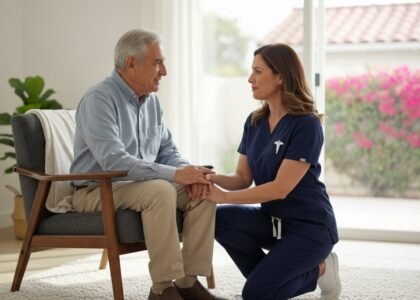
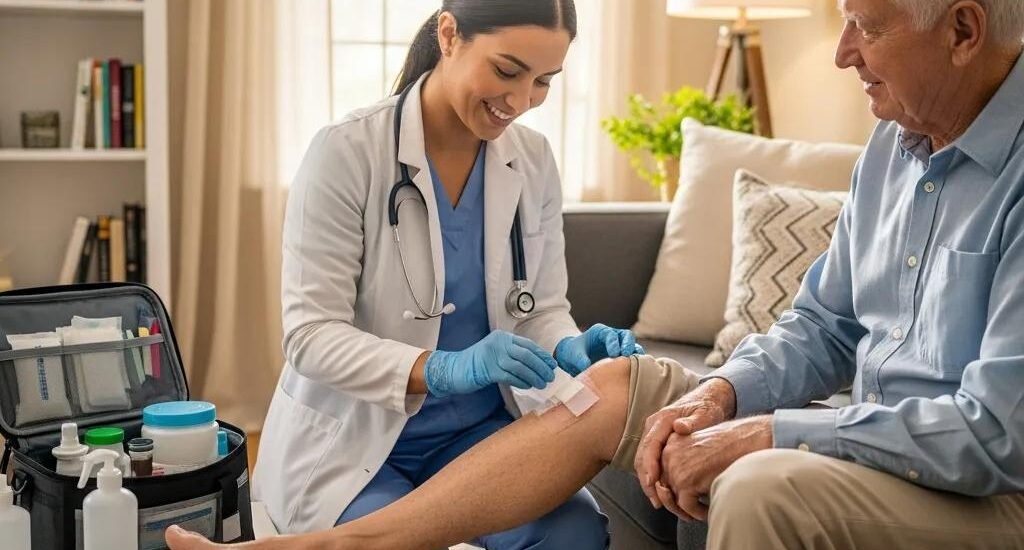
Mobile wound care delivers clinical wound treatment in a patient’s home. This model improves access and reduces the physical and logistical strain of travel. Mobile wound care specialists arrive prepared to manage a range of wound types and to provide timely, evidence-based care in a familiar setting.
How Does Mobile Wound Care Deliver Convenience and Accessibility?
Bringing care to the home removes travel barriers for patients with limited mobility, chronic conditions, or transportation challenges. In-home visits mean less stress, more flexible scheduling, and easier follow-up—so patients can stay consistent with care without rearranging their lives.
What Advanced Regenerative Treatments Are Offered at Home?
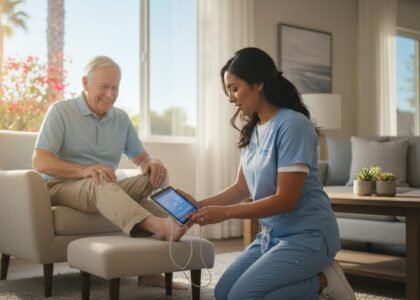
Many mobile programs include advanced regenerative options that are suitable for home use, such as biologic dressings and negative pressure wound therapy (NPWT). These therapies promote healing and, when combined with personalized care, can improve recovery while keeping treatment comfortable and convenient.
What Defines Traditional Wound Care Clinics and Their Treatment Approach?
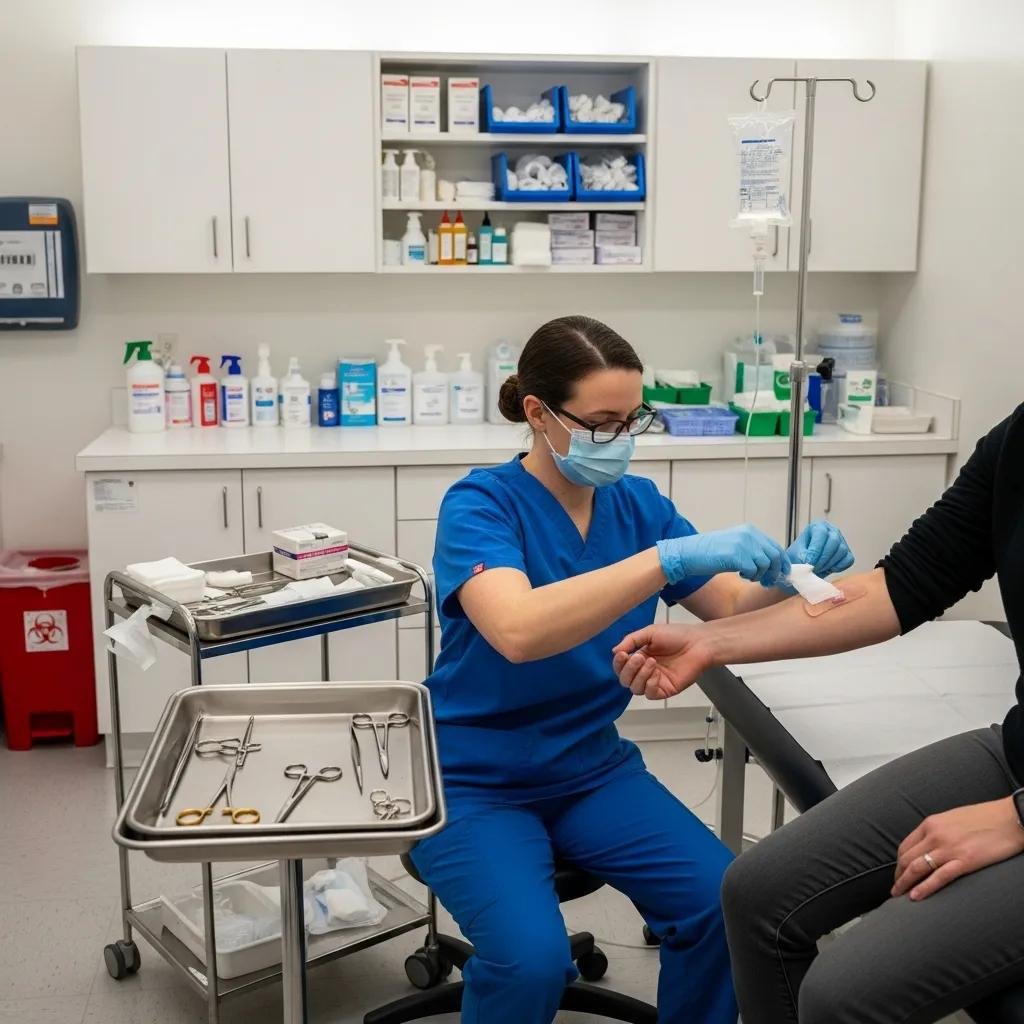
Traditional wound care clinics are dedicated facilities that manage acute, chronic, and complex wounds. They follow established clinical protocols and offer a spectrum of treatments—debridement, dressings, and advanced therapies—delivered by multidisciplinary teams. Clinics provide concentrated resources, though they may be less convenient for some patients.
What Are Common Practices and Limitations of Clinic-Based Wound Care?
Clinic care typically includes scheduled assessments, dressing changes, and patient education. Common limitations are travel requirements, potential wait times, and restricted appointment windows. Those factors can delay care for patients who need frequent monitoring.
How Do Traditional Clinics Manage Chronic Wounds?
Clinics manage chronic wounds through comprehensive evaluation, identifying underlying causes, and creating individualized treatment plans. Follow-up visits and adjustments are routine, with the clinic coordinating therapies and referrals as needed to support long-term healing.
How Do Mobile Wound Care and Traditional Clinics Compare?
Comparing mobile wound care and traditional clinics highlights differences in access, setting, and how care is delivered. Each model brings strengths that affect patient experience and outcomes.
What Are the Differences in Treatment Types and Healing Outcomes?
| Treatment Type | Mobile Wound Care | Traditional Clinics |
|---|---|---|
| Accessibility | In‑home visits | Clinic‑based visits |
| Treatment Options | Advanced regenerative therapies plus personalized care | Standardized protocols with advanced options |
| Healing Outcomes | Personalized attention can improve adherence and recovery | Established protocols with outcomes that vary by case |
How Do Care Settings and Patient Experience Differ?
Mobile care often feels more comfortable and less disruptive since treatment happens at home. Clinics concentrate resources and specialists in one place, which can benefit complex cases, but may involve longer waits and travel—factors that some patients find stressful.
What Are the Key Benefits of Choosing Mobile Wound Care Services?
- Personalized Care: Care plans are tailored to each patient’s lifestyle, living environment, and clinical needs.
- Improved Healing Outcomes: Easier access and consistent follow-up can lead to better adherence and faster progress.
- Support for Caregivers: Mobile visits include caregiver education and hands‑on coaching to reinforce at‑home wound management.
If you’re considering mobile wound care, Healix360 Advanced Mobile Wound Care Specialists offer comprehensive services designed to meet a wide range of patient needs.
How Does Personalized Care Improve Healing and Support Caregivers?
Personalized mobile care creates plans that address each patient’s unique condition and daily routine. That tailored approach supports better healing and brings caregivers into the care loop with practical instruction—making ongoing management easier and safer at home.
What Role Does Medicare Part B Coverage Play in Mobile Care?
Medicare Part B can help cover medically necessary home health services, including wound care when delivered by an appropriate home health agency. This coverage often reduces out‑of‑pocket costs and makes mobile care a feasible option for many patients.
How Does the Patient Journey Differ Between Mobile and Traditional Wound Care?
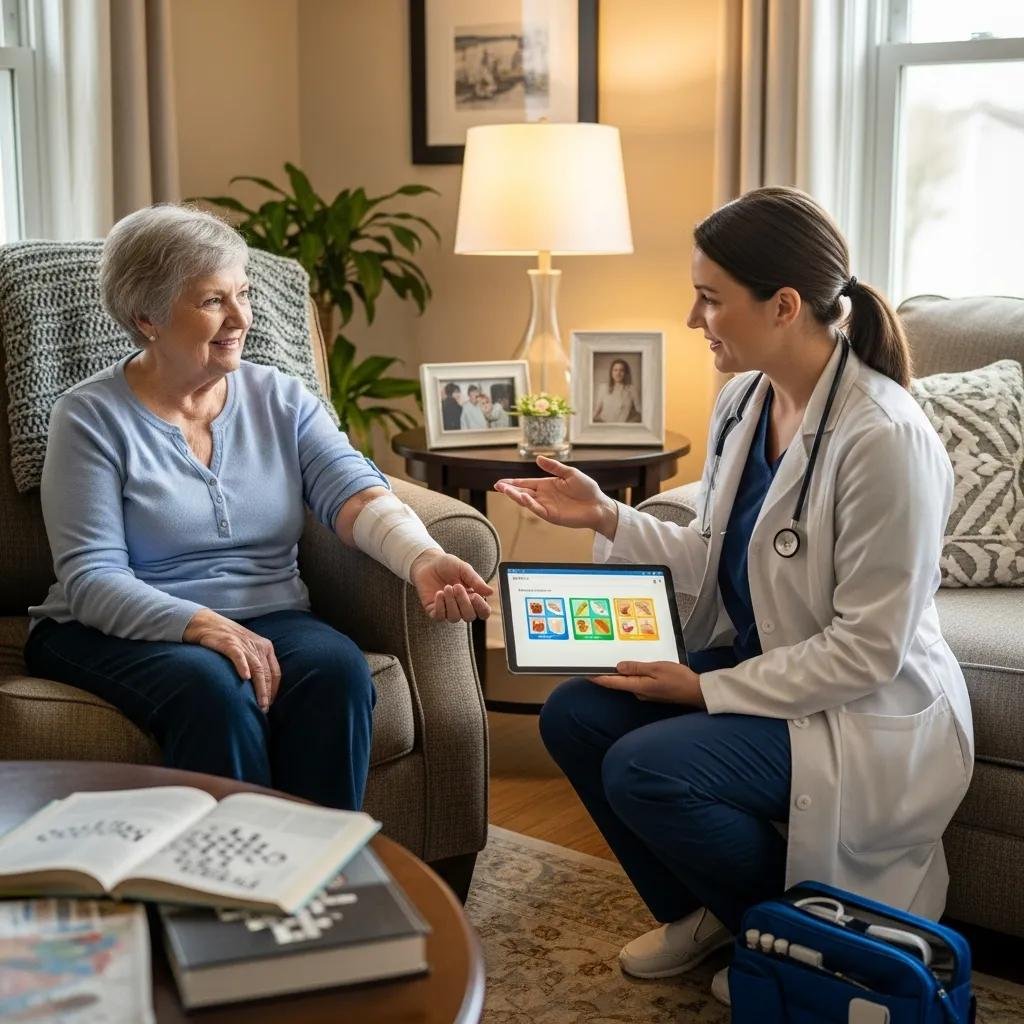
The patient journey differs most in scheduling, access, and follow-up. Mobile care emphasizes convenience and continuity, while clinic care centralizes resources and offers on‑site diagnostics and specialist access.
What Is the Scheduling and Follow-Up Process for Mobile Wound Care?
Mobile teams typically offer flexible appointment windows and adapt follow-up visits based on real‑time healing progress. Providers can modify plans quickly during home visits, which keeps care responsive and continuous.
What Should Patients Expect During Mobile Visits Compared to Clinic Visits?
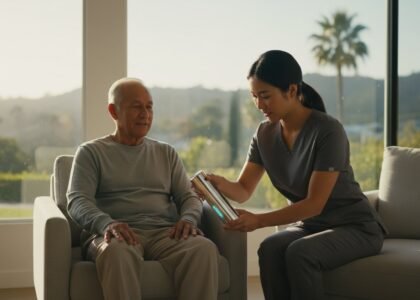
Mobile visits are designed to be efficient and comfortable: the clinician conducts assessments, provides treatment, and discusses next steps in the home setting. Clinic visits may include additional diagnostics and specialist input but can require more travel and time on site.
Which Chronic Wound Conditions Are Treated by Mobile and Traditional Care?
Both mobile and clinic teams treat a broad range of chronic wounds, adapting strategies to the wound type and patient needs.
How Are Diabetic Foot Ulcers, Pressure Ulcers, and Venous Leg Ulcers Managed?
| Wound Type | Mobile Wound Care Approach | Traditional Clinic Approach |
|---|---|---|
| Diabetic Foot Ulcers | Individualized care with advanced therapies and regular home monitoring | Standardized protocols supplemented by advanced therapies |
| Pressure Ulcers | Frequent in‑home checks and targeted interventions | Routine assessments with dressing changes and support surfaces |
| Venous Leg Ulcers | Comprehensive management including compression, education, and lifestyle support | Focused wound care and compression therapy in clinic |
What Advanced Therapies Are Used for Specific Wound Types?
Therapies such as biologic dressings and negative pressure wound therapy are used across both settings. Mobile providers can often deliver many of these treatments at home, combining advanced therapies with a more convenient care experience.
Frequently Asked Questions
What types of patients benefit most from mobile wound care services?
Patients with limited mobility, multiple chronic conditions, recent surgery recovery needs, or those who live far from a clinic often benefit most. Mobile care also helps patients who feel anxious about clinic visits and prefer receiving treatment in a familiar environment.
How do mobile wound care specialists ensure the quality of care?
Specialists follow the same evidence‑based protocols used in clinics, maintain ongoing training, and use clinical tools for assessment and documentation. They coordinate with primary care and specialist teams to ensure continuity and high standards of care.
Are there any specific technologies used in mobile wound care?
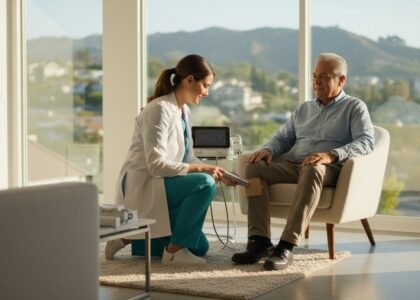
Yes—mobile care can incorporate telehealth for remote check‑ins, portable diagnostic tools, advanced dressing materials, and home‑compatible NPWT systems. These technologies extend clinic‑level care into the home safely and effectively.
What is the cost comparison between mobile wound care and traditional clinics?
Costs vary by service, frequency, and insurance coverage. While mobile care adds convenience, total costs can be comparable once you factor in travel, time off work, and transportation. Medicare Part B may cover qualifying home wound care services, making mobile care affordable for many.
How do mobile wound care services handle emergencies or complications?
Mobile teams follow escalation protocols for infections or other complications—providing immediate treatment when possible and arranging timely transfers to emergency care or specialists when needed. They emphasize clear communication so patients report changes promptly.
Can mobile wound care services accommodate patients with multiple chronic conditions?
Yes. Mobile specialists evaluate the whole patient, design wound plans that account for other health issues, and coordinate with other providers to ensure comprehensive, safe care across conditions.
What should patients prepare for before a mobile wound care visit?
Prepare a clean, accessible treatment area and have relevant medical history, medication lists, and prior wound records available. Wear comfortable clothing that allows easy access to the wound, and bring any questions you want to discuss during the visit.
Conclusion
Choosing between mobile wound care and a traditional clinic depends on your clinical needs, mobility, and priorities. Mobile care offers convenience, tailored plans, and caregiver support that often improve adherence and comfort. Clinic‑based care centralizes specialist resources and diagnostics for complex cases. Knowing the strengths of each helps you and your care team make the best decision for recovery. Learn more about how mobile wound care can support your healing journey by exploring our services today.