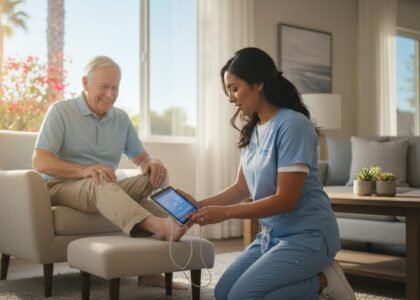


Advanced Care for Diabetic Foot Ulcers: Traditional Wound Management vs. Mobile Regenerative Solutions
Diabetic foot ulcers are a serious complication of diabetes that can lead to pain, infection, and in some cases amputation if not treated promptly. This guide compares established clinic-based wound care with modern mobile regenerative approaches, so patients and caregivers can understand how each option affects healing and long‑term outcomes. We cover what causes these ulcers, how traditional care works, the advantages of home‑based regenerative therapies, and the unique services offered by Healix360 Advanced Mobile Wound Care Specialists.
What are diabetic foot ulcers and what commonly causes them?
Diabetic foot ulcers are open sores on the foot that develop when underlying diabetes‑related complications interfere with normal skin repair. They most commonly result from a mix of reduced sensation (neuropathy), poor circulation, repetitive pressure or trauma, and weakened skin integrity. High blood sugar worsens these problems by damaging nerves and blood vessels, which makes minor injuries more likely to progress without notice.
How do diabetes and neuropathy lead to foot ulcers?
Neuropathy—nerve damage from long‑term elevated blood glucose—blunts pain and temperature sensation in the feet. Patients may not feel a small cut, blister, or pressure point, so wounds can worsen unnoticed. At the same time, impaired circulation reduces the oxygen and nutrients that tissues need to heal, increasing infection risk and slowing recovery.
What are the early signs and main risk factors to watch for?
Early warning signs include redness, swelling, blisters, calluses, drainage, or any sore that does not heal. Risk factors include poorly controlled blood glucose, a prior history of foot ulcers, structural foot deformities, and peripheral arterial disease. Regular daily foot checks and early reporting of changes are essential to prevent escalation.
How does traditional wound care approach diabetic foot ulcers?
Conventional wound care focuses on cleaning the wound, applying appropriate dressings, relieving pressure on the sore, and close monitoring. Clinicians often perform debridement to remove dead tissue and treat infection or ischemia when present—steps that are critical for a healthy healing environment.
Research highlights pressure relief and debridement as foundational elements of standard DFU care.
DFU Causes & Standard Management
Foot ulcers are a common and serious complication of diabetes and can precede lower‑extremity amputation. Leading causes include neuropathy, traumatic injury, foot deformities, high plantar pressures, and peripheral arterial disease. A careful exam and classification of the ulcer guide treatment choices. Relieving pressure with total contact casts, removable cast walkers, or specialty footwear is a central early step. Sharp debridement and prompt treatment of infection and ischemia are also crucial to support healing. Early, decisive care often prevents deterioration and reduces the risk of amputation.
Diabetic foot ulcers: pathogenesis and management, 2002
What common tactics make up traditional wound care?
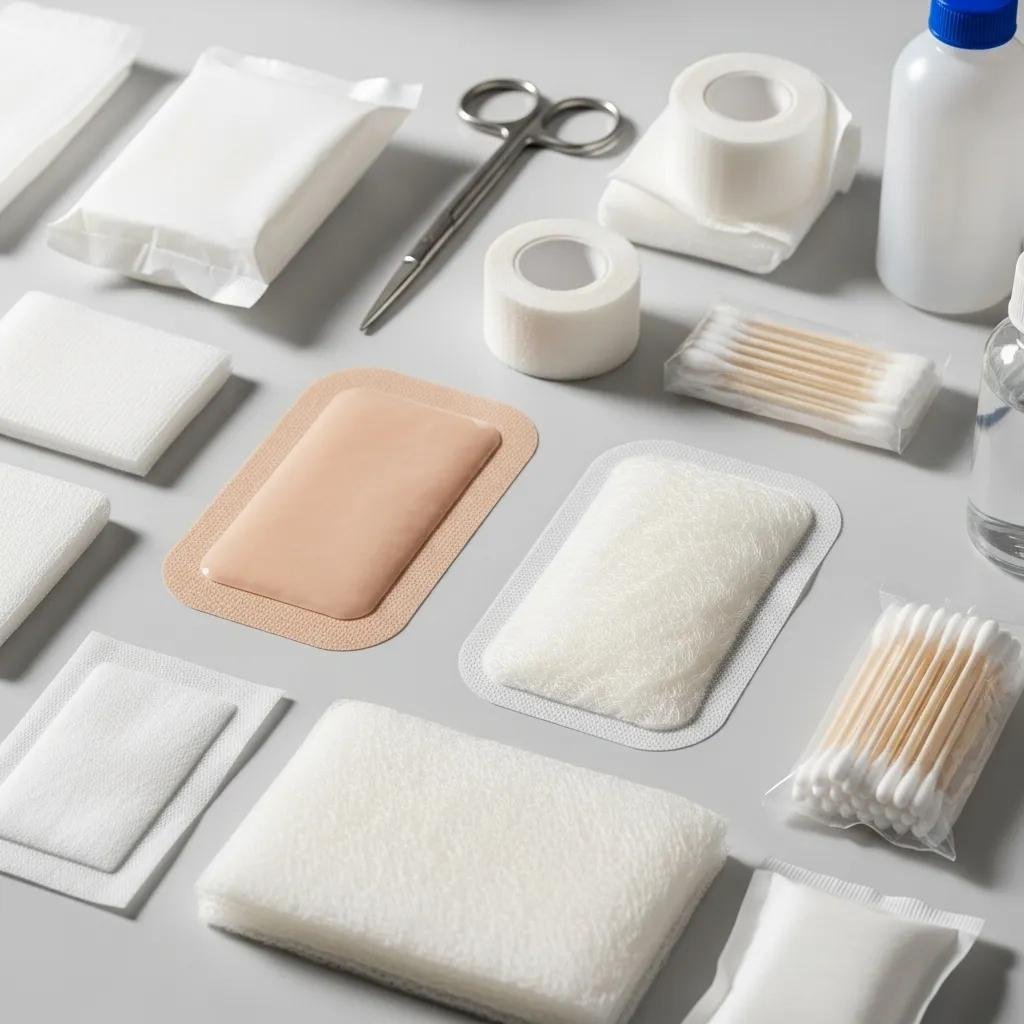
Typical steps include selecting dressings (hydrocolloids, alginates, foams) that maintain a moist healing environment, performing surgical or enzymatic debridement to remove necrotic tissue, and using offloading devices—specialized shoes, walkers, or casts—to redistribute pressure. Many patients must travel to clinics for frequent dressing changes and assessments, which can complicate consistent follow‑up.
What are the main limitations of traditional care?
Conventional approaches can be limited by slow healing timelines, the need for repeated clinic visits, and barriers to access for patients with mobility or transportation challenges. Traditional methods may manage the wound without fully addressing underlying circulation or cellular deficits, which contributes to recurrence.
Traditional vs. Mobile Regenerative Care for Diabetic Foot Ulcers
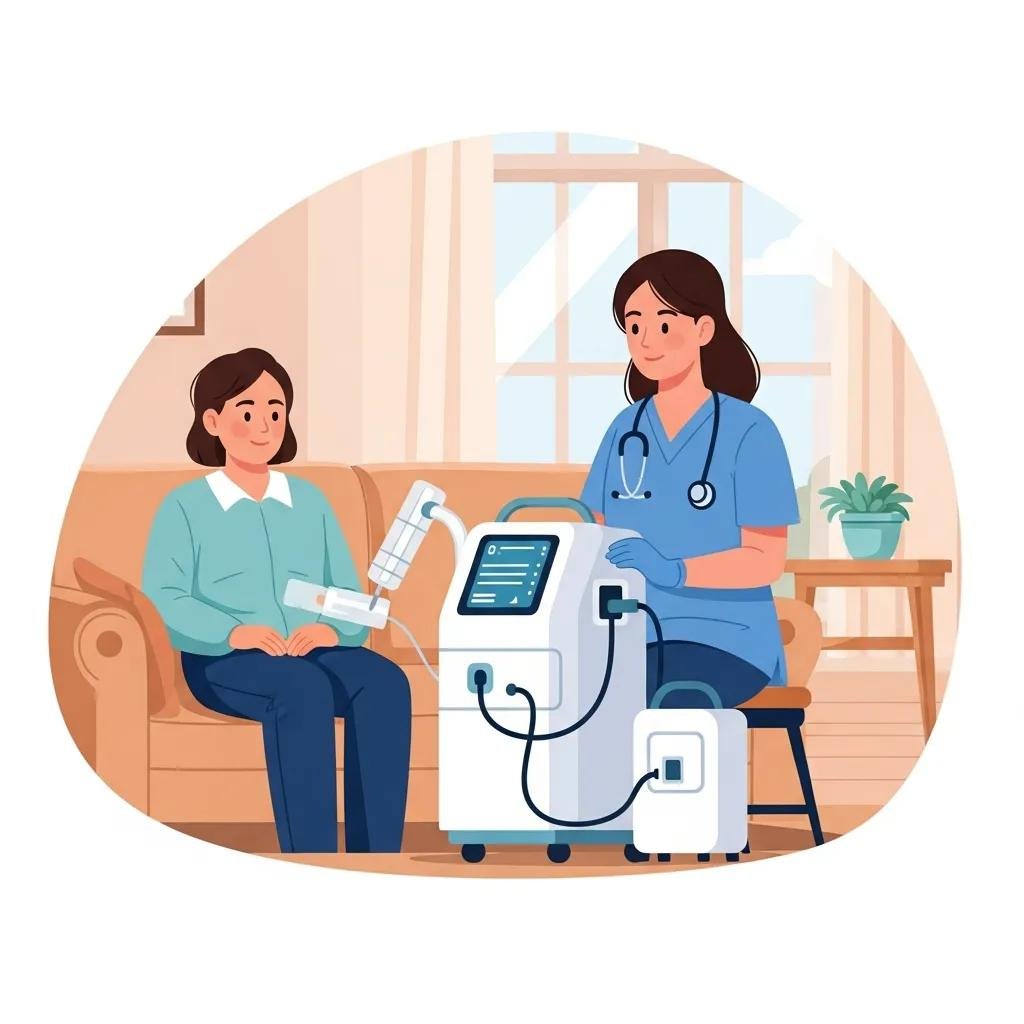
Mobile regenerative wound care brings specialized treatment directly to the patient’s home, combining convenience with cutting‑edge therapies. This model reduces travel burdens, improves timely access to care, and often increases adherence and comfort—factors that can speed recovery and improve outcomes.
How does mobile wound care improve convenience and access?
By delivering care at home, mobile teams remove transportation hurdles and reduce the disruption of repeated clinic visits. That immediacy allows for faster assessment and treatment adjustments, which can prevent small wounds from becoming complex problems. Many patients report feeling safer and more engaged when care happens in their own environment.
What regenerative treatments are available through advanced care?
Advanced mobile programs commonly use biologic dressings, negative pressure wound therapy (NPWT), and, where appropriate, cellular and tissue‑based products (CTPs). Biologics provide a scaffold for new tissue growth, while NPWT manages wound fluid and encourages blood flow. These tools support healing at the tissue and cellular level when combined with pressure offloading and infection control.
How does regenerative wound care compare to traditional methods?
Regenerative care shifts focus from only managing the surface wound to actively restoring tissue function. By combining biologics, advanced dressings, and devices that improve perfusion and remove harmful tissue, this approach targets both the ulcer and the biological barriers to healing.
What healing timelines and outcomes can patients expect with each approach?
Clinical evidence shows regenerative therapies often lead to faster and more reliable healing than standard care alone. Some ulcers treated with advanced methods close in weeks rather than months, though outcomes vary with ulcer size, infection status, vascular health, and overall patient condition. Individual results depend on these factors and adherence to the treatment plan.
Clinical trials and studies have demonstrated improved healing rates with advanced regenerative products.
Acellular Dermal Matrix and DFU Healing
Research indicates diabetic foot ulcers treated with acellular dermal matrix therapy have a two‑ to three‑times higher chance of healing compared with standard‑of‑care management. These findings support the effectiveness of regenerative matrices in improving DFU outcomes.
Effectiveness of an acellular dermal regenerative tissue matrix compared to standard wound management in healing diabetic foot ulcers: a prospective, randomised …, RT Crews, 2009
How do advanced therapies lower complications and amputation risk?
By promoting more complete tissue repair, improving local blood flow, and reducing infection risk, advanced therapies decrease the chances of chronic wounds and downstream complications. Faster, more predictable healing reduces the cumulative burden on the limb and lowers the likelihood of amputation when paired with good medical management.
What should patients and caregivers expect during mobile DFU treatment?
Mobile wound care follows a clear, coordinated pathway designed to assess, treat, and support patients at home. Teams provide clinical care plus education so patients and caregivers can participate confidently in the healing process.
How is the patient journey structured with Healix360’s mobile care?
The Healix360 journey begins with an initial consultation with a board‑certified wound care specialist who evaluates the ulcer and designs a personalized treatment plan. Follow‑up visits are scheduled to monitor progress, adjust therapy, and provide ongoing education—ensuring continuous, responsive care throughout recovery.
What support and education do patients and caregivers receive?
We prioritize clear, practical education: how to inspect the foot, recognize signs of infection, manage dressings, and support glycemic control and nutrition for healing. Caregivers are included at every step so they can help with daily care, offloading, and appointment coordination.
Why choose Healix360 for advanced diabetic foot ulcer treatment?
Healix360 combines mobile access with regenerative therapies and specialist oversight to deliver care where patients are most comfortable. Our model reduces travel stress, pairs evidence‑based treatments with skilled clinicians, and emphasizes patient education and coordinated follow‑up.
What unique advantages does Healix360 offer over traditional clinics?
Healix360 brings experienced wound specialists and advanced biologic options directly to your home, removing transport barriers and enabling faster intervention. Our clinicians integrate regenerative products, NPWT, and targeted offloading into a treatment plan tailored to each patient’s medical needs and lifestyle.
What are the clinical success rates and patient experiences?
Our clinical results and patient stories reflect meaningful improvement in wound closure and quality of life. Many patients report faster healing, fewer clinic visits, and greater satisfaction with at‑home care—outcomes that reinforce the value of combining regenerative therapies with mobile delivery.
| Treatment | Average Healing Time | Complication Rate | Patient Satisfaction |
|---|---|---|---|
| Traditional Care | 12-20 weeks | 30% | 70% |
| Mobile Regenerative Care | 6-12 weeks | 15% | 85% |
This comparison highlights typical differences in healing time, complication frequency, and patient satisfaction between standard clinic‑based care and mobile regenerative programs—underscoring the potential benefits of advanced, in‑home treatment.
Effective management of diabetic foot ulcers depends on prompt assessment, appropriate offloading, infection control, and therapies that support tissue repair. While traditional wound care remains essential, mobile regenerative services like those from Healix360 offer a patient‑centered alternative that can improve access, speed healing, and reduce complications. If you or a loved one is dealing with a chronic foot ulcer, exploring mobile wound care may be a meaningful next step.
Frequently Asked Questions
What are the key differences between traditional wound care and mobile regenerative solutions?
Traditional care typically occurs in a clinic and focuses on cleaning, dressing, debridement, and offloading. Mobile regenerative care delivers comparable clinical expertise at home and often adds biologic products, NPWT, and other regenerative tools. The main differences are accessibility, convenience, and the use of therapies that actively promote tissue regeneration—factors that can lead to faster healing and higher patient satisfaction.
How can patients prevent diabetic foot ulcers from developing?
Prevention centers on daily foot inspection, good blood sugar control, protective footwear that fits properly, and timely treatment of minor foot problems. Routine foot exams with a healthcare provider and early attention to calluses, blisters, or redness markedly reduce the risk of ulcer development.
What role does patient education play in managing diabetic foot ulcers?
Education is essential. Patients who understand how to care for their feet, recognize warning signs, and follow offloading and wound care instructions are far more likely to heal and avoid recurrence. Caregivers who receive practical training also improve adherence and outcomes.
Are there specific dietary recommendations for people with diabetic foot ulcers?
Nutrition supports healing. Focus on adequate protein, vitamins, minerals, and hydration—lean proteins, colorful vegetables, whole grains, and controlled carbohydrate intake to support blood glucose management. A registered dietitian can tailor recommendations to individual needs and medical conditions.
What should patients expect during their first mobile wound care appointment?
The initial visit includes a full wound assessment, medical history review, and the creation of a personalized treatment plan. The clinician will explain the proposed therapies, teach wound care tasks, and plan follow‑ups. The goal is to start effective treatment quickly while ensuring the patient and caregiver understand the plan.
How do mobile wound care services handle emergencies or complications?
Mobile teams triage changes in wound status promptly. If a patient shows increased pain, swelling, fever, or other signs of infection or ischemia, the provider will initiate urgent treatment, refer to specialists, or coordinate emergency care as needed to protect the patient’s health.
Conclusion
Mobile regenerative wound care offers a patient‑focused path to faster, more reliable healing for many diabetic foot ulcers. By combining at‑home access with evidence‑based regenerative therapies, clinicians can address the wound and the biological barriers to repair—reducing complications and improving quality of life. To learn more about Healix360’s mobile wound care services and whether they may be right for you, reach out and schedule an initial consultation.