
Emergency Mobile Wound Care: Advanced at-home treatment when you need urgent help
Emergency mobile wound care brings advanced, time-sensitive treatment to a patient’s home. By combining clinical expertise with portable technology, this model speeds access to care, reduces risks associated with travel, and can improve healing outcomes for both acute and chronic wounds. Below we explain how emergency mobile wound care works, the benefits patients receive, when to call for urgent help, and the regenerative therapies used by Healix360’s mobile teams.
Knowing when a wound needs immediate attention can prevent complications. This guide highlights warning signs of infection and the chronic wounds that often require prompt, specialized care.
Emergency Mobile Wound Care: Fast, Advanced At-Home Treatment
Emergency mobile wound care is a focused clinical service that delivers urgent wound management directly to a patient’s home. It addresses a range of needs—from infected or non-healing wounds to complex chronic wounds—so patients get timely, evidence‑based treatment without the delay or stress of traveling to a hospital.
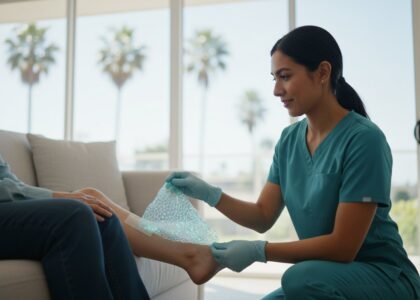
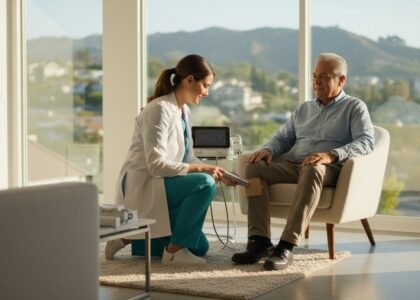
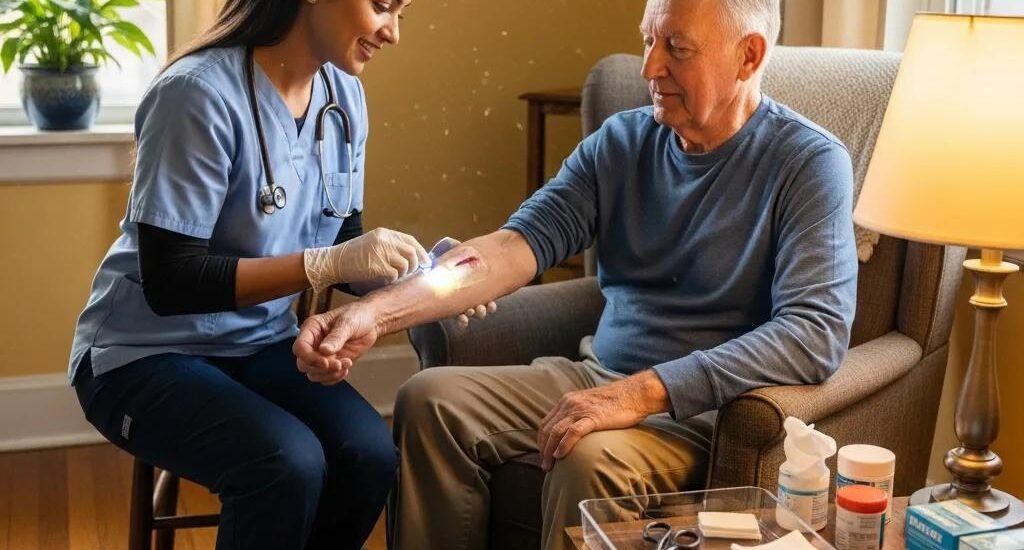
Our mobile teams arrive prepared with sterile supplies, diagnostic tools, and clinical experience to perform treatments such as debridement, dressing changes, and tailored wound assessments. This approach is especially valuable for people with limited mobility, transportation barriers, or conditions that make clinic visits difficult.
How Does Mobile Wound Care Deliver Advanced Treatment at Home?
Advanced mobile wound care relies on two things: trained clinicians and the right tools. A certified wound care specialist conducts a focused assessment, documents wound characteristics, and crafts a treatment plan that fits the patient’s medical needs and home environment.
Treatment methods may include:
- Debridement
: Removing dead or infected tissue to reduce bacterial load and encourage healthy tissue growth. - Advanced dressings
: Biologic or synthetic materials selected to maintain a moist, protective healing environment. - Negative pressure wound therapy
: A portable suction-based therapy that helps close wounds and improve circulation to the area.
Delivering these therapies in the home means patients get clinically appropriate, high-quality care without the disruption of hospital trips.
What Are the Key Benefits of Urgent Mobile Wound Care Services?
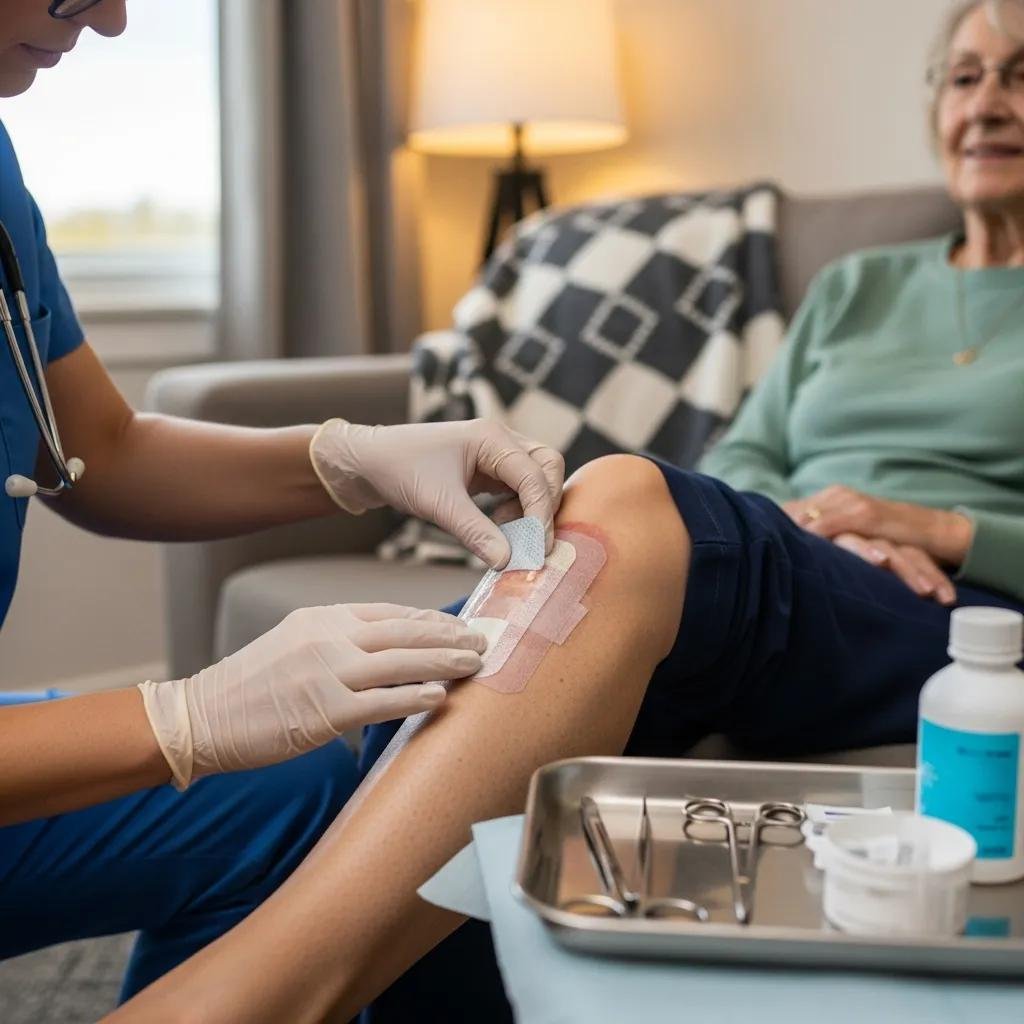
Urgent mobile wound care improves outcomes and experience in several clear ways:
- Reduced travel stress
: Care comes to the patient’s home, removing the need for transportation and the anxiety of clinical visits. - Faster access to care
: Timely interventions lower the risk of infection and complications, supporting earlier recovery. - Personalized treatment plans
: Each plan is tailored to the wound, the patient’s health history, and their home circumstances to maximize healing.
These benefits underscore why mobile wound care is an important option for urgent wound management. Healix360
connects patients with specialist-level care designed around individual needs.
When Should You Seek Immediate Emergency Mobile Wound Care?
Recognizing when a wound needs urgent attention can prevent serious complications. Below are common signs and situations that warrant prompt evaluation by a wound care professional.
What Are the Critical Signs of Wound Infection and Non-Healing Wounds?
Watch for these warning signs of infection or stalled healing:
- Increased redness
: Expanding or intense redness around the wound. - Swelling
: New or growing swelling near the wound. - Discharge
: Pus, foul smell, or unusual drainage. - Fever
: A raised body temperature or chills that may indicate systemic infection. - Non‑healing
: Little or no improvement after two weeks of care or worsening condition.
If you notice any of these signs, contact a wound care provider promptly to reduce the risk of complications.
How to Differentiate Between Emergency Mobile Care and Hospital ER Visits?
Choosing between mobile wound care and an emergency department visit depends on the severity and type of injury. Use this guidance:
- Emergency mobile care
: Best for non‑life‑threatening but urgent wounds—infected, non‑healing, or complex chronic wounds that need specialist attention at home. - Hospital ER visits
: Required for life‑threatening injuries, major trauma, uncontrolled bleeding, signs of sepsis, or when immediate surgical care is likely.
For many urgent but stable situations, mobile wound care can deliver prompt, high-quality treatment without the delays and stress of an ER.
Which Chronic Wounds Require Urgent Mobile Therapy?
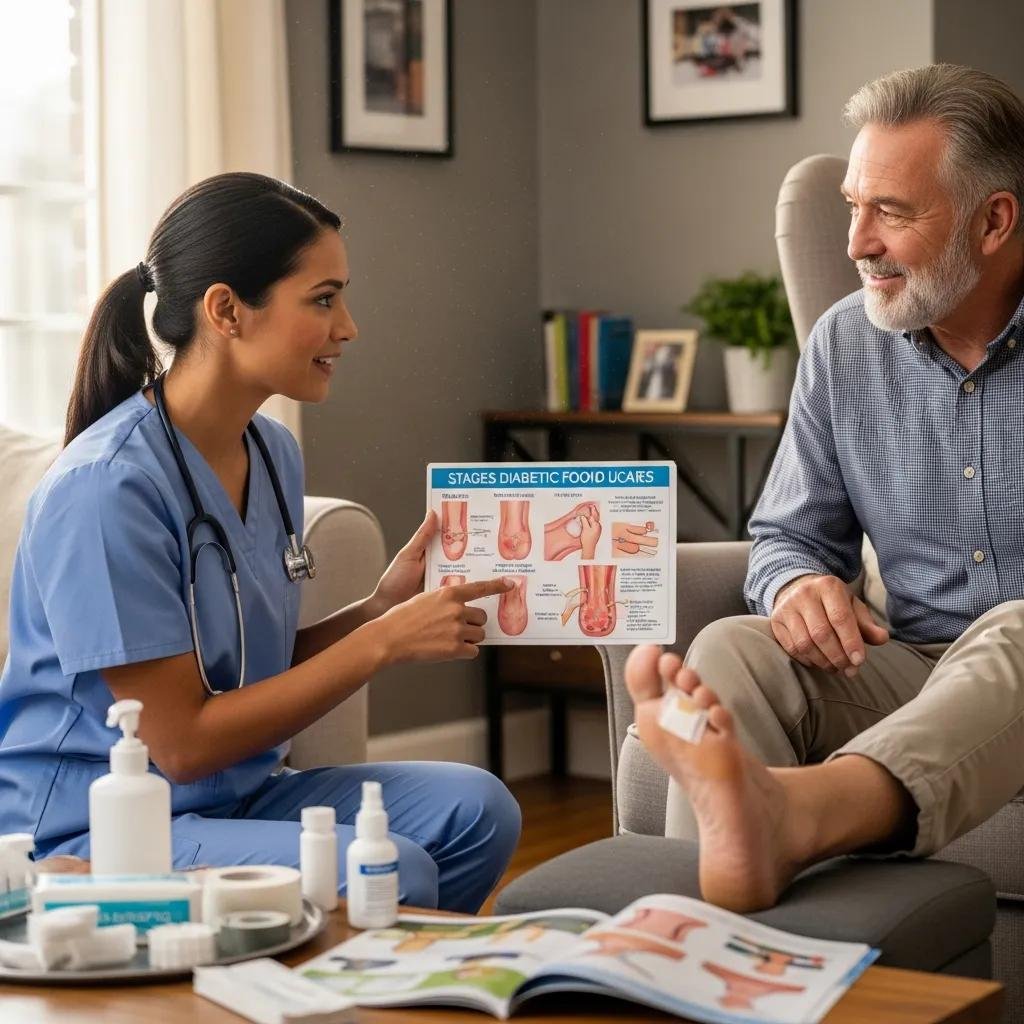
Some chronic wounds commonly need urgent, specialist attention to avoid deterioration. These include:
- Diabetic foot ulcers
: These can quickly become infected and require coordinated, timely care. - Pressure ulcers
: Also called bedsores; early intervention prevents deeper tissue loss. - Venous leg ulcers
: Often related to poor circulation and needing targeted therapies to heal.
Mobile clinics help overcome access barriers and bring comprehensive care to patients managing these conditions.
Mobile DFU Outreach Clinics for Improved Healthcare Access
Resource gaps and limited access to care—made worse during the COVID-19 pandemic—create real obstacles for people with diabetic foot ulcers. Mobile, multidisciplinary DFU outreach programs can increase access and deliver the resource-intensive care these wounds often require.
Utilizing mobile diabetic foot clinics to provide comprehensive care to patients experiencing homelessness, 2023
How Are Diabetic Foot Ulcers Managed with Emergency Mobile Care?
Managing diabetic foot ulcers at home focuses on consistent monitoring, timely intervention, and patient education. Key components include:
- Regular monitoring
: Frequent assessments to track healing and spot complications early. - Debridement
: Removing nonviable tissue to reduce infection risk and support healing. - Patient education
: Practical guidance on foot care, offloading, and glucose-related wound risks.
When combined with close follow-up, these measures can reduce complications and improve short‑term outcomes for people with DFUs.
Remote check‑ins—by phone or photos—often supplement in‑person visits to maintain continuity of care.
Urgent Diabetic Foot Ulcer Care & Remote Follow-up
Severely complicated DFUs require urgent attention. Programs that include regular follow-up by phone or wound photography have reported improved early outcomes and fewer complications.
Management of diabetic persons with foot ulceration during COVID-19 health care emergency:
Effectiveness of a new triage pathway, M Meloni, 2020
What Is the Approach to Pressure Ulcer and Venous Leg Ulcer Emergency Treatment?
Treatment for pressure ulcers and venous leg ulcers combines accurate assessment with therapies that address underlying causes and support tissue repair:
- Assessment
: Determining wound stage, contributing factors, and comorbid issues. - Advanced dressings
: Selecting wound coverings that protect tissue and manage moisture. - Nutritional support
: Ensuring adequate nutrition to promote healing and tissue regeneration.
This structured, multidisciplinary approach helps prevent complications and supports more reliable healing.
What Advanced Regenerative Treatments Are Used in Emergency Mobile Wound Care?
Regenerative therapies can accelerate repair and improve outcomes when used appropriately in urgent wound care. Common options include:
- Stem cell therapy
: Uses patient-derived or donor cells to encourage tissue regeneration; currently experimental in many settings and not routine in standard mobile wound care. - Biologic dressings
: Natural, bioactive materials that support healing while lowering infection risk. - Negative pressure wound therapy
: Suction‑assisted therapy that promotes perfusion and reduces edema to support closure.
How Does Debridement Accelerate Healing in Urgent Wound Care?
Debridement removes dead or infected tissue that can block healing. By clearing this barrier, debridement decreases bacterial burden, exposes healthy tissue, and creates conditions that allow new tissue to grow more quickly.
What Roles Do Biologic Dressings and Negative Pressure Wound Therapy Play?
Biologic dressings provide a protective, moisture-balanced environment that supports cell migration and tissue repair. Negative pressure wound therapy complements dressings by improving local blood flow, reducing swelling, and helping wounds contract—both are valuable tools in modern wound management.
How Does Healix360’s Mobile Wound Care Process Ensure Fast and Effective Emergency Treatment?
Healix360’s mobile wound care workflow is built for speed, safety, and individualized care. Our teams follow a consistent, evidence-based process that moves from rapid assessment to a targeted treatment plan and ongoing follow-up.
What Steps Are Involved in Scheduling and Receiving Urgent Mobile Wound Care?
- Initial consultation
: Patients can
schedule an appointment
through Healix360’s website or by phone. - Assessment
: A wound care specialist visits the home to document the wound, review medical history, and identify immediate risks. - Treatment plan
: We develop a personalized plan with clear goals, therapies, and follow-up steps.
This streamlined pathway ensures timely, evidence-driven care tailored to each patient’s needs.
How Are Personalized Treatment Plans Developed for Immediate Chronic Wound Help?
We build treatment plans collaboratively, combining clinical data with the patient’s goals and home situation:
- Patient history
: Reviewing medical conditions, prior treatments, and medications. - Wound assessment
: Documenting wound size, depth, tissue type, and infection signs. - Patient preferences
: Factoring in lifestyle, caregiving support, and practical home considerations.
This approach improves adherence, supports better outcomes, and ensures care fits the patient’s life.
What Support Resources Are Available for Patients and Caregivers During Emergency Mobile Wound Care?
Practical support helps patients and caregivers manage wounds safely between visits. Common resources include:
- Educational materials
: Clear instructions and tips for wound care, dressing changes, and prevention. - Support networks
: Links to community services, home health, and caregiver groups. - Communication tools
: Direct lines to clinicians for questions, follow-up coordination, and telehealth check‑ins.
How Can Caregivers Recognize Wound Severity and Manage At-Home Care?
Caregivers should monitor wounds and act on concerning signs. Key tasks include:
- Signs of infection
: Watch for increased redness, swelling, warmth, new drainage, or fever. - Proper cleaning techniques
: Follow clinician instructions for gentle cleansing and sterile dressing changes. - When to seek help
: Contact your wound care team promptly if the wound worsens or new symptoms appear.
What Educational Tools Empower Patients Through Their Healing Journey?
Accessible education helps patients take an active role in recovery. Useful tools include:
- Instructional videos
: Step-by-step demonstrations for safe wound care at home. - Printed guides
: Concise, easy-to-follow care plans and checklists. - Online resources
: Articles and trusted forums for further information and support.
These resources increase confidence, improve adherence, and often speed recovery.
Looking ahead, smartphone apps and secure photo follow-up show promise for improving continuity of care and patient engagement in wound management.
Smartphone Follow-up for Emergency Wound Care
Early studies suggest patients respond positively to smartphone-based follow-up after emergency wound care, but more research is needed to confirm benefits for outcomes and cost. These tools may nonetheless offer a practical way to maintain close follow-up between visits.
Wound care follow-up from the emergency department using a mobile application: a pilot study, ML Tolins, 2019
Frequently Asked Questions
What types of professionals provide emergency mobile wound care?
Emergency mobile wound care is delivered by certified wound care clinicians—often specialized nurses and nurse practitioners trained in wound assessment and management. These professionals are skilled in procedures like debridement, dressing selection, and patient education, and they coordinate with physicians and other providers as needed.
How can patients prepare for a visit from a mobile wound care specialist?
To prepare, gather relevant medical information (medical history, current medications, and prior wound treatments). Make the wound accessible and clean, and write down questions or concerns to discuss. This helps the clinician perform an efficient, thorough assessment and start appropriate care quickly.
Are there any costs associated with emergency mobile wound care services?
Costs vary by provider, treatment complexity, and insurance coverage. Many insurers cover mobile wound care services; patients should check with their plan. Some providers offer payment options or financial assistance for those without coverage to improve access to care.
What should patients expect during their first mobile wound care visit?
The first visit typically includes a comprehensive wound assessment (size, depth, tissue type), a review of medical history, and discussion of symptoms. The clinician will outline a personalized treatment plan that may include debridement, dressing changes, and education about at-home care. Patients are encouraged to ask questions and share concerns during this visit.
How often should patients receive mobile wound care treatments?
Visit frequency depends on wound type, severity, and patient health. Acute or infected wounds may require visits every few days, while chronic wounds often move to weekly or less frequent visits as they improve. The wound care specialist will recommend a schedule that balances healing needs with patient convenience.
What role does patient education play in the success of mobile wound care?
Patient education is essential. Teaching proper cleaning, dressing techniques, and how to spot warning signs empowers patients and caregivers to manage wounds safely between visits. Well-informed patients typically have better adherence and fewer complications—education plus follow-up is a cornerstone of effective mobile wound care.
Conclusion
Emergency mobile wound care delivers focused, timely treatment that improves outcomes and reduces the burden of travel for patients in urgent need. By bringing specialist care and advanced therapies into the home, Healix360 supports faster, safer healing through personalized plans and coordinated follow-up. If you or a loved one are dealing with a concerning wound, explore Healix360’s services to find out how we can help.