
Healix360’s Mobile Regenerative Wound Care: Personalized Healing
Wound healing is rarely straightforward — the type and timing of care make a big difference. At Healix360, our Advanced Mobile Wound Care Specialists bring proven, regenerative treatments and hands-on expertise directly to the places patients call home. Below we explain how our mobile model improves outcomes: the advantages of in‑home care, the advanced therapies we use, and how we tailor each plan to the person in front of us. Many people with chronic wounds struggle to get consistent, specialized care — we remove that barrier by delivering expert wound management where it’s most convenient and effective.
What Are the Benefits of Mobile Wound Care for Chronic Wound Treatment at Home?
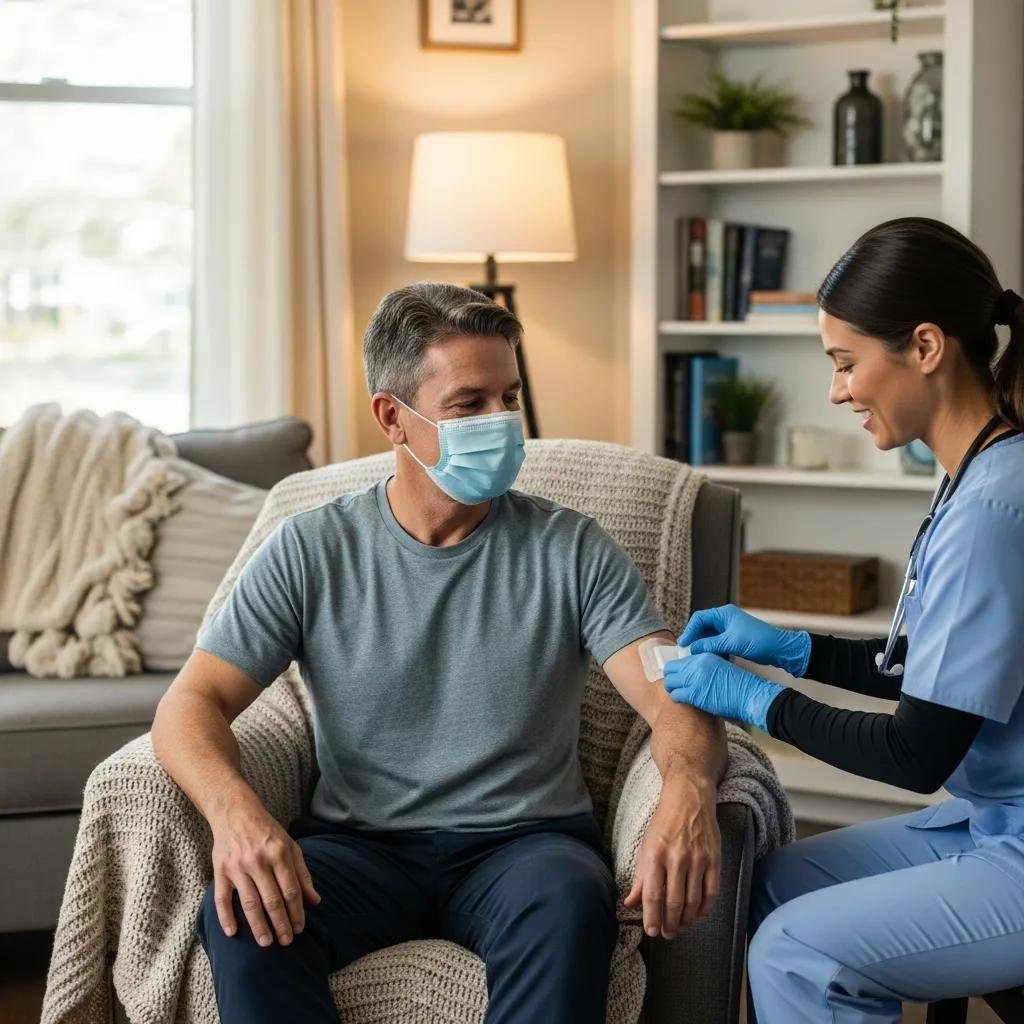
Mobile wound care offers clear, practical benefits for people living with chronic wounds. Receiving care at home reduces stress and logistical burdens, so patients can focus on healing. It also shortens the time between assessment and treatment and supports more consistent follow-up — both of which matter for stubborn wounds.
- Convenience of receiving care at home: Visits are scheduled around the patient’s needs, removing transportation hurdles and long clinic waits.
- Greater comfort and cooperation: Familiar surroundings reduce anxiety and often improve how patients participate in their care.
- Lower exposure to infection risks: Treating wounds outside hospital settings can reduce contact with facility-based pathogens.
Our mobile teams customize each visit to the patient’s situation, delivering evidence-based treatments without the friction of frequent clinic trips.
How Does In-Home Wound Care Improve Patient Comfort and Accessibility?
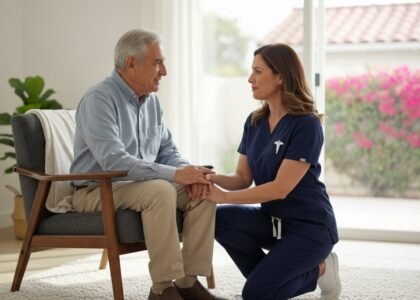
In‑home care lets patients be treated in a setting they trust, which can ease pain, anxiety, and the physical strain of travel. For people with limited mobility, cognitive challenges, or complex medical needs, home visits make regular, specialist-driven care achievable.
Because our clinicians treat patients where they live, they can tailor wound care to the patient’s environment and daily routine. That individualized attention strengthens communication, builds trust, and improves adherence to the plan we create together.
What Are the Advantages of Mobile Wound Care Over Traditional Clinic Visits?
Mobile wound care shortens wait times and reduces barriers to timely intervention. Specialists arrive with the supplies and expertise needed to act quickly — an important advantage when early adjustments speed recovery.
Mobile services also create continuity: patients often see the same clinicians consistently, which supports accurate tracking of progress and smarter decisions about next steps.
That steady relationship between patient and provider is especially valuable for complex or recurring wounds, where small changes in care can change outcomes.
Which Advanced Wound Care Treatments Does Healix360 Provide in Your Home?
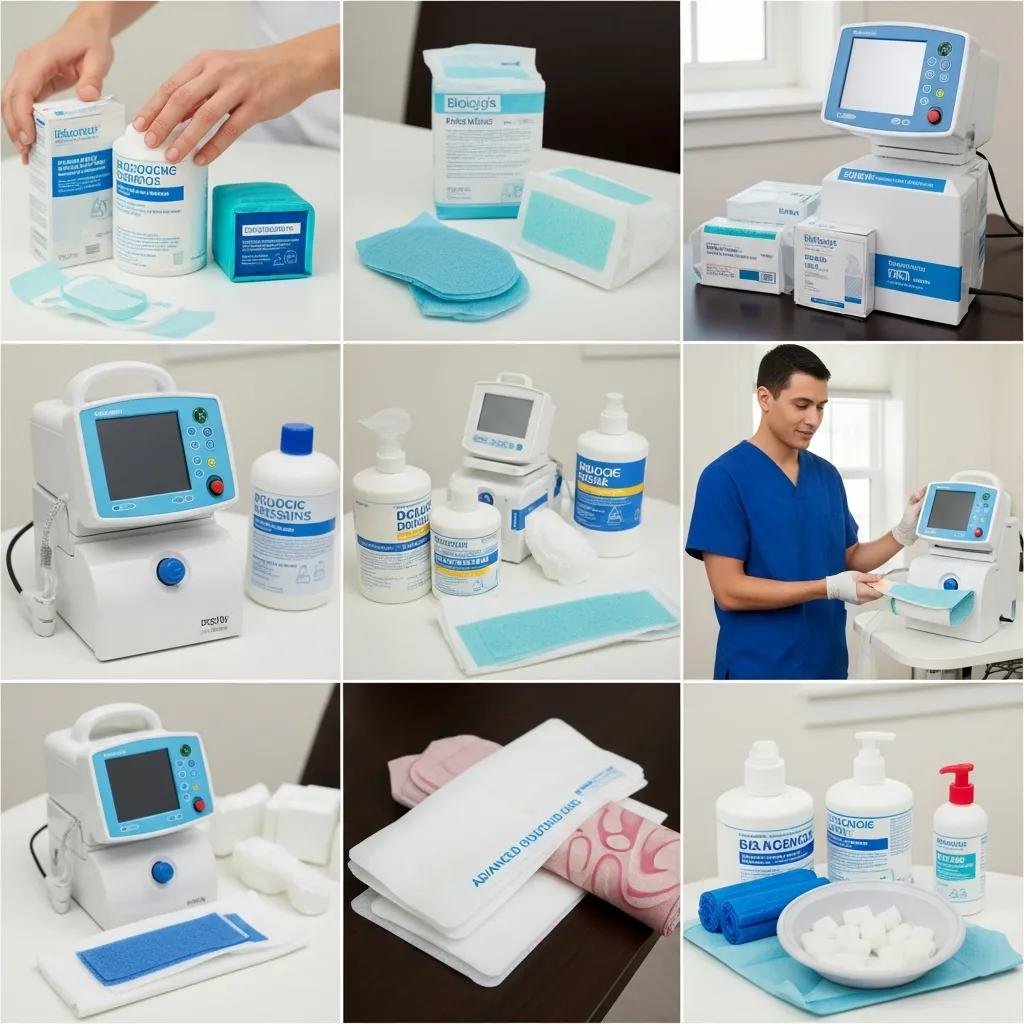
Healix360 delivers a full range of advanced wound therapies in the home. We combine regenerative approaches with practical, procedure-based care so patients get both the latest evidence-based options and reliable, hands-on treatment.
- Regenerative treatments: Biologic dressings and related therapies that support tissue repair and accelerate recovery.
- Debridement: Careful removal of nonviable tissue to reduce infection risk and prepare the wound for healing.
- Negative Pressure Wound Therapy (NPWT): A controlled-suction treatment that removes excess fluid, reduces swelling, and increases local blood flow to promote repair.
These therapies are selected and combined based on the wound type, the patient’s overall health, and real-time response to treatment.
How Does Regenerative Wound Healing with Stem Cells and Biologic Dressings Work?
Regenerative wound care uses biologic dressings — and, when appropriate and available, cell-based approaches — to create an environment that encourages the body to rebuild tissue. Stem cell–based treatments can support repair because of their ability to help form new cells; however, availability and clinical indications for stem cell therapies vary by setting.
Biologic dressings keep wounds moist, deliver growth factors, and protect the wound bed so healing cells can work more effectively. For chronic wounds that have stalled with standard care, these options can be an important next step.
What Role Does Negative Pressure Wound Therapy Play in Mobile Care?
Negative Pressure Wound Therapy (NPWT) helps wounds close faster by removing fluid and promoting circulation. When applied correctly, NPWT can reduce infection risk and support healthier tissue growth.
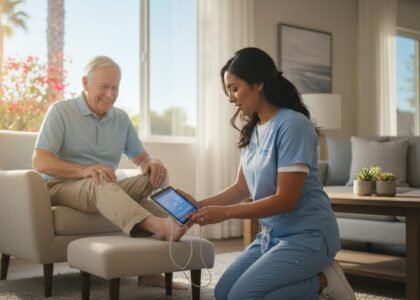
Delivering NPWT in a home setting lets patients receive continuous therapy without frequent clinic returns, which improves convenience and often yields better adherence to treatment protocols for complex wounds.
A growing body of research supports NPWT’s effectiveness for chronic wounds managed at home.
NPWT for Chronic Wounds in Home Care
Negative pressure wound therapy (NPWT) is increasing in both the inpatient and outpatient settings. This systematic review evaluates the evidence of NPWT for the treatment of chronic wounds in the home setting.
Negative pressure wound therapy technologies for chronic wound care in the home setting: a systematic review, 2015
What Chronic Wound Conditions Can Healix360 Effectively Treat at Home?
Healix360 treats a wide range of chronic wounds in the home, including diabetic foot ulcers, pressure (decubitus) ulcers, venous leg ulcers, and post‑surgical wounds. Each condition requires a tailored approach informed by the wound’s cause and the patient’s overall health.
- Diabetic foot ulcers: Specialized care to prevent infection and avoid complications that can threaten limb health.
- Pressure ulcers: Targeted strategies to relieve pressure, protect vulnerable skin, and support tissue recovery.
- Venous leg ulcers: Comprehensive plans that address poor circulation, often including compression therapy and monitoring.
- Post‑surgical wounds: Close follow-up and meticulous wound management to reduce infection risk and support proper healing.
How Are Diabetic Foot Ulcers and Pressure Ulcers Managed Through Mobile Care?
Treatment combines regular assessments, wound cleansing, and appropriate dressing changes with patient education and risk reduction strategies. For diabetic foot ulcers, we emphasize glucose control, footwear and foot care education, and close monitoring for infection. For pressure ulcers, we implement repositioning plans, pressure‑relieving surfaces, and dressings that protect and promote healing.
Recent studies show continuous home wound care can improve healing and self‑management for conditions like diabetic foot ulcers.
Benefits of Continuous Home Wound Care
The results showed that continuous home wound care on wound healing and self-management ability of patients with diabetic foot ulcers was significantly better than routine care.
Effectiveness of continuous home wound care on patients with diabetic foot ulcers, 2024
What Treatments Are Available for Venous Leg Ulcers and Post-Surgical Wounds?
Venous leg ulcers typically respond to compression therapy, wound care that reduces swelling, and interventions that address underlying venous insufficiency. Our clinicians teach correct compression techniques and monitor progress closely.
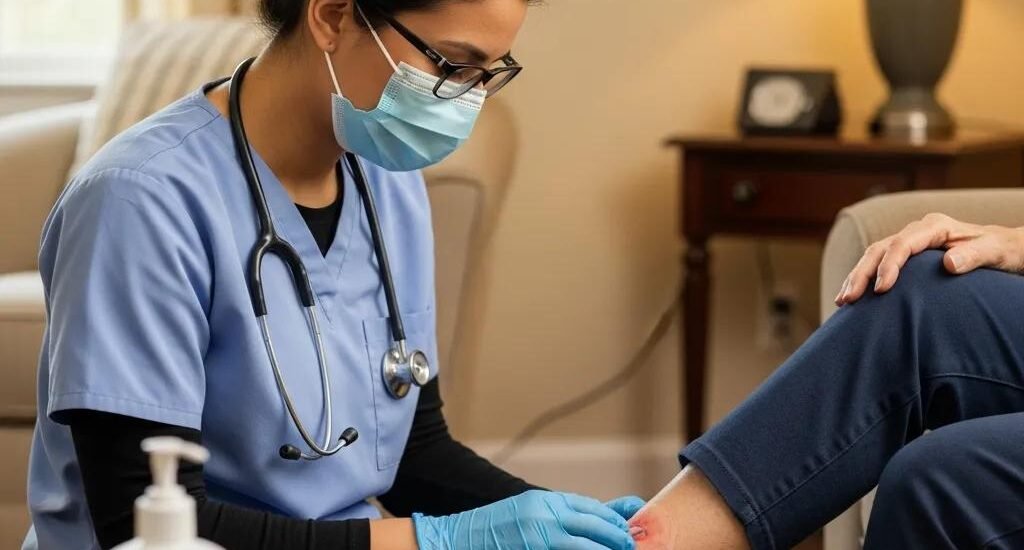
Post‑surgical wounds receive methodical care: frequent evaluations, cleanings, dressing changes, and surveillance for infection. Providing this follow-up at home reduces disruption to recovery while keeping care thorough and timely.
How Does Healix360 Personalize Your Wound Healing Journey from Initial Assessment to Recovery?
Personalization starts with a careful initial assessment. We evaluate the wound, review medical history, and consider factors like nutrition, circulation, and mobility so we can design a targeted treatment plan that fits the person — not just the wound.
- Initial assessment process: A clinician conducts a comprehensive evaluation on the first visit to determine wound type, severity, and any contributing health issues.
- Development of personalized treatment plans: From that assessment we build a clear, step‑by‑step treatment plan with measurable goals and scheduled follow‑ups.
What Is the Process for Scheduling and Receiving Your First Mobile Wound Care Visit?
Scheduling is simple: patients or caregivers can contact us to book an initial visit. A licensed clinician will come to the home, perform a full assessment, review medical history, and outline a personalized plan of care.
At that first visit you’ll learn what to expect from treatment, the planned schedule of follow-ups, and how we’ll measure progress together.
How Are Personalized Treatment Plans Developed and Monitored Over Time?
Treatment plans evolve as wounds respond. Regular home visits let our team monitor healing, document changes, and adjust therapies quickly — whether that means stepping up to regenerative options, starting NPWT, or changing dressings. This adaptive approach keeps care focused on real results.
Open communication between patient, caregiver, and clinician is central to sustaining progress and preventing setbacks.
Individualized plans matter because chronic wounds are complex and respond differently from one person to the next.
Personalized Chronic Wound Management
The complexity of chronic wounds makes personalized ulcer management challenging. A key component of personalized treatment of chronic wounds is individualized risk prediction.
Individualized risk prediction for improved chronic wound management, VM Veličković, 2023
How Does Healix360 Support Patients and Caregivers Throughout the Healing Process?
Healix360 supports both patients and their caregivers with clear education, practical resources, and ongoing guidance so everyone involved understands the care plan and how to help the wound heal.
- Resources for family members and caregivers: We provide easy-to-follow materials on wound care basics, nutrition, and daily routines that support healing.
- Guidance on treatment plans: Caregivers receive step‑by‑step instructions — from dressing changes to medication management — and what signs should prompt immediate contact.
What Resources and Guidance Are Available for Family Members Assisting Patients?
Family members receive plain‑language education on wound care techniques, diet and lifestyle recommendations that support recovery, and guidance on when to call the care team. We encourage questions and keep communication lines open so caregivers feel confident and supported.
Our goal is practical support that reduces anxiety and improves outcomes for the whole household.
How Does Medicare Part B Coverage Simplify Access to Advanced Wound Care Services?
Medicare Part B can ease the financial burden for eligible patients by covering certain home health and wound care services when they meet Medicare criteria and are ordered by a physician. That coverage often reduces out‑of‑pocket costs and makes advanced, in‑home wound therapies more accessible.
Our team helps patients and families understand coverage options and the necessary documentation so treatment can proceed without unnecessary delays.
| Treatment Type | Description | Benefits |
|---|---|---|
| Regenerative Treatments | Biologic dressings and advanced therapies that support tissue repair | Promotes tissue regeneration and can speed healing |
| Negative Pressure Wound Therapy | Controlled suction therapy applied to the wound bed | Removes excess fluid, reduces swelling, and improves blood flow |
| Debridement | Careful removal of dead or infected tissue | Prepares the wound for healing and lowers infection risk |
The table summarizes common advanced treatments we use in home care and the benefits patients can expect when these therapies are applied appropriately.
In short, Healix360 combines advanced treatments, consistent follow‑up, and a patient‑centered approach to deliver high‑quality wound care where it’s most convenient — at home.
Frequently Asked Questions
What types of healthcare professionals are involved in mobile wound care?
Mobile wound care is delivered by a multidisciplinary team that typically includes registered nurses, nurse practitioners, and certified wound care clinicians. Depending on the patient’s needs, the team may also work with dietitians, physical therapists, or the patient’s primary care provider to address contributing factors and support recovery.
How often should patients expect visits from mobile wound care specialists?
Visit frequency depends on wound severity and the treatment plan. Early in care, many patients are seen once or twice a week. As the wound improves, visits often become less frequent. We routinely reassess and adjust the schedule to match healing milestones.
Are there any specific preparations patients need to make before a mobile wound care visit?
Before a visit, please make the treatment area accessible and clear any obstacles. Have recent medical records or a list of medications available if possible, and tell us about any changes in pain, drainage, or other concerns. That information helps the clinician use visit time most effectively.
Can mobile wound care services accommodate patients with mobility challenges?
Absolutely. Mobile services are designed for people who have difficulty traveling due to mobility limitations, chronic illness, or other barriers. Our clinicians are trained to provide safe, effective care in the home environment.
What should patients do if they notice signs of infection in their wounds?
If you see increased redness, swelling, warmth, new or worsening pain, foul odor, or unusual discharge, contact your wound care provider right away. Early evaluation helps us treat infections promptly and prevent complications.
How does Healix360 ensure continuity of care for patients?
We assign a dedicated care team to each patient so the same clinicians provide ongoing visits whenever possible. Regular documentation, scheduled follow‑ups, and open lines of communication with patients and caregivers ensure consistent, coordinated care throughout the healing process.
Conclusion
Healix360’s mobile and regenerative wound care brings expert, personalized treatment to your home — reducing barriers, improving comfort, and helping wounds heal faster. With advanced options like biologic dressings and NPWT, plus a focus on continuity and caregiver support, we build plans that match each patient’s needs. To learn how we can help you or a loved one, schedule your first visit today.