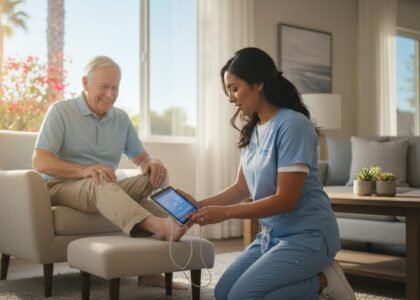

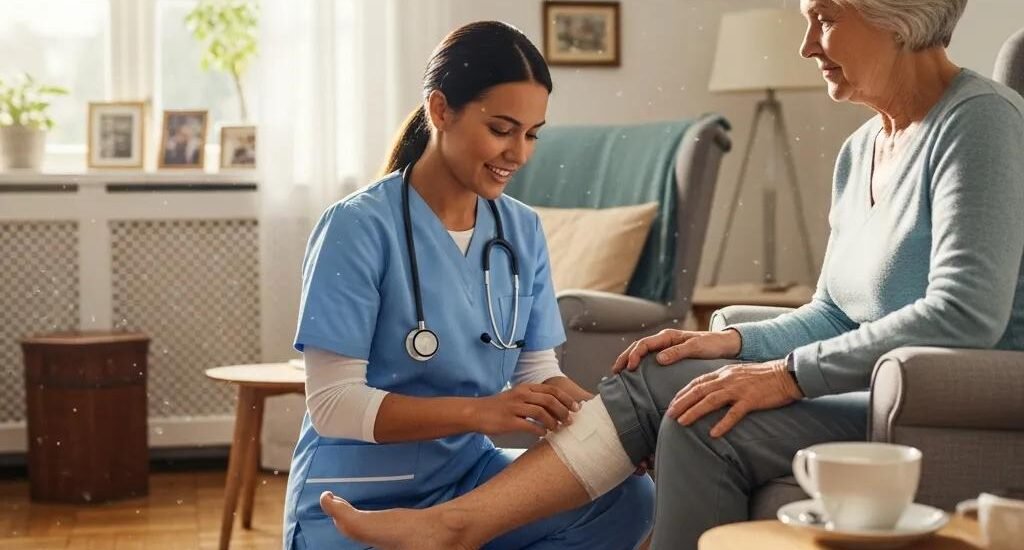
Speed Up Healing with Healix360 Mobile Wound Care
Mobile wound care brings specialist treatment into the places patients live. By delivering focused, evidence-based wound management at home, these services remove travel barriers, speed access to care, and make healing more practical for people and their families. Below we explain what mobile wound care looks like, who benefits, the types of wounds commonly treated, the advanced therapies available in the field, and how a patient progresses from assessment to recovery.
As chronic wounds become more common, care models that meet patients where they are—both physically and practically—are increasingly important.
Addressing Chronic Wound Care Challenges & Costs
In aging, industrialized populations, chronic wounds are rising and creating strains on patients and health systems. Frequent therapy visits, ongoing medical oversight, and the personnel and material costs tied to wound management can limit access to consistent, high-quality treatment. Those limitations affect quality of life and drive broader economic impacts, from hospital stays to transportation and home health expenses.
Patient-centered chronic wound care mobile apps: Systematic identification, analysis, and assessment, V Borst, 2024
Leading programs in this space—like
Healix360
—focus on delivering clinically rigorous, patient-centered wound care directly to homes and long-term care settings.
What Are Mobile Wound Care Services and How Do They Work?
Mobile wound care teams travel to patients’ homes or residential facilities to provide specialized wound assessment, treatment, and monitoring. The goal is to deliver timely interventions and reduce the need for clinic visits, while maintaining the same clinical standards patients would expect in a traditional setting.
Defining Mobile Wound Care and Its Scope
Mobile wound care covers assessment, dressing changes, debridement, infection control, and ongoing education for patients and caregivers. Teams manage both chronic and acute wounds—examples include diabetic foot ulcers, pressure injuries, and venous leg ulcers—using protocols and therapies tailored to each patient’s condition and living situation.
How Mobile Wound Care Improves Healing Outcomes
Evidence shows that home-based wound care can produce healing times and infection rates comparable to clinic-based care, often with improved patient adherence and satisfaction. Because care is personalized and delivered in a familiar setting, treatment plans are easier to follow and can be adjusted quickly when progress stalls.
What Are the Key Benefits of Mobile Wound Care for Patients and Caregivers?
Mobile wound care delivers practical benefits for both patients and those who support them: fewer trips to medical facilities, individualized care plans, and steady clinical oversight throughout the healing process.
Convenience and Accessibility of At-Home Wound Care
The convenience of at-home care matters for people with limited mobility, transportation challenges, or complex medical needs. Mobile visits reduce travel-related delays and allow flexible scheduling, so patients receive timely treatments that matter for preventing infection and promoting recovery.
Personalized Treatment Plans and Patient Support
Mobile wound clinicians build individualized plans based on a comprehensive assessment. Through regular visits and clear communication, teams help patients and caregivers understand wound care tasks, recognize warning signs, and stay on track with therapy—improving adherence and outcomes over time.
Which Chronic Wounds Are Effectively Treated by Mobile Wound Care Specialists?
Mobile wound care specialists are trained and equipped to manage a broad range of chronic wounds and complex presentations, bringing the right interventions to the patient’s environment.
Mobile Care for Diabetic Foot Ulcers and Non-Healing Wounds
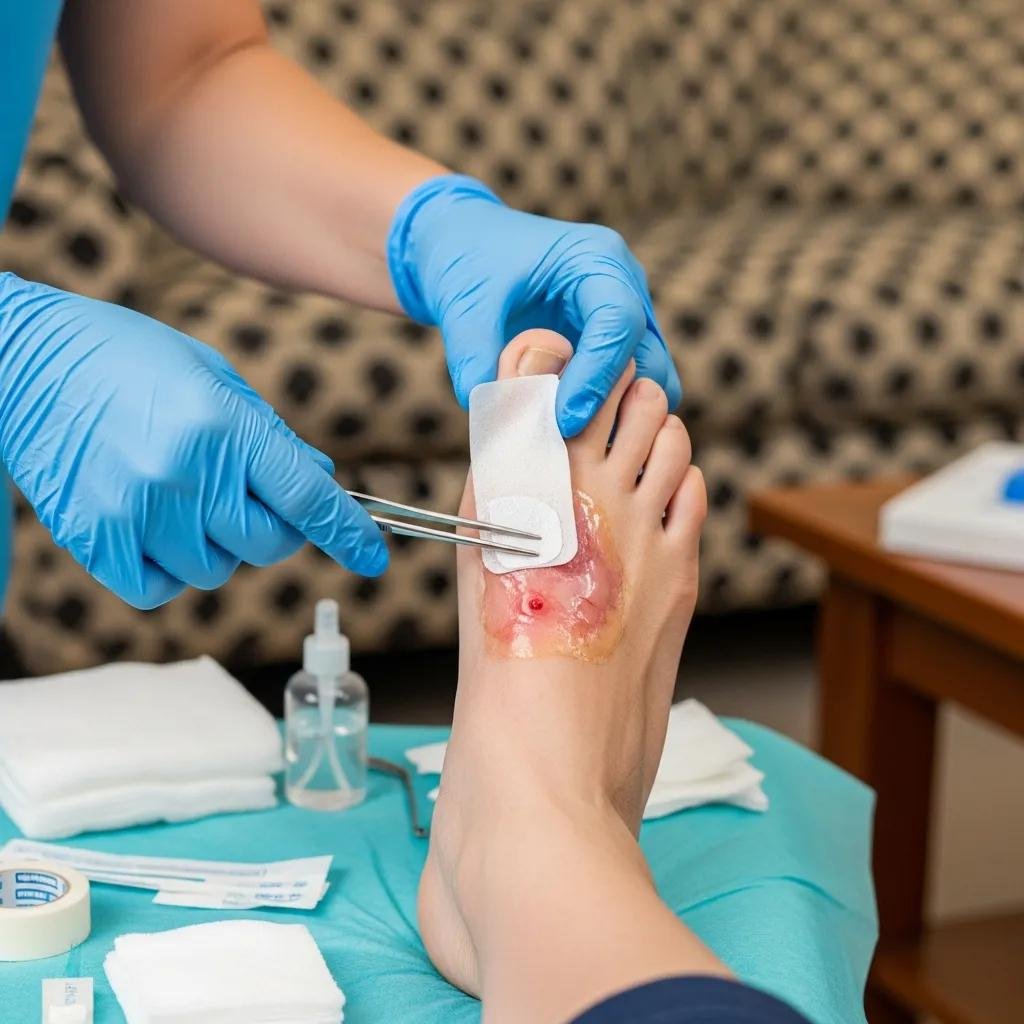
Diabetic foot ulcers require timely, specialized attention to prevent infection and limb loss. Mobile teams provide debridement, offloading strategies, and advanced dressings—interventions that can lower infection risk and reduce the chance of amputation when applied promptly and consistently.
Managing Pressure Ulcers and Venous Leg Ulcers at Home
Pressure injuries and venous leg ulcers benefit from regular assessment, dressing selection, and preventive measures like repositioning and compression where appropriate. Delivering this care at home reduces hospital visits and helps patients remain comfortable while healing progresses under clinical oversight.
What Advanced Treatments Enhance Healing in Mobile Wound Care?
Mobile wound care integrates established and emerging therapies—selected to fit the wound type, patient preferences, and care setting—to accelerate healing and reduce complications.
How Debridement and Biologic Dressings Support Regeneration
Removing nonviable tissue (debridement) is often essential to create a healthy wound bed. Mobile clinicians use sharp, enzymatic, or autolytic techniques as clinically indicated. Biologic dressings and advanced topical products—which may include growth factors or matrix components—can support tissue regeneration and help wounds progress toward closure.
Role of Negative Pressure Wound Therapy and Stem Cell Therapy at Home
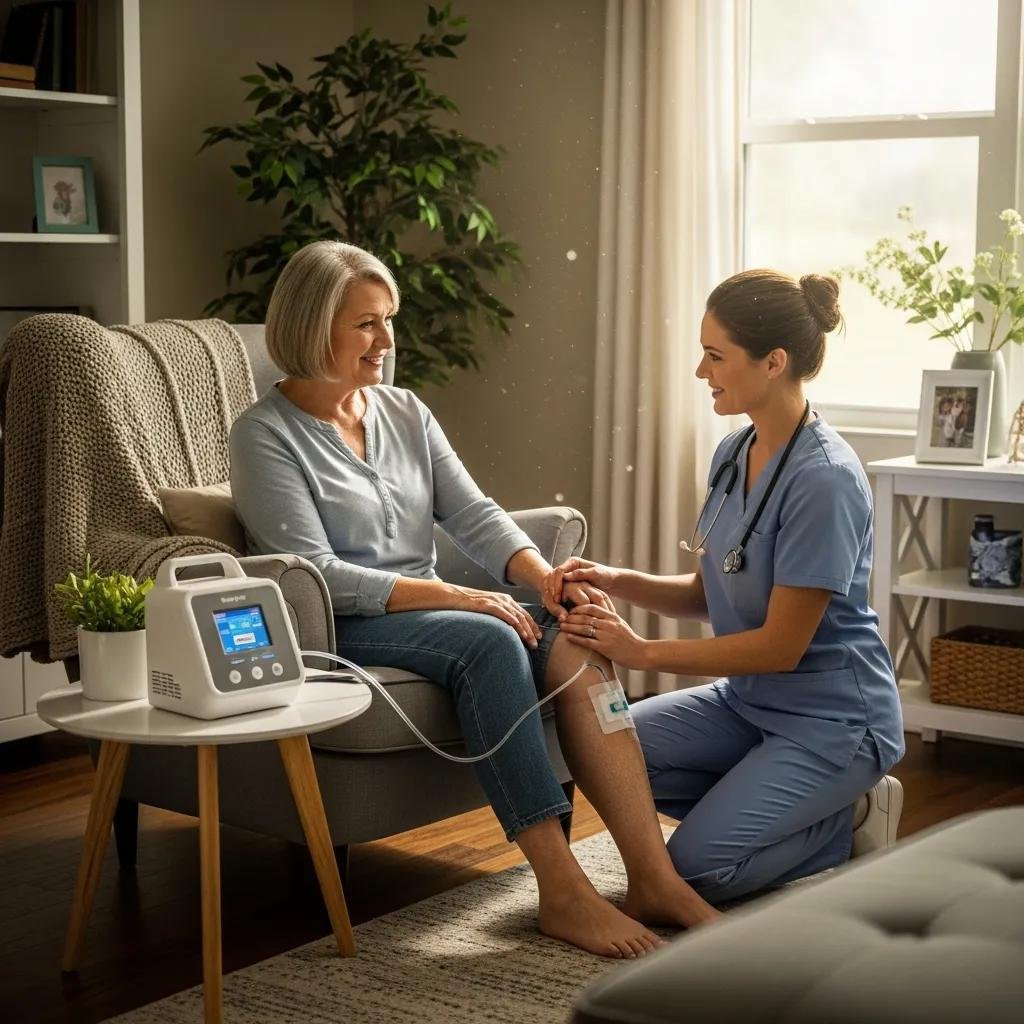
Negative pressure wound therapy (NPWT) is a proven modality that can be delivered in the home to remove excess fluid, encourage perfusion, and manage the wound environment. It has been associated with improved healing rates and lower complication risks for select wounds. Experimental approaches—such as stem cell–based treatments—are under study for their regenerative potential; these remain specialized and are not yet routine in most mobile programs.
Additional literature details NPWT mechanisms and its expanding clinical applications across wound types and settings.
Negative Pressure Wound Therapy (NPWT) for Advanced Healing
NPWT applies controlled negative pressure across a wound using a foam or gauze dressing, a semi-occlusive film, and a collection canister. Its benefits include tissue deformation that encourages closure, removal of inflammatory fluid, stabilization of the wound environment, and microscale mechanical stimulation. Complications are uncommon but may include bleeding, pain, fistula formation, or infection if not managed appropriately. New NPWT approaches—such as instillation therapy and adaptations for primarily closed incisions—have broadened the technique’s clinical utility for diabetic foot ulcers, pressure injuries, chronic wounds, and skin grafts.
Negative pressure wound therapy: mechanism of action and clinical applications, T Safran, 2021
What Does the Patient Journey Look Like in Mobile Wound Care Services?
The patient journey is structured to be clear and supportive: initial assessment, individualized plan, regular follow-up, and a measured transition as the wound heals.
Step-by-Step Mobile Wound Care Process from Assessment to Healing
Care typically starts with a comprehensive assessment—wound size, tissue quality, infection signs, vascular status, and relevant medical history. From that baseline, clinicians create a care plan with visit frequency, treatment modalities, and education for the patient and caregivers. Follow-up visits track progress, adjust treatments, and reinforce home care tasks until the wound reaches clinical closure or a stable maintenance state.
How Healix360 Supports Patients and Caregivers Throughout Treatment
Healix360’s mobile wound teams combine clinical expertise with practical support: clear communication, caregiver training, and coordination with primary physicians or specialists. That patient-first approach helps people feel informed and confident about daily care while ensuring clinicians can intervene promptly if the wound’s status changes. To learn more or request services,
Healix360
offers direct ways to connect and schedule an evaluation.
How Does Mobile Wound Care Address Common Patient Concerns?
Mobile wound care is designed to reduce common worries—pain, infection risk, limited mobility—and to prevent long-term complications through consistent, skilled management.
Pain Management and Infection Prevention in Home Wound Care
Clinicians prioritize comfort during dressing changes and select analgesia and techniques that minimize discomfort. Infection prevention is central: strict aseptic technique, patient education on warning signs, and prompt escalation to higher-level care when infection is suspected all help lower complication rates.
Managing Mobility Limits and Preventing Long-Term Complications
For patients with mobility challenges, mobile wound teams recommend practical supports—assistive devices, safe repositioning strategies, and tailored activity guidance—to protect skin and promote circulation. Early, consistent intervention reduces the risk of secondary problems and improves the patient’s overall quality of life.
| Treatment Type | Description | Benefits |
|---|---|---|
| Debridement | Removal of nonviable tissue to prepare the wound bed | Lowers infection risk and helps healing proceed |
| Negative Pressure Therapy | Controlled suction to manage fluid and stimulate tissue | Speeds healing and reduces complications in selected wounds |
| Biologic Dressings | Advanced dressings that support tissue regeneration | Encourages repair and improves wound environment |
This table summarizes common advanced treatments used in mobile wound care and the targeted benefits they provide.
Mobile wound care has become a viable, patient-centered option for people with chronic or complex wounds. By combining timely access, individualized plans, and appropriate advanced therapies, mobile programs help patients heal where they live—reducing disruption while maintaining clinical quality.
Frequently Asked Questions
What qualifications do mobile wound care specialists have?
Mobile wound clinicians typically hold advanced nursing or medical credentials and often carry additional wound care certifications. They receive targeted training in wound assessment, debridement, advanced dressing selection, and infection control. Ongoing professional education keeps teams current with best practices and new therapies.
How often should patients expect visits from mobile wound care providers?
Visit frequency depends on wound severity and treatment goals. Early in care, visits may occur once or twice weekly for close monitoring and interventions. As the wound improves, visits are spaced further apart. The care team will set and adjust the schedule based on clinical progress.
Are mobile wound care services covered by insurance?
Coverage varies by plan and region. Many private insurers and government programs—such as Medicare and Medicaid in the U.S.—may reimburse mobile wound care when it meets medical necessity criteria. Patients should verify benefits with their insurer; some providers also offer payment options or financial counseling.
What types of technology are used in mobile wound care?
Mobile wound care uses telehealth for virtual follow-ups, secure apps for wound tracking and photo documentation, and portable devices such as NPWT units. These tools support timely decisions and better coordination with primary teams while documenting healing over time.
How do mobile wound care services ensure patient safety?
Safety is built into every visit: strict infection-control protocols, sterile technique, proper disposal of clinical waste, clinician training, and clear escalation pathways for complications. Patient and caregiver education reinforces safe home practices and early recognition of problems.
Can mobile wound care services be used for post-surgical wound management?
Yes. Mobile teams can manage many post-operative wounds—performing dressing changes, monitoring for infection, and coordinating with surgical teams as needed. This approach supports recovery at home while ensuring professional oversight during the critical early stages after surgery.
Conclusion
Mobile wound care delivers focused, clinically driven treatments where patients live. By combining convenience with evidence-based therapies and strong patient education, mobile programs improve access to care and support better outcomes for people with chronic and complex wounds. To explore whether mobile wound care is right for you or a loved one, visit our services or contact Healix360 to arrange an evaluation.