

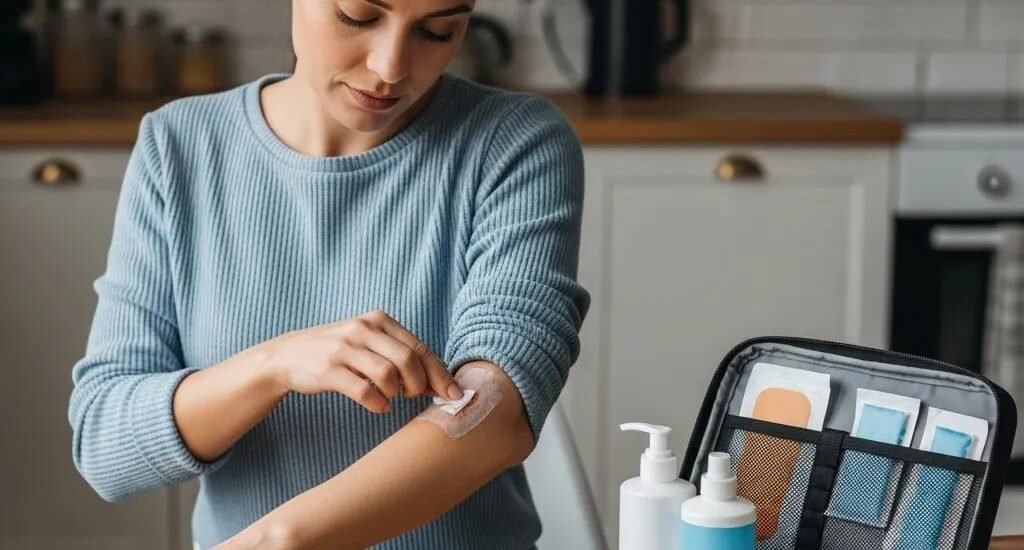
Home Wound Care Between Visits: Practical Steps and Expert Guidance
Caring for a wound at home matters — it supports healing and lowers the risk of complications while you wait for your next medical visit. This guide lays out clear, evidence-informed steps you can follow: the common chronic wound types, how to change dressings safely, what signs to watch for, and how nutrition affects recovery. We also explain how Healix360’s mobile wound-care services can complement your home routine, bringing advanced treatments to your doorstep. Read on for practical, trustworthy advice you can act on today.
Knowing what patients understand about home wound care and how mobile health tools fit into that picture helps clinicians and caregivers support better outcomes.
Home Wound Care Knowledge and mHealth Use
Background: Wounds are a common health issue, and improper treatment at home can harm recovery. Little is known about people’s wound-care knowledge, attitudes, and practices — or how they use mobile health (mHealth) tools — in the home setting in Taiwan. Objective: This cross-sectional study surveyed social network users to measure wound-care knowledge, attitudes, practices, and mHealth technology use in the home environment.
Wound care knowledge, attitudes, and practices and mobile health technology use in the home environment:
Cross-sectional survey of social network users, CY Guo, 2020
Common Chronic Wounds and What They Mean for Home Care
Chronic wounds are wounds that don’t show expected healing over about 4 weeks and can reduce quality of life. They often need specialized, consistent care. The most common types you’ll see at home are diabetic foot ulcers, pressure (or pressure-related) ulcers, and venous leg ulcers. Each requires targeted actions at home to support healing and avoid complications.
Diabetic Wounds: What to Watch and Do at Home

Diabetic foot wounds need careful attention because diabetes can reduce circulation and sensation. Keeping blood glucose in range is fundamental to healing. Inspect the affected area daily for any change in size, color, drainage, or pain. Use dressings that support a moist healing environment — for example, hydrocolloid or foam dressings when appropriate — and follow your clinician’s recommendations for footwear and pressure relief.
Pressure Ulcers: Home Management Between Visits
Pressure ulcers (bedsores) develop when sustained pressure reduces blood flow to skin and underlying tissues. At home, preventing further pressure is key: reposition regularly, keep skin clean and dry, and use pressure-relieving cushions or mattresses as advised. Early signs include persistent redness, warmth, or tenderness — addressing these quickly helps stop progression. Maintain gentle wound care and appropriate dressings as directed by your care team.
How to Change a Wound Dressing Safely at Home
Safe dressing changes reduce infection risk and support healing. A consistent, methodical routine makes the process easier and more effective.
Step-by-Step: Clean and Dress a Wound
- Wash your hands: Clean hands with soap and water before you begin to lower contamination risk.
- Gather supplies: Have sterile dressings, saline, gloves, tape, and a clean surface ready before you start.
- Remove the old dressing: Peel it off gently, watching for any new discharge or changes in the wound.
- Clean the wound: Rinse with saline to remove debris; pat dry the surrounding skin—avoid harsh scrubbing.
- Apply the new dressing: Use the dressing your clinician recommends and secure it comfortably — not too tight.
- Dispose and clean up: Seal used materials, discard safely, and wash hands again when you finish.
Essential Supplies for Home Wound Care
Keep a basic wound-care kit on hand so you can respond promptly:
- Sterile dressings: Gauze, hydrocolloid, or foam — chosen based on wound type and clinician advice.
- Saline solution: For gentle irrigation and to keep the wound environment optimal.
- Antiseptic wipes: For cleaning the skin around the wound before dressing changes.
- Disposable gloves: To reduce contamination during care.
- Scissors: Dedicated, clean scissors for trimming dressings to fit.
Infection: What to Watch for During Home Care
Early recognition of infection helps you get timely treatment. Regular checks and prompt action are crucial.
Early Signs of Infection You Can Spot at Home
- Increasing redness or swelling: Especially if it spreads beyond the wound edge.
- Foul-smelling or unusual drainage: New odor or thick, discolored exudate can signal bacteria.
- Worsening pain or tenderness: A sudden or progressive increase in pain around the site.
When to Contact a Clinician
Reach out to your healthcare provider if you notice any of the following:
- Systemic signs: Fever, chills, or feeling unwell alongside wound changes.
- Wound deterioration: Enlargement, increased pain, blackened tissue, or rapid spreading redness.
- Concerning symptoms: Confusion, fast heart rate, or other signs that suggest a more serious infection.
Nutrition and Lifestyle: Supporting Chronic Wound Healing at Home

Wound healing is a whole-body process. Good nutrition and healthy habits give your body the resources it needs to repair tissue and fight infection.
Key Nutrients for Healing
- Protein: Builds new tissue — include lean meats, dairy, beans, or supplements if recommended.
- Vitamins A and C: Help with collagen formation and immune support — get these from fruits, vegetables, and fortified foods.
- Zinc: Supports cell division and immune response — ask your clinician before supplementing.
- Hydration: Adequate fluids maintain skin turgor and transport nutrients to the wound site.
Lifestyle Changes That Reduce Risk
Simple changes can speed recovery and lower complications:
- Quit smoking: Smoking reduces blood flow and delays healing.
- Stay active: Safe, regular movement improves circulation and overall health.
- Manage blood sugar: For people with diabetes, keeping glucose stable is essential to prevent wound complications.
Healix360’s Mobile Wound Care Between Visits
Healix360’s mobile wound-care team brings advanced, evidence-based treatments to your home so clinical care continues without repeated clinic visits. Our services are designed to complement your daily care routine and advance healing with proven therapies.
How We Deliver Regenerative Treatments at Home
We take a patient-centered approach: our clinicians provide biologic dressings, professional debridement when needed, and negative pressure wound therapy (NPWT) where appropriate. You can schedule an appointment that fits your needs — we work with you and your care team to personalize treatment and reduce the burden of travel while maintaining clinical rigor and safety.
Clinical research supports home-based NPWT and other advanced therapies as safe and effective options for selected chronic wounds.
Safety and Efficacy of Home-Based NPWT for Chronic Wounds
Objective: To assess the safety and effectiveness of home-based negative pressure wound therapy (NPWT) for chronic wounds and to support its use in home settings. Methods: This non-randomized controlled study enrolled 128 patients with chronic wounds from January 2015 to December 2018. Patients chose their care pathway and were split into a control group (n=62) and an intervention group (n=66) that received a 14-day NPWT course either in clinic or in the home, followed by a 3-month standardized moist wound-healing follow-up.
Safety and efficacy of home-based negative pressure wound therapy for chronic wounds, 2020
Benefits of Mobile Wound Care for Patients and Caregivers
Mobile wound care delivers clear advantages:
- Convenience: Treatment at home reduces travel and stress for patients.
- Specialized care where you are: Skilled clinicians bring evidence-based therapies and clinical oversight to the home setting.
- Caregiver support: Families receive coaching and practical guidance to help maintain consistent, safe care between visits.
| Wound Type | Special Considerations | Recommended Care |
|---|---|---|
| Diabetic Foot Ulcers | Monitor blood glucose and protect the foot | Appropriate dressings, daily inspection, and pressure off-loading |
| Pressure Ulcers | Reduce prolonged pressure | Repositioning, skin hygiene, and pressure-relieving devices |
| Venous Leg Ulcers | Manage swelling and venous insufficiency | Leg elevation, compression therapy, and suitable dressings |
Frequently Asked Questions
What should I do if my wound is not healing properly at home?
First, review your care routine: are dressings changed per instructions, and is the wound kept clean? Check for signs of infection or other changes. If healing stalls, or you notice increased redness, swelling, pain, or new discharge, contact your healthcare provider. They may adjust the treatment plan or recommend additional testing to find and address underlying issues.
How often should I change the dressing on my wound?
Dressing frequency depends on the wound and the type of dressing used. Many dressings are changed daily or when they become wet or soiled. Some advanced dressings can remain longer. Follow your clinician’s plan — if you’re unsure, call for guidance before changing the schedule.
Can I use over-the-counter products for wound care?
Some OTC products can help, but not every product is appropriate for every wound. Antiseptic ointments and specialized dressings may be useful for minor wounds, but chronic or complex wounds need clinician-approved products. Check with your care team before trying a new product to avoid delaying healing.
What role does hydration play in wound healing?
Hydration supports overall tissue health and nutrient delivery to the wound. Staying well-hydrated helps skin stay supple and aids healing processes. Aim for regular fluid intake tailored to your health status and activity level, and ask your clinician if you need a specific target.
How can I support a caregiver in managing my wound care?
Clear communication is key. Share your care plan and any clinician instructions, demonstrate dressing changes, and review warning signs together. Encourage caregivers to attend training or ask our team questions. A calm, organized approach — with praise and practical support — makes care more effective and sustainable.
What should I do if I notice a foul smell coming from my wound?
A persistent bad odor can indicate infection or dead tissue. Clean the wound using the correct technique and change the dressing. If the smell continues or you see increased redness, swelling, or pain, contact your healthcare provider promptly for further evaluation and treatment.
Conclusion
Thoughtful home wound care speeds recovery and reduces complications. By recognizing wound types, using safe dressing techniques, watching for infection, and supporting your body with good nutrition and habits, you can play an active role in healing. When more advanced care is needed, Healix360’s mobile services bring specialized treatments and clinical oversight to your home — helping you move forward with confidence. For more resources and support, visit our site or contact our team.