


Practical, Evidence-Based Steps to Prevent Chronic Wound Infections
Chronic wound infections increase pain, slow recovery, and raise healthcare costs. This guide lays out clear, practical strategies to reduce those risks—starting with how chronic wounds form, how to spot trouble early, and what to do at home. We also explain how advanced mobile wound care supports prevention and how patients and caregivers can keep healing on track. Our goal: give you actionable steps rooted in clinical best practices so infections are less likely and healing is faster.
What Are Chronic Wound Infections and Why Do They Occur?
Chronic wound infections happen when a wound doesn’t move through normal healing phases and bacteria take hold. Often there are underlying contributors—poor circulation, diabetes, repeated pressure, or tissue that no longer receives the oxygen and nutrients it needs. Knowing what drives these infections helps you prevent and manage them more effectively.
What Defines a Chronic Wound and Its Infection Risks?
Clinically, a wound is often called chronic when it fails to show expected healing within four weeks to three months, depending on the case. These wounds carry higher infection risk because reduced blood flow and dead tissue let bacteria multiply. Common examples include diabetic foot ulcers and pressure injuries—both can lead to serious complications without timely, appropriate care.
Which Risk Factors Increase Chronic Wound Infection Likelihood?
- Diabetes: Elevated blood glucose impairs immune response and healing.
- Poor Circulation: Peripheral artery disease and venous insufficiency limit nutrients and oxygen to the wound.
- Obesity: Excess pressure and reduced mobility can delay repair.
- Age: Older adults often heal more slowly and have weaker immune defenses.
Identifying these risks early lets patients and care teams tailor prevention and monitoring plans.
What Are the Early Signs and Symptoms of Chronic Wound Infection?
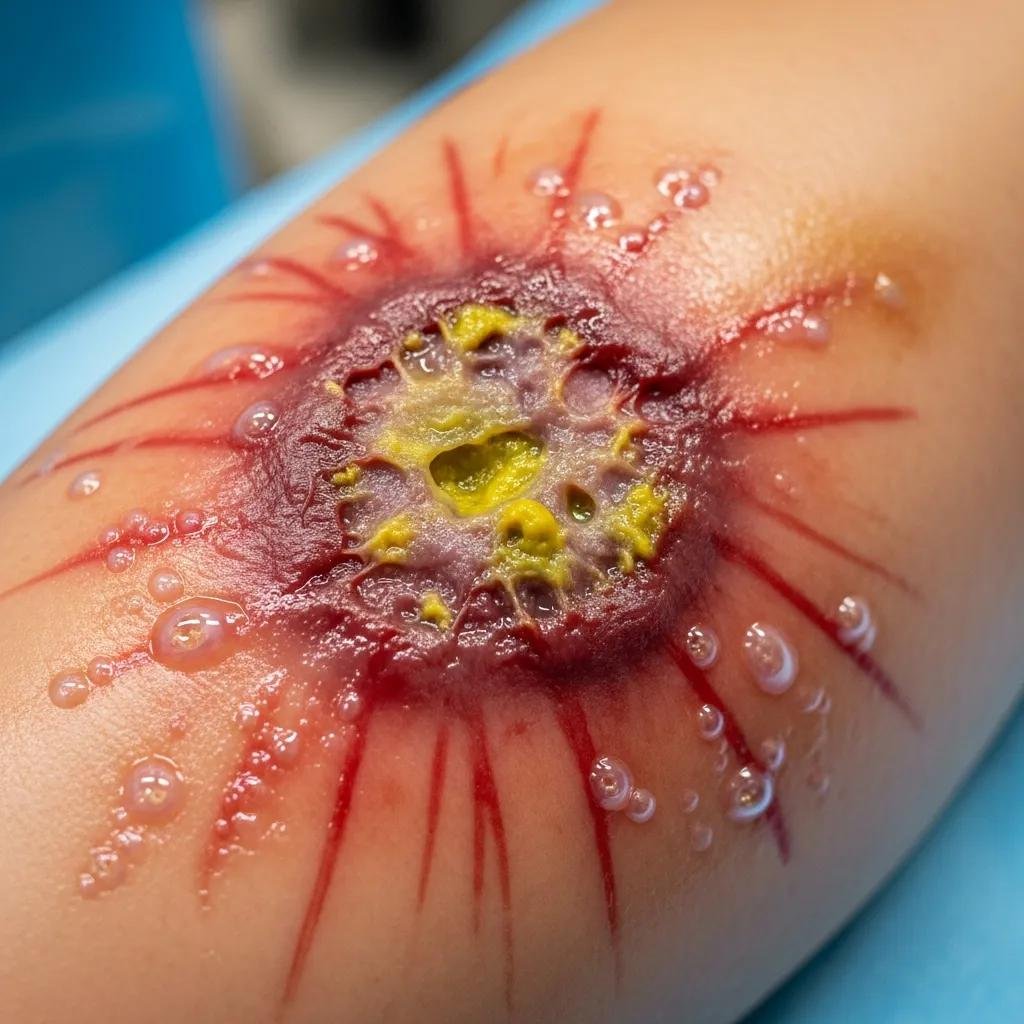
How Can You Recognize Visual and Systemic Infection Indicators?
Look for local changes—more redness, increasing swelling, warmth, new or worsening pain, and thick or foul-smelling drainage. Systemic signs include fever, chills, or feeling generally unwell. Noticing these early helps trigger faster treatment and better outcomes.
When Should You Seek Professional Medical Help?
Contact a clinician promptly if you see any of the following:
- Increased Pain: New or worsening pain at the wound site.
- Foul Odor: Persistent unpleasant smell from the wound.
- Persistent Redness: Redness spreading beyond the wound edge.
- Systemic Symptoms: Fever, chills, dizziness, or other signs of illness.
Rapid assessment and treatment can prevent escalation and protect overall health.
How Can You Prevent Chronic Wound Infections at Home?
What Are Proper Wound Hygiene and Cleansing Techniques?
Good wound care at home reduces infection risk. Core practices include:
- Washing Hands: Clean hands before and after any wound contact.
- Cleansing the Wound: Use sterile saline or clean water to rinse away debris—avoid harsh antiseptics unless directed by a clinician.
- Applying Dressings: Cover the wound with appropriate sterile dressings and replace them on the schedule your care team recommends.
Clinical evidence supports consistent, careful wound hygiene as a foundation for preventing and managing chronic wound infections.
Key Strategies for Chronic Wound Infection Management
This review highlights practical steps to avoid and emphasizes that preparing the wound bed properly and using antisepsis when appropriate are central to preventing and treating chronic wound infections.
Challenges in the management of chronic wound infections, M Falcone, 2021
Which Dressings and Antimicrobial Products Help Prevent Infection?
Selecting the right dressing and antimicrobial product supports healing and lowers infection risk. Common, effective options include:
| Dressing Type | Description | Effectiveness |
|---|---|---|
| Hydrocolloid Dressings | Maintain a moist, protected healing environment | High |
| Antimicrobial Dressings | Contain agents like silver or iodine to reduce bacterial load | Very High |
| Foam Dressings | Absorb excess exudate while cushioning the wound | Moderate |
Use each product according to wound type and clinical guidance to maximize benefit.
How Does Advanced Mobile Wound Care Enhance Infection Prevention?
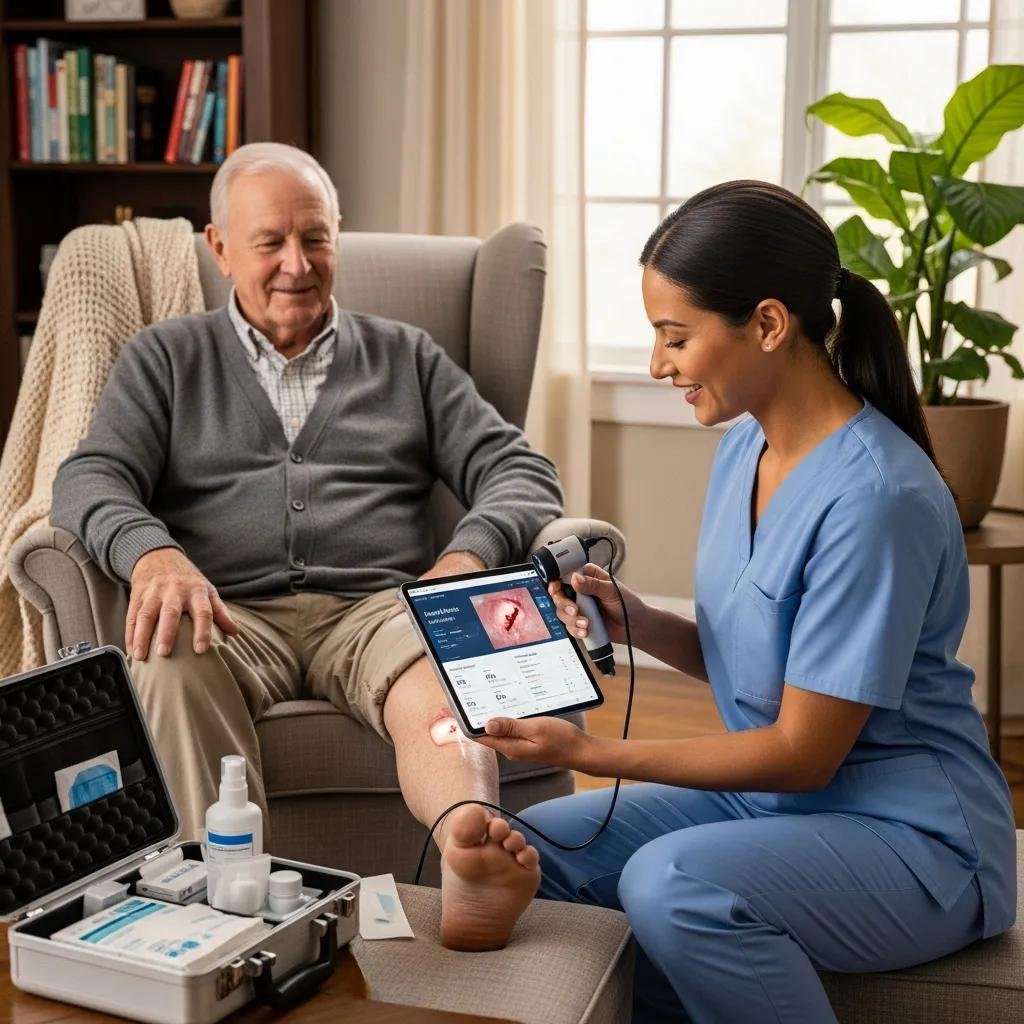
What Role Does Debridement Play in Removing Infection Sources?
Debridement removes dead, damaged, or infected tissue so healthy tissue can regenerate. It lowers bacterial burden and improves the effectiveness of dressings and topical therapies—making it a cornerstone of infection control when clinically indicated.
How Do Regenerative Therapies Accelerate Healing and Reduce Infection?
Regenerative approaches—like biologic dressings and cell-based therapies—support tissue repair and can shorten healing time. By restoring healthier tissue architecture, these therapies can reduce the window of vulnerability to infection when used appropriately.
Ongoing research is expanding regenerative options that may improve outcomes for chronic wounds and lower complication rates.
Advanced Strategies for Chronic Wound Healing & Infection Prevention
Chronic wounds present a costly global challenge; newer therapies aim to speed healing and prevent complications such as infection and amputation. Regenerative medicine—using matrices, cells, growth factors, and bioactive dressings—offers promising tools to enhance repair and reduce infection risk.
Current advances in wound healing and regenerative medicine, M Moradi, 2024
What Are the Benefits of Negative Pressure Wound Therapy for Infection Control?
Negative pressure wound therapy (NPWT) applies controlled suction to the wound bed. Benefits relevant to infection control include:
- Reduced Swelling: Lowers edema that can impede healing.
- Enhanced Blood Flow: Encourages perfusion to the tissue.
- Faster Healing: Can shorten time to closure in appropriate cases.
When used by trained clinicians, NPWT is a valuable component of comprehensive infection prevention.
How Can Patients and Caregivers Support Long-Term Infection Prevention?
What Practical Tips Help Caregivers Prevent Wound Infections?
Caregivers play a vital role. Practical, high-impact actions include:
- Regular Monitoring: Inspect the wound daily for any changes.
- Education: Learn recommended wound care steps and follow care plans closely.
- Healthy Lifestyle: Support a nutritious diet and mobility as advised to boost healing.
These measures, combined with timely clinical communication, improve patient outcomes.
Studies show gaps in caregiver knowledge can limit effective home wound care—education and support are essential.
Improving Home Wound Care Knowledge for Infection Prevention
Inadequate or inappropriate wound treatment threatens health and drives costs. Many caregivers lack full familiarity with proper wound care guidelines, which undermines infection prevention efforts in the home setting.
Wound care knowledge, attitudes, and practices and mobile health technology use in the home environment:
Cross-sectional survey of social network users, CY Guo, 2020
How Does Mobile Wound Care Provide Convenience and Consistent Monitoring?
Services like those from Healix360 Advanced Mobile Wound Care Specialists bring experienced clinicians to the home. That means professional assessments, timely dressing changes, and ongoing monitoring without travel—reducing the chance that small problems become serious infections.
Frequently Asked Questions
What are the common types of chronic wounds?
The most common chronic wounds are diabetic foot ulcers, pressure ulcers (bedsores), venous leg ulcers, and arterial ulcers. Diabetic foot ulcers arise from neuropathy and poor circulation; pressure ulcers result from prolonged pressure, often in immobile patients; venous ulcers come from impaired venous return; and arterial ulcers stem from poor arterial blood flow. Knowing the type helps guide treatment and prevention.
How can nutrition impact chronic wound healing?
Nutrition is essential for repair. Adequate protein, vitamin A and C, and minerals like zinc support collagen synthesis and immune function. Protein supports new tissue formation; vitamins and minerals help cellular repair. Malnutrition slows healing and raises infection risk, so diet is a key part of any care plan.
What lifestyle changes can aid in preventing chronic wound infections?
Healthy habits help wounds heal and reduce infection risk. Maintain a healthy weight, manage chronic conditions (especially diabetes), quit smoking, stay active as appropriate, and stay hydrated. These steps improve circulation and resilience, making wounds more likely to heal well.
What is the role of patient education in chronic wound care?
Education empowers patients to notice warning signs, follow care instructions, and maintain protective behaviors. When patients understand hygiene, dressing schedules, and when to call for help, outcomes improve. Clear communication between clinicians, patients, and caregivers is critical.
How can technology assist in chronic wound management?
Technology enhances access and tracking. Telehealth connects patients with clinicians remotely for advice and follow-up; apps can track wound progress and reminders; and smart dressings can alert providers to moisture or infection signals. These tools support timely care and better engagement.
What are the psychological impacts of living with chronic wounds?
Chronic wounds often carry emotional burdens—anxiety, depression, and social withdrawal are common. Pain, appearance, and activity limits can affect self-esteem. Addressing mental health with counseling, peer support, and compassionate care is an important part of comprehensive wound management.
Conclusion
Preventing chronic wound infections depends on recognizing risk factors, watching for early signs, and following consistent, evidence-based care at home and with clinicians. Advanced mobile wound care adds convenient, specialist support that keeps healing on track. If you or a loved one is managing a chronic wound, reach out to your care team—or explore our resources—to get personalized guidance and timely care.