
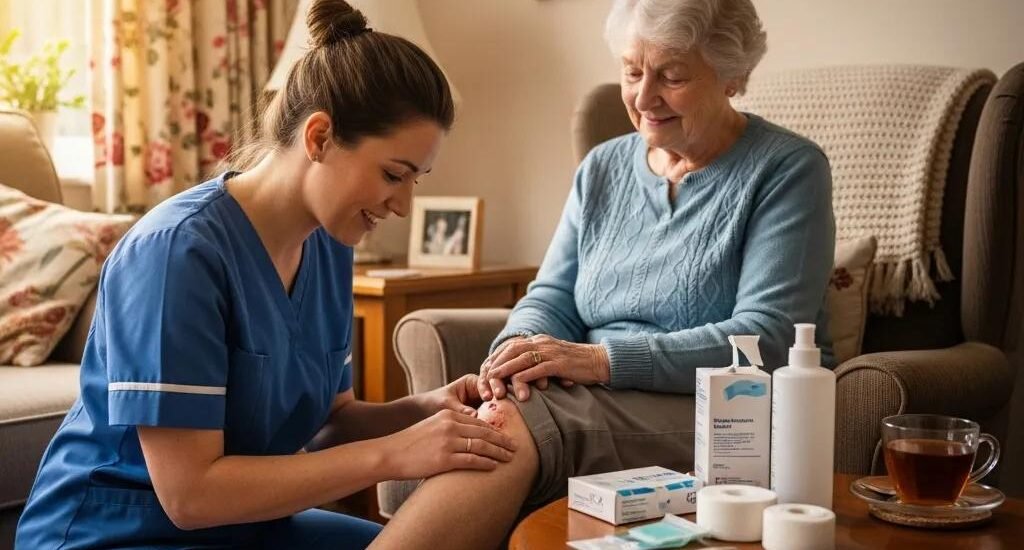
Moving from Hospital to Home: Your Complete Guide to Mobile Wound Care
Leaving the hospital with a wound to manage can feel overwhelming. This guide walks you through what to expect and how to manage wound care at home using mobile services. You’ll learn why mobile wound care helps, the practical steps for a safe transition, and how to prepare your home so healing stays on track.
After discharge many patients face mobility limits, infection risk, and the need for specialized follow-up. Mobile wound care brings
expert care
directly to your home so treatment is safer and easier to follow. Below we cover the benefits, common wound types, advanced options, and how families can support recovery.
Why Choose Mobile Wound Care After Hospital Discharge?
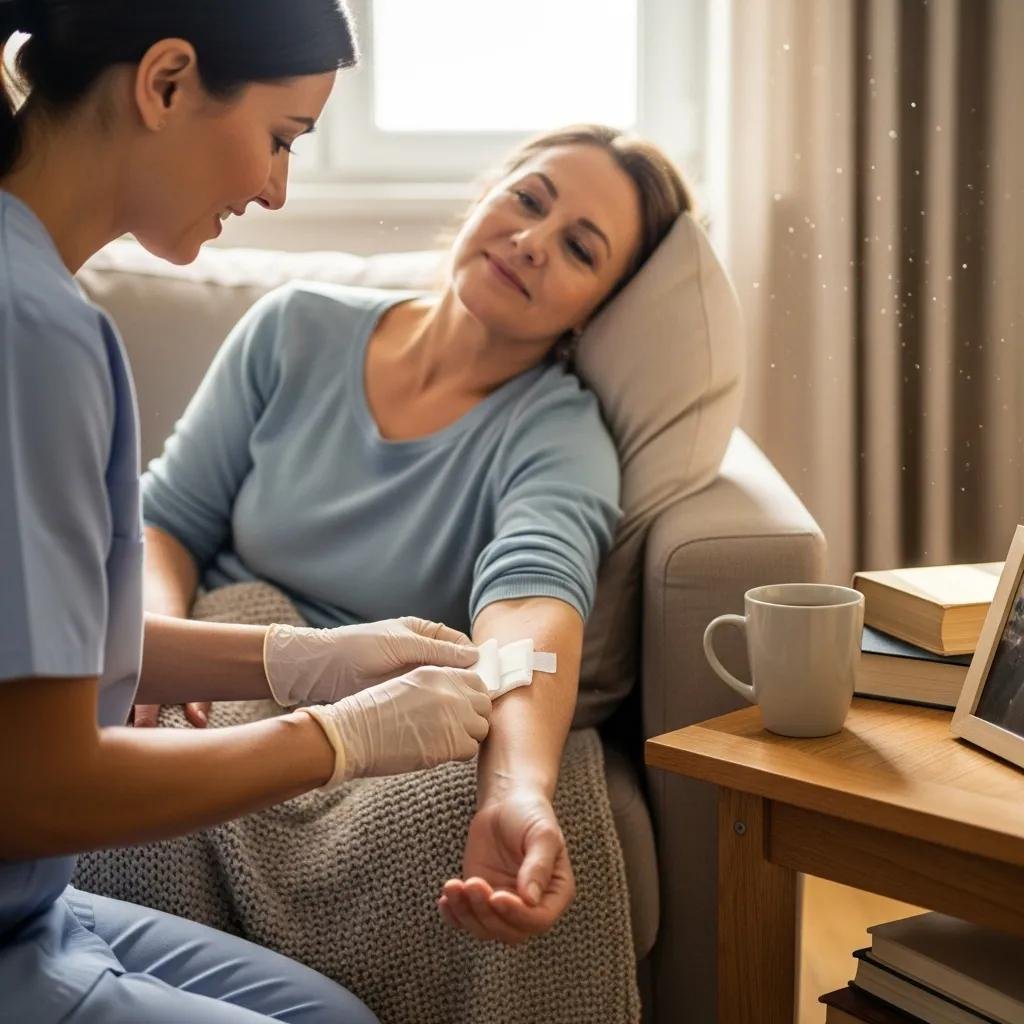
Mobile wound care offers practical, clinical, and emotional benefits that support faster, safer recovery.
- Care Where You Are
: Professional wound care arrives at your home so you avoid travel, reduce stress, and conserve energy. - Fewer Readmissions
: Data shows coordinated home-based wound care can lower hospital readmissions by catching complications early. - Better Comfort and Confidence
: Receiving care in a familiar setting improves morale and makes it easier for family to participate in recovery.
Those advantages make mobile wound care a powerful option for many patients after discharge.
How does mobile wound care speed healing and reduce readmissions?
Mobile teams deliver timely, condition-specific treatments and close monitoring that keep small problems from becoming emergencies. Studies suggest patients who receive home-based wound care often heal faster and return to the hospital less frequently because clinicians can intervene quickly and adjust treatment as needed.
Why do convenience and comfort matter for healing?
Comfort and routine matter. When care fits into daily life, patients follow treatment plans more consistently. A familiar environment reduces stress and lets family members support care—both of which improve adherence and recovery.
The Step-by-Step Process: Hospital to Home Wound Care
Moving from hospital care to home-based wound care follows a few coordinated steps to keep your recovery steady and safe.
- Discharge Planning
: Hospital teams and mobile wound care providers coordinate the handoff so care continues without gaps. - Initial Assessment
: On the first home visit, a specialist evaluates the wound, reviews medications, and creates a personalized plan. - Follow-Up Schedule
: Regular visits are scheduled to track healing, change dressings, and update the plan as you improve.
This clear, stepwise approach keeps care consistent and responsive as you recover at home.
How is discharge planning coordinated for mobile wound care?
Discharge planning is a team effort between hospital staff, the patient, family caregivers, and mobile providers. The hospital typically documents the wound status, medication needs, and any equipment required, then connects you with a mobile wound care service before you leave. Good communication and shared documentation make the transition smoother and reduce the chance of missed instructions.
Thoughtful discharge planning helps ensure patients leave the hospital with clear next steps and continued clinical support.
Hospital Discharge Planning for Home Wound Care
Discharge plans should include clear wound care instructions that follow the patient home to ensure continuity of care.
A retrospective chart review of hospital-based wound discharge planning and 30-day readmission rates, 2013
What happens during the first mobile wound care assessment?
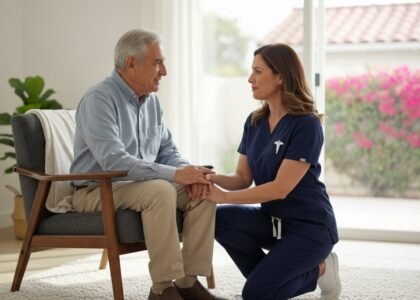
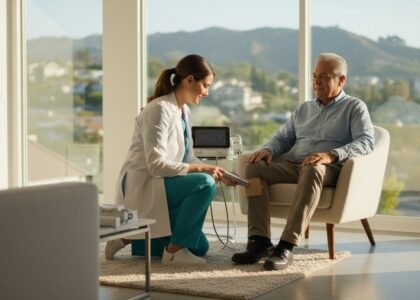
The initial visit includes a full wound assessment, review of your medical history and current medications, pain evaluation, and goal-setting for healing. From that review the clinician builds a care plan with dressing choices, frequency of visits, and any referrals — all tailored to your needs.
Which wounds do mobile specialists treat?
Mobile wound teams manage a broad range of wounds—both acute and chronic—using evidence-based protocols and judgment from experienced clinicians.
- Diabetic Foot Ulcers
: These chronic wounds need focused care to lower complication risk and promote healing. - Pressure Injuries
: Mobile teams use pressure-relief strategies and wound care techniques to protect vulnerable skin. - Post-Surgical Wounds
: Careful monitoring and timely interventions reduce infection risk and support recovery after surgery.
Knowing which wounds are treated can help patients and families seek appropriate, timely care.
How are diabetic foot ulcers and pressure injuries managed at home?
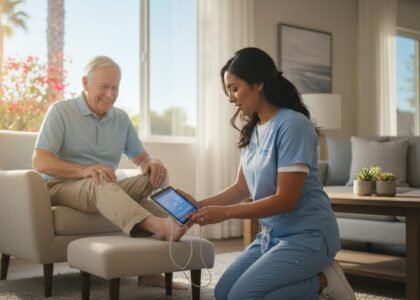
These wounds require consistent, detailed care: regular dressing changes, infection prevention, offloading or pressure relief, and education on self-care. For people with diabetes, blood sugar control is vital for healing. Mobile clinicians teach self-care steps and provide hands-on treatment so you can manage wounds safely at home.
Ongoing home wound care is essential to reduce complications and help patients adopt effective self-management habits.
Post-Discharge Home Wound Care & Self-Management
Continuous home wound care after discharge helps patients adopt the self-care behaviors needed to reduce complications in diabetic foot ulcers.
Effectiveness of continuous home wound care on patients with diabetic foot ulcers, 2024
What mobile care options exist for post-surgical and chronic wounds?
Mobile wound services offer a range of options—from advanced dressings and negative pressure systems to regenerative approaches—selected to match wound type and healing stage. The flexibility of home visits means clinicians can update treatments as the wound changes.
Advanced Treatments in Mobile Wound Care That Aid Healing
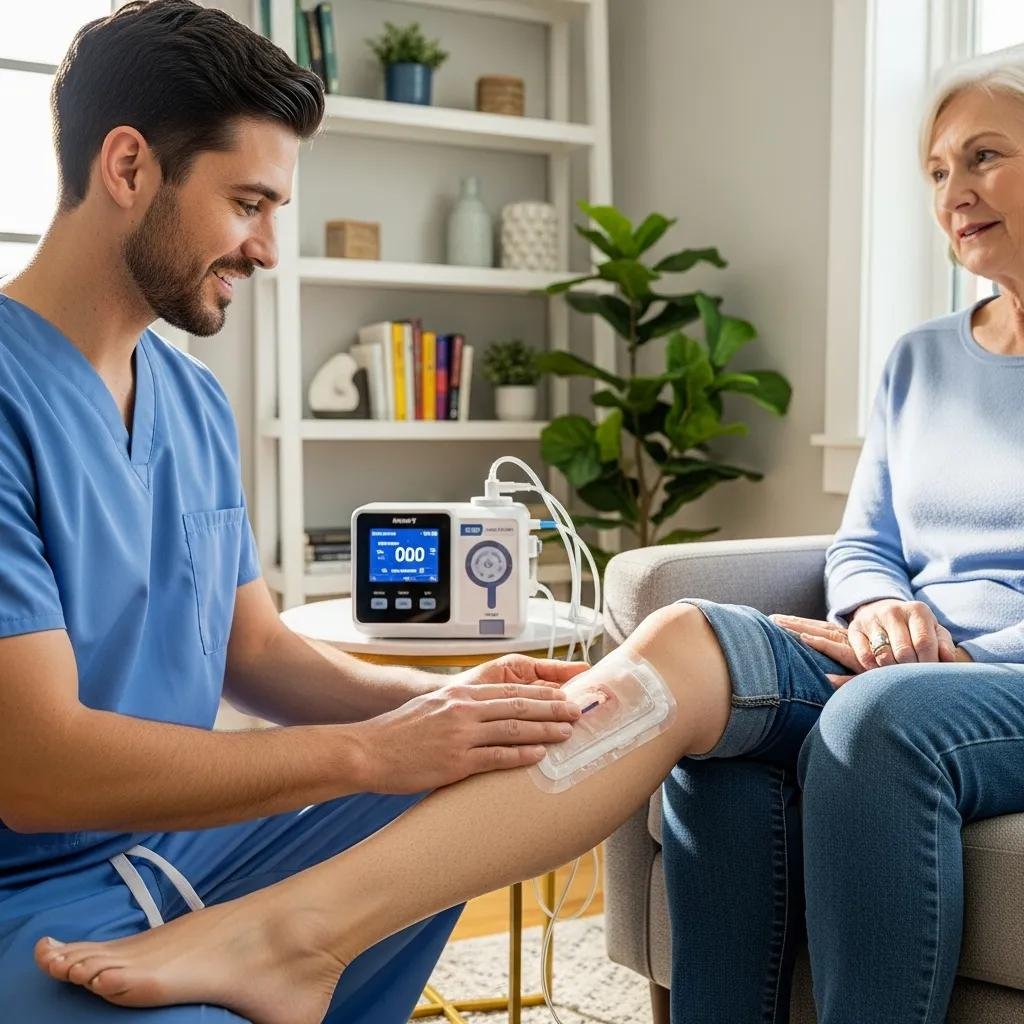
Mobile wound care uses evidence-based, advanced treatments to help complex wounds heal and to improve outcomes for patients at home.
- Regenerative Therapies
: Biologics and related techniques support tissue repair and are used when appropriate to stimulate healing. - Negative Pressure Wound Therapy
: Controlled suction removes excess fluid, reduces swelling, and encourages blood flow to the wound bed. - Debridement Techniques
: Removing nonviable tissue creates a healthier environment for new tissue to form and speeds recovery.
These options expand what can be safely and effectively managed in the home setting.
How do regenerative therapies like stem cells and biologics work?
Regenerative approaches use biological products or cells to support the body’s repair processes. Stem cell treatments aim to promote tissue regeneration, while biologics deliver growth factors that encourage healing. These therapies can help chronic wounds that have not responded to standard care, though some approaches remain limited to specialized settings and may not be routine in every mobile program.
What are negative pressure wound therapy and debridement techniques?
Negative pressure wound therapy (NPWT) places a sealed dressing over the wound and applies controlled suction to remove fluid, lower swelling, and draw healthy tissue into the area. Debridement removes dead or infected tissue to allow healthy tissue to grow. Both techniques are commonly used during mobile visits when clinically indicated.
How patients and caregivers can prepare for mobile wound care at home
Simple preparations make visits more effective and help keep healing on track. Below are practical steps patients and caregivers can take.
- Manage Pain and Watch for Infection
: Learn infection signs and use pain strategies recommended by your care team. - Communicate Clearly with Clinicians
: Keep an up‑to‑date list of medications, concerns, and observations to share at each visit. - Use Support Resources
: Caregivers should know available resources—community services, equipment suppliers, and support groups—to help manage care at home.
Preparing ahead helps clinicians focus on treatment and keeps your recovery moving forward.
What are practical tips for managing pain, infection risk, and mobility?
Talk with your provider about a pain plan that may include medications and non-drug techniques like positioning and relaxation. Watch for increased redness, swelling, drainage, or fever—these are warning signs of infection. If mobility is limited, ask about safe transfers, aids, and strategies to protect the wound while moving.
How can caregivers communicate effectively with wound care specialists?
Caregivers should share observations about wound changes, pain, appetite, and mobility. Keep a simple log of dressing changes and symptoms, bring questions to each visit, and confirm follow-up plans. Clear, consistent communication helps the team make timely adjustments to treatment.
Insurance, Coverage, and Healix360 Service Areas for Mobile Wound Care
Understanding coverage and where services are offered helps patients access the right care without surprises.
- Insurance Options
: Many plans, including Medicare Part B, cover medically necessary mobile wound care services—check your plan for details. - Service Area
: Healix360 delivers mobile wound care across multiple Southern California counties to reach patients at home. - Verifying Coverage
: Contact your insurance provider to confirm benefits, prior authorization needs, and any expected out-of-pocket costs.
These steps make it easier to plan care and avoid unexpected expenses.
How does Medicare Part B cover mobile wound care services?
Medicare Part B often covers medically necessary evaluations and treatments provided in the home when eligibility criteria are met (for example, when a patient is homebound or needs skilled nursing care). Confirm with your Medicare representative or provider team about specific requirements and any possible copayments.
Which Southern California counties are served by Healix360 specialists?
Healix360 Advanced Mobile Wound Care Specialists serve many Southern California counties, including Los Angeles, Orange, Riverside, San Bernardino, Ventura, Santa Barbara, Kern, and San Luis Obispo. Patients in these areas can
access high-quality wound care
in the comfort of home.
Frequently Asked Questions
What should I expect during a mobile wound care visit?
Expect a focused, compassionate visit: the clinician will review your history, examine the wound, discuss goals, and provide necessary treatments such as dressing changes, infection control, and education on self-care. Each visit is personalized to your needs and recovery stage.
How can I ensure a smooth transition from hospital to home care?
Good discharge planning is key. Ask hospital staff to arrange a mobile wound care referral, review your medications, and confirm the first home visit. Preparing a clean, well-lit area and having basic supplies on hand also helps the team start care promptly.
What role do caregivers play in mobile wound care?
Caregivers support daily care, help manage supplies and medications, track changes, and communicate with clinicians. Their involvement improves adherence to treatment and provides essential emotional and practical support.
How can I manage pain effectively during home wound care?
Work with your clinician to create a pain plan that may combine medications, positioning, and relaxation or distraction techniques. Report pain levels at each visit so the team can adjust treatment and keep you comfortable.
What signs of infection should I watch for at home?
Watch for increased redness, swelling, warmth, new or worsening drainage, pus, higher pain levels, fever, or a general sense of being unwell. Report these signs promptly to your mobile wound care clinician for timely evaluation.
Are there any specific dietary recommendations for wound healing?
A balanced diet rich in protein, vitamins A and C, zinc, and healthy fats supports healing. Staying well hydrated matters too. Speak with your provider or a nutritionist for personalized guidance tied to your medical needs.
How can I prepare my home for mobile wound care services?
Create a clean, well-lit workspace free of clutter where the clinician can work. Have basic supplies (dressings, antiseptics, medications) available, and keep a list of questions or concerns to review during visits. These small steps help visits run smoothly and safely.
Take the Next Step to Home-Based Mobile Wound Care
Transitioning from hospital to mobile wound care can make recovery more comfortable, reduce readmission risk, and deliver personalized treatment where you live. Good discharge planning, clear communication, and the right home preparations support better outcomes. If you or a loved one could benefit from home-based wound care, reach out to a mobile wound care specialist to explore your options and start the next step in recovery.