
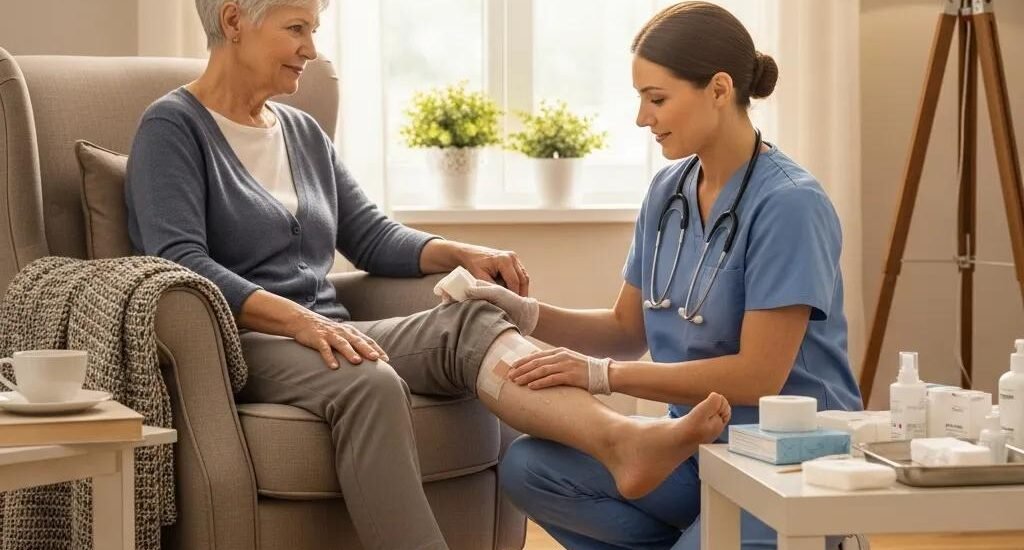
Mobile Lymphedema Wound Care: Practical Treatment & Recovery Tips
Lymphedema is a long-term condition that can make wounds harder to heal and raise the risk of complications if not managed early. This guide explains how lymphedema affects wound repair and highlights advanced mobile care options available through Healix360 Advanced Mobile Wound Care Specialists. You’ll find clear information on causes and symptoms, how lymphedema slows healing, practical home-care steps, common complications, and what to expect on the Healix360 care pathway. Our goal is to give patients and caregivers practical, actionable guidance for safer, faster recovery.
What Is Lymphedema and How Does It Affect Wound Healing?
Lymphedema occurs when lymphatic fluid builds up in tissues, most often in an arm or leg, causing swelling. That extra fluid changes the local tissue environment and can interfere with normal wound repair. Lymphedema may develop from congenital differences in the lymphatic system or from damage after injury or surgery. Left untreated, it raises infection risk and reduces the immune system’s efficiency at the wound site, frequently slowing healing.
Clinical studies and reviews describe lymphedema as a chronic, progressive condition whose fluid and protein accumulation create inflammation and other changes that hinder wound recovery.
Lymphedema: Causes, Complications, and Wound Healing Impact
Lymphedema results from abnormal lymph accumulation in the interstitial space, often because the lymphatic system is underdeveloped or disrupted by cancer treatment. The high protein content in the trapped fluid drives persistent inflammation, fibrosis, and fat deposition. These tissue changes can permanently alter skin and soft tissue structure and contribute to venous ulcer formation, increasing the complexity of wound care and the risk of chronic wounds.
Lymphedema and Wound Care, M Maruccia, 2024
What Causes Lymphedema and What Are Its Symptoms?
- Genetic Factors: Some people have a congenital predisposition (primary lymphedema) that appears at different life stages.
- Injury or Surgery: Damage to lymph nodes or vessels — for example after cancer surgery or radiation — is a common cause of secondary lymphedema.
- Symptoms: Typical signs include persistent swelling, a heavy or tight feeling in the limb, reduced range of motion, and occasional skin changes.
Spotting these signs early and seeking assessment helps prevent progression and reduces the chance of wound-related complications.
How Does Lymphedema Impair the Wound Healing Process?
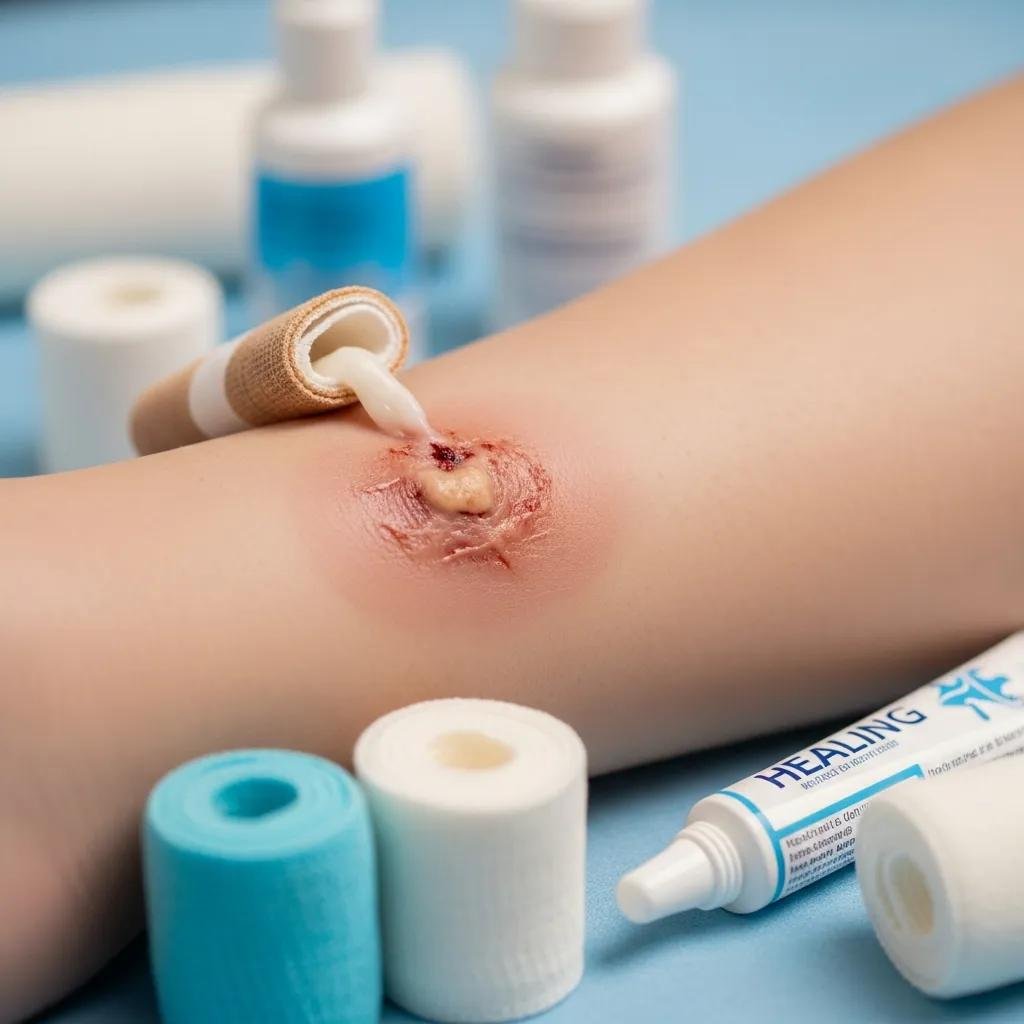
- Fluid accumulation: Excess lymph creates a wet, protein-rich environment that interferes with new tissue formation.
- Higher infection risk: Stagnant fluid and impaired local immunity make the area more vulnerable to bacterial growth and repeated infections.
- Weakened immune response: Lymphatic dysfunction limits the body’s ability to clear debris and mount an effective immune defense at the wound.
- Slower repair: Together, these factors produce delayed healing and increase the likelihood that wounds become chronic.
Recognizing these mechanisms helps clinicians tailor treatments and caregivers take preventive steps at home.
Which Advanced Mobile Treatments Does Healix360 Offer for Lymphedema Wounds?
How Do Regenerative Therapies Like Stem Cells and Biologics Aid Healing?
- Stimulating tissue regeneration: Stem cell–based approaches can support the growth of new, healthy tissue by differentiating into repair cells and secreting healing factors.
- Boosting healing pathways: Biologics such as growth factors help drive cell proliferation and migration, accelerating key phases of repair.
- Evidence and limits: Research is promising for complex wounds, but many regenerative therapies remain experimental for lymphedema and are used selectively based on clinical judgment.
These options are emerging tools in a comprehensive, individualized treatment plan for challenging wounds.
Recent studies point to adipose-derived stem cells and related approaches as potential supports for lymphatic repair and improved wound outcomes, though clinical protocols are still evolving.
Lymphedema Symptoms & ADSC Therapy for Healing
Secondary lymphedema — often linked to cancer therapy, infection, or trauma — causes progressive soft-tissue swelling, pain, and reduced limb function, diminishing quality of life and raising infection risk. Adipose-derived stem cells (ADSCs) show regenerative promise: they can differentiate into multiple cell types and release lymphangiogenic and reparative factors, making ADSC therapy a promising experimental strategy for select cases of secondary lymphedema.
Adipose-derived stem cell therapy shows promising results for secondary lymphedema, 2020
What Role Do Debridement, Compression, and Negative Pressure Therapy Play?
- Debridement: Removing dead or infected tissue clears the wound bed and allows healthy tissue to form.
- Compression therapy: Therapeutic compression reduces swelling and encourages lymphatic drainage — a mainstay in lymphedema care.
- Negative Pressure Wound Therapy (NPWT): Controlled suction supports blood flow and granulation tissue formation, helping certain wounds heal more reliably.
These therapies are often combined in a tailored plan to address both the wound and the underlying lymphedema.
What Are Common Complications in Lymphedema Wound Care and How Are They Managed?
How Can Infection and Pain Be Prevented and Treated?
- Regular monitoring: Check the wound daily for warmth, redness, swelling, increased drainage, or other infection signs and report changes promptly.
- Pain management: Use prescribed medications, topical options, or adjunct therapies to control pain and improve comfort and mobility.
- When to seek help: Contact your care team if you see spreading redness, fever, worsening pain, or any sudden change — early intervention prevents escalation.
Proactive surveillance and timely treatment are key to avoiding serious complications.
What Are the Signs of Wound Healing Complications in Lymphedema?
- Indicators of poor healing: A wound that stops improving, enlarges, or shows dead tissue needs urgent reassessment.
- Symptoms to monitor: Increasing limb swelling, persistent or worsening pain, foul odor, or changing wound appearance are warning signs.
- Emergency signs: Fever, chills, rapidly spreading redness, or heavy, foul drainage require immediate medical attention.
Knowing these signs helps caregivers and patients get faster, more effective care.
How Can Patients and Caregivers Support Effective Lymphedema Wound Care at Home?
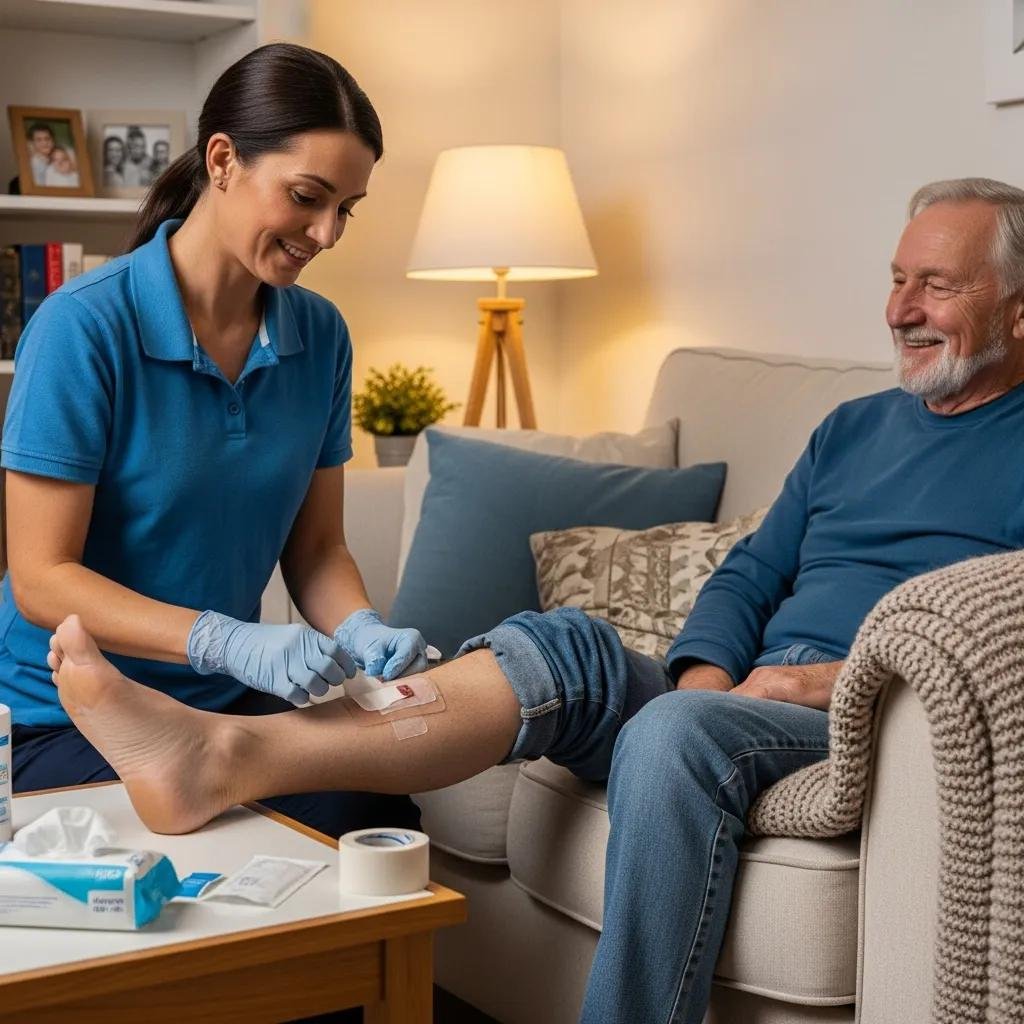
What Practical Steps Should Caregivers Follow for Wound Observation and Dressing Changes?
- Observation techniques: Inspect the wound and surrounding skin daily for changes in color, size, odor, and drainage; document notes or photos to track progress.
- Dressing change routine: Follow your clinician’s schedule for dressing changes and sterile technique to keep the site clean and lower infection risk.
- Stay connected: Keep an open line with your Healix360 care team via phone, secure messaging, or scheduled visits for guidance and early problem-solving.
These simple routines protect the wound and support consistent progress between clinical visits.
How Can Patients Manage Pain, Mobility, and Prevent Complications?
- Pain management strategies: Take medications as prescribed, use elevation and cold or heat as advised, and discuss adjunct therapies to improve comfort.
- Mobility exercises: Gentle, clinician‑recommended movements and light activity promote circulation and lymphatic flow without stressing the wound.
- Complication prevention: Keep skin moisturized, protect the limb from cuts or pressure, follow compression guidance, and report any new symptoms promptly.
Practical self-care combined with professional support improves outcomes and quality of life.
Digital tools—like guided mobile apps and telehealth—are increasingly used to support daily self-management and timely clinician contact for people living with lymphedema.
Mobile App for Lymphedema Self-Management & Nurse Support
Self-management is central to controlling breast cancer–related lymphedema. This study describes a mobile application built with nurse support to help survivors with day-to-day management. The prototype includes modules for patient education, peer interaction, nurse messaging, and self-management tools designed to improve adherence and usability from the patient’s perspective.
Lymphedema self-management mobile application with nurse support for post breast cancer surgery survivors: description of the design process and prototype …, M Hemati, 2024
What Is the Patient Journey with Healix360’s Mobile Lymphedema Wound Care?
How Are Assessments, Scheduling, and Follow-Ups Conducted at Home?
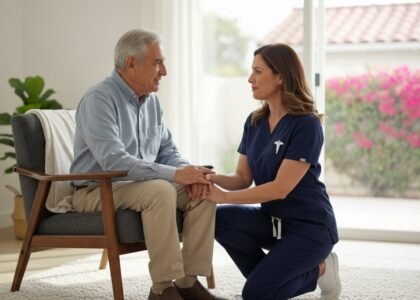
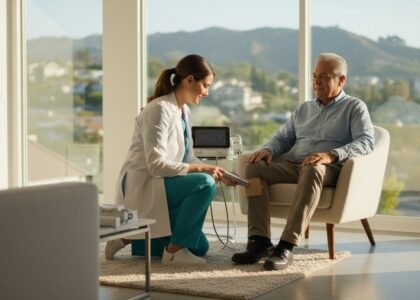
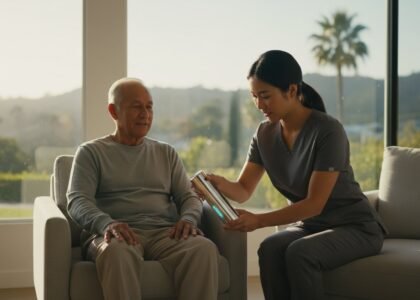
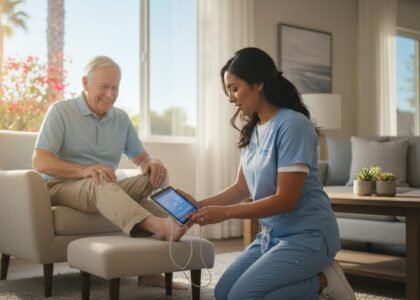
- Assessment methods: We begin with an in‑home assessment to evaluate wound status, lymphedema severity, and overall health, then build a personalized plan.
- Scheduling flexibility: Appointments are arranged to fit your schedule, with options for regular visits or as-needed care.
- Follow-up care: Ongoing visits and remote check‑ins let us monitor healing, adjust therapy, and prevent setbacks.
This patient-centered model reduces disruption and keeps care focused on recovery and comfort.
What Healing Timelines and Outcomes Can Patients Expect?
- Typical healing timelines: Wounds related to lymphedema often need weeks to months to close, depending on wound size, tissue health, and treatment adherence.
- Factors affecting healing: Underlying medical conditions, timing of interventions, consistency with compression, and infection control all influence outcomes.
- Success stories: Many patients experience measurable improvements in wound condition, reduced swelling, and better function after coordinated mobile care from Healix360.
Clear expectations and consistent follow-up help set realistic goals and measure progress.
Why Choose Healix360 for Mobile Lymphedema Wound Care?
What Are the Benefits of Mobile Care for Lymphedema Patients?
- Care at home: Receive professional wound and lymphedema care in the comfort of your home to reduce travel strain and exposure risks.
- Less travel stress: Fewer clinic visits improve adherence and make it easier to keep to dressing and compression schedules.
- Personalized plans: Mobile visits allow clinicians to tailor treatments to your home environment and daily routine for better outcomes.
These benefits make recovery more manageable and patient-focused.
How Do Board-Certified Specialists Personalize Treatment Plans?
- Assessing your needs: Specialists perform thorough evaluations of the wound, lymphedema, mobility, and comorbidities to define priorities.
- Custom treatment strategies: Plans may combine debridement, compression, NPWT, regenerative options, and education based on your goals.
- Ongoing adjustments: Regular reassessments let us refine therapies and respond quickly to any changes.
This individualized, responsive approach supports sustained healing and function.
Different treatment options for lymphedema wounds can be compared by purpose and likely outcomes to guide clinical decision-making and patient expectations.
| Treatment Method | Description | Expected Outcomes |
|---|---|---|
| Regenerative Therapies | Regenerative approaches (stem cells, biologics) designed to stimulate tissue repair and lymphatic recovery | Improved tissue regeneration and the potential for faster, more durable healing in select cases |
| Compression Therapy | Targeted therapeutic pressure to reduce swelling and support lymphatic drainage | Better lymph flow, reduced edema, and improved wound conditions |
| Negative Pressure Therapy | Controlled suction to promote blood flow, remove exudate, and encourage granulation | Accelerated wound closure and lower risk of infection for appropriate wounds |
The right combination of these approaches—matched to patient needs—creates a comprehensive strategy for managing lymphedema-related wounds.
Frequently Asked Questions
What lifestyle changes can help manage lymphedema symptoms?
Small, consistent changes make a big difference. Maintain a healthy weight, choose low‑impact exercise like walking or swimming to boost lymph flow, reduce excess salt to limit fluid retention, and stay hydrated. Work with your care team for a safe exercise plan and nutrition advice tailored to your health needs.
Are there any specific skin care routines recommended for lymphedema patients?
Yes. Keep skin clean and well‑moisturized with fragrance‑free products, inspect the limb daily for cuts or redness, and protect the skin from scrapes and insect bites. Promptly treat minor breaks in the skin and report any signs of infection to your clinician.
How can technology assist in managing lymphedema at home?
Technology can help you track symptoms, log dressing changes, set reminders for compression and exercises, and connect with clinicians through telehealth. Some apps include educational content and nurse support to reinforce self‑management and improve adherence.
What should patients know about the emotional impact of living with lymphedema?
Lymphedema can affect mood, body image, and daily activities. It’s common to feel frustrated or anxious. Seek support from clinicians, mental health professionals, or peer groups. Sharing concerns with family and caregivers and joining a support network can ease emotional burden and improve coping.
What are the long-term management strategies for lymphedema?
Long-term care combines daily self-management (compression, skin care, exercise), regular clinical follow-up, and education to spot complications early. Stay consistent with treatment, attend scheduled visits, and adapt your plan with your provider as needs change to sustain function and reduce recurrence.
How can caregivers best support patients with lymphedema?
Caregivers should learn the basics of wound observation, assist with dressing changes when needed, encourage adherence to compression and exercise, and help track symptoms. Emotional support and clear communication with the care team make caregiving more effective and less stressful.
Conclusion
Managing lymphedema is essential to improving wound healing and preserving quality of life. With coordinated, mobile care that blends evidence-based therapies, patient education, and home-centered support, Healix360 helps patients heal more comfortably and consistently. If you or a loved one are navigating lymphedema-related wounds, learn how our mobile specialists can help—explore our services and get personalized care at home.