


Managing Pain in Chronic Wounds: Proven Strategies & Therapies
Chronic wounds bring a unique set of challenges — and pain is often the most immediate. When pain persists, it can slow recovery and take a toll on a person’s daily life. This guide breaks down why chronic wounds hurt, how clinicians measure that pain, and the practical treatments and newer therapies that can offer real relief. Our goal is to help patients, caregivers, and clinicians make informed choices that support healing and comfort at every step.
Recognizing how chronic wound pain affects daily function, mood, and sleep is essential to building an effective, compassionate care plan.
Chronic Wound Pain Management Strategies
Chronic wound pain can contribute to depression and persistent fatigue. This source examines wound pain assessment and treatment approaches, with a focus on managing ongoing pain.
Managing painful chronic wounds: the Wound Pain Management Model, 2007
What Causes Pain in Chronic Wounds and How Is It Assessed?
Pain from chronic wounds usually has multiple causes. Identifying those causes is the first step toward targeted treatment and better comfort.
What Are the Types and Sources of Chronic Wound Pain?
Pain in chronic wounds commonly falls into two categories: nociceptive pain, which comes from ongoing tissue damage and inflammation, and neuropathic pain, which arises when nerves are injured or malfunctioning. Typical sources include infection, pressure or friction, ischemia, edema, and the biochemical processes of healing itself. For example, diabetic foot ulcers often produce marked nociceptive pain from poor circulation and inflammation, while venous leg ulcers generally cause pain tied to swelling and inflammation rather than nerve injury.
How Do Specialists Evaluate and Measure Wound Pain?
Clinicians combine objective scales — such as the Numeric Rating Scale (NRS) or Visual Analog Scale (VAS) — with a focused patient interview to understand pain quality, timing, triggers, and its impact on daily life. That mixed approach (numbers plus narrative) helps guide treatment choices and track response over time.
Which Advanced Treatments Provide Effective Pain Relief in Chronic Wound Care?
Advanced therapies can reduce pain while improving healing. Choosing the right option depends on wound type, cause of pain, and the patient’s overall health.
How Does Debridement Reduce Pain and Promote Healing?
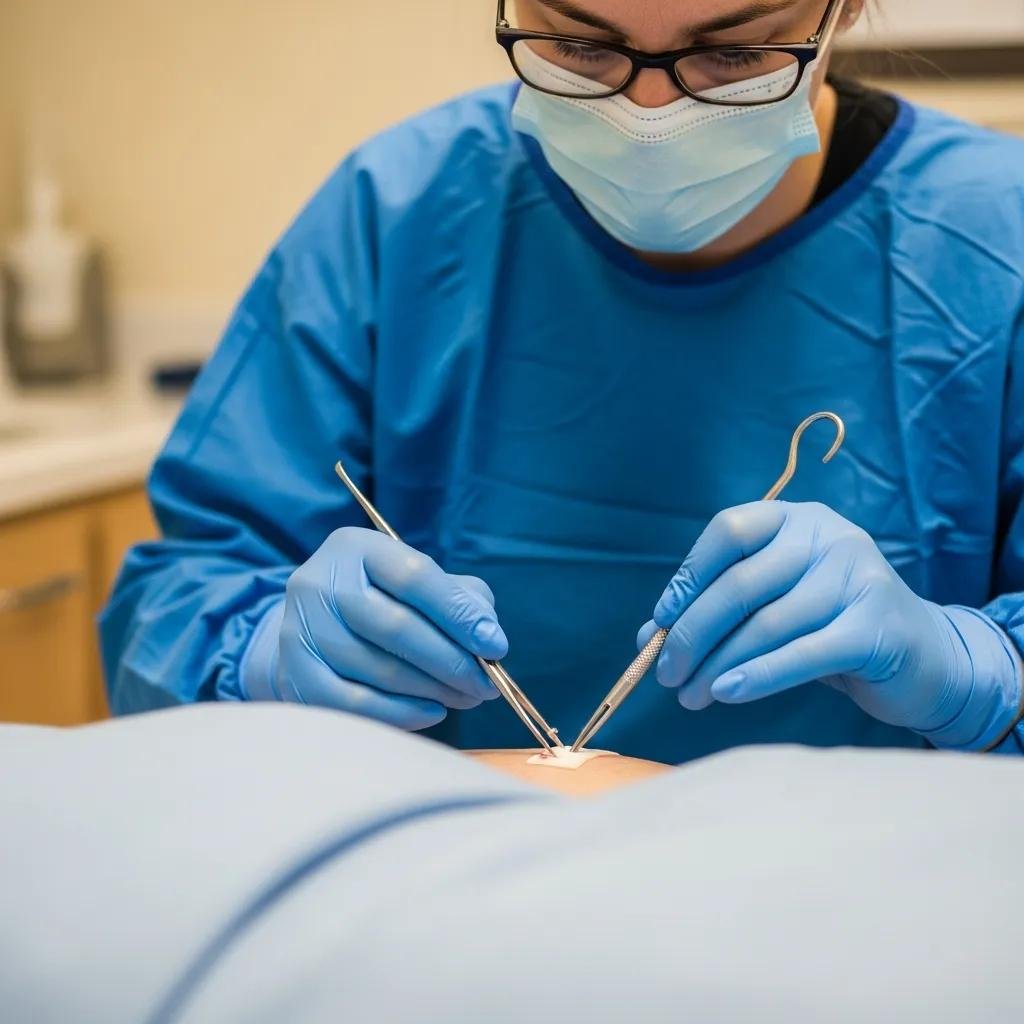
Debridement removes nonviable tissue that fuels infection and inflammation. Removing that source can lessen pain and create an environment that supports healthy granulation. Because the procedure itself can be uncomfortable, clinicians plan short‑term pain control around debridement; many patients report reduced pain in the days that follow as the wound environment stabilizes.
What Role Does Negative Pressure Wound Therapy Play in Pain Management?
Negative Pressure Wound Therapy (NPWT) applies controlled suction to a wound to reduce edema, increase local perfusion, and encourage granulation. For many complex or slow‑healing wounds, NPWT is associated with lower reported pain and better wound progress compared with standard dressings, although some patients may feel transient discomfort from the device. NPWT is especially helpful when wound size, exudate, or tissue health are limiting factors.
How Does Regenerative Medicine Enhance Pain Management in Chronic Wounds?
Regenerative therapies aim to address pain by promoting tissue repair at the cellular level and moderating inflammation — potentially reducing both the source and perception of pain.
As regenerative approaches gain traction, consensus guidelines are being developed to ensure safe, evidence‑based clinical use.
Regenerative Medicine Guidelines for Chronic Pain
This consensus report sought to create practical clinical guidelines and to establish a foundation for further research on regenerative medicine for chronic pain management.
Evidence-based clinical practice guidelines on regenerative medicine treatment for chronic pain: a consensus report from a multispecialty working group, RS D’souza, 2024
What Are the Benefits of Stem Cell Therapy and Biologic Dressings for Pain Relief?
Stem cell treatments and biologic dressings can support tissue regeneration and temper inflammation, which may translate to reduced pain and faster progress. Biologic dressings often supply growth factors and extracellular matrix components that protect the wound and maintain a moist healing environment. While early reports and patient experiences are encouraging, continued high‑quality research is needed to define the best uses and expected outcomes.
How Do Skin Substitutes and Amniotic Tissue Patches Alleviate Wound Pain?
Skin substitutes and amniotic tissue products create a protective, bioactive barrier over the wound, limiting irritation and infection risk while supporting cell migration and repair. By stabilizing the wound surface and promoting tissue regeneration, these options can noticeably reduce pain for many patients.
What Are the Best Pain Management Strategies for Specific Chronic Wound Types?
Pain control should be tailored to the wound type and its underlying causes — one size does not fit all.
How Is Pain Managed in Diabetic Foot Ulcers?
Managing diabetic foot ulcer pain typically combines pressure offloading, infection control, optimized glucose management, and appropriate local wound care. Offloading — shifting pressure away from the ulcer — is critical to reduce pain and allow tissue repair. Addressing circulation and infection quickly also helps lower nociceptive pain and supports healing.
What Pain Relief Approaches Are Effective for Venous Leg and Pressure Ulcers?
For venous leg ulcers, compression therapy is foundational: it reduces swelling, improves venous return, and often decreases pain. For pressure ulcers, frequent repositioning and pressure‑relieving surfaces (specialized mattresses and cushions) reduce continuous pressure and the pain that comes with it. These targeted measures are central to both comfort and recovery.
How Can Patients and Caregivers Manage Pain During Home-Based Wound Care?
Thoughtful home care supports comfort between clinic visits and makes treatments more tolerable.
What Tips Reduce Pain During Dressing Changes and Daily Care?
Simple techniques can make dressing changes less painful: gently moistening adherent dressings before removal, using atraumatic dressings, timing changes when pain medication is most effective, and keeping the wound clean and appropriately moist. Clear instructions and a calm, steady approach go a long way toward easing discomfort.
How Can Caregivers Support Consistent Pain Management at Home?
Caregivers provide practical and emotional support that aids pain control. Keep clear communication with the care team, follow prescribed wound and pain plans, and encourage rest and nutrition. Offering reassurance and helping the patient maintain routines can reduce stress and improve coping.
Why Choose Mobile Wound Care Services for Pain Relief and Healing Convenience?

Mobile wound care brings professional treatment to the patient’s home, reducing travel and clinic wait times and lowering the stress that can worsen pain. Our mobile teams deliver individualized plans that balance clinical best practices with the comfort and convenience patients need.
mobile services
are designed to match care to the patient’s environment and priorities, improving satisfaction and outcomes.
What Makes Healix360’s Approach to Pain Management Effective and Personalized?
Healix360
Advanced Mobile Wound Care Specialists take a patient‑centered approach: we assess each person’s pain, medical history, and daily routine, then combine evidence‑based therapies with clear education and follow‑up. That mix of advanced treatment and practical support helps patients regain comfort and confidence during recovery.
A multi‑modal approach — combining procedure, device, biologic, and home strategies — offers the best chance to reduce pain and speed healing.
| Treatment | Mechanism | Benefit |
|---|---|---|
| Debridement | Removes necrotic tissue | Reduces pain and promotes healing |
| Negative Pressure Wound Therapy | Enhances blood flow | Decreases pain and improves healing |
| Stem Cell Therapy | Promotes tissue regeneration | Reduces inflammation and pain |
| Biologic Dressings | Supports healing | Alleviates pain and protects the wound |
The table summarizes how targeted therapies address the mechanisms behind pain and support overall wound recovery.
Frequently Asked Questions
What are the common misconceptions about pain management in chronic wound care?
A common myth is that pain control is only about medications. In reality, effective management blends local wound care, devices, procedural treatments, psychological support, and lifestyle measures. Misunderstanding the role of advanced options like NPWT or regenerative therapies can prevent patients from receiving helpful care, so education is key.
How can nutrition impact pain management in chronic wound care?
Nutrition is central to repair and inflammation control. A balanced diet with adequate protein, vitamins, minerals, and anti‑inflammatory nutrients supports tissue healing and can reduce pain driven by ongoing inflammation. Work with clinicians or a nutritionist to tailor a plan that complements wound treatment.
What psychological support options are available for patients experiencing chronic wound pain?
Emotional and behavioral support can improve coping and reduce the distress that amplifies pain. Options include counseling, cognitive‑behavioral therapy (CBT), support groups, and relaxation or mindfulness practices. These resources help patients manage anxiety, mood changes, and sleep disruption commonly tied to chronic pain.
How can technology assist in managing pain for chronic wound patients?
Technology expands access and monitoring: telehealth offers timely check‑ins and medication adjustments, wearables can track activity or symptoms, and apps help patients log pain, medications, and wound changes. These tools improve communication with the care team and support consistent self‑management.
What role does patient education play in effective pain management?
Education empowers patients to follow care plans, recognize warning signs, and use self‑care techniques that reduce pain. Clear, practical instruction — through one‑on‑one coaching, written resources, or group sessions — boosts confidence and adherence, which improves outcomes.
Are there alternative therapies that can complement traditional pain management strategies?
Complementary approaches such as acupuncture, massage, aromatherapy, gentle movement (yoga or tai chi), and relaxation techniques can support pain relief and wellbeing for some patients. Discuss any alternative therapy with the care team to ensure it’s safe and appropriate alongside prescribed treatments.
Conclusion
Managing pain in chronic wound care requires a thoughtful, individualized plan that combines proven procedures, advanced therapies, and practical home strategies. When clinicians, patients, and caregivers work together — guided by evidence and clear communication — pain can be reduced and healing supported. For tailored advice and coordinated mobile care, explore our resources and connect with our specialists today.