
Infection Prevention Protocols for Mobile Wound Care by Healix360
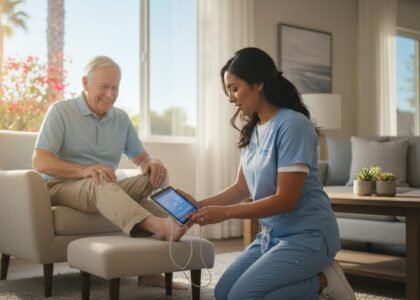
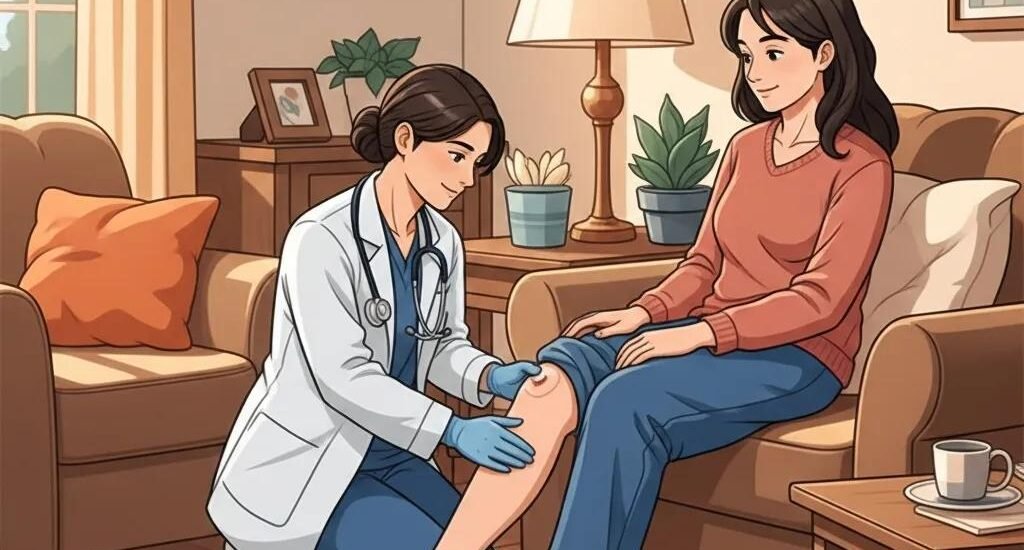
Mobile wound care brings specialist treatment to patients where they live — in their homes or in care facilities. For people with chronic wounds, this approach reduces the burden of travel and delivers timely, evidence-based care when it matters most. Below we outline why mobile wound care and infection prevention are essential, describe common chronic wounds, and explain the protocols our team follows at Healix360 Advanced Mobile Wound Care Specialists. With clearer information, patients and caregivers can better manage wounds, reduce infection risk, and support recovery.
Research on mobile health tools reinforces the growing role of home-based wound care in improving access and outcomes.
Mobile Health Technology for Home Wound Care
Background: Wounds from injuries are common and can threaten health if treated poorly or not at all. This cross-sectional survey examined wound-care knowledge, attitudes, practices, and the use of mobile health (mHealth) in the home setting among social network users in Taiwan.
Wound care knowledge, attitudes, and practices and mobile health technology use in the home environment:
Cross-sectional survey of social network users, CY Guo, 2020
What Are Chronic Wounds and Why Is Infection Prevention Essential?
Chronic wounds are wounds that do not follow the usual healing timeline and can remain open for weeks or months. They commonly arise from conditions such as diabetes, vascular disease, or prolonged pressure. Preventing infection is a core part of care: infections delay healing, increase pain, and can cause serious complications. Evidence shows roughly 30% of patients with chronic wounds develop infections, which highlights the need for proactive monitoring and treatment.
Which Types of Chronic Wounds Require Mobile Care?
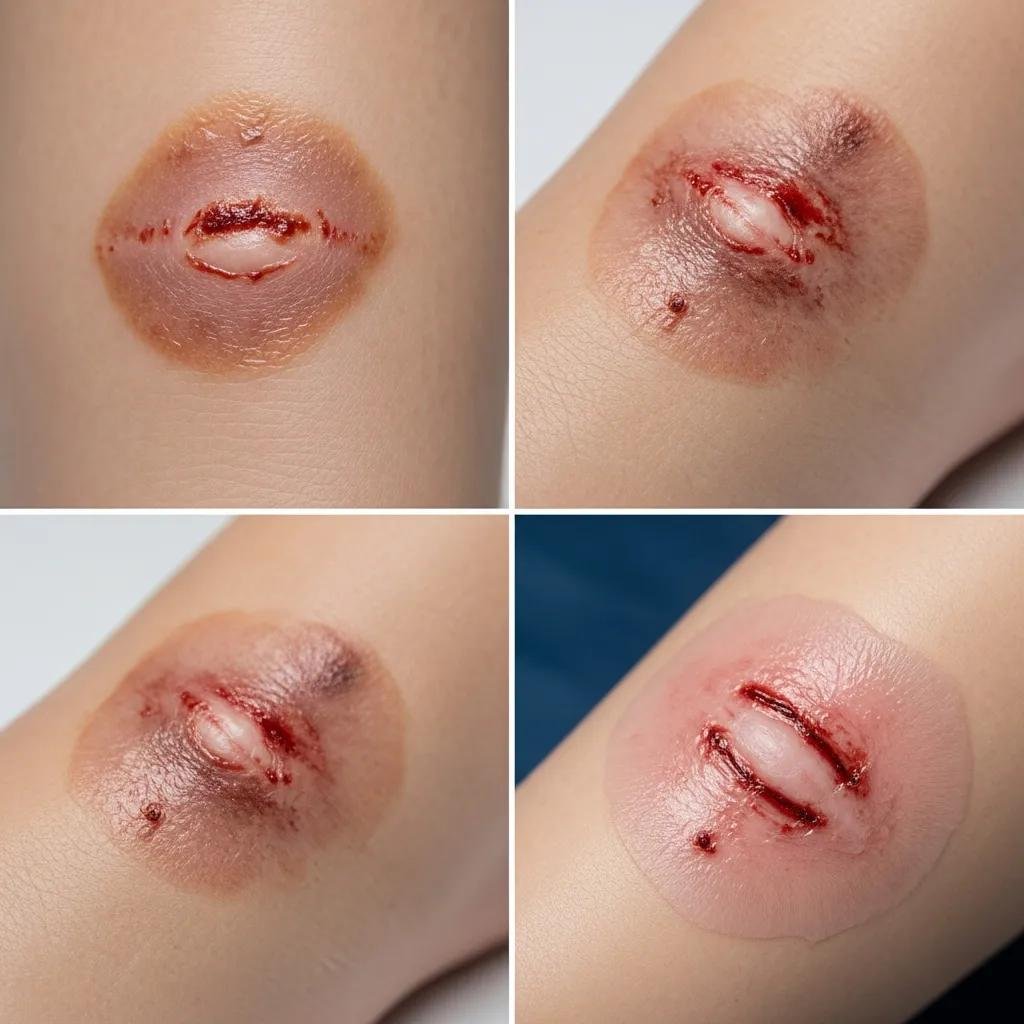
Many chronic wounds are well suited to mobile care, including:
- Diabetic Foot Ulcers: Common in people with diabetes and at risk of infection or deeper tissue damage if not treated promptly.
- Pressure Ulcers: Develop where sustained pressure reduces blood flow, especially in patients with limited mobility; regular assessment and offloading are crucial.
- Venous Leg Ulcers: Caused by poor venous circulation; these wounds often need specialized compression and long-term management.
Delivering wound care at home ensures these patients get consistent, expert attention in a setting that supports comfort and compliance.
What Are the Key Signs of Wound Infection to Monitor at Home?
Early recognition of infection helps prevent complications. Watch for:
- Redness and Swelling: New or spreading redness and swelling around the wound can indicate infection.
- Increased Pain: A sudden rise in pain or tenderness may be a warning sign.
- Foul Odor: A persistent, unpleasant smell often indicates bacterial activity.
Noticing these signs early enables faster clinical response and better outcomes.
How Does Healix360 Provide Expert Mobile Wound Care Services?
At Healix360, our clinicians deliver comprehensive wound care tailored to each patient’s needs. We bring advanced assessment, treatment, and follow-up directly to your home or care facility so you get coordinated, convenient care without unnecessary travel.
What Are the Benefits of Receiving Wound Care at Home or Assisted Facilities?
Home-based wound care offers several advantages:
- Comfort and Convenience: Patients recover in familiar surroundings, which reduces stress and supports adherence to treatment.
- Reduced Travel Stress: Eliminates the barrier of transportation for patients with mobility or health limitations.
- Personalized Attention: Clinicians can tailor plans to the patient’s environment and daily routine, improving practical care and outcomes.
These benefits combine to make healing safer, more efficient, and more patient-centered.
How Do Regenerative Treatments Enhance Advanced Wound Healing?
Regenerative therapies can boost healing for select wounds. Common options include:
- Stem Cell Therapy: Uses the body’s cells to promote repair and regeneration; promising but still emerging and considered experimental for routine wound care.
- Biologic Dressings: Engineered dressings that create a supportive environment for tissue repair and reduce infection risk.
When appropriate, we integrate these innovations into a broader, evidence-based care plan to improve healing prospects.
What Comprehensive Infection Prevention Protocols Does Healix360 Follow?
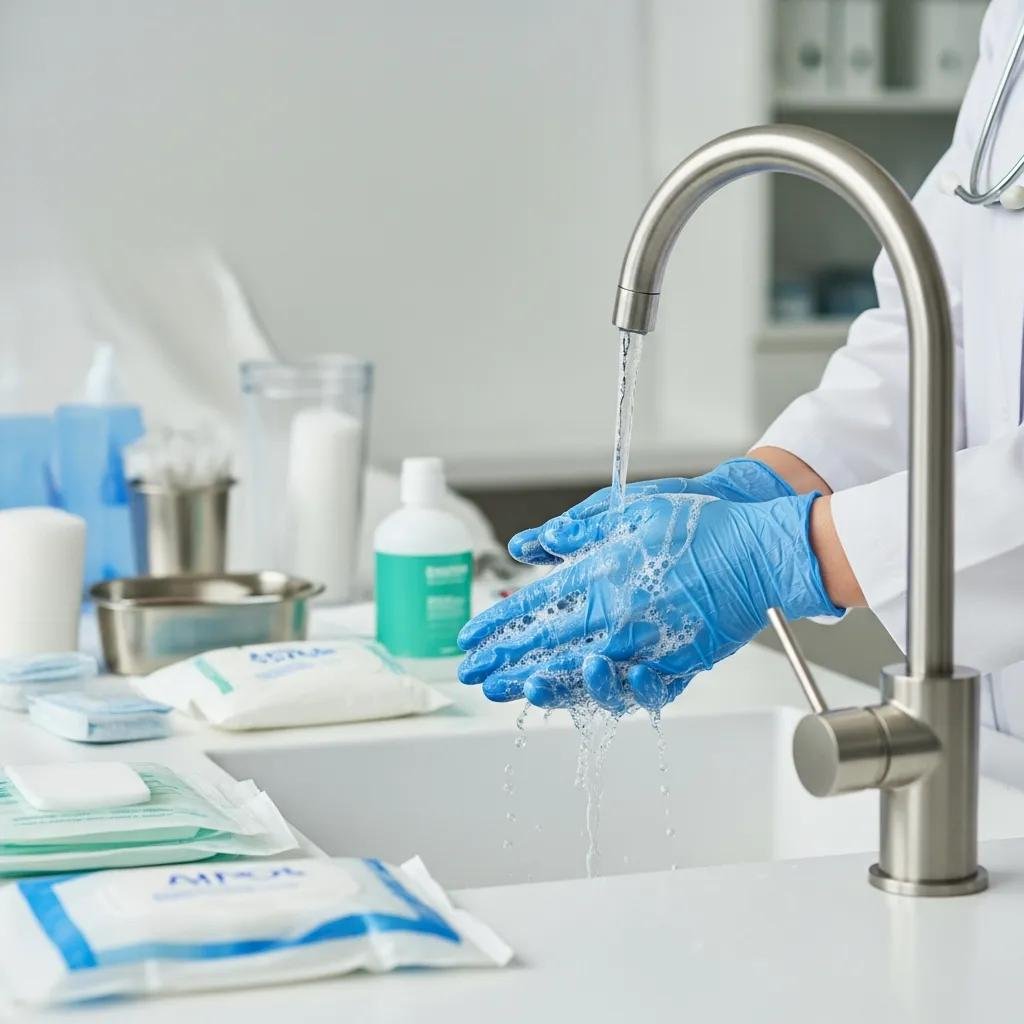
Infection prevention is central to every visit. Healix360 follows strict protocols to reduce contamination risk and protect patients throughout assessment and treatment.
How Are Hand Hygiene and Sterile Techniques Implemented in Mobile Care?
Our infection-control practices include:
- Regular Hand Washing: Clinicians wash hands and use sanitizer before and after every patient interaction.
- Use of Sterile Equipment: All instruments and dressings are sterile and handled to maintain asepsis during care.
- Training of Staff: Ongoing education keeps our team current on best practices and safety standards.
These steps reduce infection risk and make home visits both safe and effective.
What Role Do Advanced Wound Cleansing and Debridement Play in Infection Control?
Cleaning and debridement remove bacteria and nonviable tissue that impede healing. Practices include:
- Cleansing Methods: Saline and clinically appropriate cleansers remove debris and lower bacterial load.
- Debridement Techniques: Removing dead or infected tissue encourages healthy granulation and reduces infection risk.
Properly performed, these procedures are foundational to preventing and controlling wound infections.
What Can Patients Expect During Their Mobile Wound Care Journey?
Patients receive an individualized care pathway that starts with a thorough assessment and continues through scheduled follow-ups and adjustments as healing progresses.
How Is the Initial Assessment and Personalized Treatment Plan Developed?
Our initial visit typically includes:
- Initial Patient Evaluation: A full review of medical history, current medications, and the wound’s appearance and history.
- Setting Treatment Goals: We work with patients and caregivers to set realistic, measurable healing goals.
- Creating a Care Plan: A tailored plan outlines treatments, supplies, follow-up frequency, and caregiver responsibilities.
This collaborative approach ensures care fits the patient’s health status and daily life.
How Are Progress and Infection Risks Monitored Through Follow-Ups?
Consistent follow-up is key to safe healing. Our approach includes:
- Frequency of Follow-Ups: Visits are scheduled weekly or as clinically indicated to track progress.
- What Is Monitored: We check for infection signs, measure wound improvement, and assess overall well-being.
- Adjustments to Care Plan: Treatment is modified based on findings to keep healing on track.
Ongoing monitoring helps prevent setbacks and supports timely intervention if problems appear.
How Can Caregivers Support Wound Infection Prevention at Home?
Caregivers are essential partners in safe wound care. With clear guidance, they can greatly reduce infection risk and help the patient heal faster.
What Are Best Practices for Safe Dressing Changes and Hygiene?
To keep dressing changes safe, caregivers should:
- Follow Proper Techniques: Always wash hands before and after dressing changes; follow the clinician’s step-by-step instructions.
- Use Sterile Supplies: Use only the prescribed, sterile dressings and tools supplied or approved by the care team.
- Monitor the Wound: Check regularly for increased redness, swelling, pain, drainage, or odor and report changes promptly.
Simple, consistent routines make home care reliable and safe.
How Does Healix360 Educate and Assist Caregivers in Wound Management?
We support caregivers through:
- Training Programs Offered: In-person or virtual sessions that teach dressing changes, hygiene, and basic wound assessment.
- Resources Available: Clear step-by-step guides and checklists to use between visits.
- Support Channels: Direct access to our clinical team for questions, clarifications, or urgent concerns.
Empowered caregivers help patients stay on the best path to recovery.
What Insurance Options and Coverage Are Available for Mobile Wound Care?
Understanding coverage options makes it easier to access care. Several insurance plans and programs can offset costs for mobile wound services.
Does Medicare Part B Cover Advanced Mobile Wound Care Services?
Medicare Part B may cover certain mobile wound care services when they meet medical necessity requirements:
- Eligibility Criteria: Coverage depends on documented medical need and specific program rules.
- Covered Services: Services delivered by licensed clinicians in the home may qualify for reimbursement under Part B.
- How to Apply: Contact your Medicare plan for details on documentation and claims procedures.
When eligible, Medicare can significantly reduce out-of-pocket costs for ongoing wound care.
How Can Patients Verify Eligibility and Access Financial Support?
To confirm coverage and find financial assistance:
- Steps to Check Eligibility: Call your insurance provider and ask about coverage for home-based wound care and medical necessity requirements.
- Resources for Financial Support: Look into local health programs, nonprofit support, or hospital-based financial counseling.
- Contact Information for Assistance: Reach out to Healix360 for help navigating insurance and finding resources.
We can help clarify options so patients get the care they need without avoidable financial stress.
| Infection Prevention Method | Description | Effectiveness |
|---|---|---|
| Hand Hygiene | Thorough hand washing and use of sanitizer before and after care | High |
| Sterile Techniques | Use and maintenance of sterile instruments and dressings | High |
| Monitoring | Regular clinical checks for signs of infection or delayed healing | Medium |
Frequently Asked Questions
What types of professionals provide mobile wound care services?
Our mobile wound teams typically include registered nurses, nurse practitioners, and certified wound care specialists. These clinicians are trained in advanced wound assessment, dressing selection, infection prevention, and care planning. Together they assess your condition, create a tailored treatment plan, and deliver care in the home or assisted-living setting to meet your specific needs.
How can patients prepare for their first mobile wound care visit?
Before the first visit, gather your medical history, a list of current medications, and notes on prior wound treatments. Prepare a clean, well-lit area where the clinician can work and have any questions ready. Being prepared helps the visit run smoothly and lets the clinician focus on care and planning.
What should patients do if they notice signs of infection between visits?
If you notice increased redness, swelling, new or worsening pain, drainage, or a foul odor, contact your mobile wound care provider right away. Quick communication lets the care team recommend next steps, adjust treatment, or arrange an earlier visit. If symptoms escalate rapidly or you develop fever or spreading redness, seek immediate medical attention.
Are there any dietary recommendations to support wound healing?
Nutrition supports tissue repair. Aim for a balanced diet with adequate protein (lean meats, fish, eggs, legumes), plus vitamins and minerals from fruits and vegetables. Vitamins A and C and sufficient hydration are particularly helpful. For tailored guidance, consult your clinician or a registered dietitian.
How does Healix360 ensure the quality of its mobile wound care services?
We maintain quality through ongoing staff training, evidence-based protocols, and routine performance reviews. Our clinicians participate in continuing education, and we use patient feedback and clinical audits to refine care. Every plan is patient-centered, aligned with safety standards, and adjusted based on measurable progress.
What role do caregivers play in the wound care process?
Caregivers support daily care tasks, help maintain hygiene, monitor the wound for changes, and encourage adherence to the treatment plan. They also act as liaisons with the clinical team, reporting concerns and helping implement care instructions. Healix360 offers training and resources to equip caregivers for these responsibilities.
Conclusion
Mobile wound care brings expert, patient-focused treatment into the home, improving access and reducing the risks tied to travel and delayed care. By prioritizing infection prevention and personalized plans, Healix360 helps patients heal more safely and comfortably. If you or a loved one could benefit from home-based wound services, explore our offerings or contact us to learn how we can help.