
Certified Mobile Wound Care Specialist Credentials at Healix360
We provide advanced wound care where patients live. Knowing a specialist’s credentials helps you get safe, effective treatment and better healing. This article explains why credentials matter, common certifications you’ll see, how Healix360’s Advanced Mobile Wound Care team vets and trains clinicians, and practical steps patients and caregivers can take to confirm qualifications.
Why Credentials Matter in Mobile Wound Care
Credentials are more than letters after a name — they reflect training, clinical experience, and a commitment to best practices. Certified specialists are trained to assess complex wounds, choose appropriate therapies, and monitor progress. That expertise reduces risk and supports faster, more reliable healing. Research consistently shows fewer complications and improved recovery when care is delivered by certified wound professionals.
How Do Certifications Impact Patient Safety and Healing Outcomes?
Certifications standardize core knowledge and practical skills, which directly improves patient safety. Studies demonstrate lower rates of infection and complications when certified clinicians manage wounds. In some clinical reviews, certified providers achieved roughly 25–30% faster healing compared with non‑certified peers — a meaningful difference for patients managing chronic or complex wounds.
What Benefits Do Board-Certified Specialists Provide in Mobile Wound Care?
Board‑certified clinicians bring deeper training in wound assessment, evidence‑based treatment planning, and advanced therapies. They’re skilled with techniques such as negative pressure wound therapy and biologic dressings and are more likely to recognize when to escalate care. That expertise builds patient confidence and improves adherence to treatment plans — both key to better outcomes.
What Types of Advanced Wound Care Certifications Do Healix360 Specialists Hold?
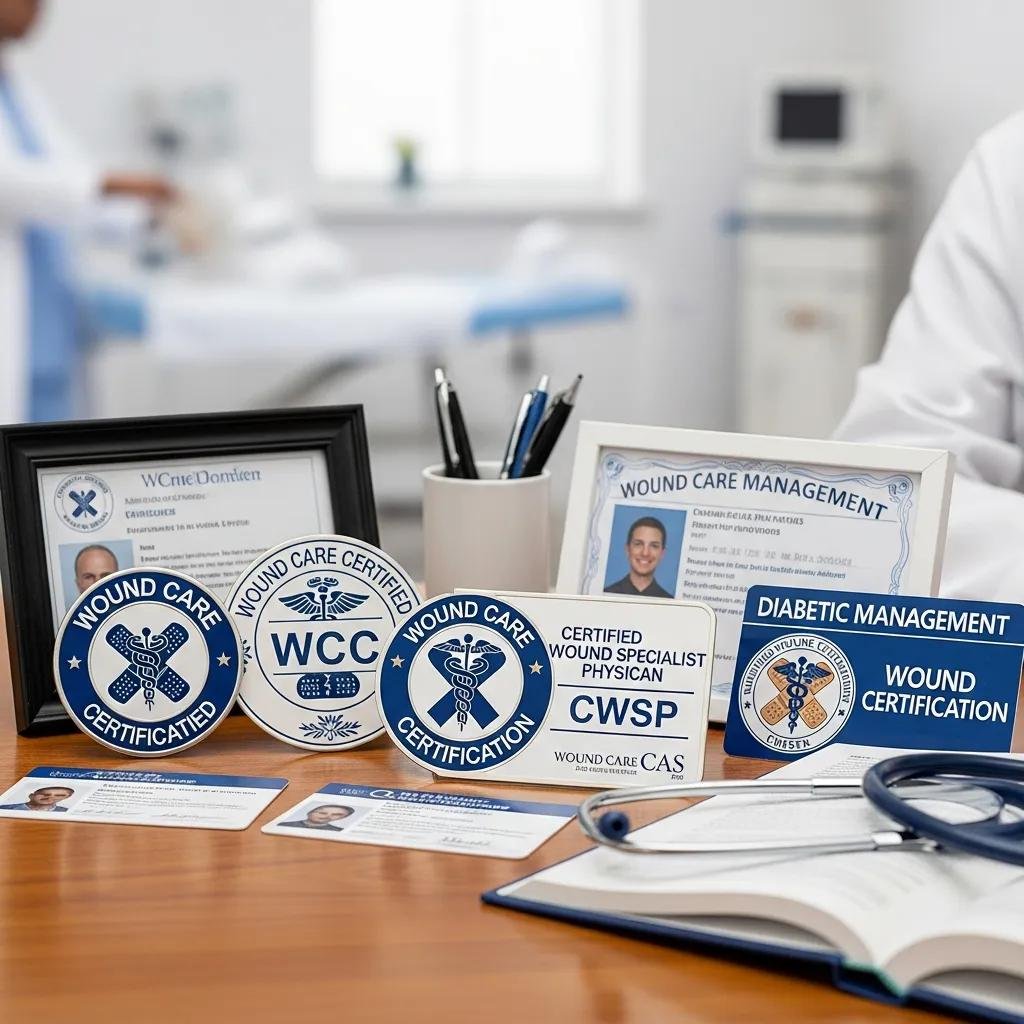
Healix360 clinicians hold a range of recognized wound care credentials that demonstrate their clinical skill and ongoing professional development. These certifications ensure our team stays current with best practices and advances in wound management.
What Is the Certified Wound Care Nurse Credential?
The Certified Wound Care Nurse (CWCN) designation is awarded to nurses who meet specific educational and clinical experience requirements and pass a formal exam. CWCNs have proven competencies in wound assessment, dressing selection, and treatment planning — skills that are especially valuable in mobile, home‑based care settings.
How Do Certified Wound Specialist and Wound Care Certified Differ?
The Certified Wound Specialist (CWS) credential targets clinicians who focus extensively on wound care and advanced treatment strategies. Wound Care Certified (WCC) is broader, covering foundational wound management for diverse healthcare providers. Both raise the standard of care, but CWS often represents a deeper specialization while WCC signals solid, broadly applicable wound care training.
How Does Healix360 Ensure Provider Qualifications and Continuous Training?
We maintain high standards through rigorous hiring and ongoing education. Every clinician goes through a detailed vetting process and participates in regular training so care remains current, safe, and effective.
What Is the Vetting Process for Mobile Wound Care Specialists?
Our vetting includes verification of education, licensure, and certifications, review of clinical experience, and checks on professional references. We also perform background screenings and monitor performance through clinical audits and quality reviews before clinicians join our mobile care teams.
How Is Ongoing Education and Quality Assurance Maintained?
Continuing education is required for all Healix360 specialists. Team members attend workshops, complete coursework on new therapies, and participate in case reviews. We use peer review, patient feedback, and outcome tracking to measure quality and guide continuous improvement.
How Can Patients and Caregivers Verify Mobile Wound Care Provider Credentials?
Verifying credentials is an important step when choosing a provider. Patients and caregivers can confirm training, certifications, and experience with a few simple actions.
What Steps Should You Take to Confirm Specialist Certifications?
To confirm a specialist’s credentials, follow these steps:
- Request documentation: Ask the clinician or agency for copies of licenses and certificates.
- Check professional organizations: Look up certifications through the issuing bodies or professional associations that list certified members.
- Ask about experience: Discuss specific wound types they treat, years of practice, and any specialized training.
These checks help you feel confident that care is delivered by a qualified professional.
Why Is Board Certification Important for Mobile Wound Care Providers?
Board certification signals that a provider has met rigorous standards and continues to pursue professional development. Certified clinicians are more likely to follow best practices, make appropriate treatment decisions, and achieve better healing outcomes — which matters when managing complex wounds outside the hospital.
What Are the Benefits of Choosing Board-Certified Mobile Wound Care Specialists?
Choosing board‑certified specialists means care from clinicians who combine up‑to‑date knowledge with hands‑on experience. That leads to safer care, clearer treatment plans, and faster recovery when possible.
How Do Certified Specialists Improve Patient Outcomes and Safety?
Certified specialists use evidence‑based approaches to personalize treatment plans, reducing risks and improving response to therapy. Their training helps them spot complications early and adjust care promptly, which improves safety and outcomes.
In What Ways Does Certification Reduce Complications and Healing Time?
Certification supports consistent application of effective treatments and timely interventions, which lowers complication rates. Analyses suggest certified providers can reduce healing time by roughly 25% compared with non‑certified counterparts — a substantial benefit for patients with chronic wounds.
How Does Regenerative Medicine Expertise Enhance Mobile Wound Care Credentials?
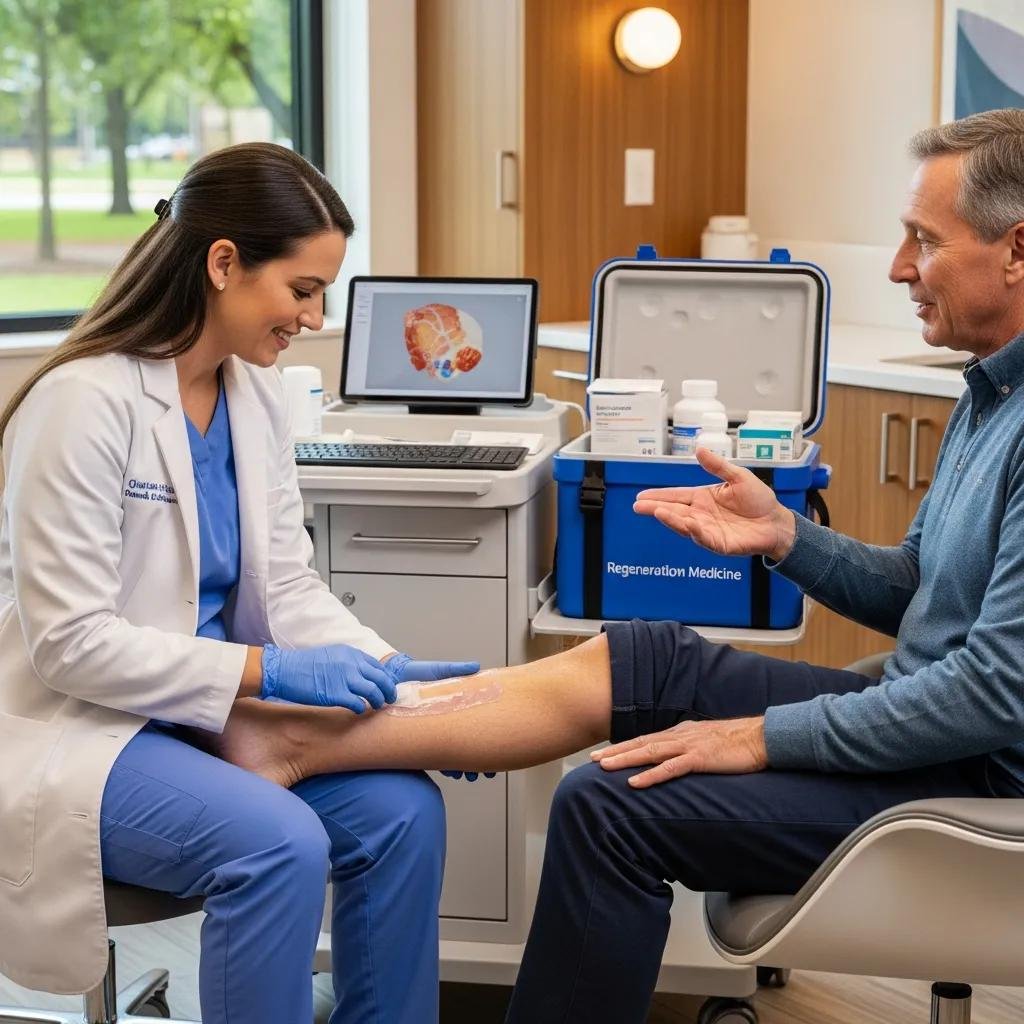
Regenerative medicine adds another layer of tools for difficult wounds. Expertise in these therapies strengthens a clinician’s treatment options and can improve healing when conventional approaches are insufficient.
What Role Does Regenerative Medicine Play in Advanced Wound Treatments?
Regenerative approaches — including biologic dressings and therapies that support tissue repair — aim to jump‑start the body’s healing processes. These options are used selectively for complex or non‑healing wounds to improve tissue regeneration and outcomes.
How Are Specialists Trained in Regenerative Therapies?
Healix360 clinicians receive focused training in regenerative techniques through coursework, hands‑on workshops, and supervised clinical practice. Ongoing education ensures they apply new therapies safely and appropriately within a comprehensive treatment plan.
| Certification | Description | Importance |
|---|---|---|
| Certified Wound Care Nurse (CWCN) | Certification for nurses with specialized wound care training | Demonstrates advanced nursing skills in wound assessment and management |
| Certified Wound Specialist (CWS) | Credential for clinicians focused on advanced wound care | Validates deep knowledge of complex wound therapies and care planning |
| Wound Care Certified (WCC) | Certification for a broad range of healthcare providers | Confirms solid, foundational competence in wound care practices |
This overview shows common certifications and how they support high‑quality wound care.
Mobile wound care specialists play a key role in treating complex wounds where patients live. Understanding credentials helps you choose care that’s safe and effective. Organizations like Healix360 prioritize rigorous training and certification so patients get the best possible outcomes.
Frequently Asked Questions
What qualifications should I look for in a mobile wound care specialist?
Look for recognized credentials such as CWCN, CWS, or WCC, plus active licensure and relevant clinical experience. Also ask about ongoing education and training in advanced therapies like regenerative medicine — these indicate a provider who stays current with best practices.
How can I find a certified mobile wound care specialist near me?
Start by asking your primary care provider or local hospital for referrals. Check professional association directories and the websites of wound care organizations. You can also contact mobile wound care providers directly to ask about certifications and service areas.
What should I expect during a mobile wound care visit?
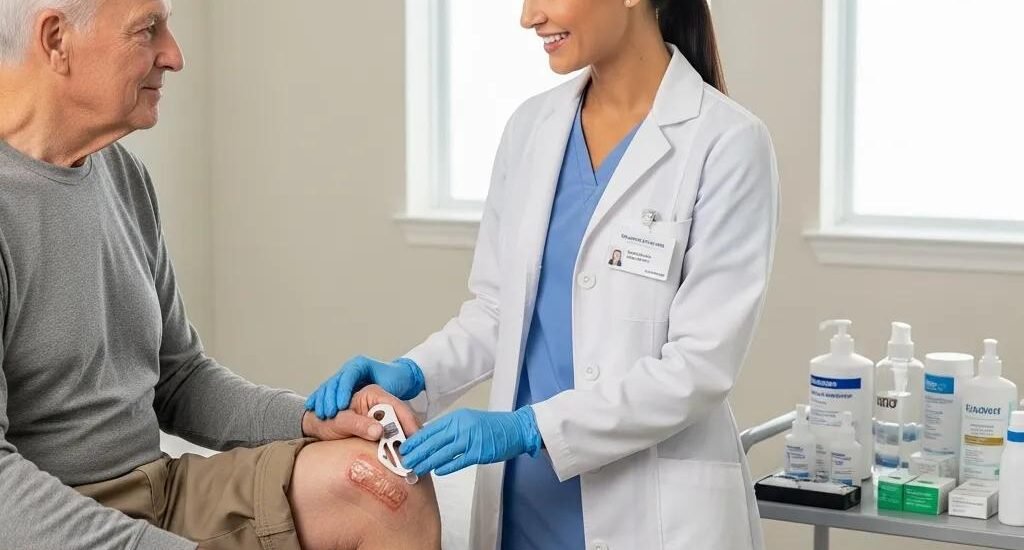
A typical visit includes a thorough wound assessment, review of medical history, dressing changes or treatments, and a clear care plan. The clinician will teach you home care steps and schedule follow‑ups to monitor healing and adjust therapy as needed.
Are mobile wound care services covered by insurance?
Coverage varies by insurer and plan, but many policies cover medically necessary wound care. Contact your insurance provider to confirm benefits and any requirements, and your wound care team can often help with pre‑authorization and billing questions.
What types of advanced therapies might a mobile wound care specialist use?
Advanced options include negative pressure wound therapy, biologic dressings, and regenerative techniques. The chosen therapy depends on the wound type, patient health, and treatment goals; your clinician will explain the rationale and expected benefits.
How often should I expect visits from a mobile wound care specialist?
Visit frequency depends on wound severity and the treatment plan. Complex wounds may require one to two visits per week, while more stable wounds need less frequent monitoring. Your clinician will set a schedule and adjust it based on progress.
Conclusion
Knowing a specialist’s credentials helps you make informed choices and increase the chances of successful healing. Certified clinicians bring validated skills, ongoing education, and access to advanced therapies. If you’re ready to learn more or connect with a qualified provider, explore our services and reach out to Healix360 to find care that fits your needs.