
Real Patients, Real Healing: Mobile Wound Care Success Stories
Receiving wound care at home can change the course of a chronic wound—and a life. This article shares real patient success stories that show how mobile wound care brings expert treatment, comfort, and convenience to the places people live. You’ll read firsthand accounts of healing, learn how patient stories build confidence in care, and see how Healix360 applies advanced therapies to common chronic wounds. These narratives make clear why at‑home care matters for patients and their families.
Chronic wounds don’t just affect skin—they affect daily life, pain levels, and emotional wellbeing. Healix360’s mobile services address the wound while also supporting the person behind it. Below we explore personalized treatment plans, the role of board‑certified specialists, and the benefits of regenerative approaches that help patients heal faster and live more comfortably.
What Are Mobile Wound Care Patient Testimonials and Their Impact?
Patient testimonials are candid accounts from people who received wound care in their homes. These stories help other patients and caregivers understand what to expect and build trust in mobile services. Hearing how others improved—sometimes after years of stalled progress—helps families decide whether at‑home wound care is right for them.
How Do Patient Success Stories Demonstrate Healing Outcomes?
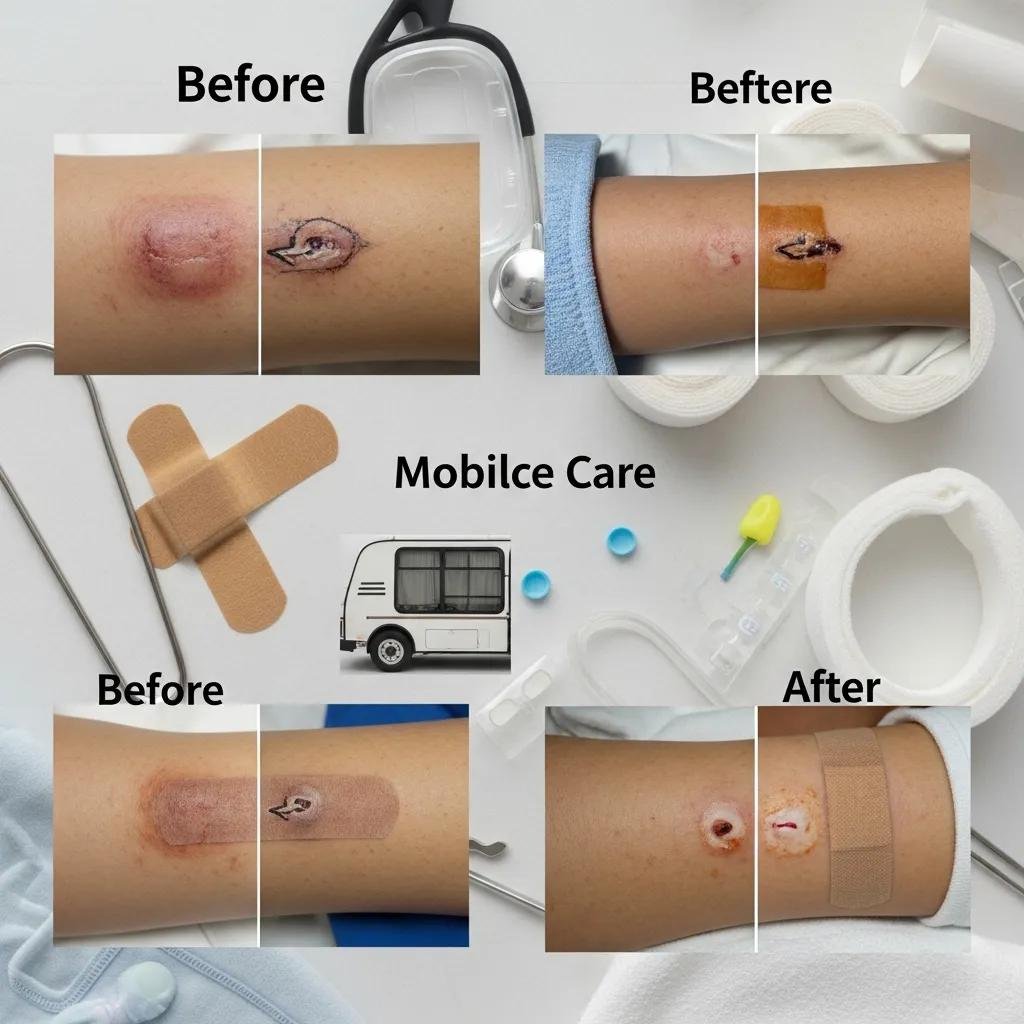
Success stories give concrete examples of what mobile wound care can achieve. Many patients report faster healing, less pain, and fewer hospital visits after starting in‑home care. Published studies and clinical experience also show comparable—or in some cases improved—healing rates versus clinic‑only treatment. When paired with before‑and‑after photos, these stories provide clear, visual confirmation of progress.
Why Are At-Home Wound Healing Stories Important for Chronic Wound Care?
At‑home stories highlight practical benefits: fewer trips to appointments, treatment in a familiar setting, and emotional comfort from being near family. Patients commonly say that this combination improves adherence to care plans and reduces stress—factors that positively influence recovery and long‑term outcomes.
How Does Healix360 Deliver Advanced Mobile Wound Care Services?
Healix360 blends clinical expertise with mobile delivery to make advanced wound care accessible. Our clinicians bring technology and evidence‑based treatments into patients’ homes, tailoring each plan to the wound, the person, and their daily life.
What Personalized Treatments Are Used in Mobile Wound Care?
We use individualized treatment strategies that may include debridement, biologic dressings, and negative pressure wound therapy. Plans are chosen for the wound type and the patient’s needs—biologic dressings, for example, help maintain a moist healing environment that supports tissue regrowth and reduces infection risk.
Who Are the Board-Certified Specialists Behind Patient Success?
Healix360’s results come from a team of board‑certified wound specialists with deep clinical experience. Patients often remark on the team’s clear explanations, careful listening, and collaborative approach—factors that build trust and encourage active participation in the healing plan.
Which Chronic Wound Types Show Successful Healing with Mobile Care?
Mobile wound care is effective across several chronic wound types. Knowing which wounds commonly respond well to at‑home care helps patients and caregivers choose the right path and set realistic expectations.
How Are Diabetic Foot Ulcers Healed Through Mobile Wound Care?
Diabetic foot ulcers are a frequent focus of mobile care. Because these wounds often stem from circulation and nerve issues, tailored strategies—specialized dressings, offloading, and close monitoring—are essential. Many patients see faster improvements and fewer emergency visits when managed through consistent, in‑home care.
What Are the Recovery Stories for Pressure and Venous Leg Ulcers?
Pressure ulcers and venous leg ulcers also respond well to mobile care. Regular visits allow clinicians to adjust treatments quickly, leading to measurable improvement within weeks to months for many patients. Patient photos and progress notes commonly show substantial healing when care is timely and consistent.
Key Benefits and Healing Outcomes of Regenerative Mobile Wound Care
How Does Regenerative Medicine Accelerate Healing in Mobile Care?
Regenerative techniques—like growth factors and bioengineered skin substitutes—are increasingly used in mobile wound care to stimulate tissue repair and improve blood flow. While stem cell therapies are still evolving, regenerative tools already help many patients heal faster and with better tissue quality.
What Quality of Life Improvements Do Patients Experience?
Patients receiving regenerative and personalized mobile care often report less pain, improved mobility, and greater independence as wounds heal. Testimonials frequently describe returning to hobbies, reduced caregiver burden, and a renewed sense of normalcy—benefits that go beyond the wound itself.
How Do Caregivers and Patients Experience Successful In-Home Wound Care?
What Support Do Caregivers Receive During Mobile Wound Treatment?

Caregivers are central to successful home‑based healing. Healix360 equips family members with practical training—wound care techniques, medication schedules, and guidance on when to call for help. This support reduces anxiety and enables caregivers to confidently assist in daily care.
How Does Mobile Care Overcome Mobility and Accessibility Challenges?
For patients with limited mobility, traveling to appointments can be a major barrier. Mobile care removes that obstacle by delivering expert treatment where the patient lives. Many families say this convenience improves adherence and reduces missed appointments, which directly supports better outcomes.
How Can You Access Mobile Wound Care and Share Your Healing Story?
What Are the Steps to Schedule a Consultation with Healix360?
Scheduling a consultation is straightforward. Start by contacting Healix360 by phone or through our website. We’ll collect basic medical history and wound details, then arrange a home visit with a specialist who will assess the wound and recommend a personalized plan. Our process is designed to get care started quickly and efficiently.
How Can Patients and Caregivers Submit Testimonials and Visual Proof?
We welcome patient and caregiver stories. Healix360 provides clear instructions for submitting testimonials and photos, including privacy preferences and suggested content. Sharing your experience helps others understand real‑world results and supports a community of patients and families navigating wound care.
| Wound Type | Treatment Method | Success Rate* |
|---|---|---|
| Diabetic Foot Ulcers | Advanced dressings, offloading | ~70-85% |
| Pressure Ulcers | Regular monitoring, specialized care | ~70-90% |
| Venous Leg Ulcers | Compression therapy, wound management | ~70-80% |
*Success rates vary depending on wound severity, patient compliance, and treatment duration.
Frequently Asked Questions
What qualifications should I look for in a mobile wound care specialist?
Look for board certification in wound care or related specialties and experience treating the wound types you’re concerned about. Equally important: find clinicians who listen, explain options clearly, and involve you in decisions. Patient testimonials and outcomes can also help verify a provider’s expertise and bedside approach.
How does mobile wound care differ from traditional wound care?
Mobile wound care delivers the same clinical expertise but in the patient’s home. That reduces travel, improves comfort, and often increases adherence to treatment. Mobile teams use evidence‑based therapies and tailor plans to the person and their living situation—steps that can improve healing compared with clinic‑only care.
What types of insurance typically cover mobile wound care services?
Coverage varies by plan. Many Medicare and Medicaid programs cover home health services, including wound care, when medically necessary. Private insurers may also cover mobile wound services—check your policy for details on coverage, pre‑authorization, and documentation requirements.
Can mobile wound care services accommodate patients with multiple chronic conditions?
Yes. Mobile wound care teams assess the whole patient, not just the wound. Specialists coordinate treatment plans that consider diabetes, vascular disease, and other conditions that affect healing, and they communicate with the broader care team to manage complex needs.
What role do family members play in the mobile wound care process?
Family members provide daily support, help with appointments, and assist with wound care tasks. Healix360 trains caregivers in safe techniques and care routines so they can support healing while reducing stress and errors at home. Their involvement often improves adherence and outcomes.
How can I track the progress of my wound healing at home?
Track healing with regular photos, measurements, and notes about pain, drainage, or changes in color. Keep a simple journal to record dates and any symptoms. Your mobile clinician will give specific guidance on what to watch for and when to reach out for help.
Conclusion
Mobile wound care combines clinical expertise with the convenience and comfort of home—helping many patients heal more effectively and live better. Patient stories make the benefits clear: less pain, fewer trips to clinic, and meaningful recovery. If you or a loved one faces a chronic wound, consider Healix360’s mobile services and schedule a consultation to explore a personalized plan for healing.