
Essential Safety Protocols for Mobile Wound Care at Home
Mobile wound care brings clinical expertise to patients where they live — at home or in long-term care. This guide explains the safety protocols and standards that support reliable, effective care outside the clinic. You’ll find clear, practical information about the specific challenges of home-based wound care, proven infection‑prevention practices, quality and accreditation expectations, and how patients and caregivers can actively participate to improve outcomes. Understanding these protocols helps reduce risks and supports faster, safer healing. This resource covers safety essentials, infection control, quality benchmarks, patient education, advanced treatments, and outcome measurement for mobile wound care.
Why Are Safety Protocols Essential in Mobile Wound Care?
Safety protocols are the foundation of trustworthy mobile wound care. When care moves into homes or facilities, environmental variability and patient mobility introduce risks that clinical protocols are designed to reduce. Clear, consistent procedures lower the chance of complications — including infection and improper wound management — and protect both patients and clinicians.
Mobile wound care demands procedures that account for limited sterile space, differing patient capabilities, and variable caregiver experience. Robust protocols, ongoing staff training, and standard supplies are essential to keep care consistent and safe across diverse home settings.
What Unique Safety Challenges Does Mobile Wound Care Present?
Delivering wound care outside a controlled clinic environment creates several challenges. Patients’ physical mobility or cognitive status can affect how well they follow care instructions. Home cleanliness, storage of supplies, and access to running water vary from house to house, which affects how procedures are performed.
Patient adherence is also central — missed dressing changes or improper care can lead to setbacks. That’s why mobile wound care programs must combine clinical rigor with practical patient education and flexible plans tailored to each home environment.
Research highlights why understanding patient knowledge and everyday practices matters when supporting wound care at home.
Mobile Health & Home Wound Care: Knowledge, Attitudes, and Practices
Background: Wounds from injuries are common, and incorrect or incomplete treatment can harm health. There is limited information about home wound care knowledge, attitudes, practices, and the use of mobile health (mHealth) in domestic settings in Taiwan.
Wound care knowledge, attitudes, and practices and mobile health technology use in the home environment:
Cross-sectional survey of social network users, CY Guo, 2020
How Does Healix360 Ensure Patient Safety in Home Settings?
Healix360
Our mobile wound care team puts patient safety first through targeted training, standard operating procedures, and clear patient education. Clinicians complete focused instruction in infection control, wound assessment, and hands-on treatment so they arrive prepared and confident in each home visit.
We follow strict equipment sterilization steps and give patients straightforward, easy-to-follow instructions for home care. This combination of clinical standards and practical guidance builds trust and helps patients stick with their treatment plans.
How Does Healix360 Prevent Infections in Mobile Wound Care?
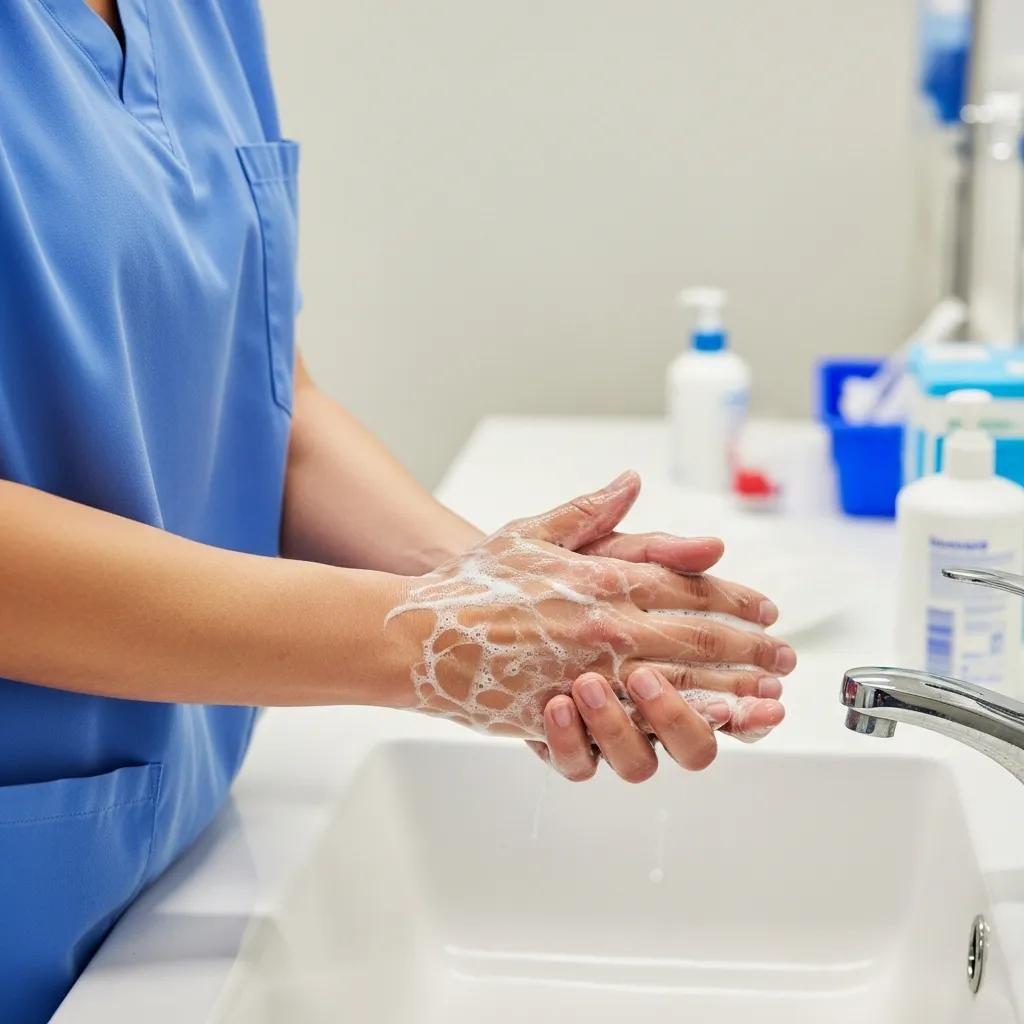
Infection prevention is central to safe wound care at home. Healix360 uses a layered approach — routine hand hygiene, appropriate use of personal protective equipment (PPE), and sterile technique when required — to keep infection risks low during every visit.
These practical steps, combined with regular wound assessments and prompt action when signs of infection appear, keep patients safer and support steadier healing.
What Are the Key Infection Prevention Guidelines for Home Wound Care?
- Hand Hygiene
: Clinicians and caregivers should wash or sanitize hands before and after wound care to prevent transferring bacteria. - Use of PPE
: Gloves, masks, and other appropriate PPE protect both the patient and the care team during procedures. - Sterile Techniques
: When a procedure requires sterile conditions, teams follow aseptic steps to change dressings and handle supplies safely.
Consistent adherence to these practices lowers infection risk and supports predictable healing progress.
Which Advanced Strategies Does Healix360 Use to Manage Wound Infections?
Healix360 applies evidence‑based tactics to control wound infection: targeted antimicrobial dressings that reduce bacterial load while preserving a moist healing environment, routine wound reassessment to catch early signs of infection, and clear escalation pathways for timely medical intervention.
We also teach patients and caregivers how to spot early warning signs so problems get addressed quickly — empowering them to be active partners in care and improving safety overall.
What Quality Standards and Accreditations Support Mobile Wound Care Safety?
Quality standards and formal accreditation create a measurable baseline for safe, effective mobile wound care. These frameworks define training expectations, clinical processes, and patient-safety practices that providers must meet.
Accreditation from recognized organizations signals that a provider consistently meets those standards — giving patients and families confidence in the care they receive.
How Do Board-Certified Specialists Enhance Patient Safety?
Board‑certified wound specialists bring focused expertise in assessment, treatment planning, and infection control. Their advanced training helps them manage complex wounds, tailor therapies to each patient, and reduce the chance of complications.
Having specialists involved means care plans are evidence‑based and individualized, which improves outcomes and shortens recovery when possible.
Which Accreditation Bodies Validate Healix360’s Care Standards?
Healix360 maintains accreditation and certifications from respected bodies such as the Accreditation Commission for Health Care (ACHC) and the Wound, Ostomy and Continence Nursing Certification Board (WOCNCB). These organizations set rigorous standards for clinical quality, safety, and staff competency.
Such recognitions matter because they confirm our commitment to consistent, high-quality mobile wound care.
How Are Patients and Caregivers Empowered for Safe Mobile Wound Treatment?
Patient and caregiver education is a core part of safe home-based wound care. When families understand the why and how of a care plan, they’re better able to follow instructions and avoid preventable complications.
Healix360 provides practical learning resources — in-person workshops, clear printed guides, and online content — so patients and caregivers can confidently support day‑to‑day care and recognize when to reach out for help.
What Education and Support Does Healix360 Provide to Patients and Caregivers?
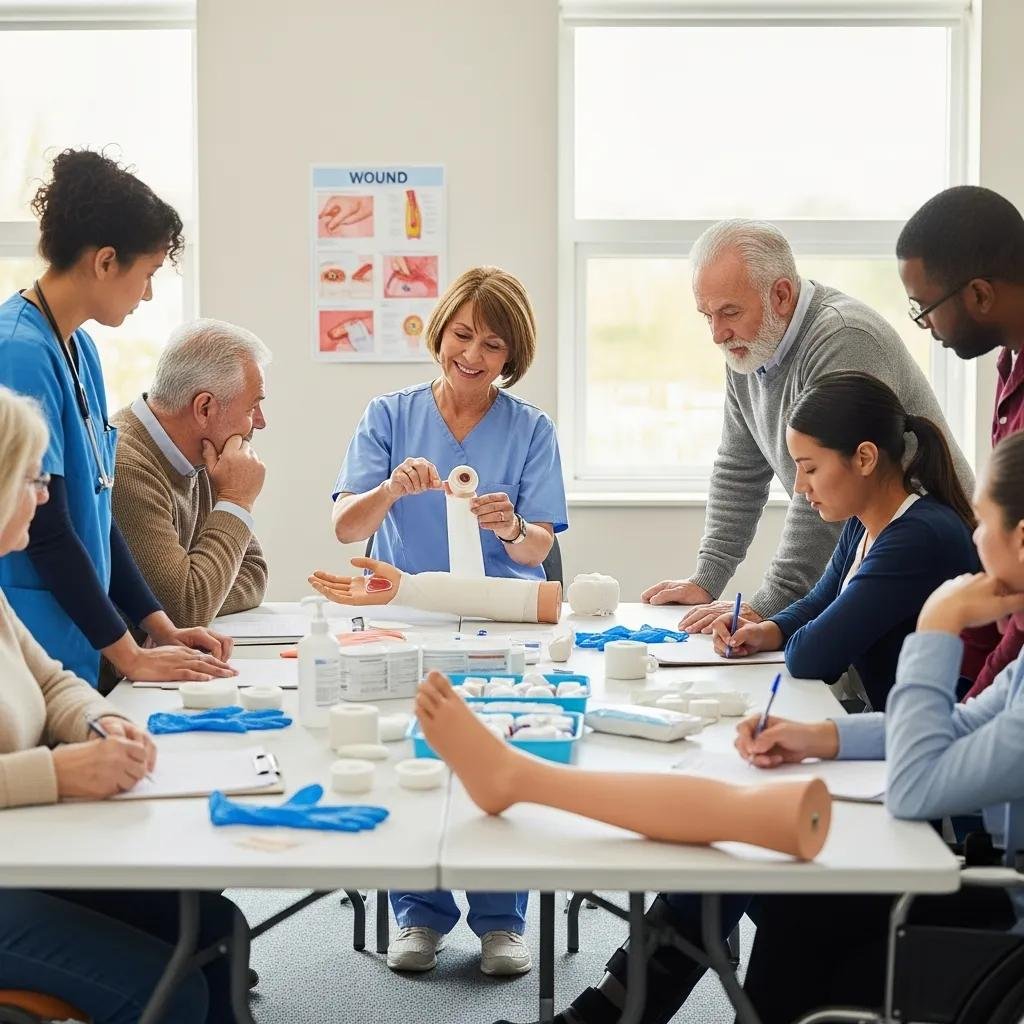
- Workshops
: Hands‑on sessions that teach dressing changes, wound observation, and safety protocols. - Printed Materials
: Simple, step-by-step brochures and checklists families can reference between visits. - Online Resources
: Digital guides and videos for ongoing support and refresher learning.
These resources are designed to make care easier to follow, reduce errors, and help patients recover more reliably.
What Should Patients Expect During Their Mobile Wound Care Journey?
Expect a clear, stepwise process: an initial assessment to evaluate the wound and medical history, a personalized treatment plan, and scheduled follow-ups to monitor progress and adjust therapy as needed.
Follow-up frequency varies by wound complexity and healing pace. Throughout the process,
open communication
with your care team is encouraged so you feel supported and informed at every step.
What Advanced Treatments Are Used and How Are Their Safety Protocols Managed?
Advanced mobile wound care can include debridement, biologic dressings, and negative pressure wound therapy (NPWT). Each treatment comes with specific safety checks and clinician competencies to ensure correct, effective use outside the clinic.
Understanding how these therapies are applied — and the safety steps that accompany them — helps patients and caregivers follow instructions and recognize when to seek help.
How Are Debridement, Biologic Dressings, and Negative Pressure Therapy Safely Administered?
- Debridement
: Trained clinicians remove non‑viable tissue using sterile techniques and appropriate pain control to reduce infection risk and promote healing. - Biologic Dressings
: Applied using aseptic technique and stored/handled per product guidelines to preserve safety and effectiveness. - Negative Pressure Wound Therapy
: NPWT devices are set up and monitored by trained staff, with regular checks to ensure proper function and patient comfort.
Following these protocols allows clinicians to use advanced therapies safely and to maximize their benefit for patients.
What Safety Measures Ensure the Efficacy of Regenerative Medicine in Wound Healing?
Regenerative approaches require strict quality control for biologic products, careful patient selection, and documented informed consent. Thorough baseline assessments and ongoing monitoring help confirm safety and track therapeutic responses.
When applied within those safeguards, regenerative treatments can support improved healing while minimizing complications.
How Does Healix360 Measure Outcomes to Ensure Safety and Healing Success?
Outcome measurement is essential to validate care quality and guide improvements. Healix360 tracks metrics such as infection rates, time to wound closure, and patient satisfaction to evaluate effectiveness and patient experience.
These data help refine protocols, target training, and demonstrate where mobile wound care delivers measurable benefits.
What Statistics Demonstrate Reduced Infection Rates and Faster Healing?
Studies show that when mobile wound care programs follow evidence‑based protocols, infection rates drop and healing timelines improve compared with inconsistent home care. For example, infection rates may fall by roughly 20–30% when best practices are consistently applied.
Mobile health tools — including remote assessment and quality feedback — are increasingly recognized for their role in improving home wound management and outcomes.
Mobile Health for Home Wound Management: Remote Assessment & Patient Outcomes
Background: Traveling to clinics for chronic wound care can be burdensome. Remote wound assessment and management using mobile and telehealth approaches can lessen that burden and improve outcomes. Accurate wound images are an important part of documentation, but poor image quality can reduce assessment reliability.
Wound image quality from a mobile health tool for home-based chronic wound management with real-time quality feedback: randomized feasibility study, J Zhang, 2021
Many patients report noticeable improvement within weeks of starting coordinated mobile care — a sign that consistent protocols and timely interventions make a real difference.
How Does Mobile Wound Care Reduce Hospital Readmissions and Improve Patient Satisfaction?
Mobile wound care helps prevent complications that can lead to hospital readmission by delivering timely, targeted treatments in the home. Early intervention and ongoing monitoring reduce the need for emergency care or inpatient stays.
Patients and families also value the convenience and personalized attention mobile teams provide, which typically results in higher satisfaction and greater adherence to care plans.
Frequently Asked Questions
What types of wounds are suitable for mobile wound care?
Mobile wound care can safely address many wound types — chronic wounds like diabetic foot ulcers, pressure injuries, and venous leg ulcers, as well as post‑operative wounds and certain traumatic injuries. Suitability depends on wound severity, stability, and the home environment; each case is evaluated individually to ensure safe, appropriate care.
How can patients prepare for a mobile wound care visit?
Prepare by clearing a clean, well‑lit area for treatment and gathering recent medical information, current medications, and any previous wound care notes. Have a list of questions ready for the clinician and let the team know about allergies or material sensitivities. These simple steps make visits smoother and more effective.
What role do caregivers play in mobile wound care?
Caregivers help with day‑to‑day tasks like dressing changes, wound observation, and adherence to treatment plans. With practical training and clear instructions from clinicians, caregivers become confident partners who help prevent complications and support healing.
How often should patients expect visits from mobile wound care specialists?
Visit frequency varies with wound complexity and treatment needs. Initial visits may be more frequent to establish a plan, then adjusted to weekly or biweekly follow-ups as the wound improves. The care team will explain the recommended schedule and update it based on progress.
What should patients do if they notice signs of infection?
If you see increased redness, swelling, warmth, pain, or unusual drainage, contact your mobile wound care provider promptly. Rapid communication lets clinicians assess the situation and intervene early, which can prevent worsening and support faster recovery.
Are there any costs associated with mobile wound care services?
Costs depend on the provider, wound complexity, and visit frequency. Many insurance plans cover mobile wound care — check your policy for details. Some programs offer payment plans or financial assistance; discuss billing and coverage with your care team before services begin.
Conclusion
Consistent safety protocols, infection prevention, and patient education are the pillars of effective mobile wound care. When these elements come together — supported by accredited teams and measured outcomes — patients get safer, more convenient care that improves healing. If you or a loved one could benefit from expert mobile wound services, reach out to learn how our team can help you recover with confidence.