
Innovative Mobile Wound Care for Faster At-Home Healing
Mobile wound care technology is transforming how wounds are treated — bringing timely, advanced care directly to patients’ homes. Below we explain what mobile wound care includes, the core components that support healing, and the tangible benefits for patients and caregivers. As chronic wounds become more common, understanding how home‑based, technology‑driven care improves outcomes is increasingly important. We also outline the regenerative therapies used in mobile care and how teams like Healix360 Advanced Mobile Wound Care Specialists combine technology with personalized treatment plans.
What is Mobile Wound Care Technology and How Does It Improve Healing?
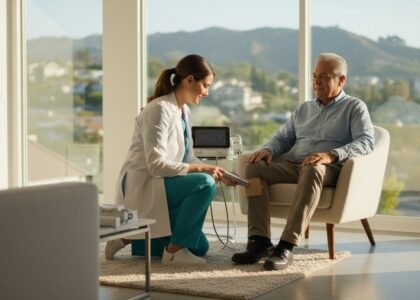
Mobile wound care technology combines compact medical devices, remote monitoring, and telehealth to provide wound treatment where patients live. By making care more accessible and timely, this model reduces unnecessary clinic visits and helps clinicians intervene earlier. Key elements include portable therapy devices, secure telehealth consultations, and individualized care plans that respond to each patient’s needs.
Evidence supports the effectiveness of these home‑based approaches, particularly for patients living in rural or underserved communities.
Home & Mobile Wound Care Apps for Rural Patients
This study found that home‑based and technology‑enabled wound care are practical, effective options for ongoing wound management in rural areas. Mobile wound clinics and at‑home wound care apps help ensure timely follow‑up after hospital discharge and provide steady support for people living with chronic wounds.
Wound Care Services In Rural America, 2025
Defining Mobile Wound Care and Its Key Components
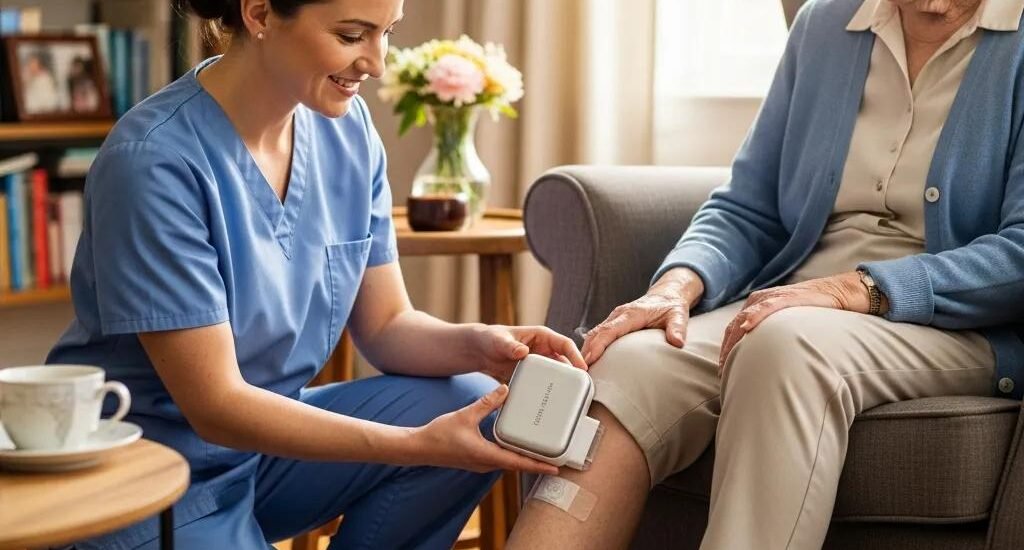
Mobile wound care covers a spectrum of services aimed at treating chronic wounds where the patient is most comfortable — at home. Core tools include portable assessment devices, negative pressure wound therapy (NPWT) systems, and biologic dressings. These technologies let clinicians monitor wounds remotely, intervene quickly when needed, and keep care plans responsive. The result is better access and a more patient‑centered experience.
How Portable Wound Healing Technology Enhances Patient Convenience and Outcomes
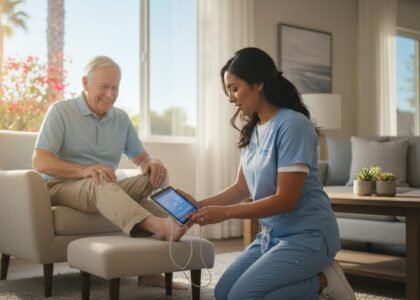
Portable wound technology reduces the burden of repeated hospital trips. Patients receive care in a familiar setting, which often improves comfort and adherence. Telehealth visits let clinicians review wound progress, update treatments, and answer questions without travel. That convenience encourages consistent follow‑through with treatment plans — a key driver of improved healing.
Smartphones and mobile apps further extend remote monitoring, making it easier for patients and clinicians to share wound images and data.
Smartphone-Based Mobile Telemedicine for Chronic Wound Monitoring
Telemedicine can be defined as the delivery and exchange of medical information using telecommunications. Mobile telemedicine systems that leverage smartphones enable clinicians to monitor chronic wounds remotely and support ongoing outpatient management.
Mobile telemedicine systems for remote patient’s chronic wound monitoring, C Chakraborty, 2016
Which Advanced Regenerative Treatments Are Used in Mobile Wound Care?
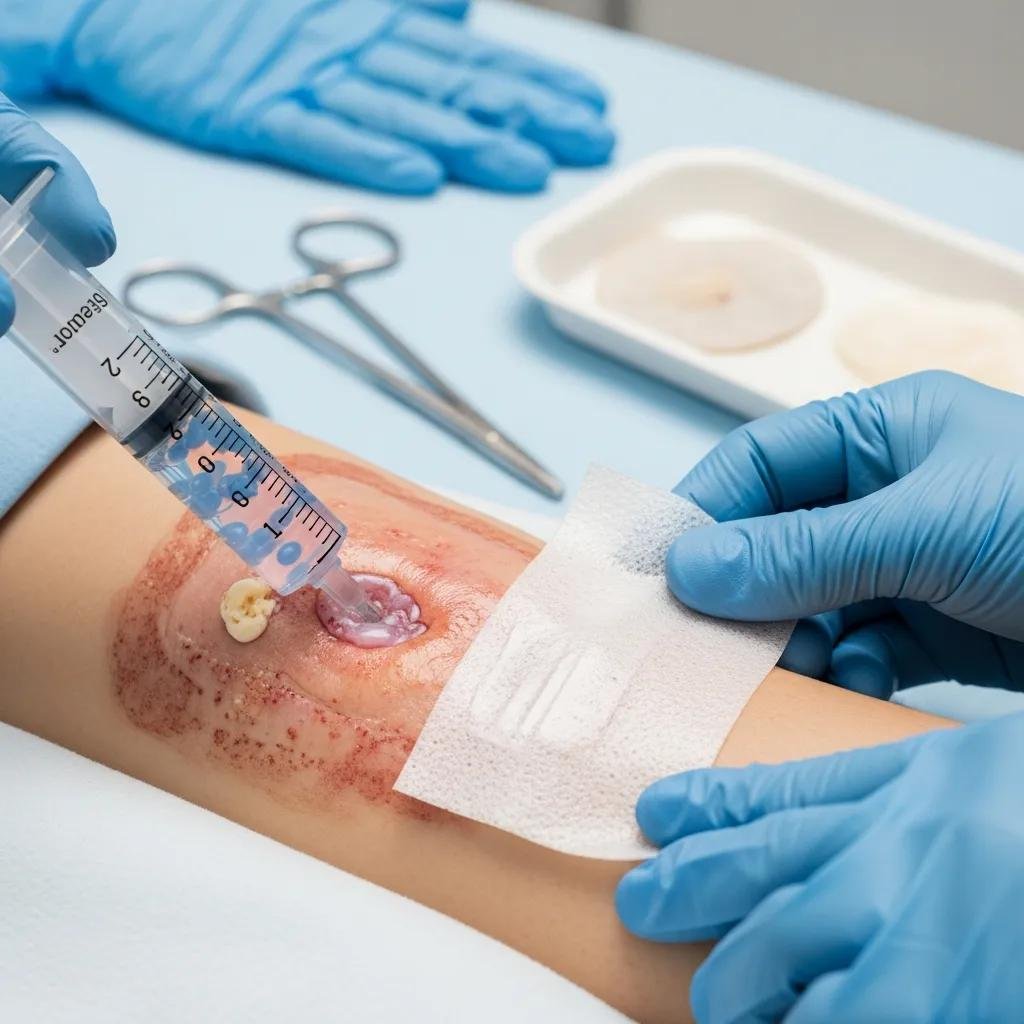
Regenerative therapies are central to modern mobile wound care, helping to jump‑start healing in wounds that resist standard approaches. Common options include stem cell treatments, biologic dressings that deliver growth factors, and negative pressure wound therapy — each selected based on wound type and patient needs.
How Do Stem Cell Therapy and Biologic Dressings Accelerate Wound Healing?
Stem cell therapy applies cells that support tissue regeneration and can enhance repair in chronic wounds. Biologic dressings create a supportive environment at the wound surface, supplying growth factors and structural support that promote healthy tissue formation. When used appropriately, these therapies often shorten healing time and improve functional outcomes.
These methods are part of a broader shift toward bioengineered and technology‑driven solutions that improve topical wound management.
Innovative Technologies for Advanced Wound Healing
Traditional care includes surgical debridement and grafting alongside non‑surgical options like topical agents and scaffold dressings. Newer approaches add nanoparticles, targeted growth factors, and bioengineered skin substitutes to accelerate repair and manage infection risk.
Current trends on innovative technologies in topical wound care for advanced healing and management, Q Saifullah, 2024
What Role Does Negative Pressure Wound Therapy Play in At-Home Care?
Negative pressure wound therapy (NPWT) applies controlled suction to a wound to remove fluids, reduce edema, and stimulate blood flow. Portable NPWT systems are well suited for home use, letting patients receive advanced therapy outside the hospital. NPWT can shrink wound size, lower infection risk, and speed healing when combined with proper clinical oversight.
What Types of Chronic Wounds Benefit from Mobile Wound Care Services?
Mobile wound care supports a wide range of chronic wounds, including diabetic foot ulcers, venous leg ulcers, pressure injuries, and post‑surgical wounds. Each condition requires tailored assessment and ongoing management to achieve the best outcomes.
How Are Diabetic Foot Ulcers and Pressure Ulcers Treated with Mobile Technology?
Diabetic foot ulcers demand careful, regular monitoring to prevent infection and preserve mobility. Mobile wound teams provide structured plans with frequent checks, advanced dressings, and offloading strategies. Pressure ulcers — caused by prolonged pressure — are managed through repositioning, specialized support surfaces, and targeted dressings, all adjustable through in‑home visits and telehealth follow‑ups.
Managing Venous Leg Ulcers and Post-Surgical Wounds at Home
Venous leg ulcers often require compression, wound care, and lifestyle support; mobile care lets clinicians fine‑tune these measures at home. Post‑surgical wounds benefit from consistent surveillance and early intervention when complications arise. Regular in‑home assessments reduce travel strain while maintaining clinical rigor.
How Does the Healix360 Patient Journey Integrate Technology and Personalized Care?
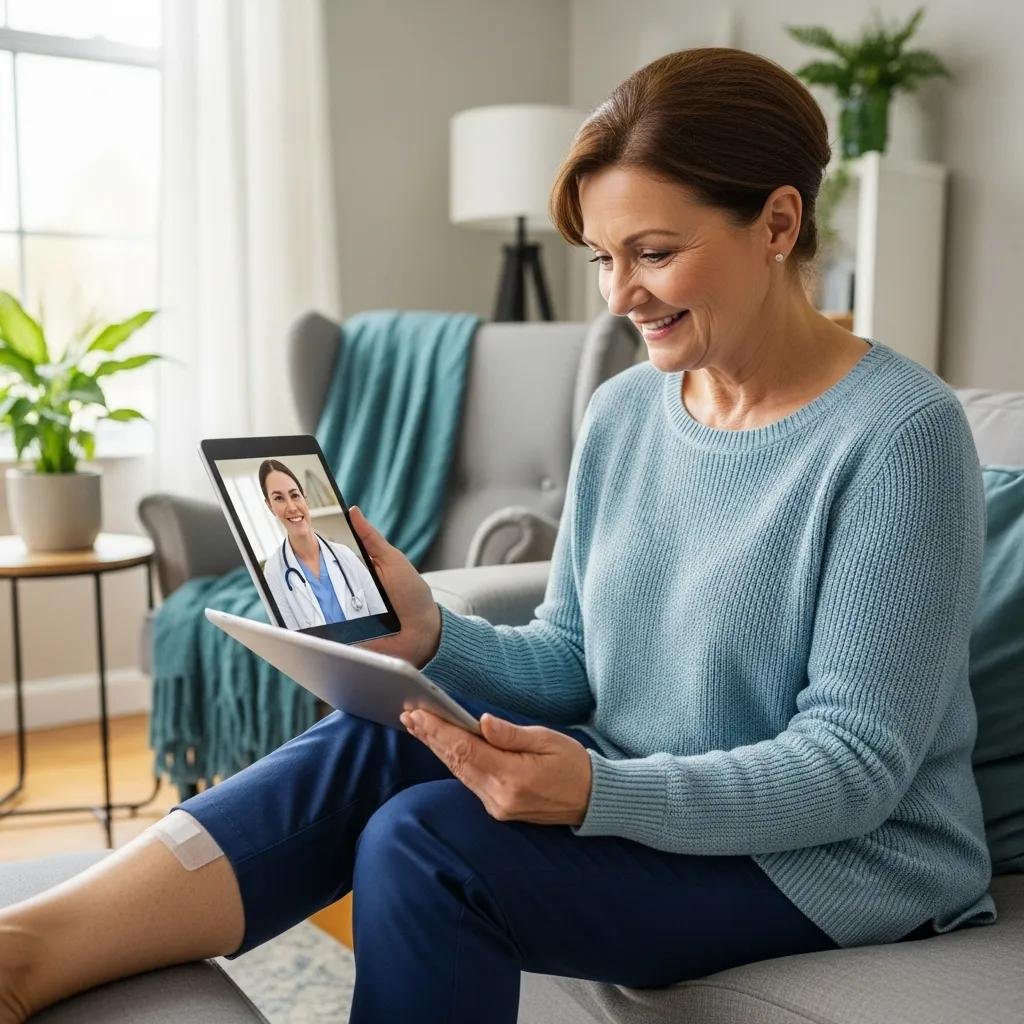
At Healix360, the patient journey blends clinical expertise with digital tools so each step — from assessment to discharge — is coordinated and clear. Our process emphasizes timely interventions, ongoing education, and measurable progress tracking to support safer, faster healing.
What Are the Steps from Initial Assessment to Follow-Up in Mobile Wound Care?
We begin with a comprehensive assessment of the wound and the patient’s overall health. Telehealth consultations gather history and visual data, then a personalized treatment plan is created. Follow‑up visits — virtual or in‑home — monitor healing, adjust therapies, and address barriers to recovery. This structured cadence keeps care consistent and outcomes measurable.
How Is Patient Education and Support Delivered Through Advanced Technology?
Education is delivered through simple, actionable resources: short videos, step‑by‑step guides, and secure messaging. These tools help patients and caregivers understand dressing changes, warning signs, and when to contact the care team. Empowered patients participate more actively in their recovery, which improves results.
What Are the Benefits of Advanced Home Wound Care for Patients and Caregivers?
Advanced home wound care improves comfort, reduces exposure to hospital‑based risks, and often shortens recovery time. It also eases the logistical and emotional burden on caregivers by bringing expert support into the home.
How Does Mobile Care Improve Comfort, Safety, and Healing Timelines?
Treatment at home lowers stress and exposure to hospital‑acquired infections while keeping clinical oversight close. Timely, personalized interventions help prevent complications and can accelerate healing — meaning fewer clinic visits and better quality of life for patients.
In What Ways Does Technology Simplify Caregiver Support and Communication?
Telehealth platforms and secure messaging let caregivers connect quickly with clinicians, review care instructions, and share updates. This improves coordination, reduces uncertainty, and gives caregivers clear steps to support healing at home.
How Is Mobile Wound Care Technology Covered and Supported by Insurance?
Insurance coverage varies, but many plans — including Medicare — provide benefits for outpatient wound care and specific advanced treatments when medically necessary. Understanding coverage details helps patients plan for care and reduces unexpected costs.
Is Medicare Part B Accepted for Advanced Mobile Wound Care Services?
Medicare Part B often covers outpatient wound care services, including relevant consultations and certain advanced therapies, when documented as medically necessary. Coverage depends on the specific device or treatment and supporting clinical documentation; patients should confirm benefits with their insurer.
What Are the Options for Fast Provider Matching and Personalized Treatment Plans?
Patients can use fast provider matching services to connect with qualified clinicians who specialize in mobile wound care. These digital tools streamline referrals and help create individualized treatment plans so care begins quickly and fits each patient’s needs. Learn more via fast provider matching.
| Treatment Type | Description | Benefits |
|---|---|---|
| Stem Cell Therapy | Uses regenerative cells to encourage tissue repair and regeneration | May accelerate healing and support robust tissue recovery |
| Biologic Dressings | Advanced dressings that deliver growth factors and structural support | Creates a healing environment and can lower infection risk |
| Negative Pressure Wound Therapy | Applies controlled suction to remove fluid and stimulate blood flow | Helps reduce wound size and promote faster recovery |
Integrating these evidence‑based treatments into mobile wound care reflects our commitment to improving patient outcomes while minimizing disruption to daily life.
Mobile wound care technology represents a practical, patient‑centered evolution in wound management — delivering advanced therapies and close clinical oversight where patients feel safest: at home. As care models continue to evolve, mobile solutions will play an increasingly important role in managing chronic wounds effectively.
Frequently Asked Questions
What are the main advantages of using mobile wound care technology for patients?
Mobile wound care reduces travel, shortens wait times, and keeps patients in a comfortable environment. It supports timely clinical intervention and personalized plans, improving the likelihood of successful healing. Remote monitoring also enables clinicians to adjust care quickly, which improves safety and satisfaction.
How does telehealth integrate with mobile wound care services?
Telehealth connects patients and clinicians for visual assessments, treatment plan updates, and education without an in‑person visit. It complements in‑home visits by enabling frequent check‑ins, sharing images securely, and ensuring continuity of care between visits.
What types of healthcare professionals are involved in mobile wound care?
Mobile wound care is typically delivered by a multidisciplinary team: wound care specialists, nurses, and physicians, supported as needed by physical therapists, nutritionists, and other allied professionals. This team approach addresses both the wound and the underlying factors that affect healing.
How can patients ensure they are receiving quality mobile wound care services?
Look for providers with wound care certification, relevant clinical experience, and positive patient feedback. Ask about the technologies they use, follow‑up protocols, and how they coordinate with your primary care team. Clear communication and measurable care plans are signs of quality service.
What are the potential challenges of mobile wound care technology?
Challenges include variable access to reliable internet or devices, inconsistent insurance coverage for some services, and the need for patient or caregiver engagement with treatment protocols. Effective mobile programs anticipate these barriers and provide practical solutions and education.
How does mobile wound care technology address the needs of rural patients?
By reducing travel and connecting patients with specialists via telehealth, mobile wound care improves access for rural residents. Mobile clinics and remote monitoring ensure follow‑up care after discharge and help maintain consistent treatment for chronic wounds in underserved areas.
Conclusion
Mobile wound care brings advanced, evidence‑based treatments into patients’ homes while keeping clinical oversight close and personal. With tailored care plans, timely interventions, and supportive education, patients often experience faster healing and less disruption to daily life. If you or a loved one could benefit from in‑home wound care, explore our services to learn how mobile solutions can support your recovery.