

Mobile Wound Care vs Hospital Treatment — Which Is Right for You?
Choosing the right wound-care path affects how quickly and comfortably you recover—especially with chronic wounds. This guide compares mobile wound care and hospital treatment so you can weigh the trade-offs and pick what fits your needs. Mobile care brings skilled clinicians to your home for convenient, personalized treatment; hospital care offers access to specialty teams and advanced equipment. Below we cover treatment types, benefits, advanced therapies, patient support services, cost and insurance points, and the key factors to consider when deciding.
Wound Care Options: Mobile vs Hospital Treatment Explained
Most patients choose between two main paths: mobile wound care or hospital-based treatment. Mobile wound care means clinicians come to your home or facility to assess and treat wounds. It’s ideal for people with limited mobility or anyone who prefers treatment in a familiar setting. Hospital-based wound care takes place in a medical facility, where specialized staff and diagnostic tools are immediately available—often necessary for complex or rapidly changing cases.
How Does Mobile Wound Care Work at Home or Facilities?
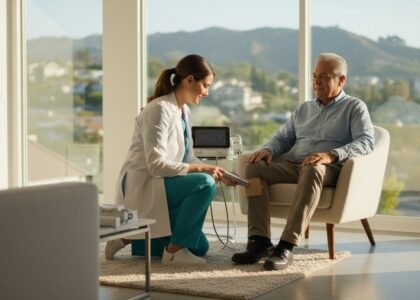
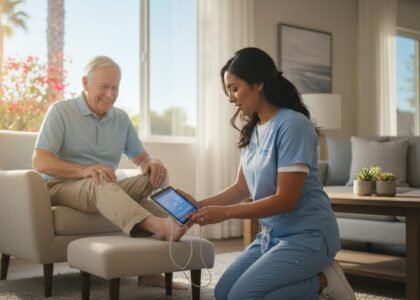
Mobile wound care teams send trained specialists to your location. During a visit, the clinician evaluates the wound, delivers the prescribed treatment, and teaches you and your caregivers how to manage care between visits. That one-on-one attention lets clinicians tailor plans to your situation, helping you follow through on treatment and improving comfort and outcomes.
What to Expect from Hospital-Based Wound Treatment?
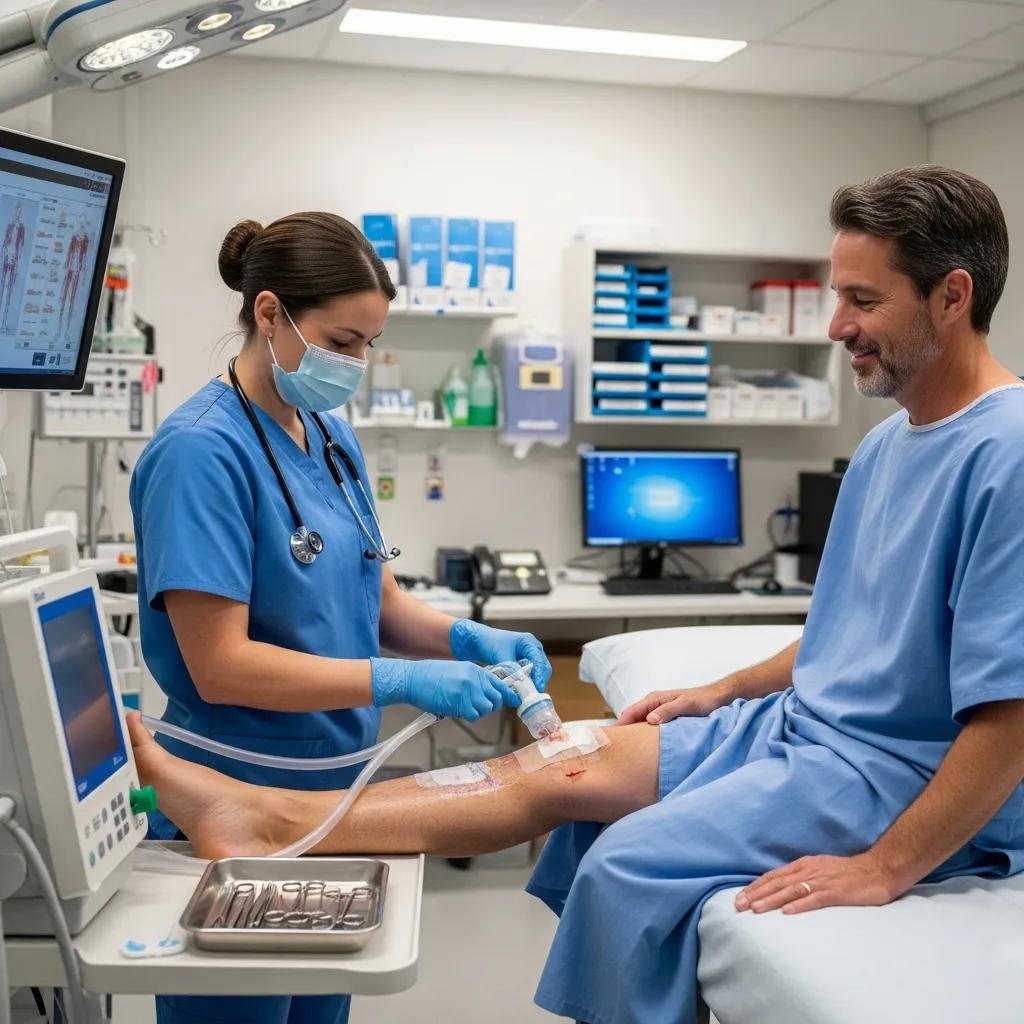
Hospital wound care happens in a structured clinical environment with access to diagnostic testing, specialists, and advanced devices. You may face longer waits for initial evaluation or tests, but complex wounds benefit from immediate access to multidisciplinary teams and equipment. Hospitals are often the right choice when a wound needs urgent intervention, close monitoring, or treatments that can’t be provided safely at home.
What Are the Key Benefits of Mobile Wound Care?
Mobile wound care brings several practical benefits that support healing.
- Convenience of at-home treatment: Care happens where you live, which reduces travel and the stress of clinic visits.
- Lower exposure to hospital-acquired infections: Staying out of clinical settings can reduce contact with pathogens often present in hospitals.
- Personalized, consistent care: Regular home visits let clinicians adjust plans and teach caregivers—improving adherence and outcomes.
For many patients—especially those with chronic wounds or limited mobility—these advantages make mobile care an attractive option.
How Does Mobile Care Improve Convenience and Comfort?
Mobile care is scheduled around your needs, removing travel and long clinic waits. That reliability supports consistent treatment—an important factor in wound healing. Being treated at home often reduces stress and lets patients recover in a more comfortable, familiar environment.
In What Ways Does Mobile Wound Care Reduce Infection Risks?
Receiving care at home reduces exposure to other patients and hospital environments where infections can spread. Research shows home-based care can have lower rates of certain hospital-acquired infections, largely because the home environment limits contact with healthcare-associated pathogens.
Which Advanced Treatments Are Available Through Mobile Wound Care?
Many advanced wound therapies can be delivered in the home. Mobile wound care clinicians commonly provide regenerative dressings, negative pressure wound therapy, and professional debridement—each selected based on the wound’s needs.
What Regenerative Therapies Accelerate Healing at Home?
Regenerative options used in mobile care include biologic dressings and growth factor applications that encourage the body’s repair processes. While experimental techniques like stem-cell therapy are still uncommon in home settings, effective biologic products and modern dressings are widely used to treat chronic wounds that haven’t healed with standard care.
How Are Negative Pressure and Debridement Therapies Applied in Mobile Care?
Negative pressure wound therapy uses a controlled vacuum dressing to remove excess fluid and promote blood flow—this can be set up and managed in a home setting by trained clinicians. Debridement, the removal of nonviable tissue, is also performed by mobile specialists when appropriate, helping wounds stay clean and ready to heal.
Evidence supports the use of advanced therapies like negative pressure wound therapy in home settings to help patients transition safely from hospital to home-based recovery.
Transitioning from Hospital to Home Wound Care
Studies show that appropriately managed home-based wound therapy—including negative pressure treatments—can play a key role when care transitions from acute hospital settings to the home, supporting continuity and recovery.
How Does Mobile Wound Care Support Patients and Caregivers Throughout Healing?
Mobile wound care focuses on the wound and on supporting the people who care for the patient. That combined approach improves the chances of a steady, complication-free recovery.
What Does a Typical Mobile Wound Care Healing Journey Look Like?
A mobile wound-care plan starts with a thorough assessment and a clear, individualized treatment plan. Follow-up visits monitor progress and adapt care as needed. Clinicians also teach wound care techniques and answer questions, so patients and caregivers feel confident managing day-to-day needs between visits.
Using mobile health technology—like telehealth check-ins and wound-tracking tools—can further strengthen home care by improving knowledge and communication between visits.
Mobile Health Technology for Home Wound Care
Research indicates that mHealth tools can improve wound-care knowledge, attitudes, and practices among home users, making remote support and education valuable parts of a home-based care plan.
How Are Caregivers Supported in Managing Home Wound Care?
Caregivers receive hands-on training, clear instructions, and channels for ongoing communication with clinicians. That support helps caregivers perform dressings, recognize warning signs, and follow care plans confidently—reducing complications and improving patient outcomes.
What Are the Cost and Insurance Considerations for Mobile vs Hospital Wound Care?

Cost and coverage are important factors when choosing care. Both mobile and hospital treatments have expenses, and insurance policies differ in what they cover. Understanding likely out-of-pocket costs and what your plan supports helps you choose the most practical option.
How Does Medicare Part B Facilitate Access to Mobile Wound Care?
Medicare Part B often covers certain mobile wound-care services, including visits from certified clinicians and medically necessary supplies—when ordered by a physician. Reviewing your specific benefits or speaking with a care coordinator can clarify what’s covered for your situation.
What Are the Cost Differences Between Mobile and Hospital Treatments?
Mobile wound care can be more cost-effective for many patients once you factor in travel, time away from work, and facility fees associated with hospital visits. Hospitals may incur higher facility charges and specialist fees, while mobile care usually reduces those extras—though coverage and pricing vary by provider and plan.
How to Decide: Is Mobile Wound Care or Hospital Treatment Right for You?
Choosing the right setting depends on the wound, your overall health, and practical considerations like mobility and support at home.
Which Factors Should Influence Your Wound Care Choice?
Consider wound severity, how quickly the wound is changing, your ability to travel, and the level of monitoring required. Complex or rapidly worsening wounds often need hospital resources; stable, chronic wounds that require ongoing dressing changes and monitoring are frequently well managed at home.
Who Qualifies for Mobile Wound Care Services?
Mobile wound care commonly serves people with chronic wounds—such as diabetic foot ulcers, pressure injuries, and venous leg ulcers—and those with limited mobility. A clinician or physician can confirm eligibility and recommend the best care setting.
| Treatment | Setting | Key Benefits |
|---|---|---|
| Mobile Wound Care | Home / Assisted facility | Convenience, personalized plans, lower exposure to hospital pathogens |
| Hospital Treatment | Medical facility | Advanced diagnostics, specialty teams, immediate intervention |
This side-by-side view highlights each option’s strengths so you can match the choice to your needs and clinical advice.
| Coverage Type | Service | Eligibility |
|---|---|---|
| Medicare Part B | Mobile wound care services | Eligible patients with a physician order and medical need |
| Hospital Insurance | Hospital-based treatment | Varies by plan; typically covers inpatient and facility services |
Checking benefits and discussing options with your care team helps ensure the chosen plan is both clinically appropriate and financially manageable.
Frequently Asked Questions
What types of wounds are best suited for mobile wound care?
Mobile wound care is especially well suited for chronic wounds—like diabetic foot ulcers, pressure injuries, and venous leg ulcers—that need regular dressing changes and monitoring. It’s also a good choice when travel is difficult or when patients prefer care in the home. Your clinician will determine whether the wound can be safely managed at home.
How do I prepare for a mobile wound care visit?
Before a visit, clear and make accessible the area where treatment will occur, gather any relevant medical records or medication lists, and write down questions you want to ask. If a caregiver will help, have them available for instruction. These steps let the clinician focus on care and education during the visit.
Can mobile wound care services accommodate special needs patients?
Yes. Mobile clinicians are trained to adapt care for a wide range of needs, including patients with mobility limitations, cognitive challenges, or other health concerns. Treatment plans are individualized to ensure safe, effective care in the home environment.
What should I expect during my first mobile wound care appointment?
Your first visit includes a full wound assessment, review of medical history and medications, and development of a treatment plan. The clinician will explain next steps, teach wound-care tasks you or a caregiver can perform, and schedule follow-ups. This initial visit establishes the plan for ongoing care and monitoring.
Are there any limitations to mobile wound care?
Mobile care has limits. Some severe or rapidly deteriorating wounds require equipment or continuous monitoring that’s only available in a hospital. If a wound needs complex surgery, intensive diagnostics, or inpatient support, hospital care may be the safer choice.
How can I ensure continuity of care with mobile wound care?
Keep open communication with your clinician, follow scheduled visits, and track wound progress between appointments. Engage caregivers in training and use available telehealth or mobile tools for check-ins when offered. These steps help maintain consistent, effective care at home.
Conclusion
Your best choice depends on the wound, your medical needs, and practical factors like mobility and support at home. Mobile wound care delivers convenient, personalized treatment that can reduce infection risk and improve adherence; hospital care provides rapid access to specialists and advanced interventions when needed. Talk with your care team to match the setting to your clinical needs and personal priorities. Explore our services today to find the right wound-care plan for you.