
How Caregivers Ensure Safe, Effective Home NPWT
Negative Pressure Wound Therapy (NPWT) uses controlled suction to support wound healing. It can speed closure, manage drainage, and reduce infection risk—making it an important option for people with chronic or complex wounds. This guide walks through how NPWT works, its benefits, the treatment process, and practical ways caregivers can help. Understanding these elements helps patients and families make confident decisions about wound care. We also cover common indications and how mobile wound care teams, like Healix360 Advanced Mobile Wound Care Specialists, bring NPWT to the home or facility.
What is NPWT and How Does It Work?
NPWT applies a controlled vacuum to the wound to remove excess fluid, reduce swelling, and encourage blood flow and granulation tissue. A sealed dressing—usually foam or gauze—connects by tubing to a pump that maintains negative pressure. Together, these elements create an environment that supports tissue repair and wound closure.
Research helps clarify the mechanical and device-related factors that make NPWT effective across many clinical settings.
NPWT — Mechanisms, Components & Clinical Applications
Negative pressure wound therapy promotes healing by applying even suction over the wound surface. The system combines a sponge, a semiocclusive barrier, and a fluid collection canister. Its effects are explained by several mechanisms, including macrodeformation of tissues, drainage of extracellular inflammatory fluids, stabilization of the wound environment, and microdeformation at the tissue interface. Vacuum-assisted closure has demonstrated benefit in settings such as diabetic foot ulcers, pressure injuries, chronic nonhealing wounds, and skin graft management.
Negative pressure wound therapy: mechanism of action and clinical applications, T Safran, 2021
How Does a Wound Vac System Function in NPWT?
A wound VAC creates a sealed environment over the wound. The pump produces negative pressure that transmits through foam or gauze placed in the wound bed. That suction pulls away exudate and debris, reduces edema, and helps improve local perfusion. The dressing preserves a moist, protected environment that supports effective healing.
What Are the Key Components of Negative Pressure Wound Therapy?
The key components of NPWT include:
- Suction Pump: Produces the vacuum that removes fluid and helps approximate wound edges.
- Foam or Gauze Dressing: Conforms to the wound, transmits pressure evenly, and absorbs exudate.
- Tubing and Seals: Create and maintain the airtight connection between dressing and pump so negative pressure is applied consistently.
What Are the Benefits of Mobile Negative Pressure Wound Therapy?
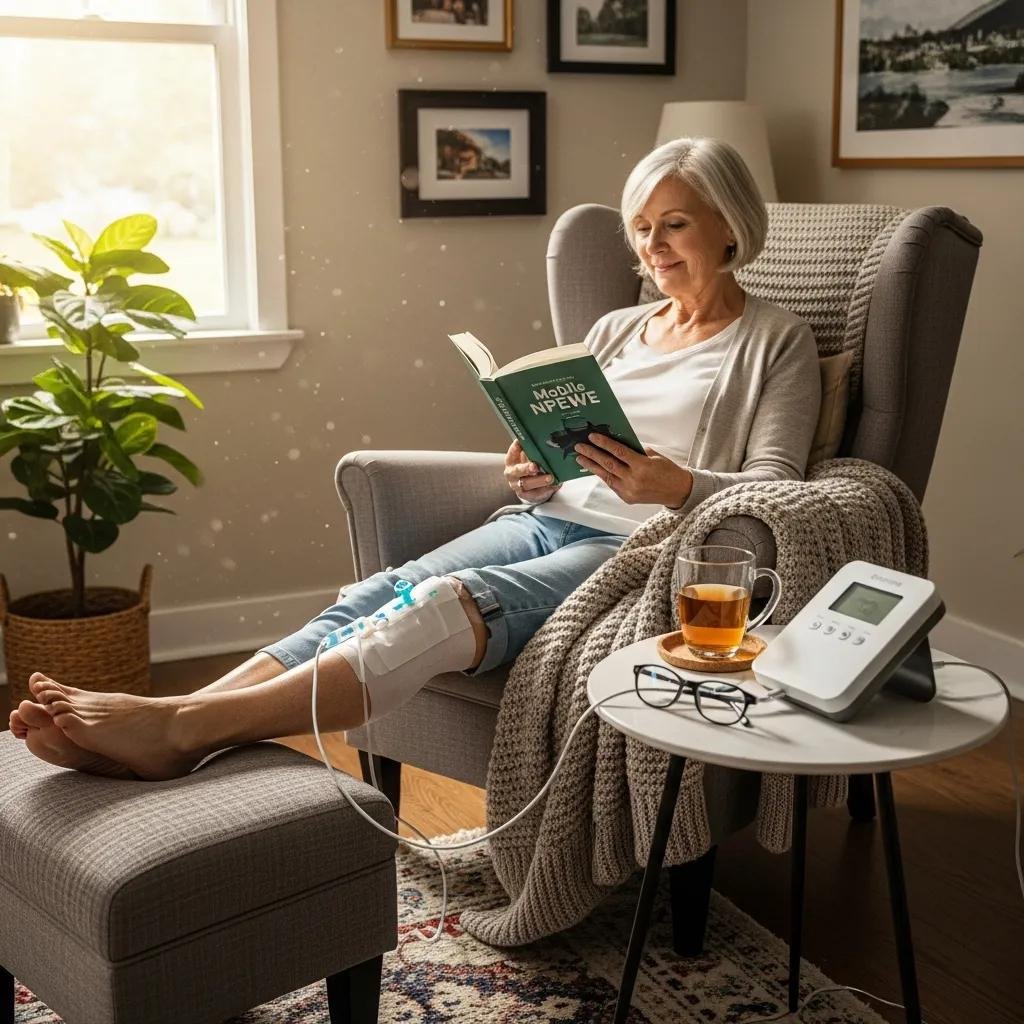
Mobile NPWT delivers advanced wound therapy in the patient’s home or care setting, improving comfort, adherence, and access to treatment. Bringing the device to the patient can support better outcomes while minimizing travel and disruption.
- Faster Healing: NPWT encourages granulation and reduces swelling, supporting quicker wound closure.
- Reduced Infection Risk: Continuous fluid removal and a closed system lower contamination and bacterial burden.
- Improved Comfort and Independence: Portable systems reduce clinic visits and help patients stay engaged in daily life.
Healix360 Advanced Mobile Wound Care Specialists provide mobile NPWT setup and follow-up, bringing clinical-grade care to the places patients call home.
How Does NPWT Accelerate Wound Healing and Reduce Infection?
NPWT accelerates healing by improving blood flow and oxygen delivery, removing excess fluid and debris, and mechanically stimulating tissue to form healthy granulation. By keeping the wound environment controlled and draining contaminants, NPWT reduces the conditions that favor bacterial growth. Clinical studies often show faster progress with NPWT compared with standard dressings.
Researchers have also investigated the molecular signals triggered by NPWT that support tissue repair.
Molecular Mechanisms of NPWT in Wound Healing
Negative-pressure wound therapy promotes angiogenesis and granulation, in part by strain-induced production of growth factors and cytokines. As their expression profiles are being unravelled, it is pertinent to consider the mode of action of NPWT at the molecular level.
Systematic review of molecular mechanism of action of negative-pressure wound therapy, GF Murphy, 2014
In What Ways Does Mobile NPWT Improve Patient Comfort and Mobility?
Treatment at home or in a familiar facility reduces the stress of travel and helps patients keep routines. Portable NPWT devices are designed to be lightweight and discreet, allowing patients to move more freely while still receiving continuous therapy—an important benefit for people with limited mobility.
Which Conditions Are Treated with Negative Pressure Wound Therapy?
NPWT is appropriate for many wound types, especially chronic, complex, or heavily draining wounds. Common indications include diabetic foot ulcers, pressure injuries, venous leg ulcers, and post-surgical or traumatic wounds that require advanced wound management.
How Is NPWT Used for Chronic Wounds Like Diabetic Foot Ulcers and Pressure Ulcers?
For chronic wounds such as diabetic foot ulcers and pressure injuries, NPWT supports granulation and reduces edema—helping wounds move from a stalled state toward closure. When combined with good glycemic control, offloading, and appropriate debridement, NPWT can improve outcomes in these challenging cases.
The role of NPWT in difficult-to-heal ulcers, particularly diabetic foot ulcers, has been the focus of recent clinical reviews.
Efficacy of NPWT for Diabetic Foot Ulcer Healing
Diabetic foot ulcers (DFU) are the most common complication in diabetic patients. A popular therapy modality with considerable advantages in the management of diabetic foot ulcers today is negative pressure wound therapy (NPWT). Objective: This study aimed to review related articles about the efficacy as well as the complications or adverse effects of using NPWT on the healing of DFUs.
The efficacy of negative pressure wound therapy (NPWT) on healing of diabetic foot ulcers:
A literature review, DAM Widigdo, 2024
Can NPWT Support Healing of Post-Surgical and Traumatic Wounds?
Yes. NPWT can protect post-surgical and traumatic wounds by decreasing contamination, managing exudate, and lowering the risk of dehiscence. Clinical guidance supports NPWT for selected surgical wounds at high risk for complications, always as part of a coordinated care plan.
What Does the NPWT Treatment Process Involve?
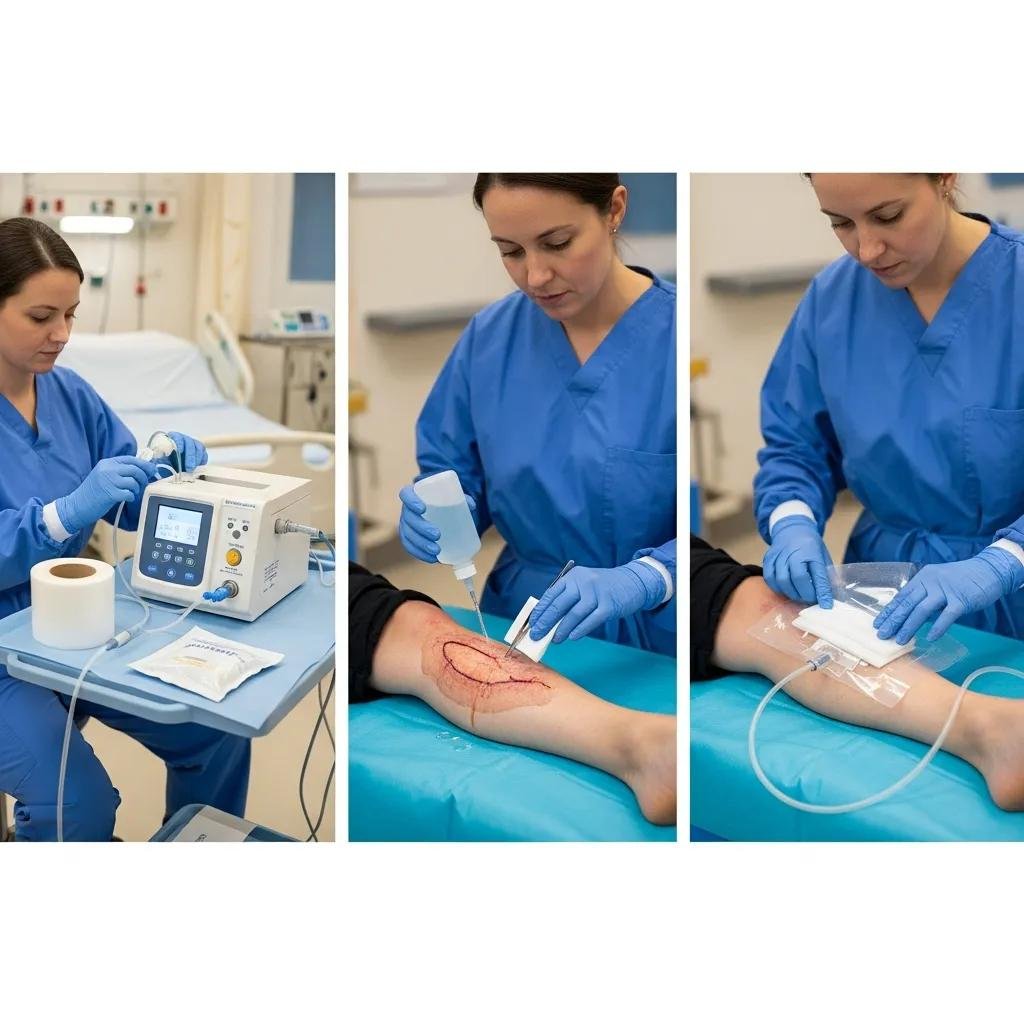
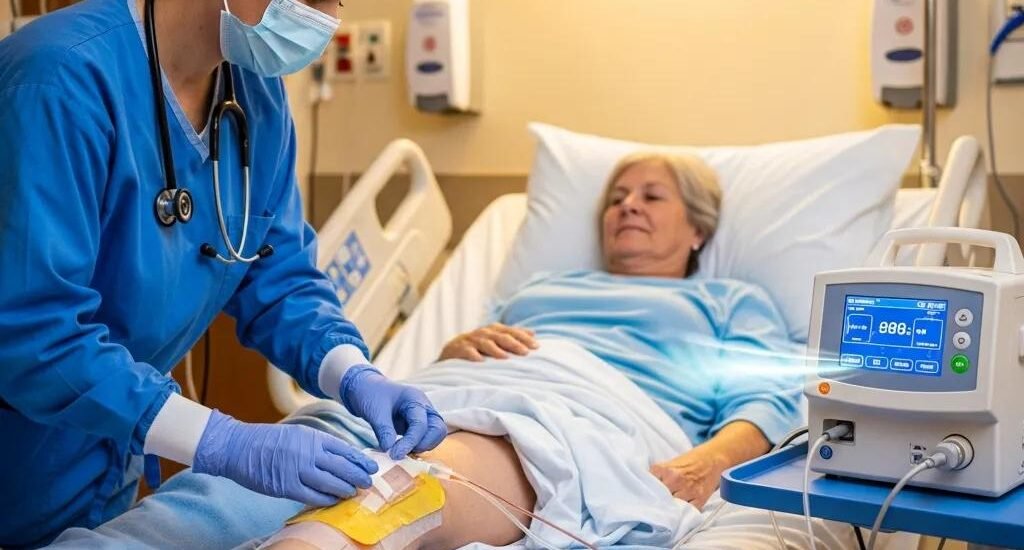
The NPWT process begins with a clinical assessment to confirm suitability. After cleaning and any needed debridement, a foam or gauze dressing is placed in the wound and sealed. Tubing connects the dressing to the pump, which starts the negative pressure once the seal is secure.
What Are the Steps in the Mobile NPWT Treatment Journey?
The mobile NPWT journey typically includes the following steps:
- Initial Assessment: A clinician evaluates the wound, discusses goals, and decides if NPWT is appropriate.
- Device Application: The dressing is placed, tubing attached, and the pump is set up with patient instruction.
- Ongoing Monitoring: Regular visits or remote check-ins monitor healing and guide dressing changes or plan adjustments.
How Often Are Dressing Changes and Follow-Ups Required During Therapy?
Dressing changes commonly occur every 48–72 hours, depending on drainage and wound condition. In selected situations, dressings may remain in place up to five days if clinically appropriate. Routine follow-ups let clinicians evaluate progress, manage complications, and update the care plan as needed.
How Does the Wound Vac Healing Process Progress Over Time?
Healing with NPWT varies by wound type and the patient’s overall health, but many patients see measurable improvement within a few weeks. Factors like infection control, nutrition, blood flow, and underlying medical conditions influence the pace of recovery.
What Are Typical Healing Timelines with Negative Pressure Wound Therapy?
Timelines range from a few weeks to several months. Severity, comorbid conditions, and adherence to care determine how quickly a wound closes. Most people notice reduced wound size and healthier tissue within the first weeks of treatment.
How Does NPWT Promote Granulation Tissue Formation and Edema Reduction?
NPWT creates mechanical strain that encourages cell migration and growth-factor release while removing interstitial fluid. This combination lowers edema, improves oxygen and nutrient delivery, and supports robust granulation tissue formation—key steps toward wound closure.
How Can Caregivers Support Patients Using Mobile Negative Pressure Wound Therapy?
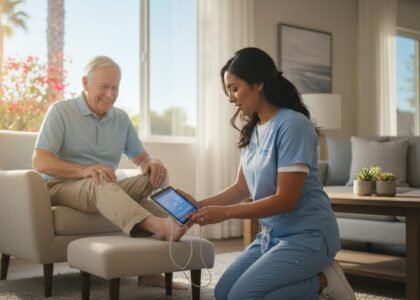
Caregivers are essential partners in home NPWT care. By learning device basics, monitoring the dressing and pump, and keeping the environment clean, caregivers help protect the wound and support healing.
What Practical Tips Help Manage NPWT Devices at Home?
Caregivers can assist patients by following these practical tips for managing NPWT devices at home:
- Regular Monitoring: Check the pump for alarms, confirm the dressing seal is intact, and report any device issues right away.
- Maintain Cleanliness: Keep the wound area and device components clean and dry; follow instructions for dressing changes.
- Educate the Patient: Teach device basics, expected sensations, and warning signs so the patient knows when to contact the care team.
How Can Caregivers Recognize and Prevent Complications During Therapy?
Watch for signs of infection—increasing redness, swelling, warmth, pain, or unusual discharge—and for device problems like leaks or loss of suction. If any of these occur, contact the clinical team promptly so the issue can be addressed before it affects healing.
| Component | Role | Why it matters |
|---|---|---|
| Suction Pump | Produces vacuum to remove fluid | Critical for fluid management and supporting tissue approximation |
| Foam or Gauze Dressing | Conforms to the wound and absorbs exudate | Helps maintain the ideal moist environment for healing |
| Tubing | Links dressing to the pump and preserves the seal | Keeps negative pressure continuous and effective |
| Condition | Treatment | Expected outcome |
|---|---|---|
| Diabetic Foot Ulcers | NPWT | Faster healing and lower infection risk |
| Pressure Ulcers | NPWT | Improved granulation and better wound closure |
| Post-Surgical Wounds | NPWT | Lower complication risk and quicker recovery |
In short, Negative Pressure Wound Therapy is a valuable tool for managing many chronic and complex wounds. Used with appropriate clinical oversight and caregiver support, NPWT can speed healing and reduce complications. Knowing how NPWT works helps patients and families take informed steps toward recovery.
Frequently Asked Questions
Who can apply and manage NPWT?
NPWT is provided by trained nurses, wound care specialists, and physicians experienced in advanced wound management. Many patients benefit from a multidisciplinary team—nursing, surgical, podiatry, and home health professionals—working together to tailor care and manage the device safely.
Who should not use NPWT?
NPWT is not appropriate for wounds with untreated necrotic tissue, active osteomyelitis, or malignant tissue in the wound bed. It’s also contraindicated when blood vessels or organs are exposed in the wound or if the patient has a known allergy to dressing materials. A clinician must evaluate each case to confirm suitability.
How is NPWT different from standard dressings?
Unlike passive dressings, NPWT actively removes fluid and creates a controlled healing environment through continuous negative pressure. That mechanical action supports perfusion, reduces edema, and often accelerates granulation compared with conventional dressings.
What should patients expect during NPWT?
Expect an initial assessment, wound cleaning, and placement of a sealed dressing connected to a small pump. You may feel a mild pulling when suction begins. Regular follow-ups will monitor progress and guide dressing changes. Care teams will teach you device basics and what symptoms to report.
Can NPWT be combined with other therapies?
Yes. NPWT is frequently used alongside antimicrobial dressings, topical agents, debridement, or surgical interventions such as grafting. Your care team will integrate NPWT with other treatments based on the wound’s needs and overall goals of care.
How is pain managed during NPWT?
Some patients feel discomfort, especially during dressing changes. Over-the-counter pain relievers or prescribed medications can help. Properly fitted dressings and gentle technique also reduce pain—tell your care team about any ongoing or worsening pain so they can adjust the approach.
Conclusion
Negative Pressure Wound Therapy offers meaningful benefits—faster healing, fewer infections, and greater comfort for many patients. When combined with skilled clinical oversight, caregiver support, and appropriate follow-up, mobile NPWT can be an effective part of a patient’s recovery plan. If you’re considering mobile NPWT, learn how our specialized services can support your healing journey.