

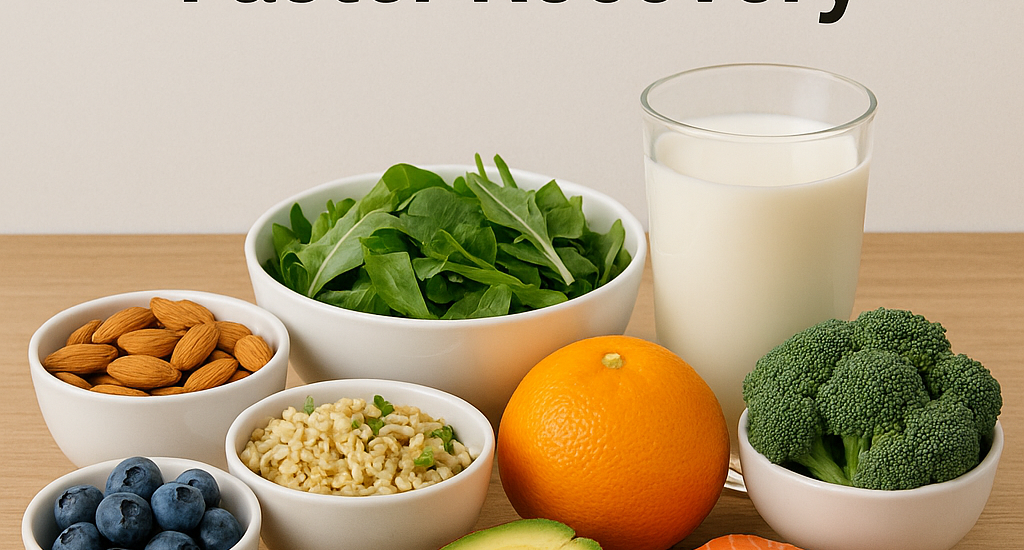
Nutrition for Wound Healing: What to Eat for Faster Recovery
Your body needs specific nutrients to heal wounds effectively. Poor nutrition can slow healing, increase infection risk, and lead to complications—while the right diet can dramatically accelerate recovery. This guide shows you exactly what to eat to optimize wound healing.
Key Fact:
Studies show that malnutrition can increase wound healing time by 50% and significantly raise the risk of complications and infections.
Why Nutrition Matters for Wound Healing
Healing a wound requires enormous energy and resources from your body. The healing process involves:
- Building new cells and blood vessels
- Producing collagen to rebuild tissue
- Fighting infection and inflammation
- Closing and remodeling the wound
Without adequate nutrition, your body simply can’t perform these complex tasks efficiently.
Essential Nutrients for Wound Healing
1. Protein (Most Important!)
Protein provides the building blocks (amino acids) needed to create new tissue. During wound healing, protein requirements increase by 50–100%.
Daily Target: 1.2–1.5 grams per kg of body weight
Example: A 150-lb (68 kg) person needs 80–100 grams of protein daily.
Best Sources:
- Lean meats (chicken, turkey, lean beef)
- Fish (salmon, tuna, cod)
- Eggs and egg whites
- Greek yogurt and cottage cheese
- Beans, lentils, tofu
- Protein shakes or supplements
2. Vitamin C
Vitamin C is essential for collagen production and helps strengthen your immune system to fight infection.
Daily Target: 100–200 mg (higher during healing)
Best Sources:
- Citrus fruits (oranges, grapefruit)
- Strawberries and kiwi
- Bell peppers (especially red)
- Broccoli and Brussels sprouts
- Tomatoes
3. Zinc
Zinc is essential for immune function, cell growth, and protein synthesis. Deficiency severely slows wound healing.
Daily Target: 15–30 mg
Best Sources:
- Oysters (richest source)
- Beef and pork
- Pumpkin seeds and cashews
- Chickpeas and lentils
- Fortified cereals
4. Vitamin A
Vitamin A supports cell growth, immune response, and inflammation control—especially important for forming new skin.
Daily Target: 700–900 mcg
Best Sources:
- Sweet potatoes and carrots
- Dark leafy greens (spinach, kale)
- Liver
- Eggs
- Fortified dairy products
Other Important Nutrients
Vitamin E
Antioxidant that protects cells and supports immune response.
Sources: Nuts, seeds, vegetable oils, avocados
B Vitamins
Essential for energy production and healthy cell metabolism.
Sources: Whole grains, meat, eggs, leafy greens
Iron
Critical for transporting oxygen to healing tissues.
Sources: Red meat, beans, fortified cereals, spinach
Arginine
An amino acid that boosts collagen synthesis and immune response.
Sources: Poultry, pork, nuts, seeds, dairy
Hydration Is Critical
Water makes up about 60% of wound fluid. Dehydration impairs every stage of healing.
Daily Fluid Target: 8–10 cups (64–80 oz)
More if you have fever, high drainage, or are elderly.
Best Choices:
Water, herbal tea, broths. Limit caffeine and alcohol, which can dehydrate.
Sample Daily Meal Plan for Wound Healing
Breakfast
- 2 scrambled eggs
- Whole grain toast with avocado
- Orange or grapefruit
- Greek yogurt with berries
Lunch
- Grilled chicken breast (4 oz)
- Large salad with spinach, bell peppers, tomatoes
- Quinoa or brown rice
- Milk or fortified plant milk
Snacks
- Handful of almonds or cashews
- Protein shake or smoothie
- Carrots with hummus
Dinner
- Salmon or lean beef (4–6 oz)
- Sweet potato
- Steamed broccoli or Brussels sprouts
- Side salad
When to Consider Supplements
Supplements may help if you:
- Have poor appetite or difficulty eating
- Are elderly or have chronic illness
- Have documented nutrient deficiencies
- Cannot meet protein needs through food alone
Always consult your doctor before starting supplements—some can interfere with medications or medical conditions.
The Bottom Line
Proper nutrition is just as important as wound dressings and medications. Focus on high-protein foods, vitamin C, zinc, and hydration. When combined with advanced wound care, optimal nutrition can significantly accelerate your recovery.
Need Expert Wound Care?
Combine proper nutrition with advanced regenerative treatment for optimal healing.