


Advanced Mobile Pressure Ulcer & Bedsore Treatment in Burbank
Pressure ulcers, commonly known as bedsores, pose significant health risks, particularly for individuals with limited mobility. This article delves into advanced treatment options available in Burbank, focusing on effective management strategies for pressure ulcers, especially stage 3 ulcers. Readers will learn about the causes, risk factors, and the importance of timely intervention in pressure ulcer care. We will explore the benefits of mobile wound care services, which provide personalized treatment in the comfort of patients’ homes. Additionally, we will discuss preventive techniques to reduce the risk of pressure ulcers and guide patients on how to access advanced mobile treatment services from Healix360.
What Are Pressure Ulcers and How Do They Affect Patients in Burbank?
Pressure ulcers are localized injuries to the skin and underlying tissue, primarily caused by prolonged pressure on the skin. They are particularly prevalent among bedridden patients and those with limited mobility, leading to significant complications if not treated promptly. In Burbank, as in many communities, pressure ulcers remain a concern, affecting the quality of life for many individuals. These ulcers can lead to severe infections, increased healthcare costs, and prolonged hospital stays, making effective management crucial.
Understanding Pressure Sores: Causes and Risk Factors
Pressure sores develop when blood flow to a specific area of the skin is restricted, often due to prolonged pressure. Common causes include immobility, poor nutrition, and moisture from incontinence. Risk factors for developing pressure ulcers include advanced age, chronic illnesses, and sensory impairments. Understanding these causes and risk factors is essential for effective prevention and treatment strategies.
Recognizing Different Stages of Pressure Ulcers, Including Stage 3
Pressure ulcers are classified into four stages, with stage 3 being particularly severe. Stage 3 ulcers involve full-thickness skin loss, which may expose fat but not muscle, bone, or tendon, and can lead to infection. Recognizing the different stages is vital for appropriate treatment. Early identification of stage 3 ulcers can significantly improve healing outcomes and reduce complications.
How Is Stage 3 Pressure Ulcer Healing Managed with Advanced Bedsore Treatment Options?
Managing stage 3 pressure ulcers requires a comprehensive approach that includes advanced wound care techniques and clinical procedures. Effective treatment options focus on promoting healing and preventing further tissue damage.
Effective Bedsore Wound Management Techniques for Stage 3 Ulcers
Wound management for stage 3 ulcers involves several techniques, including regular cleaning, debridement, and the application of specialized dressings. These methods help to remove dead tissue, reduce infection risk, and create an optimal healing environment. Healthcare professionals play a crucial role in assessing the wound and determining the best management strategies tailored to each patient’s needs.
Clinical Procedures: Wound Debridement and Dressing Changes Explained
Wound debridement is a critical procedure in the treatment of stage 3 pressure ulcers. It involves the removal of necrotic tissue to promote healing and prevent infection. Dressing changes are also essential, as they protect the wound from external contaminants and maintain a moist healing environment. Understanding these clinical procedures can empower patients and caregivers to participate actively in the healing process.
Research further details the specific techniques and considerations involved in operative debridement for severe pressure ulcers.
Operative Debridement for Severe Pressure Ulcers
The mean initial wound area prior to debridement was 14.0 cm2, and 83% of debridements were performed on stage IV pressure ulcers. The postoperative hospital stay averaged 4.1 days. Key steps in the technique included (1) exposure of areas of undermining by excising overlying tissue; (2) removal of callus from wound edges; (3) removal of all grossly infected tissue; and (4) obtaining a biopsy of the deep tissue after debridement of all nonviable or infected tissue for culture and pathology to determine the presence of infection, fibrosis, and granulation tissue.
Operative debridement of pressure ulcers, MS Golinko, 2009
What Are the Benefits of Mobile Wound Care Services for Pressure Sore Care at Home?
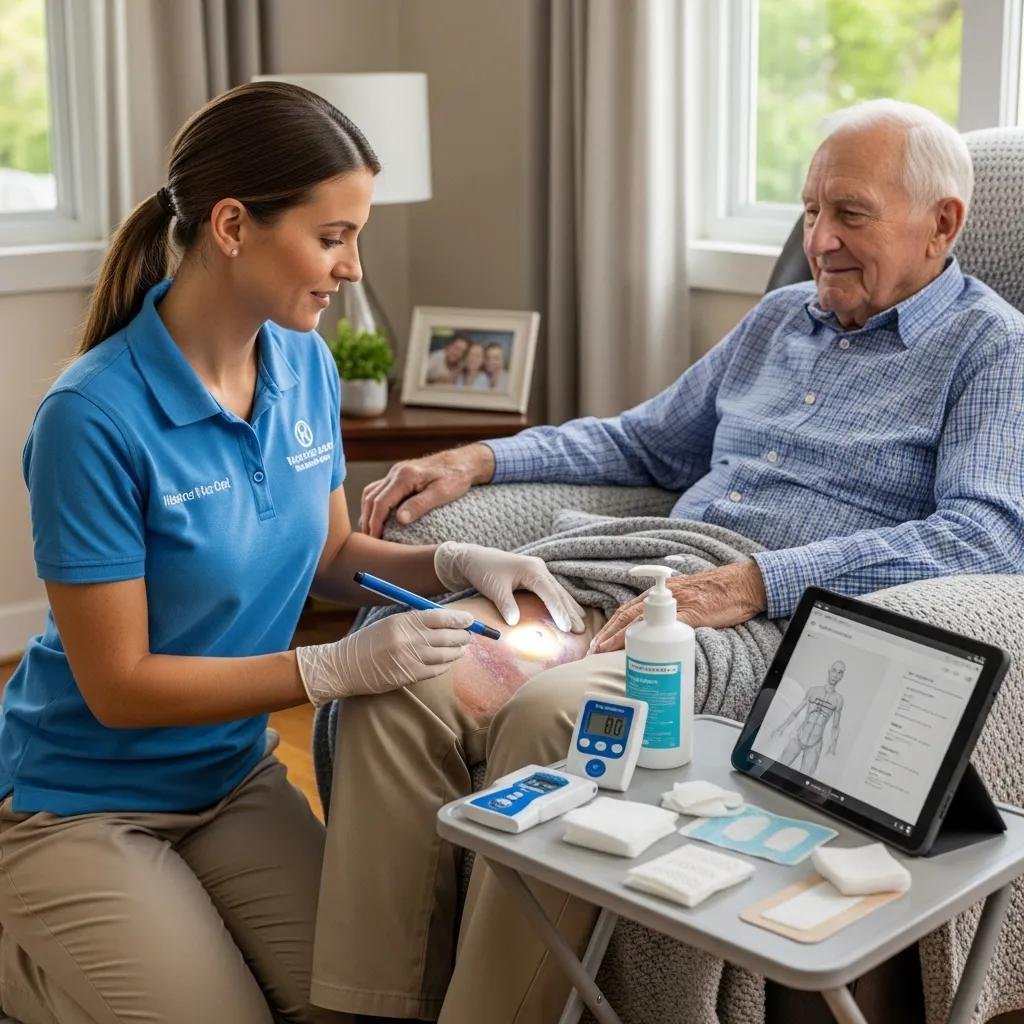
Mobile wound care services offer numerous advantages for patients dealing with pressure ulcers. These services provide personalized care in the comfort of the patient’s home, addressing both medical and emotional needs.
How Mobile Wound Care Overcomes Mobility and Transportation Barriers
For many patients, mobility issues can make accessing traditional healthcare facilities challenging. Mobile wound care services eliminate these barriers by bringing specialized care directly to the patient. This approach not only enhances convenience but also ensures that patients receive timely treatment, which is crucial for effective pressure ulcer management.
The increasing prevalence of chronic wounds and an aging population underscore the growing demand and benefits of home health wound care programs.
Benefits of Home Health Wound Care Programs
The demand for home health care and nursing visits has surged due to the persistent rise in the prevalence of comorbidities and the aging population [1,2]. In the United States, 2% of the population have complex chronic wounds, further driving the growing demand for home health care services [3]. Approximately, a third of patients who use home health have at least one wound [4,5], leading to the allocation of a substantial portion of the budget and resources in a home health agency (HHA) for nursing visits being dedicated to wound assessment and care [5].
Clinical, Operational, and Economic Benefits of a Digitally Enabled Wound Care Program in Home Health: Quasi-Experimental, Pre-Post Comparative Study, 2025
Personalized Home Visits by Chronic Wound Care Specialists in Burbank
Mobile wound care specialists are trained to provide tailored treatment plans that meet the unique needs of each patient. These specialists conduct thorough assessments during home visits, allowing for personalized care that considers the patient’s overall health and specific wound characteristics. This individualized approach can lead to better healing outcomes and improved patient satisfaction.
Which Bedsore Prevention Techniques Help Reduce Pressure Ulcer Risks for Bedridden Patients?
Preventing pressure ulcers is essential for bedridden patients. Implementing effective prevention techniques can significantly reduce the risk of developing these painful sores.
Best Practices for Pressure Ulcer Prevention at Home

- Regular Repositioning: Patients should be repositioned at least every two hours to relieve pressure on vulnerable areas.
- Skin Care Routines: Maintaining skin hygiene and moisturizing can help prevent skin breakdown.
- Nutritional Support: A balanced diet rich in protein and vitamins supports skin health and healing.
These practices are vital for caregivers and family members to implement in home care settings to prevent pressure ulcers effectively.
Using Support Surfaces and Skin Care to Prevent Bedsores
Support surfaces, such as specialized mattresses and cushions, can redistribute pressure and reduce the risk of ulcer formation. Additionally, using barrier creams can protect the skin from moisture and friction. Understanding the role of these preventive measures is crucial for caregivers in managing the health of bedridden patients.
How Can Patients Request Advanced Mobile Pressure Ulcer Treatment from Healix360 in Burbank?
Patients seeking advanced mobile pressure ulcer treatment can easily access services from Healix360, which specializes in delivering comprehensive wound care directly to homes.
Step-by-Step Guide to Scheduling Home Wound Care Visits
- Contact Healix360: Patients can reach out to schedule an appointment.
- Initial Assessment: A wound care specialist will conduct an initial assessment to determine the patient’s needs.
- Personalized Care Plan: Based on the assessment, a tailored care plan will be developed.
This straightforward process ensures that patients receive the care they need without the stress of traveling to a clinic.
What to Expect During a Healix360 Mobile Wound Care Appointment
During a mobile wound care appointment, patients can expect a thorough evaluation of their pressure ulcers, education on wound care practices, and the implementation of a personalized treatment plan. Specialists will also provide guidance on preventive measures to avoid future ulcers, ensuring comprehensive care.
What Are Common Questions About Home-Based Pressure Ulcer Treatment and Bedsore Care?
Home-based treatment for pressure ulcers raises several common questions among patients and caregivers. Addressing these inquiries can help demystify the process and encourage proactive management.
How to Treat Stage 3 Pressure Ulcers at Home Safely?
Treating stage 3 pressure ulcers at home requires careful attention to hygiene and wound care protocols. Patients should follow their care plan closely, ensuring regular dressing changes and monitoring for signs of infection. Consulting with healthcare professionals for guidance is also essential to ensure safe and effective treatment.
When Should Professional Wound Care Be Sought?
Professional wound care should be sought if there are signs of infection, such as increased redness, swelling, warmth, pain, or discharge from the ulcer. Additionally, if the ulcer does not show signs of improvement within one to two weeks, it is crucial to consult a healthcare provider for further evaluation and treatment.
| Treatment Option | Description | Benefits |
|---|---|---|
| Mobile Wound Care | In-home treatment by specialists | Convenience, personalized care |
| Advanced Dressings | Specialized materials for wound healing | Enhanced moisture retention, infection prevention |
| Nutritional Support | Dietary interventions to promote healing | Improved skin health, faster recovery |
This table highlights the various treatment options available for pressure ulcer care, emphasizing the benefits of mobile wound care services.
| Prevention Technique | Description | Effectiveness |
|---|---|---|
| Regular Repositioning | Changing patient position frequently | High |
| Support Surfaces | Specialized mattresses and cushions | High |
| Skin Care Routines | Moisturizing and hygiene practices | High |
This table compares different prevention techniques, showcasing their effectiveness in reducing the risk of pressure ulcers.
By understanding the complexities of pressure ulcer treatment and prevention, patients and caregivers can take proactive steps to manage this serious health issue effectively. Healix360’s mobile wound care services provide a valuable resource for those in need of specialized care in Burbank.