

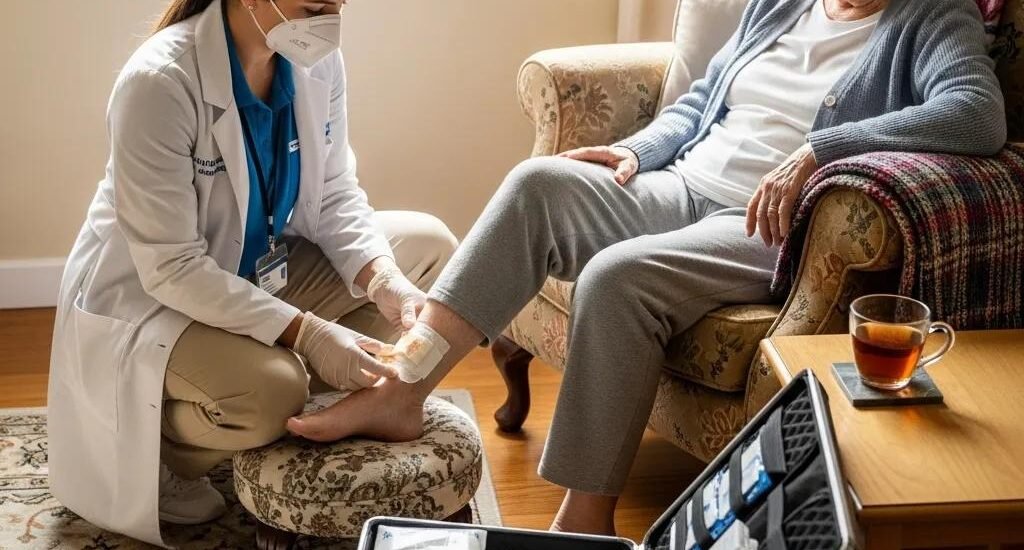
Essential Questions to Ask Your Mobile Wound Care Provider
When you’re arranging mobile wound care, the questions you ask matter. This guide helps you prepare for conversations with a mobile wound care team — including what wounds they treat, which therapies they offer, how they assess wounds, and what your first visit will look like. Knowing what to ask helps you get safer, more effective care at home.
Answering these questions will make it easier to navigate wound care options and ensure you or a loved one receives an individualized plan. We cover common wound types, treatment approaches, assessment steps, what to expect on the first visit, how to manage care at home, and tips for choosing the right provider.
Evidence shows home-based wound care can lower readmissions and improve patient satisfaction, making it an important option for many people.
Home Wound Care Benefits: Reduced Readmissions & Patient Satisfaction
Providing health care to patients at home could be causing the mortality and readmission rates reduction in addition to satisfaction of both patients and health care providers increase. The aim of this study was to assess the cost-effectiveness of home care service compared to hospital based care in patients with diabetic foot ulcer.
Comparison home care service versus hospital-based care in patients with diabetic foot ulcer: an economic evaluation study, M Sanjari, 2020
What Types of Wounds Do Mobile Wound Care Providers Treat?
Mobile wound care teams treat a wide range of wounds, with a focus on chronic wounds that need ongoing, specialized management. Providing care at home supports healing for people who have trouble getting to a clinic or whose wounds need close follow-up.
Which chronic wounds are commonly managed in home settings?
Common chronic wounds treated at home include diabetic foot ulcers, pressure injuries (also called pressure ulcers or bedsores), and venous leg ulcers. These wounds often need frequent monitoring, specialized dressings, and care tailored to the underlying health issues that slow healing.
How do causes of wounds affect treatment options?
The cause of a wound guides the treatment plan. For example, a diabetic foot ulcer typically requires wound care plus tighter blood sugar control and patient education about foot protection. Pressure injuries require pressure relief and circulation support. Identifying the root cause helps your provider build a targeted plan that addresses both the wound and the contributing health factors.
What Treatment Options Should I Discuss with My Mobile Wound Care Specialist?
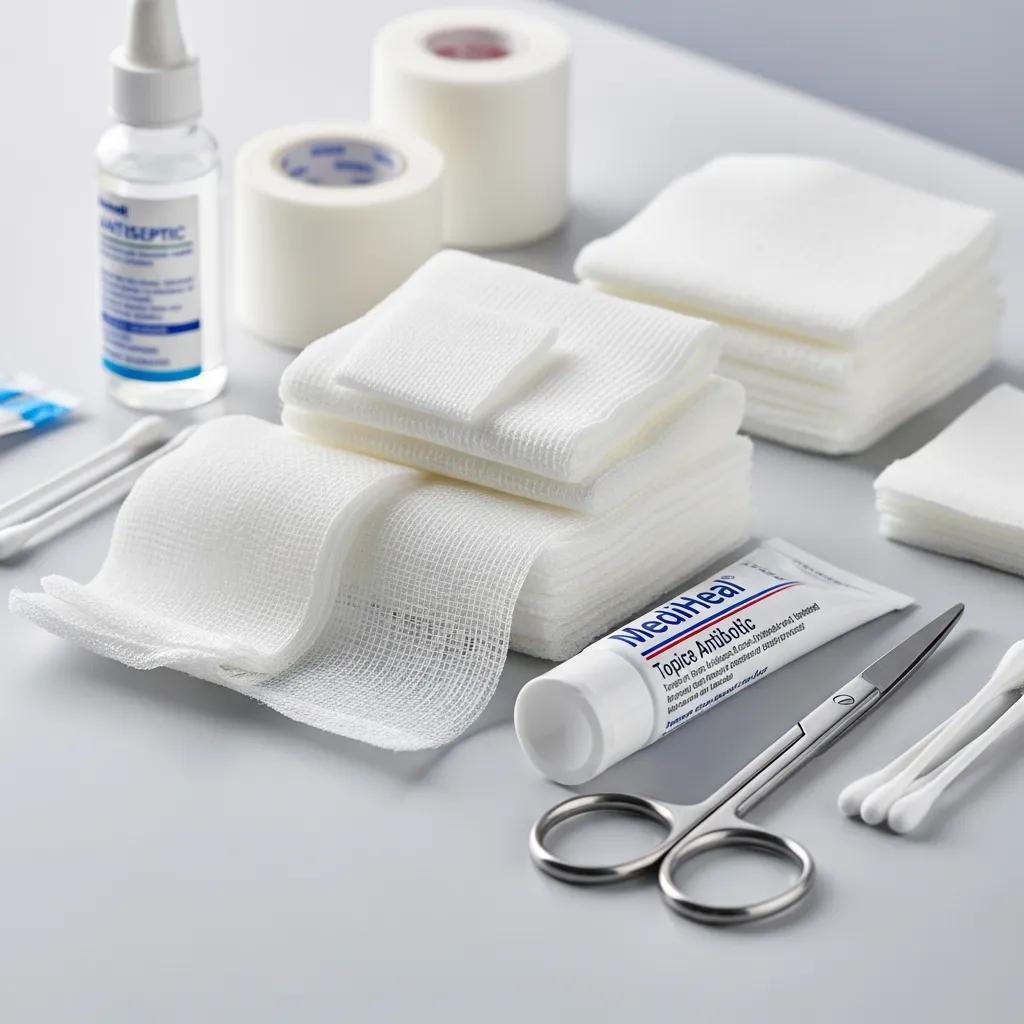
Talk with your specialist about all available treatment options for chronic wounds. The right approach depends on the wound type, its cause, and your overall health — and often combines basic wound care with advanced therapies when needed.
For complex conditions such as diabetic foot ulcers, a multidisciplinary plan that blends medical management and advanced therapies is often the most effective approach.
Comprehensive Diabetic Foot Ulcer Treatment Options
The management of DFU should be optimized by using a multidisciplinary team, due to a holistic approach to wound management is required. Based on studies, blood sugar control, wound debridement, advanced dressings and offloading modalities should always be a part of DFU management. Furthermore, surgery to heal chronic ulcer and prevent recurrence should be considered as an essential component of management in some cases. Also, hyperbaric oxygen therapy, electrical stimulation, negative pressure wound therapy, bio-engineered skin and growth factors could be used as adjunct ther
Literature review on the management of diabetic foot ulcer, L Yazdanpanah, 2015
What are regenerative therapies like stem cells and biologics?
Regenerative therapies — including stem cell approaches and biologic products — aim to jump-start tissue repair and support the body’s natural healing response. These options can be useful for difficult-to-heal wounds, but availability and insurance coverage vary. Ask your clinician whether these therapies are appropriate for your wound and what evidence and costs are involved.
How do procedures like debridement and negative pressure therapy work?
Debridement is the careful removal of dead or infected tissue so healthy tissue can grow. Negative pressure wound therapy (NPWT), sometimes called vacuum-assisted therapy, applies controlled suction to remove excess fluid, reduce swelling, and encourage granulation tissue. Both are commonly used when they match the wound’s needs and overall care goals.
How Will My Wound Be Assessed and What Is the Expected Healing Timeline?
Assessment guides every treatment decision. A clear, repeatable evaluation helps your provider track progress and adjust the plan to keep healing on track.</p
What assessment methods are used during mobile visits?
During a home visit, clinicians do a visual exam, measure the wound’s size (length, width, depth), and inspect the surrounding skin. They may check blood flow with tools like a Doppler, review your medical history, and screen for infection. These steps let the team choose the right dressings, treatments, and follow-up schedule.
What factors influence healing duration for different wounds?
Healing time depends on the wound type and size, your overall health, blood supply to the area, presence of infection, and how closely the treatment plan is followed. Chronic health conditions such as diabetes or peripheral arterial disease can prolong healing. With consistent care, timelines range from several weeks to a few months, but your provider will give a personalized estimate based on your situation.
What Should I Expect During My First Mobile Wound Care Appointment?
Your first visit establishes the treatment plan and builds a care relationship. Knowing the sequence of the appointment can reduce anxiety and help you get the most from the visit.
How do mobile wound care visits typically proceed?
Visits usually start with a focused history and a detailed wound assessment. The clinician may perform debridement or other procedures if needed, then explain the recommended plan and teach dressing changes or pressure-relief techniques. Expect time for questions so you feel confident managing care between visits.
What safety protocols and infection controls are followed?
Mobile wound care teams follow strict infection-control standards: they use appropriate personal protective equipment (PPE), sterile or clean supplies, proper hand hygiene, and safe disposal of medical waste. These practices protect you and the clinician and ensure home-based care is safe and effective.
How Can I Manage Wound Care at Home and Prevent Complications?

Good home care supports healing and reduces complications. Clear guidance from your provider and a simple routine make daily care easier and more effective.
What are the best practices for dressing changes and supplies?
Before dressing care, wash your hands and work on a clean surface. Use the supplies your clinician recommends and change dressings on the schedule they provide. Watch for drainage, odor, increased pain, or spreading redness. Keep a stock of prescribed supplies so you can follow the plan without interruption.
Which signs of infection or delayed healing should I watch for?
Contact your provider if you see increasing redness, swelling, warmth, new or worsening pain, foul smell, thick or greenish drainage, or if you develop a fever. These signs can indicate infection. If the wound shows no progress within the expected timeframe, your clinician will reassess the plan and order additional tests or treatments if needed.
How Do I Choose the Right Mobile Wound Care Provider and Understand Insurance Coverage?
Choosing the right provider means confirming qualifications and understanding how services are billed. That helps you get appropriate care without surprises.
What qualifications and experience should I look for in specialists?
Look for clinicians with wound-care credentials (for example, CWS or WCC), clinical experience in chronic wound management, and a collaborative approach that includes patient education. Providers who communicate clearly and involve you in decisions tend to deliver better, more consistent outcomes.
How does insurance, including Medicare Part B, cover mobile wound care?
Coverage varies. Medicare Part B typically covers medically necessary outpatient wound care, including certain mobile services, when ordered by a physician. Coverage can include assessments, debridement, and some advanced therapies. Always verify benefits and potential out-of-pocket costs with your insurer before treatment.
| Treatment Option | Description | Benefits |
|---|---|---|
| Regenerative Therapies | Advanced treatments like stem cells and biologics | Support tissue regeneration and may improve healing; some options remain investigational |
| Debridement | Removal of dead, damaged, or infected tissue | Clears the wound bed so healthy tissue can grow and healing can proceed |
| Negative Pressure Therapy | Controlled suction to draw fluid away from the wound | Reduces swelling, improves perfusion, and promotes granulation tissue |
This table highlights common treatment options offered by mobile wound care teams and the benefits you can expect. Use it to guide conversations with your clinician about what’s right for your wound.
Mobile wound care offers focused, convenient treatment that can improve healing and quality of life for people with chronic wounds. Asking the right questions and staying engaged with your care team helps ensure the best possible outcomes.
Frequently Asked Questions
What should I do if my wound shows signs of infection?
If you notice signs of infection — greater redness, swelling, warmth, increasing pain, foul odor, or abnormal drainage — contact your mobile wound care provider right away. Early treatment limits complications. Your provider may change dressings, start antibiotics, or arrange an in-person assessment as needed.
How can I prepare for my first mobile wound care appointment?
Gather your medical history, a list of medications, and any recent wound treatments. Write down questions you want answered and make the wound area easily accessible. A short list of concerns helps your clinician address your priorities during the visit.
What role does nutrition play in wound healing?
Nutrition is essential: protein, vitamins (especially A and C), and minerals like zinc support tissue repair. Staying hydrated matters, too. If you have dietary limits, ask your clinician whether supplements or a tailored nutrition plan could speed recovery.
Can I continue my regular activities while receiving wound care at home?
Activity guidance depends on your wound and treatment plan. Some wounds require rest or restricted movement; others allow normal daily activities with simple precautions. Follow your provider’s recommendations to protect the wound and support healing.
What should I do if my wound is not healing as expected?
If progress stalls, contact your provider for reassessment. Causes of delayed healing include infection, poor blood flow, or uncontrolled chronic conditions. Your clinician may adjust treatment, order tests, or refer you to specialists to address the underlying cause.
Are there any specific home care techniques I should follow?
Yes. Always wash your hands before and after wound care, use the supplies and techniques your clinician prescribes, keep the wound clean and dry, and watch for warning signs. If you’re unsure about any step, call your mobile wound care team for guidance.
Conclusion
Mobile wound care can simplify recovery by bringing expert treatment to your home. Ask clear questions, follow the care plan, and stay in regular contact with your provider to get the best results. If you’re ready to discuss options, reach out to a qualified mobile wound care team to begin a personalized plan for healing.