

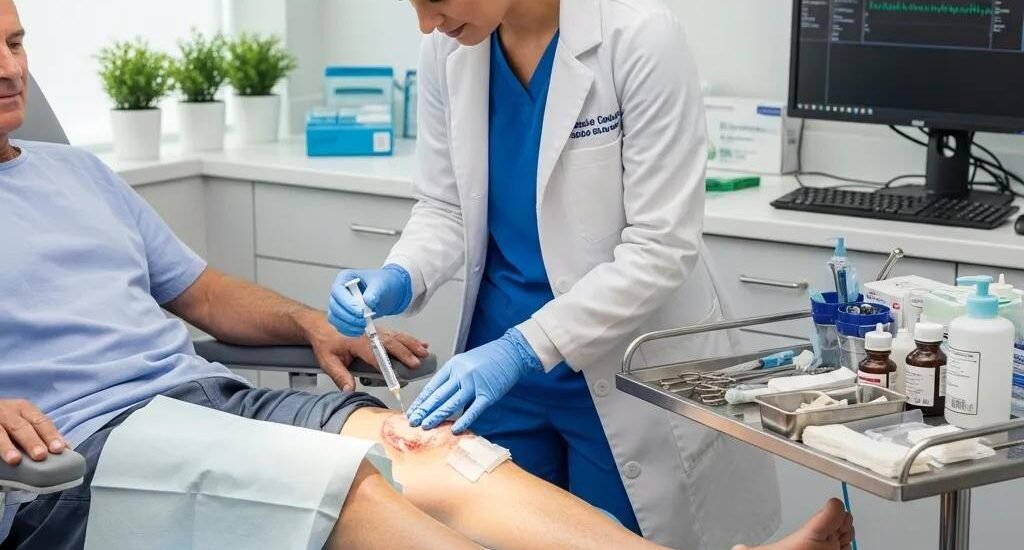
Stem Cell Therapy for Chronic Wounds — Mobile Regenerative Care and Real Healing Results
Stem cell therapy is changing how we treat chronic, non‑healing wounds. This guide explains how stem cells support tissue repair, which wound types stand to benefit, and why mobile wound care can make advanced regenerative treatments easier to access. Chronic wounds — including diabetic foot ulcers and venous leg ulcers — create ongoing risk and reduce quality of life for many patients. Stem cell approaches aim to jump‑start the body’s natural repair systems to promote lasting recovery. Below, we cover mechanisms, common indications, personalized care pathways, and practical considerations like insurance and next steps to access these therapies.
Addressing chronic wounds at scale requires new tools — regenerative medicine is one promising route forward.
Regenerative Medicine for Advanced Chronic Wound Healing
Treating chronic wounds is a common and costly challenge worldwide. More advanced treatments are needed to improve wound healing and prevent severe complications such as infection and amputation. Like other medical fields, there have been advances in new technologies promoting wound healing potential.Regenerative medicine as a new method has aroused hope in treating chronic wounds.
Current advances in wound healing and regenerative medicine, M Moradi, 2024
What is Stem Cell Therapy for Chronic Wounds? Understanding Regenerative Healing
Stem cell therapy uses living cells to support tissue repair and restore a healthier wound environment. Stem cells can become different tissue types and release growth factors and signaling molecules that reduce inflammation, encourage new blood vessel growth, and stimulate surrounding cells to rebuild damaged tissue. For wounds that haven’t responded to standard care, regenerative approaches offer an additional path to healing by addressing biological barriers that keep a wound stalled.
How Do Stem Cells Promote Wound Healing and Tissue Regeneration?
Stem cells help wounds heal in several complementary ways. They stimulate angiogenesis to improve blood flow and oxygen delivery, modulate the inflammatory response so healing can progress, and secrete growth factors and cytokines that promote cell migration and proliferation. Together, these actions create a more favorable environment for the body to repair skin, connective tissue, and other structures at the wound site.
Which Types of Stem Cells Are Used in Chronic Wound Treatment?
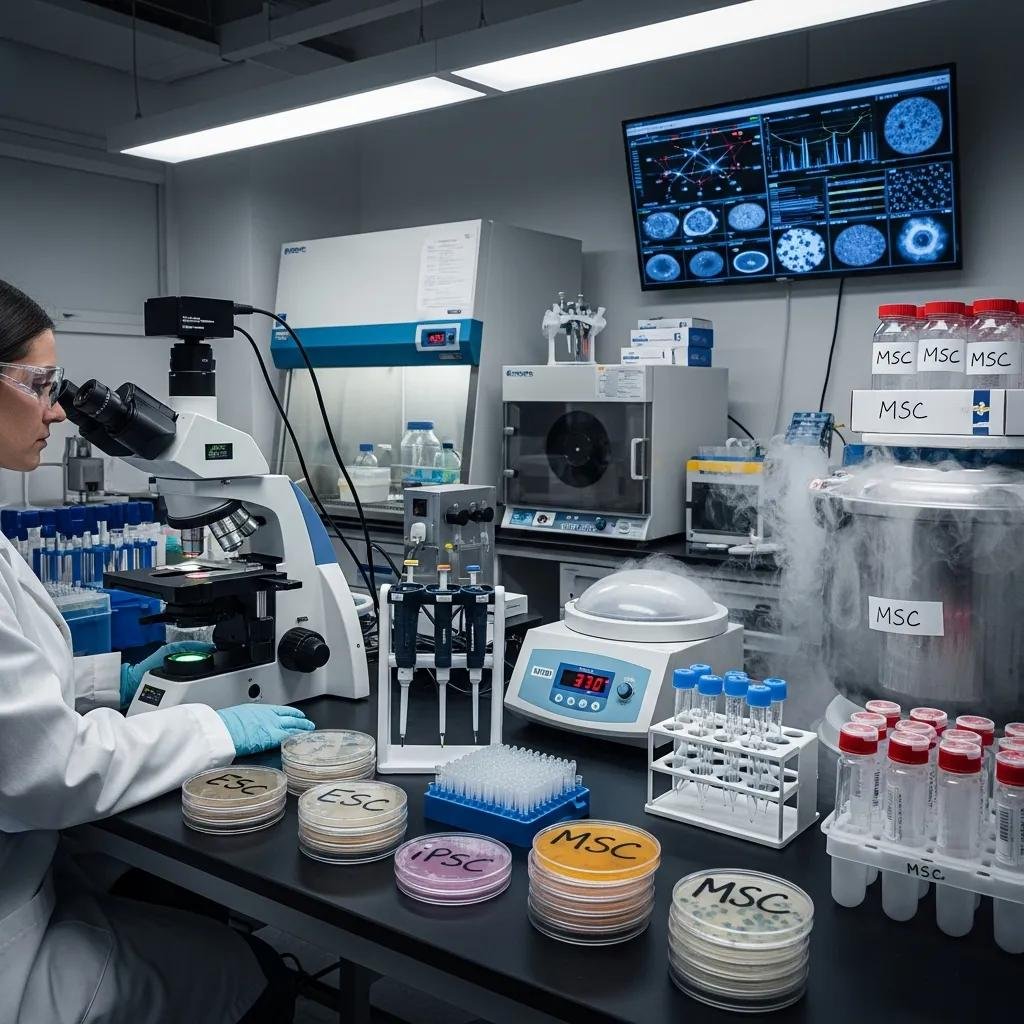
Clinically, mesenchymal stem/stromal cells (MSCs) are the most commonly used cell type for chronic wounds. MSCs can be sourced from bone marrow, fat (adipose tissue), or perinatal tissues like the umbilical cord. Another widely used option is amniotic membrane grafts, which provide a scaffold plus native growth factors and anti‑inflammatory properties that support tissue regeneration. Choice of product depends on the wound, patient factors, and clinical goals.
Which Chronic Wound Conditions Benefit from Stem Cell Therapy?
Stem cell therapies show benefit across several hard‑to‑heal wound types, particularly when conventional care has failed. They are used to support healing and reduce complications in these common categories.
- Diabetic Foot Ulcers: A frequent diabetes complication driven by poor circulation and neuropathy. Regenerative treatments can improve local blood flow and tissue repair to help close stubborn ulcers.
- Venous Leg Ulcers: Caused by venous insufficiency and chronic inflammation, these ulcers may respond to therapies that encourage angiogenesis and reduce local inflammation.
- Pressure Ulcers: Also known as bedsores, these wounds result from prolonged pressure and tissue breakdown. Stem cell approaches can support tissue regeneration and lower the risk of infection.
How Does Stem Cell Therapy Treat Diabetic Foot Ulcers?
For diabetic foot ulcers, stem cells are applied to the wound bed to stimulate new vessel formation, reduce chronic inflammation, and promote the formation of healthy granulation tissue and epithelium. Clinical reports show faster wound closure and better tissue quality in many patients compared with standard care alone, though individual responses vary and care is tailored case by case.
Research highlights the role of mesenchymal stromal cells in speeding closure and improving tissue regeneration for diabetic foot ulcers.
Mesenchymal Stromal Cells for Diabetic Foot Ulcer Healing
Mesenchymal stromal cells (MSCs) have been tested as a promising cell-based therapy for diabetes in vitro and in vivo,which is able to accelerate wound closure with increased epithelialization, granulation tissue formation and angiogenesis by differentiation into skin cells and paracrine pathways to repair injured cells.
Mesenchymal stromal cell-derived extracellular vesicles in the treatment of diabetic foot ulcers: application and challenges, 2021
What Are the Regenerative Solutions for Venous Leg Ulcers and Pressure Ulcers?
In venous leg ulcers and pressure ulcers, regenerative treatments focus on reversing the local biology that prevents healing — improving circulation, dampening persistent inflammation, and providing growth signals that encourage tissue repair. When used alongside standard wound care (compression for venous ulcers, pressure relief for bedsores), stem cell–based and biologic products can help patients achieve better healing rates and improved comfort.
What Are the Advantages of Healix360’s Mobile Stem Cell Wound Care?
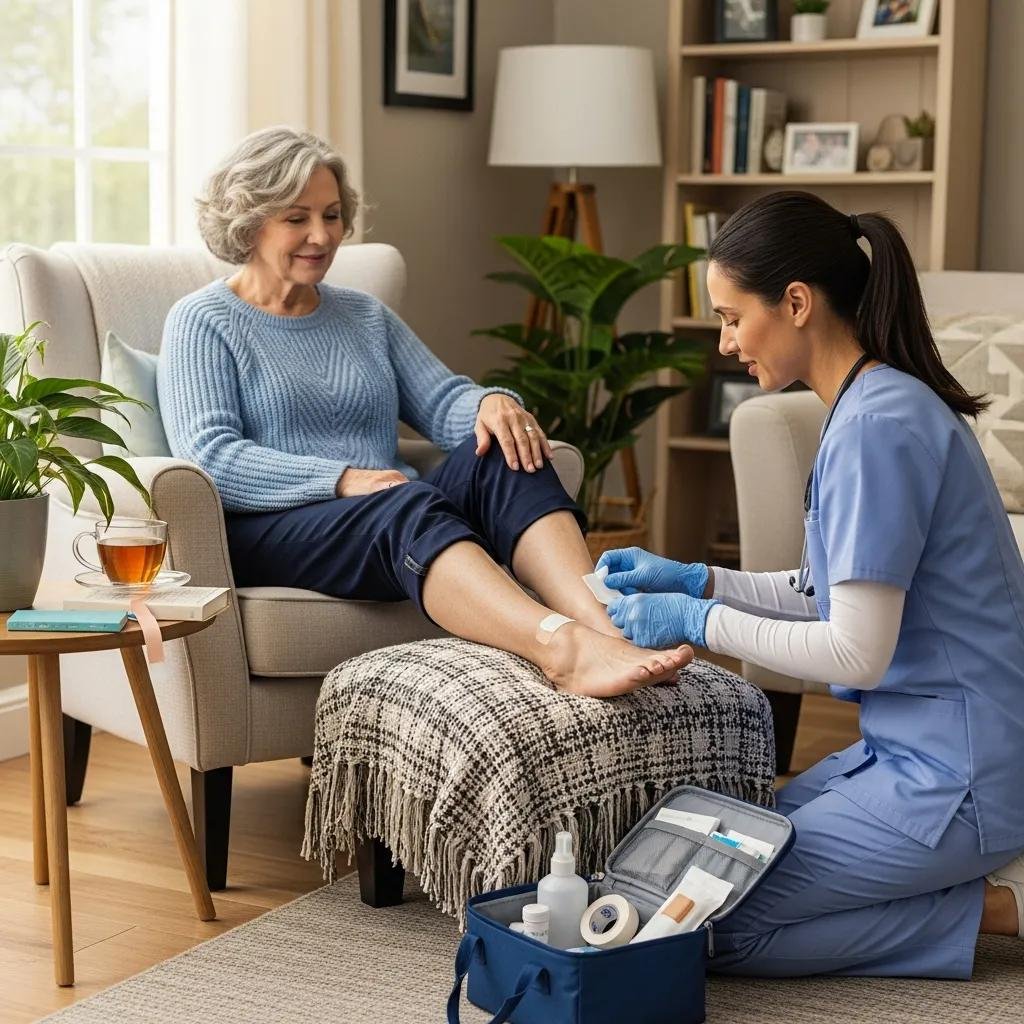
Healix360 Advanced Mobile Wound Care Specialists bring regenerative wound therapies to your home or care facility. Our mobile model reduces travel and stress while delivering specialist‑level care where patients are most comfortable. That convenience pairs with clinical expertise to keep treatment on schedule and focused on individual needs.
- Convenience of At-Home Care: Receive advanced wound treatments without frequent clinic visits — saving time and lowering physical strain for patients and caregivers.
- Expertise of Board‑Certified Specialists: Our clinicians are board‑certified and trained in the latest regenerative and wound‑care techniques, ensuring safe, evidence‑informed treatment.
- Personalized Treatment Plans: We craft individualized plans that combine regenerative products with best‑practice wound care to support reliable healing.
How Does At-Home Advanced Wound Care Improve Patient Convenience and Comfort?
At‑home care eliminates travel, reduces exposure to clinic environments, and lets patients recover in familiar surroundings — all of which can reduce anxiety and improve adherence. Mobile visits also allow flexible scheduling so care fits into daily life, and clinicians can evaluate the home environment to optimize long‑term wound management.
Evidence supports mobile and telehealth tools as effective ways to reduce the burden of clinic travel while maintaining reliable wound assessment.
Mobile Health for Remote Chronic Wound Management
Travel to clinics for chronic wound management is burdensome to patients. Remote assessment and management of wounds using mobile and telehealth approaches can reduce this burden and improve patient outcomes. An essential step in wound documentation is the capture of wound images, but poor image quality can have a negative influence on the reliability of the assessment.
Wound image quality from a mobile health tool for home-based chronic wound management with real-time quality feedback: randomized feasibility study, J Zhang, 2021
Who Are the Board-Certified Specialists Delivering Personalized Regenerative Treatments?
Our team includes board‑certified wound care and regenerative medicine specialists who evaluate each patient and oversee the full course of treatment. They coordinate diagnostics, select appropriate biologic products, and monitor healing closely to adjust care as needed — all with the goal of safe, measurable improvement.
How Are Personalized Treatment Plans Developed for Chronic Wound Healing?
We build treatment plans from a detailed assessment: wound history and appearance, vascular status, comorbid conditions, current medications, and previous therapies. That information guides product selection, frequency of visits, and adjunctive measures (for example, offloading or compression) so the plan addresses the root causes that have kept the wound from healing.
What Factors Influence Customized Stem Cell Therapy Approaches?
Key factors include the patient’s overall health, the wound’s size and depth, blood flow to the area, infection status, and how the wound responded to prior care. We weigh these elements when choosing cell types, delivery methods, and complementary treatments to maximize the chance of durable healing.
How Is Patient Progress Monitored and Adjusted During Healing?
Progress is tracked with scheduled wound assessments, photographs, and clinical measurements. Based on objective signs of improvement — or lack of it — we adjust therapies, frequency of visits, or supportive measures. Clear communication with patients and caregivers ensures timely changes and consistent follow‑up.
What Are the Safety, Efficacy, and Success Rates of Stem Cell Therapy for Chronic Wounds?
Clinical studies support the safety and potential benefit of several stem cell and biologic products in chronic wound care. Many patients experience faster closure and improved tissue quality, but outcomes depend on the wound type, product used, and overall patient health. Ongoing research and larger trials continue to refine best practices and long‑term expectations.
What Clinical Evidence Supports Stem Cell Wound Healing Success Rates?
Evidence from controlled and observational studies shows improved healing rates and reduced time to closure in many patients treated with regenerative therapies. That said, the field is evolving — more large‑scale, randomized trials will help define which products and protocols deliver the best long‑term results for specific wound types.
What Are the Common Patient Concerns and How Are They Addressed?
Patients commonly ask about safety, side effects, and realistic outcomes. We address these concerns with clear, evidence‑based explanations, review of potential risks, and a plan for monitoring. Informed consent and transparent communication are central to our approach so patients and families know what to expect at each step.
How Does Medicare Part B and Insurance Coverage Support Mobile Regenerative Wound Care?
Insurance coverage varies by product, indication, and payer. Medicare Part B may cover certain FDA‑approved regenerative products and services when medically necessary. Coverage decisions depend on the specific therapy used and documentation of medical necessity.
Is Stem Cell Therapy for Chronic Wounds Covered by Medicare and Other Insurances?
Coverage depends on the product’s regulatory status and the insurer’s policies. Some regenerative biologics and medically necessary procedures are covered; others may require prior authorization or be considered elective. We encourage patients to discuss coverage with their insurer and our care team so financial expectations are clear before treatment starts.
What Are the Cost Benefits of Mobile Advanced Biologics Compared to Traditional Care?
Delivering advanced biologics in the home can reduce transportation costs, lower caregiver burden, and cut the need for repeated clinic visits — which may reduce overall costs for some patients. Improved healing can also reduce long‑term expenses related to complications, but individual savings vary. We review cost considerations with each patient and work with insurers when possible.
In short, stem cell and biologic approaches offer new tools to address chronic wounds when used thoughtfully alongside established wound‑care practices.
| Therapy | How it Works | Primary Benefit |
|---|---|---|
| Stem Cell Therapy | Supports tissue regeneration and signals repair | Faster, higher‑quality wound closure |
| Amniotic Membrane Grafts | Supplies growth factors and scaffold | Reduces inflammation and supports repair |
| Mobile Wound Care | Delivers specialist care at home | Improves comfort and adherence |
This comparison shows how different regenerative and delivery approaches can work together to improve healing while tailoring care to each patient’s needs.
Frequently Asked Questions
What are the potential side effects of stem cell therapy for chronic wounds?
Most patients tolerate regenerative therapies well. Possible side effects include local discomfort, temporary swelling, or rarely infection at the application site. Allergic reactions are uncommon but possible depending on product components. Your clinician will review specific risks for the chosen therapy and monitor you during and after treatment to manage any issues promptly.
How long does it typically take to see results from stem cell therapy?
Initial improvement is often visible within a few weeks, but complete healing can take several weeks to months depending on wound size, blood supply, and overall health. We set realistic milestones and track progress so adjustments can be made if healing stalls.
Are there any age restrictions for receiving stem cell therapy?
There are no blanket age limits — suitability depends on overall health, comorbidities, and wound characteristics. Older adults can benefit, though they may require closer evaluation and tailored treatment plans. Your care team will assess risks and expected benefits for your situation.
Can stem cell therapy be combined with other treatments for chronic wounds?
Yes. Regenerative therapies are often combined with standard wound care — for example, debridement, appropriate dressings, offloading, compression, or antibiotics when needed. Combining approaches addresses multiple barriers to healing and improves the chance of a successful outcome.
What is the role of patient education in the success of stem cell therapy?
Education is vital. Understanding the treatment steps, wound‑care needs at home, warning signs of complications, and the importance of follow‑up helps patients take an active role in recovery. Better informed patients tend to follow care plans more closely, which supports better results.
How can patients prepare for stem cell therapy for chronic wounds?
Preparation usually includes a detailed consultation, review of medical history and medications, and any recommended blood work or vascular studies. Optimizing nutrition, controlling blood sugar, and following pre‑visit instructions improve readiness and can enhance outcomes. Your care team will provide a clear checklist before treatment.
Conclusion
Stem cell and other regenerative therapies add powerful options for treating chronic wounds when used alongside proven wound‑care practices. Delivered through our mobile model, these treatments can be more convenient and patient‑focused while guided by board‑certified specialists. If you’re exploring advanced wound care, Healix360 can help you understand options, coverage, and a personalized plan to support healing. Learn more about our services and next steps to begin your recovery.