
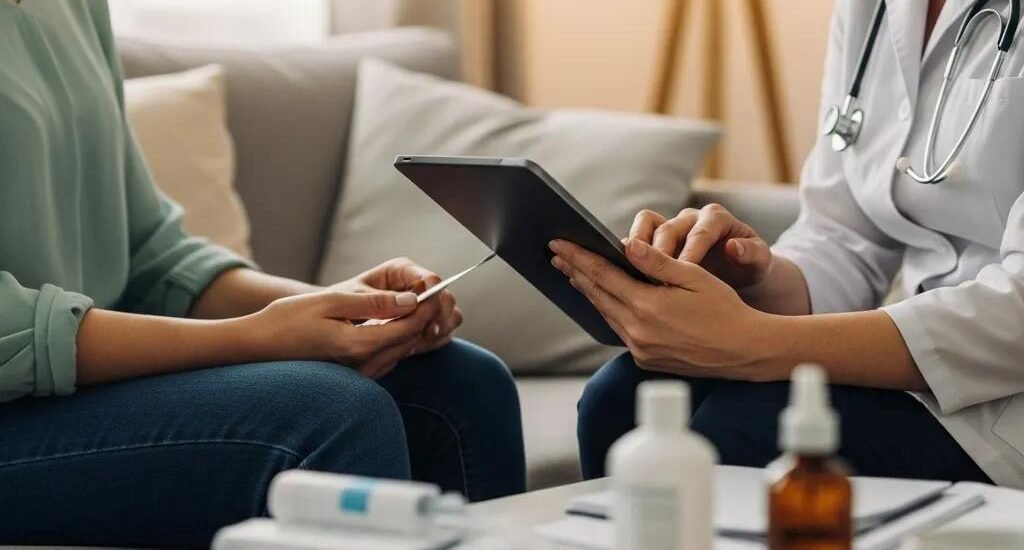
How Patients & Caregivers Can Optimize Mobile Wound-Care Technology
Telehealth and remote wound monitoring are changing how we manage chronic wounds. This guide outlines the benefits of virtual care, the tools that make it possible, and how it can improve outcomes for patients. Many people face barriers to timely wound treatment—limited mobility, long travel times, or lack of local specialists. Telehealth brings expert care into the home, making follow-up, monitoring, and specialist input easier to access. Below we cover the core benefits, the enabling technologies, the wound types suited for remote care, advanced treatment options, and practical tips for patients and caregivers using mobile wound-care tools.
Key Benefits of Telehealth Wound Care
Telehealth for wound care delivers real advantages: it makes care more convenient by reducing or eliminating travel, which helps people with mobility limits or those in rural areas; continuous remote monitoring lets clinicians spot changes early and intervene faster, improving healing; and it lowers risks tied to travel—like exposure to infection—making care safer for vulnerable patients. Remote visits also encourage patients to stay involved in their care, which supports better adherence and outcomes.
Healix360’s Advanced Mobile Wound Care team
demonstrates these benefits by bringing specialized clinicians and personalized treatment plans directly to patients. Their model connects expert evaluation, regular monitoring, and tailored interventions to improve wound-management results.
How Remote Wound Monitoring Improves Healing Outcomes
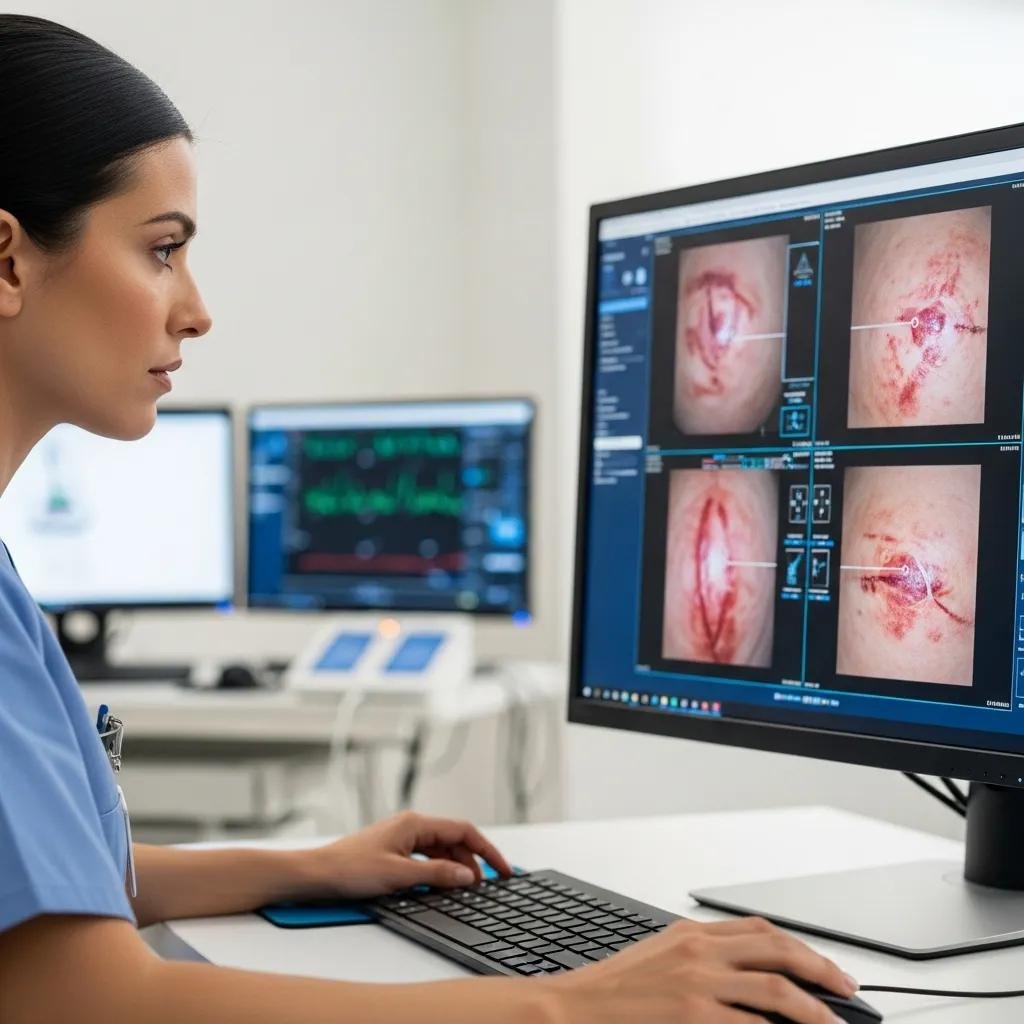
Remote monitoring lets clinicians follow a wound’s progress between in-person visits. By tracking changes in photos and symptom reports, care teams can detect infection or stalled healing earlier and adjust treatment right away. That timely attention, combined with patients’ active participation—reporting symptoms and following guidance—correlates with faster healing and higher satisfaction.
How Telehealth Improves Convenience and Access
Telehealth removes common barriers to care. Patients can keep appointments without long travel, schedule visits at times that fit their lives, and access specialists who may not be nearby. For people managing chronic wounds, quicker access to expertise and more flexible follow-up means fewer complications and more consistent progress toward healing.
How Virtual Wound Assessment Works in Mobile Wound Care
Virtual wound assessment relies on digital tools to evaluate wounds remotely and support accurate care planning. High-quality images and measurement tools let clinicians see wound size, color, and surrounding tissue without an immediate clinic visit. Serial images provide a reliable way to compare progress over time and guide treatment decisions.
What Technologies Enable Accurate Remote Wound Evaluation?
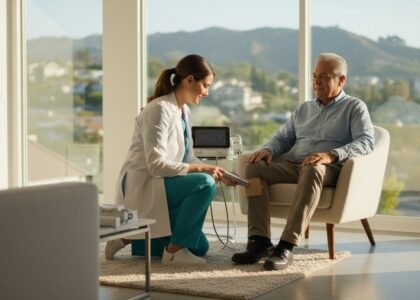
A combination of hardware and software enables remote evaluation: high-resolution smartphone or camera images, secure mobile apps for transmitting data, and analytic tools that measure wound dimensions and characteristics. Together these technologies help clinicians quantify healing and detect trends that require intervention.
How Digital Imaging and AI Work Together in Virtual Assessments
Digital images provide the visual record; AI helps analyze that record. Algorithms can highlight color shifts, texture changes, or other subtle signs of infection or delayed healing that may be hard to spot manually. When paired with a patient’s history, AI-supported tools can help forecast healing trajectories and inform more personalized treatment plans.
Current research highlights how quickly AI is being adopted into virtual wound-assessment tools and telehealth workflows.
AI for Remote Wound Measurement & Telehealth Integration
AI-based systems can measure wounds remotely, report healing trajectories to providers, and integrate with telehealth platforms to support clinical decision-making.
Image-based artificial intelligence in wound assessment: a systematic review, DM Anisuzzaman, 2022
Which Chronic Wounds Are Manageable via Telehealth?
Telehealth is well suited to manage many chronic wounds, including diabetic foot ulcers, pressure injuries (pressure ulcers), and venous leg ulcers. Each wound type has specific monitoring and treatment needs that remote care platforms can support through frequent checks, clear guidance, and timely specialist input.
How Diabetic Foot Ulcer Care Is Delivered Remotely
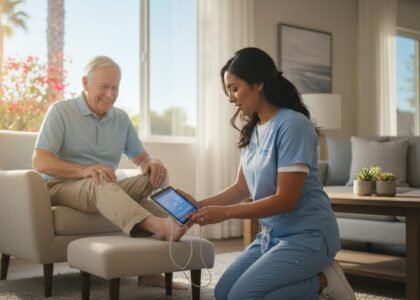
Remote management of diabetic foot ulcers centers on regular photo monitoring, symptom reporting, and clinician guidance on offloading and dressing choices. Providers can recommend adjustments, reinforce preventive strategies, and escalate care quickly when signs of infection or deterioration appear—reducing the risk of severe complications.
Researchers have examined telehealth’s role in diabetic foot ulcer care, identifying both clear benefits and practical limitations.
Telehealth Benefits & Barriers in Wound Care
This review assesses telehealth use in people with diabetic foot ulcers and summarizes the benefits and barriers to remote management.
Role of telehealth in diabetic foot ulcer management – A systematic review, TP Singh, 2016
How Telehealth Supports Pressure and Venous Leg Ulcer Care
For pressure injuries and venous leg ulcers, telehealth focuses on education—proper positioning, pressure offloading, and compression use—plus routine visual checks. Remote teams guide dressing changes, review progress, and adjust care plans as needed, empowering patients and caregivers to manage wounds safely at home.
What Advanced Treatments Are Supported by Remote Wound Monitoring?
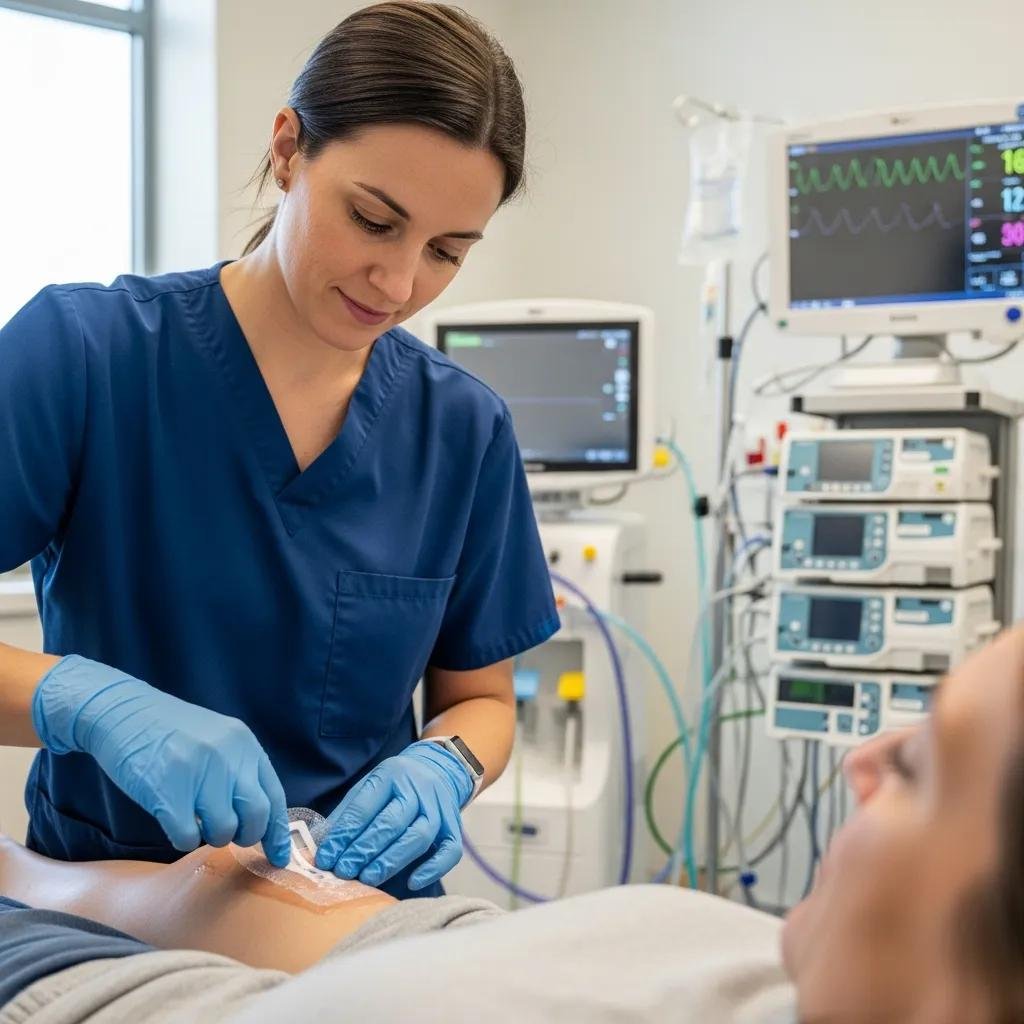
Remote monitoring supports coordination and follow-up for advanced therapies—regenerative treatments, biologic dressings, and negative-pressure wound therapy—by tracking response, guiding self-care, and flagging when in-person intervention is needed.
How Regenerative Therapies Are Coordinated Remotely
Telehealth is used to consult about regenerative options (like stem-cell therapies), schedule procedures, and provide remote follow-up. While the procedure itself is performed in clinic, virtual visits keep the care plan coordinated and allow clinicians to monitor recovery closely.
How Biologic Dressings and Negative Pressure Therapy Fit into Telehealth
Clinicians can use telehealth to teach proper application of biologic dressings, monitor how well they’re working, and check negative-pressure devices for correct use. Remote oversight helps ensure these advanced treatments are applied safely and that any problems are identified quickly.
How Patients and Caregivers Get the Most from Mobile Wound-Care Technology
To benefit from mobile wound-care tools, patients and caregivers should learn device setup, practice taking clear, well-lit photos, keep communication open with their care team, and follow scheduled monitoring. Active participation and routine documentation make remote care far more effective.
Evidence supports the value of understanding and using mobile health tools to improve home wound care.
Mobile Health Technology for Home Wound Care
This study evaluated wound-care knowledge, attitudes, and practices and the use of mHealth technology among social-network users in the home setting. Wound care knowledge, attitudes, and practices and mobile health technology use in the home environment:
Cross-sectional survey of social network users, CY Guo, 2011
Best Practices for Using Remote Wound Monitoring Devices
Follow device setup instructions, learn the recommended angles and lighting for photos, and send images on a consistent schedule. Keep a simple log of symptoms, pain, or changes to share during tele-visits—this context helps clinicians make better decisions between in-person appointments.
How Telehealth Strengthens Caregiver Engagement and Education
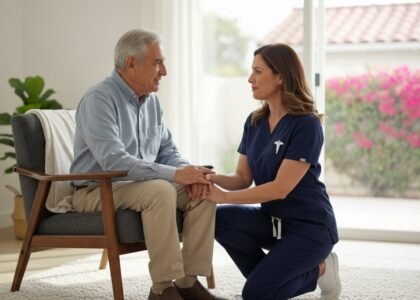
Telehealth gives caregivers direct access to training and clinician guidance. Video visits and digital resources help caregivers learn dressing changes, positioning techniques, and warning signs to watch for, so they can confidently support patients at home.
Common Concerns About Telehealth Wound Care — and How They’re Addressed
Is Remote Wound Care Safe and Effective for Severe Wounds?
When used with clear clinical protocols, remote care can safely manage many severe wounds. Clinicians triage via telehealth and will recommend in-person evaluation or referral when advanced assessment or procedures are required. Telehealth complements in-person care, helping prioritize who needs hands-on attention.
How Does Telehealth Manage Pain, Infection Risk, and Healing Timelines?
Regular virtual check-ins let clinicians assess pain, review symptoms, and adjust management plans. Remote monitoring supports early detection of infection and timely interventions, helping keep healing on schedule. When hands-on treatment is needed, telehealth helps quickly coordinate in-person care.
| Treatment Type | Description | Benefits |
|---|---|---|
| Regenerative Therapies | Stem-cell and other regenerative approaches that stimulate tissue repair | Supports tissue regeneration and recovery |
| Biologic Dressings | Dressings derived from biologic materials that deliver growth factors and support healing | Creates a favorable healing environment for chronic wounds |
| Negative Pressure Therapy | Controlled suction applied to remove fluid and support perfusion | Removes exudate and promotes circulation to speed healing |
In short, telehealth and remote wound monitoring expand access to specialist care, improve follow-up and early detection, and can enhance healing while reducing patient burden. To learn how virtual care can fit into your treatment plan, connect with specialized care and explore your options.
Frequently Asked Questions
What types of technology are used in telehealth for wound care?
Telehealth for wound care typically uses high-resolution imaging (smartphone or camera photos), secure mobile applications to send images and notes, and decision-support tools—sometimes powered by AI—to analyze changes and flag concerns. These technologies let clinicians monitor wounds remotely and offer timely advice.
How can patients ensure they are using telehealth services effectively?
Learn how to operate the app or device, follow photo-taking tips (good lighting, consistent angle), keep a symptom log, and attend scheduled virtual check-ins. If technology is a challenge, ask your care team for a short training session—most providers offer step-by-step help.
What are the potential limitations of telehealth in wound care?
Telehealth cannot fully replace hands-on physical exams when those are required. Not all patients have reliable internet or suitable devices, which can limit access. Complex wounds or those needing in-person procedures will still require clinic visits. Clinicians evaluate each case to decide when remote care is appropriate.
How does telehealth address the emotional aspects of wound care?
Regular virtual contact and clear education help reduce anxiety by keeping patients informed and supported. Telehealth visits give patients a chance to ask questions, express concerns, and receive reassurance—important parts of recovery that complement physical treatment.
What role do caregivers play in telehealth wound management?
Caregivers often assist with daily care tasks, help capture clear photos, and communicate changes to the care team. Telehealth platforms provide caregivers with training materials and direct access to clinicians, making them active partners in the patient’s recovery.
Are there specific training resources available for patients and caregivers using telehealth?
Yes. Many telehealth services include instructional videos, user guides, and webinars. Clinicians commonly offer personalized training during the first virtual visit to ensure patients and caregivers feel confident using the technology and following care instructions.
Conclusion
Telehealth and remote wound monitoring make specialist care more reachable, improve continuity of care, and support better healing without unnecessary travel. When combined with appropriate in-person care, these tools reduce burden for patients and caregivers and help teams intervene sooner. Explore how telehealth can support your wound-care plan and learn more about available services today.