
The Convenience Factor: Why Patients Choose Mobile Wound Care Benefits and At-Home Treatment Advantages
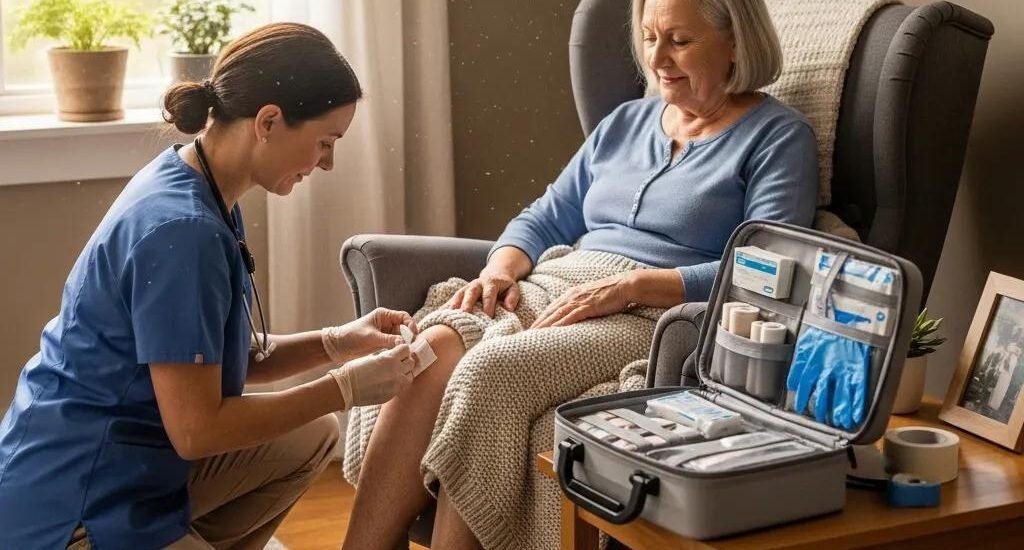
Mobile wound care is changing how people get treated — it brings professional, evidence‑based care to where patients are most comfortable. This piece outlines the main benefits of receiving wound care at home or in a care facility and explains how at‑home services can reduce stress, remove travel barriers, and support faster, safer healing. Many patients struggle with transportation, mobility limits, or the anxiety of clinic visits; mobile care addresses those challenges directly. Below we cover the core benefits, how comfort and outcomes improve, the advanced therapies available, and the practical support provided to patients and caregivers. We also explain why
Healix360
Advanced Mobile Wound Care Specialists is trusted for these services.
What Are the Key Benefits of Mobile Wound Care for Patients?
Bringing wound care into the home offers clear, measurable advantages that improve both experience and outcomes. The primary benefits are convenience, lower infection exposure, and more consistent, individualized healing plans.
- Convenience of At‑Home Treatment
: Patients receive professional care without traveling — a major help for anyone with limited mobility, chronic conditions, or transportation challenges. - Reduced Infection Risks
: Fewer visits to hospitals or clinics means less exposure to facility‑acquired pathogens. - Improved Healing Outcomes
: Regular, personalized follow‑up and treatment adjustments support faster, more reliable recovery.
| Benefit | Description | Impact Level |
|---|---|---|
| Convenience | Receiving treatment at home removes travel-related strain | High |
| Infection Risk | Fewer clinic or hospital visits lower exposure to infections | High |
| Healing Outcomes | Tailored care and consistent follow-up support faster recovery | High |
Together, these benefits explain why many patients and families opt for mobile wound care as a practical, effective alternative to traditional clinic‑based treatment.
How Does Mobile Wound Care Improve Healing Outcomes and Speed?
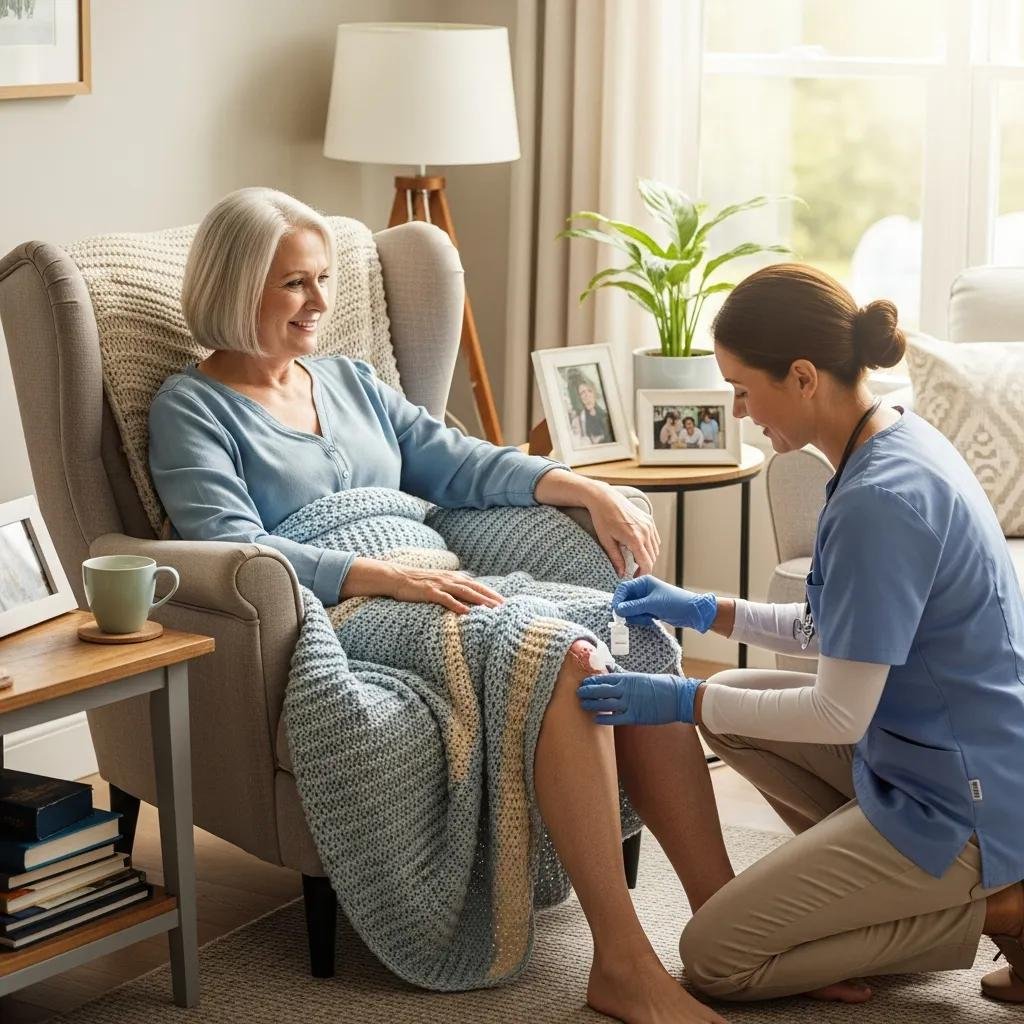
Mobile wound care supports better healing by enabling frequent, focused assessments and by tailoring treatments to how a wound actually responds over time. Regular visits let clinicians make timely adjustments, catch complications early, and keep treatment progress on track. Studies suggest healing times with home‑based care are comparable to—or in some cases better than—those achieved through clinic‑only care. Beyond metrics, patients also report feeling safer and more supported when care comes to them.
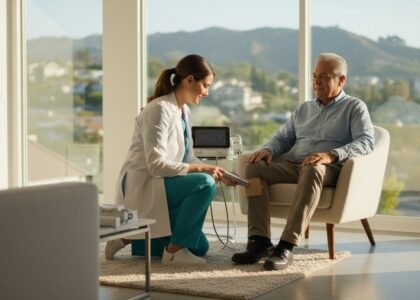
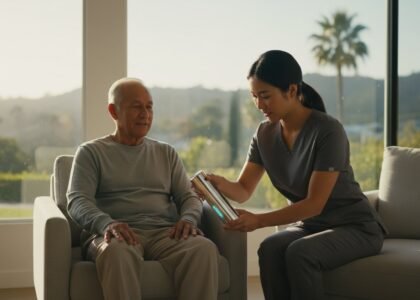
Using modern assessment tools and mobile devices improves the speed and accuracy of wound monitoring, helping clinicians make more informed decisions between visits.
Mobile Wound Care Device Boosts Efficiency
A mobile wound care device combining multi‑spectral sensors to capture stereoscopic and thermal images was evaluated in a trial. The device reduced mean process time by 4.86 minutes compared with the traditional manual process (P<0.001), demonstrating measurable productivity and assessment gains.
Safety and efficacy of home-based negative pressure wound therapy for chronic wounds, 2020
In What Ways Does At‑Home Wound Treatment Reduce Infection Risks and Hospital Readmissions?
Treating wounds at home lowers the chance of encountering hospital‑based pathogens and can reduce avoidable readmissions. Mobile care also emphasizes patient and caregiver education—teaching wound hygiene, dressing changes, and signs of infection—so problems are identified early and addressed before they require hospitalization. This proactive approach reduces complications and helps keep patients on a steady path to recovery.
How Does Mobile Wound Care Enhance Patient Comfort and Accessibility?
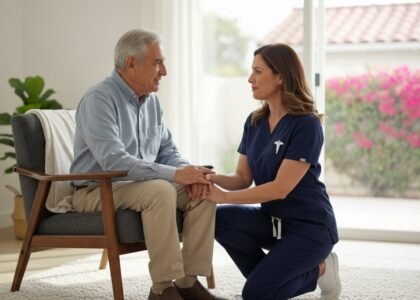
Comfort and access are central to mobile wound care. By removing travel and logistical hurdles, care becomes more manageable for patients and families, which in turn supports better adherence to treatment plans and overall well‑being.
- Elimination of Travel Stress
: Avoiding trips to clinics reduces physical strain and the anxiety that often accompanies medical appointments. - Comfort of Home Environment
: Receiving care where patients feel secure can improve mood and cooperation—both important for healing.
Why Is Eliminating Travel and Mobility Barriers Crucial for Chronic Wound Patients?
For people with chronic wounds, difficulty getting to appointments can delay critical care. Mobile wound care removes that barrier so treatments happen on schedule, without adding the time, cost, or fatigue of travel. This is especially meaningful for older adults and those with disabilities who may struggle with transportation or mobility.
What Psychological Benefits Does Healing in a Familiar Home Environment Provide?
Healing at home often reduces anxiety and increases satisfaction with care. Familiar surroundings help patients relax, which can improve sleep, appetite, and engagement with treatment—factors that support physical recovery. Mental and emotional comfort is an important, complementary part of effective wound management.
What Advanced Treatments Are Offered Through Mobile Wound Care Services?
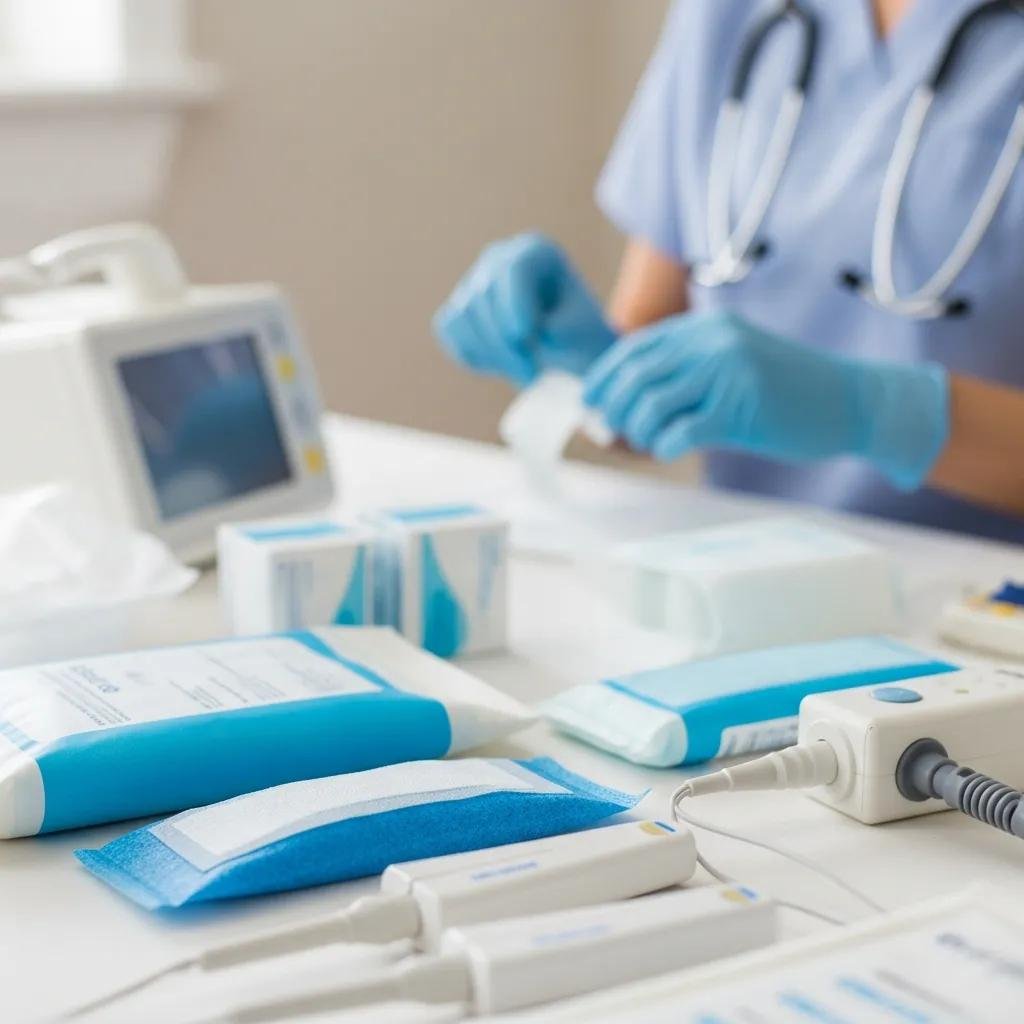
Mobile wound care teams deliver many of the advanced therapies traditionally available only in clinics. These include regenerative approaches and specialty techniques designed to address complex or non‑healing wounds.
- Types of Advanced Treatments
: Options can include biologic dressings, negative pressure wound therapy (NPWT), and other regenerative products that support healing at the tissue level. - How They Are Administered
: These therapies can be safely and effectively delivered in the home, with trained clinicians managing application, monitoring, and follow‑up.
How Do Regenerative Medicine Therapies Like Stem Cell Technology Work at Home?
Regenerative therapies leverage the body’s repair mechanisms to promote tissue recovery. When appropriate and approved, components of regenerative care can be integrated into a home‑based treatment plan under specialist supervision. Availability depends on regulatory guidelines and clinical protocols, but mobile teams can coordinate and deliver therapies within those frameworks to keep care comfortable and personalized.
What Role Do Biologic Dressings and Negative Pressure Wound Therapy Play in Mobile Care?
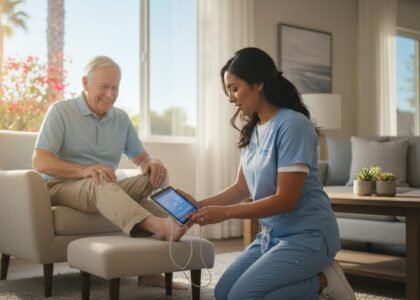
Biologic dressings create a moisture‑balanced environment that supports cellular repair, while NPWT helps remove excess fluid and increase blood flow to the wound bed. Both approaches can accelerate healing and are routinely managed in home settings by experienced mobile clinicians, providing patients with advanced options without a clinic visit.
Research continues to support the safety and effectiveness of home‑based NPWT and similar advanced therapies for chronic wounds, reinforcing their role in mobile care models.
Home‑Based NPWT: Safety & Efficacy for Chronic Wounds
Evaluations of NPWT in home settings examine whether the technique can be delivered safely and effectively for chronic wound patients. These studies aim to establish a basis for using home‑based NPWT and improving its outcomes and accessibility.
Safety and efficacy of home-based negative pressure wound therapy for chronic wounds, 2020
How Does Mobile Wound Care Support Patients and Their Caregivers?
Mobile wound care teams care for both patients and the people who support them. Practical education, clear communication, and reliable treatment plans make it easier for caregivers to provide safe, confident assistance between visits.
- Educational Resources
: Teams provide step‑by‑step guidance and materials so patients and caregivers understand wound care routines, warning signs, and when to seek help. - Communication Strategies
: Regular updates and open lines to the care team help families stay informed and address questions quickly.
What Educational Resources Empower Patients During Their Healing Journey?
Education is central to mobile care. Patients and caregivers receive clear instructions on dressing changes, hygiene, symptom monitoring, and when to contact the care team. That knowledge increases confidence and helps prevent avoidable setbacks.
How Are Caregivers Supported Through Communication and Reliable Treatment Plans?
Caregivers benefit from scheduled check‑ins, straightforward care plans, and prompt communication with specialists. This structure reduces uncertainty, helps maintain continuity of care, and ensures everyone involved understands progress and next steps.
Why Choose Healix360 for Mobile Wound Care Services?
Healix360 Advanced Mobile Wound Care Specialists combines clinical expertise with patient‑centered service. Our teams deliver advanced, evidence‑based therapies in the home, with an emphasis on safety, dignity, and measurable outcomes.
- Expertise of Specialists
: Healix360’s board‑certified clinicians bring extensive wound care training and real‑world experience to each visit. - Ease of Scheduling
: We make it simple to set up care so patients receive timely, coordinated treatment without unnecessary delays.
What Expertise Do Healix360’s Board‑Certified Specialists Bring to Mobile Wound Care?
Our clinicians are trained in the latest wound care practices and technologies. That expertise enables individualized care plans, evidence‑based interventions, and careful monitoring—key factors in achieving better healing and higher patient satisfaction.
How Can Patients Easily Schedule and Begin Their Mobile Wound Care Treatment?
Scheduling with Healix360 is straightforward. Patients can
contact the service
to request an initial consultation. During that visit, specialists assess the wound, review medical history, and outline a customized plan so care can start quickly and appropriately.
Frequently Asked Questions
What types of patients benefit most from mobile wound care services?
Mobile wound care is especially helpful for people with chronic or hard‑to‑heal wounds, older adults, and anyone with mobility or transportation challenges. It also supports postoperative patients and those needing complex wound management by delivering regular, personalized care where it’s most convenient.
How does mobile wound care address the needs of caregivers?
Mobile care supports caregivers with practical training, clear instructions, and ongoing communication. This guidance reduces caregiver stress and ensures care is consistent and safe between clinician visits.
Are mobile wound care services covered by insurance?
Insurance coverage varies by plan and medical necessity. Many insurers recognize the value of home‑based care and may cover these services when appropriate. We encourage patients to check with their insurer about specific benefits, referral requirements, or prior authorizations.
What qualifications should I look for in a mobile wound care provider?
Look for board‑certified clinicians with documented wound care training and experience with advanced treatments like NPWT and biologic dressings. Patient reviews, clear care protocols, and available educational resources are also helpful indicators of quality.
How can technology enhance mobile wound care services?
Technology—portable imaging devices, telehealth, and digital documentation—improves assessment accuracy, enables remote consultations, and streamlines care coordination. These tools help clinicians make faster, better‑informed decisions and keep patients connected to their care team.
What should patients expect during their first mobile wound care visit?
During the first visit, the specialist completes a thorough wound and health assessment, reviews goals, and creates a personalized care plan. Patients receive guidance on at‑home care and what to expect next. This visit establishes the plan for follow‑up and ongoing support.
Conclusion
Mobile wound care delivers convenience, lowers infection exposure, and supports better healing—while keeping patients comfortable in their own homes. Choosing a trusted provider like Healix360 gives you access to experienced clinicians and advanced therapies tailored to individual needs. To learn more or schedule a consultation, contact Healix360 and we’ll connect you with the right care team.