

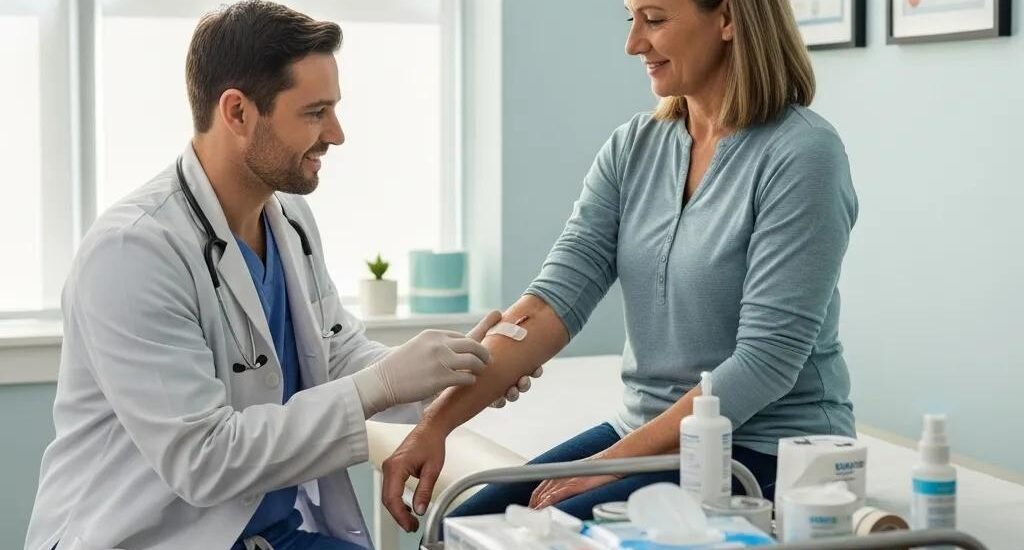
How Smoking Slows Wound Healing — What It Means for Recovery
Smoking affects the body in ways that directly slow and complicate wound recovery. Below we explain the key biological reasons wounds heal more slowly in smokers, the specific risks for different wound types, and why quitting matters. Whether you’re a patient preparing for surgery or a clinician planning care, understanding these effects helps set realistic expectations and improve outcomes. Learn how quitting smoking can speed recovery and how Healix360 Advanced Mobile Wound Care Specialists work with patients to support healing at every step.
How smoking delays wound healing
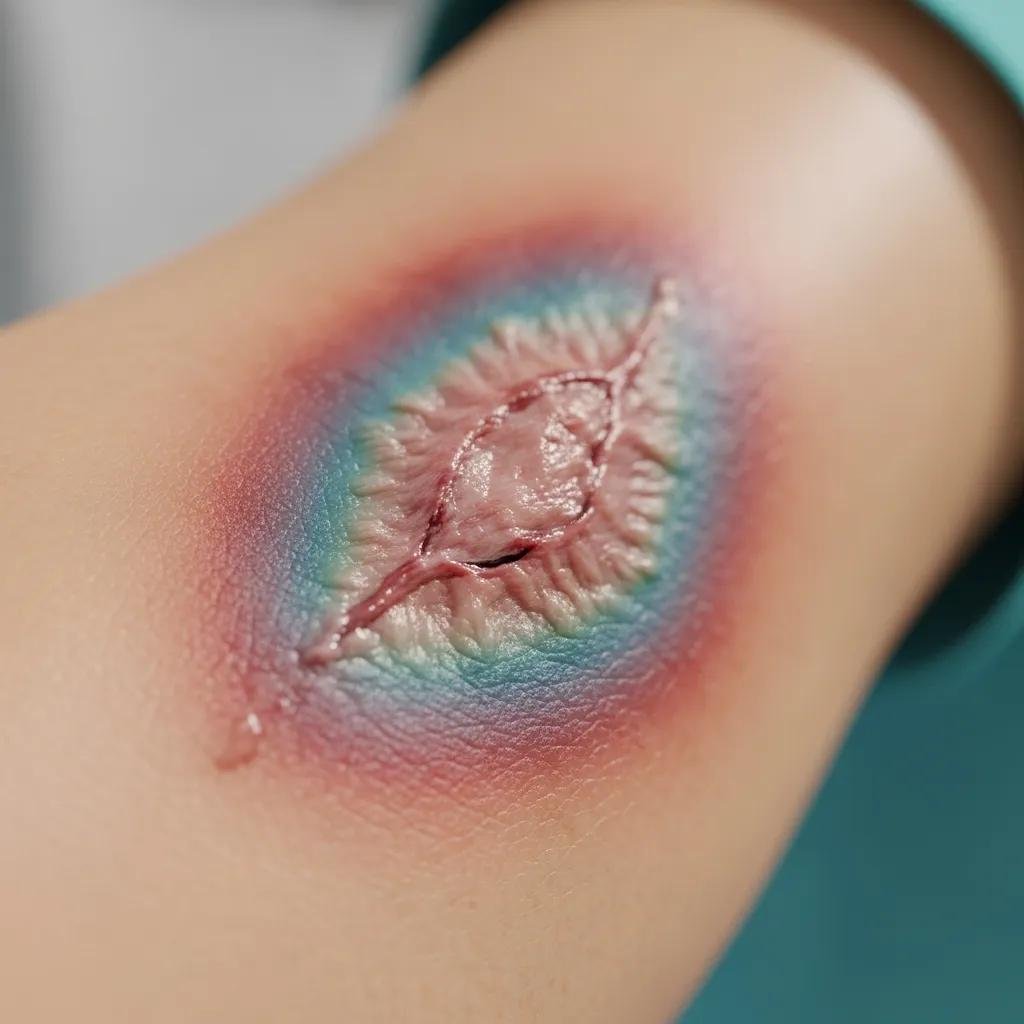
Smoking interferes with several healing processes at once. The most important problems are reduced blood flow and lower oxygen delivery to injured tissue — both essential for repair. Two smoke components, nicotine and carbon monoxide, are major contributors to these effects.
How nicotine reduces blood flow to wounds
Nicotine narrows blood vessels (vasoconstriction), which cuts the flow of oxygen and nutrients to a wound. Less blood flow means cells that build and repair tissue get fewer resources, slowing the entire process and raising the chance of complications. For people who smoke, this vascular effect is a key reason wounds take longer to close and stay more vulnerable during recovery.
Clinical studies repeatedly show nicotine’s vasoconstrictive action is a significant barrier to normal tissue repair.
Nicotine-driven vasoconstriction and impaired healing
Nicotine constricts blood vessels and reduces nutritive blood flow to the skin, creating local ischemia and impaired repair of injured tissue.
Smoking and wound healing, 1992
How carbon monoxide reduces oxygen delivery in wound tissues
Carbon monoxide from cigarette smoke binds to hemoglobin more tightly than oxygen does, so less oxygen is transported to tissues. Wound healing depends on oxygen for energy production and for making collagen, the structural protein that rebuilds tissue. Reduced oxygen (hypoxia) slows cell metabolism and collagen synthesis, which delays healing and weakens new tissue.
How smoking weakens immune defenses and raises infection risk
Smoking impairs immune function, an essential line of defense during wound repair. When immune cells don’t work properly, the body is less able to clear bacteria and control inflammation, increasing infection risk and extending recovery time.
How smoke chemicals blunt immune cell function during repair
Compounds in smoke reduce the effectiveness of neutrophils and macrophages — the cells that remove bacteria and dead tissue. When these cells are impaired, wounds are more likely to become infected, which delays healing and can lead to additional treatments or hospitalization.
What immune suppression means for infection rates
Studies show smokers have higher rates of wound infection than non-smokers. That elevated risk often translates to longer hospital stays, repeat procedures, or chronic wounds. For clinicians and patients, this underscores the clear benefit of smoking cessation as part of a wound care plan.
How smoking reduces collagen production and weakens healed tissue
Collagen gives healed tissue its strength. Smoking interferes with collagen synthesis and fibroblast activity, producing weaker scar tissue and slower structural recovery.
Why collagen is essential for healing
Collagen forms the scaffold new cells use to rebuild skin and soft tissue. Adequate collagen production restores strength and flexibility to injured areas; without it, wounds may reopen, leave poor-quality scars, or take longer to regain function.
How tobacco use lowers collagen and compromises tissue integrity
Evidence shows smoking reduces overall collagen levels and impairs the cells that make it. The result is weaker repaired tissue and a higher likelihood of complications — another reason quitting before and after injury or surgery improves outcomes.
Specific risks for different types of wounds
Smoking affects wounds differently depending on their cause and location. Below are common scenarios where smoking increases risk.
Diabetic foot ulcers and smoking
Diabetic foot ulcers are especially vulnerable. In people with diabetes, smoking compounds poor circulation, immune dysfunction, and neuropathy — significantly delaying healing and increasing infection and amputation risk. Stopping smoking is a critical step to improving outcomes for these patients.
Post-surgical wounds and smoking-related complications
Smokers face higher rates of post-operative infections, delayed closure, and wound dehiscence (reopening). Because blood flow and immune response are compromised, surgical recovery is less reliable. For elective surgery, many teams advise cessation beforehand to lower complication rates.
Benefits of quitting smoking for wound recovery

Stopping smoking improves healing on both short and long timelines. Blood flow, oxygen delivery, immune function, and collagen production begin to recover after cessation, leading to faster and stronger wound repair.
How soon does healing improve after quitting?
Some healing benefits begin within weeks of stopping. Blood flow and oxygenation improve, lowering infection risk and speeding tissue repair. The exact timeline varies by individual, but quitting always increases the chances of a smoother, faster recovery.
How Healix360’s regenerative medicine helps former smokers heal
Healix360 integrates regenerative approaches — including biologics and targeted stem-cell–informed therapies — to support tissue repair in patients who have quit smoking. These options can enhance the body’s natural repair processes, reduce inflammation, and promote stronger, faster healing when combined with smoking cessation.
That approach matters because smoking can significantly damage stem cell populations that are essential for regeneration.
Smoking damages stem cell–mediated repair pathways
Recent research shows tobacco exposure markedly impairs stem cell populations involved in tissue regeneration — including mesenchymal stem cells (MSCs), neural progenitors, and hematopoietic stem cells. Stem cell–based therapies are being explored to counteract smoking-related damage; MSCs in particular have demonstrated immunomodulatory and tissue-repairing properties in several models.
Beyond the Injury: How Does Smoking Impair Stem Cell-Mediated Repair Mechanisms? A Dual Review of Smoking-Induced Stem Cell Damage and Stem Cell-Based …, M Karam, 2025
How Healix360’s mobile wound care helps patients who smoke
Healix360 delivers specialized mobile wound care that meets patients where they are — at home or in their care facility. Our model combines hands-on clinical skill with tailored plans that address the added risks smoking creates.
What personalized treatments does Healix360 offer for smoking-affected wounds?
We offer a spectrum of personalized treatment options, from advanced dressings that optimize the wound environment to regenerative therapies designed to stimulate repair. Each plan considers a patient’s smoking history and overall health to improve healing and reduce complications.
How mobile care improves convenience and outcomes
Bringing care to the patient reduces travel burden and improves adherence to treatment schedules. Regular, consistent visits let our clinicians adjust care quickly, which is especially helpful for smokers who face higher risks and need closer monitoring.
| Treatment Type | Description | Benefits |
|---|---|---|
| Advanced Dressings | Specialized dressings that maintain moisture balance and shield the wound from contamination | Creates a supportive environment for faster, more reliable healing |
| Regenerative Therapies | Biologics and stem-cell–informed treatments that encourage tissue repair | Accelerates tissue restoration and can reduce scarring |
| Personalized Care Plans | Individualized strategies that account for medical history, smoking status, and healing goals | Improves adherence, reduces complications, and supports better outcomes |
Frequently Asked Questions
What are the long-term effects of smoking on wound healing?
Long-term smoking increases the chance of chronic, slow-healing wounds. Over time, repeated vascular injury, immune dysfunction, and reduced collagen production can make wounds harder to treat and raise the likelihood of complications such as infections, repeat procedures, and, in extreme cases, amputations.
Can smoking cessation improve healing for chronic wounds?
Yes. Quitting smoking improves circulation, oxygen delivery, and immune response — all of which help chronic wounds heal more effectively. Studies show people who stop smoking have faster recovery and lower infection rates, making cessation a vital part of treatment for chronic wounds or surgical recovery.
How does smoking affect the healing of surgical wounds specifically?
Smoking raises the risk of post-operative complications, including infection, delayed closure, and wound reopening. Because blood flow and immune defenses are compromised, surgical wounds in smokers are less predictable. Quitting before and after surgery substantially reduces these risks.
What role does nutrition play in wound healing for smokers?
Good nutrition supports every stage of healing. Smokers may need higher intakes of key nutrients — especially protein, vitamin C, and zinc — to support collagen production and immune function. A balanced diet combined with smoking cessation gives wounds the best chance to heal.
Are there specific wound care products recommended for smokers?
Certain advanced dressings that preserve a moist, protected wound environment are particularly useful. Regenerative therapies and biologics may also offer added benefit. The best choice depends on the wound type and the patient’s overall health, so providers should tailor product selection to each case.
How can healthcare providers support smokers in their recovery?
Providers can help by offering personalized care plans that include smoking-cessation resources, selecting appropriate wound products, and considering regenerative options when indicated. Mobile care and frequent follow-up improve adherence and let clinicians intervene early if complications arise.
What are the psychological effects of smoking on wound healing?
Psychological factors — stress, anxiety, or stigma associated with smoking — can reduce motivation and adherence to care plans, indirectly slowing recovery. Addressing mental health and providing nonjudgmental support are important to help patients follow treatment and quit smoking when possible.
Quitting Smoking and Healix360 Care: Faster, Stronger Wound Recovery
Smoking creates clear, measurable barriers to wound healing — from poorer blood flow and oxygen delivery to weakened immune responses and reduced collagen production. Quitting smoking improves the chances of a faster, stronger recovery, and combining cessation with specialized wound care, like the services Healix360 provides, gives patients the best opportunity to heal well. If you or someone you care for is facing a wound or surgery, talk to your care team about smoking cessation and personalized wound care options.