

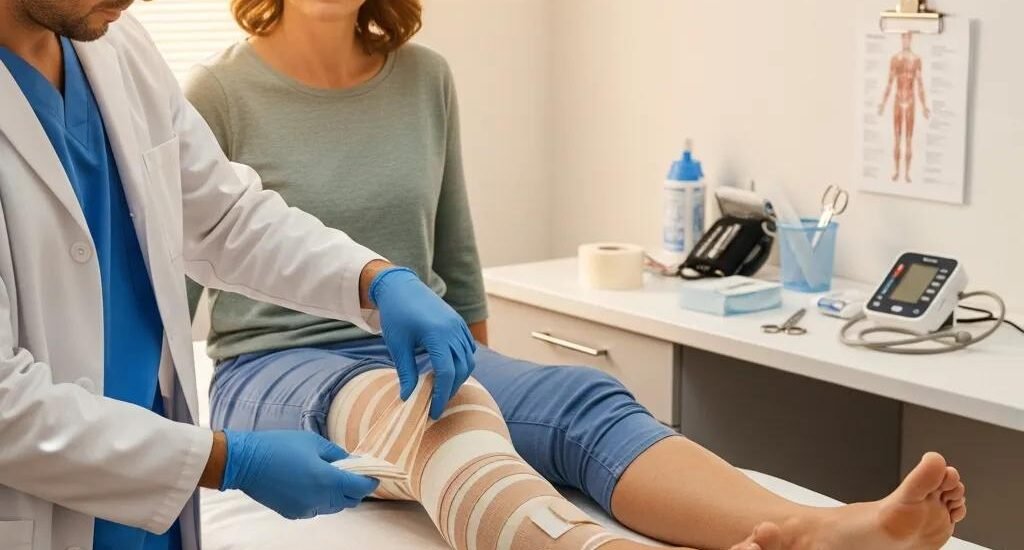
Why Compression Therapy Is Essential for Leg Ulcer Healing and Comfort
Compression therapy is a cornerstone in treating leg ulcers, especially those caused by venous disease. This article explains what compression does, how it helps wounds heal, the options available, and practical advice for patients and caregivers. Understanding compression therapy helps you make confident choices about wound care—reducing pain, speeding recovery, and improving day-to-day comfort. We cover the causes of venous leg ulcers, how compression supports the healing process, and simple ways to manage treatment at home.
Evidence consistently points to compression as a foundational component of effective care for venous leg ulcers.
Compression Therapy: Basis for Successful Venous Leg Ulcer Treatment
Compression therapy — together with exercise — forms the basis for successful treatment of patients with venous leg ulcers
Compression therapy in patients with venous leg ulcers, J Dissemond, 2016
What are venous leg ulcers and what causes them?
Venous leg ulcers are chronic wounds that develop when the veins in the leg don’t move blood efficiently. Over time, increased pressure in the veins allows fluid to leak into nearby tissues, which damages the skin and leads to ulcer formation. Knowing the root causes helps guide treatment and prevent future problems.
How does venous insufficiency lead to leg ulcers?
Venous insufficiency happens when vein valves weaken or fail, allowing blood to pool in the lower legs. Common contributors include obesity, long periods of standing, and a prior deep vein thrombosis (DVT). The excess pressure and fluid interfere with oxygen and nutrient delivery to the skin, making it more fragile and prone to breakdown.
What are the common symptoms and risks of leg ulcers?
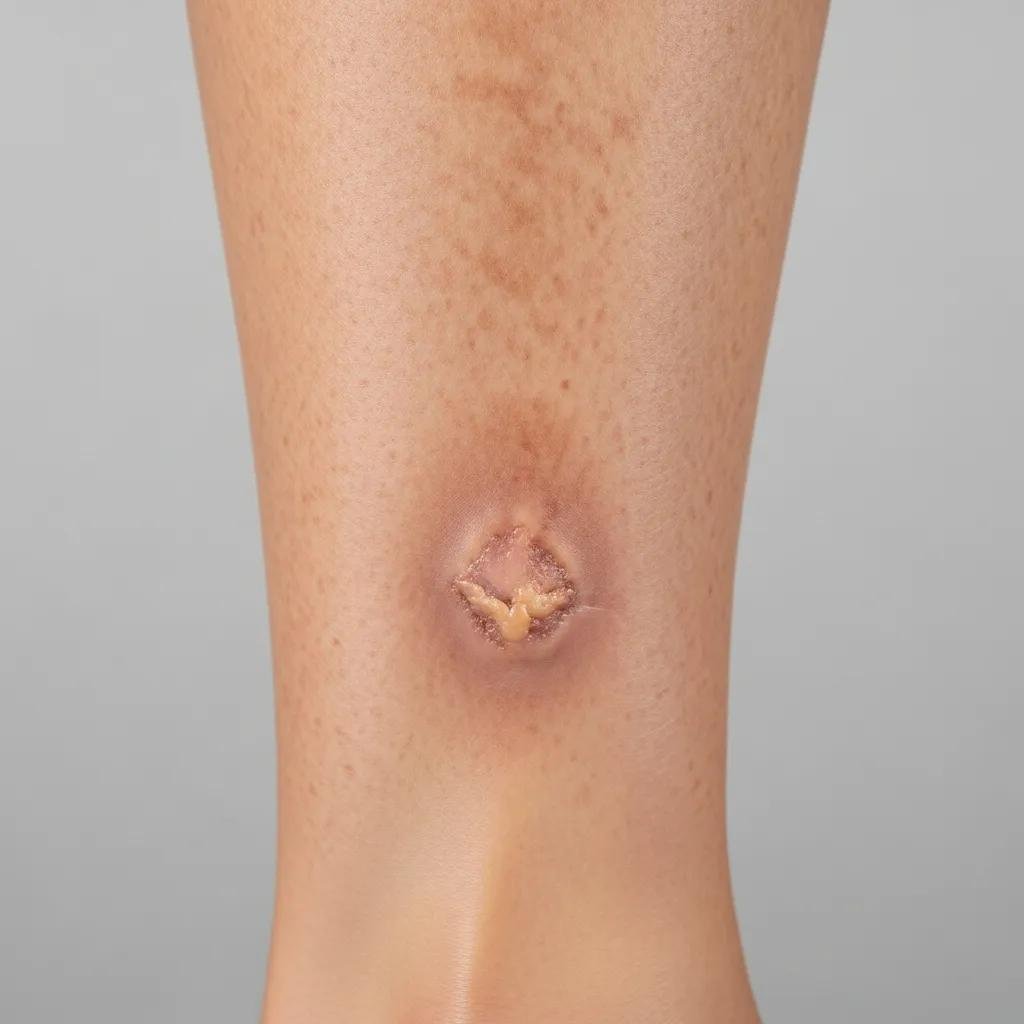
Typical signs include swelling, aching or a heavy feeling, and skin that looks discolored—often brownish from chronic changes (lipodermatosclerosis). Ulcers can be slow to heal and painful. Risk factors include older age, low activity, excess weight, and vascular disease. Early recognition and treatment reduce complications and improve outcomes.
How does compression therapy help leg ulcers heal?
Compression therapy reduces swelling, improves circulation, and supports the natural pumping action of the calf. Applied correctly, it lowers pressure inside the veins and encourages blood to move back toward the heart. That improved flow brings oxygen and nutrients to the wound and clears waste—key steps for healing.
For venous leg ulcers, compression is widely accepted as the first and most important clinical intervention.
Compression: First-Line Treatment for Venous Leg Ulcers
Leg ulceration, usually of venous origin, is common. Compression treatment, in the form of bandaging or hosiery, is regarded as the first line of treatment for venous leg ulceration
A systematic review of compression treatment for venous leg ulcers, N Cullum, 1997
What is the mechanism behind compression therapy?
External pressure from bandages or stockings improves venous return and reduces edema. Compression supports the calf muscle pump, helping blood flow upward and reducing the buildup of fluid in the lower leg. Better circulation means more oxygen and nutrients reach the wound and metabolic waste is removed—conditions that speed healing.
What are the key benefits of consistent compression?

Regular, well-applied compression delivers several clear benefits:
- Faster healing
: By restoring flow and reducing swelling, compression helps ulcers close sooner. - Less pain
: Reducing venous pressure and edema often eases aching and discomfort. - Fewer recurrences
: Ongoing compression after healing helps maintain venous function and lowers the chance an ulcer returns.
For patients looking for coordinated wound care, combining compression with
Healix360’s advanced mobile wound care services
can improve results and make treatment easier to follow.
Clinical reviews show compression improves short-term healing and reduces long-term recurrence when patients stay engaged with therapy.
Compression Therapy: Enhancing Venous Leg Ulcer Healing & Preventing Recurrence
This review presents the current state of knowledge on venous leg ulcer management, with special focus on compression therapy. Comprehensive, modern treatment strategies—built on careful diagnosis and consistent care—can produce marked improvements, with healing rates up to 67% at 12 weeks and up to 81% within 24 weeks. Continuing therapy after the ulcer heals is linked to much lower recurrence rates, down to about 16% when patients remain actively involved in their care.
The role of compression therapy in the treatment of venous leg ulcers, 2019
What types of compression therapy are available for leg ulcers?
There are several compression options to match different stages of healing and patient needs. Knowing the differences helps you and your clinician pick the right method.
How do compression bandages and stockings differ?
Bandages are applied and adjusted by a clinician to provide customized compression for a healing ulcer. Stockings are pre-sized and deliver graduated compression—firmer at the ankle, lighter higher up. The choice depends on ulcer stage, leg shape, mobility, and lifestyle.
Which compression levels and methods suit different patients?
Compression is grouped by pressure: mild (15–20 mmHg), moderate (20–30 mmHg), and high (30–40 mmHg). Higher pressures give more support but may not be appropriate for everyone. Your healthcare team will assess circulation and recommend the safest, most effective level for you.
How can patients and caregivers apply and manage compression therapy at home?
Successful home management depends on correct application, regular monitoring, and clear communication with the care team. These practical steps make therapy safe and more effective.
What are the best practices for proper compression application?
Follow these core steps when applying compression:
- Clean the skin
: Start with clean, dry skin to reduce infection risk and help dressings adhere. - Positioning
: Elevate the leg for a few minutes before applying compression to reduce fluid buildup. - Application technique
: Apply bandages or stockings from the toes upward, keeping pressure even and avoiding folds or tight spots.
Common mistakes—like wrapping too tightly or leaving wrinkles—can reduce benefit or cause problems. If you’re unsure, ask a clinician for a refresher.
How can caregivers support effective compression therapy?
Caregivers are essential partners in treatment. Communicate regularly with the care team via
Contact Healix360
to report issues, confirm fit, or schedule visits. Gentle help with application and encouragement to follow the plan increase comfort and healing success.
How does Healix360 integrate compression with advanced mobile wound care?
Healix360 combines evidence-based compression with regenerative and advanced wound therapies delivered in the home or clinic. Our mobile specialists tailor plans so patients get the right support where they live—reducing travel and improving continuity of care.
What role does regenerative medicine play in healing?
Regenerative approaches aim to stimulate tissue repair and support the body’s own healing processes. When used with compression, these therapies can address underlying issues and help ulcers close more effectively.
What is the patient journey with Healix360’s mobile specialists?
Care typically starts with a focused assessment to identify the ulcer’s cause and best treatment path. Mobile specialists deliver personalized care—applying compression, monitoring progress, and adjusting treatment as needed—so patients get consistent, expert support through each stage of healing.
What are common concerns about compression therapy and how are they addressed?
Compression is safe for most people, but it’s natural to have questions. Addressing concerns early helps patients stick with therapy and get the best results.
How is pain and discomfort managed during treatment?
Discomfort is often a sign that compression needs adjusting. Proper application, regular checks, and open communication with your clinician can reduce pain. Your provider can change compression level or technique to preserve comfort while maintaining therapeutic benefit.
What measures reduce infection risk and support mobility?
Keep the wound area clean, follow dressing instructions, and watch for redness, increased drainage, or fever. Mobility aids—walkers, canes, or footwear—can help maintain independence while protecting the limb. Schedule regular follow-ups so your care team can spot issues early.
| Compression Type | Application Method | Compression Level |
|---|---|---|
| Compression Bandages | Clinician-applied, tailored fit | Varies based on need |
| Compression Stockings | Off-the-shelf, graduated fit | Mild (15-20 mmHg), Moderate (20-30 mmHg), High (30-40 mmHg) |
This table summarizes common compression options, their typical application, and pressure categories to help guide discussions with your clinician.
In short, compression is a practical, evidence-based tool that supports wound closure, relieves symptoms, and lowers the chance of recurrence when used consistently and correctly. With the right guidance, patients and caregivers can work together to achieve strong, lasting results.
Frequently Asked Questions
What should I do if I experience discomfort while using compression therapy?
Tell your healthcare provider as soon as possible. Discomfort may mean the compression is too tight or unevenly applied. Your clinician can adjust the pressure, change the garment or bandage type, or review application technique to keep you comfortable while maintaining therapeutic benefit.
How long should compression therapy be worn each day?
Wear schedules vary, but many patients are advised to wear compression for most of the day—often 20 to 24 hours—removing it only for bathing or skin care. Your care team will give specific guidance tailored to your condition and skin needs.
Can compression therapy be used alongside other treatments?
Yes. Compression is commonly combined with wound cleaning and dressings, topical therapies, and regenerative treatments. Integration of multiple approaches often improves outcomes—always coordinate with your healthcare provider for a safe, comprehensive plan.
Are there any contraindications for using compression therapy?
Compression is not appropriate for everyone. Conditions such as significant arterial insufficiency, severe peripheral neuropathy, or certain skin disorders may rule it out. A full assessment by a clinician is essential to confirm suitability and explore alternatives when needed.
How can I ensure the effectiveness of compression therapy at home?
Follow application best practices (clean, dry skin; proper elevation; even pressure), check garments for fit and wear, and maintain a regular wearing schedule as advised. Report any changes—new pain, numbness, increased drainage, or skin changes—to your care team promptly.
What lifestyle changes can support the effectiveness of compression therapy?
Simple changes help: keep a healthy weight, stay active with gentle walking or ankle exercises, elevate your legs when resting, drink enough water, and eat a balanced diet rich in protein and vitamins to support skin health. Discuss personalized recommendations with your clinician.
Conclusion
Compression therapy is a proven, practical component of venous leg ulcer care—speeding healing, easing symptoms, and reducing recurrence when used correctly. Understanding how compression works and following clinician guidance makes treatment safer and more effective. If you or a loved one is managing a leg ulcer, explore our resources and reach out for personalized support to move your healing forward.