

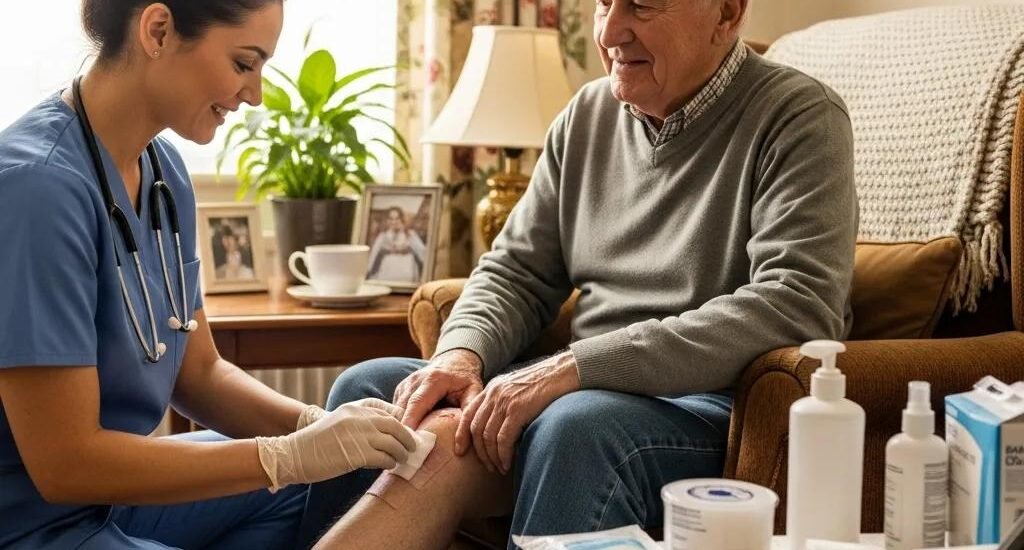
Living with Chronic Wounds: The Emotional Impact and How to Manage It
Chronic wounds often exact more than a physical toll — they can change how someone feels about their body, their future, and their daily life. Ongoing pain, visible wounds, and repeated care appointments can create anxiety, low mood, and social withdrawal. This piece breaks down the psychological effects of chronic wounds, explains how mental health influences healing, and offers practical coping strategies for patients and caregivers. We also highlight how mobile, clinic-level care from Healix360 can help support emotional well‑being alongside clinical treatment.
Evidence shows that remote and mobile care models, including telemedicine, can improve patients’ self‑reported health, wellbeing and overall quality of life.
Telemedicine for Chronic Wounds: Mental Health & Quality of Life
A total of 156 participants (78 per group) reported on secondary endpoints: self‑reported health, wellbeing and quality of life measured with both generic and disease‑specific patient‑reported outcome tools (for example, EuroQOL, the Hospital Anxiety and Depression Scale (HADS), Problem Areas in Diabetes (PAID), and the Neuropathy and Foot Ulcer–Specific Quality of Life Instrument (NeuroQOL)).
Effect of a telemedicine intervention for diabetes‑related foot ulcers on health, well‑being and quality of life: secondary outcomes from a cluster randomized controlled trial, MM Iversen, 2020
How chronic wounds affect mental health
Chronic wounds frequently create persistent emotional strain. Anxiety, depression, frustration and reduced confidence are common and can meaningfully lower quality of life. Recognizing these responses is the first step toward integrated care that treats both mind and body.
How anxiety and depression show up in people with chronic wounds
People often report constant worry about whether a wound will heal, hopelessness about long recovery timelines, and loss of interest in normal activities. These feelings can make it hard to follow treatment plans or keep appointments. Early recognition and timely mental health support — from counselors, social workers, or peer groups — can help patients reengage with care and daily life.
How social isolation and stigma affect emotional recovery
Visible wounds or frequent dressing changes can make people feel self‑conscious, causing them to pull back from friends and public life. That isolation deepens loneliness and can worsen mood. Open conversations, practical support from family or community groups, and normalizing these experiences are important steps toward rebuilding connection.
How mental health influences wound healing

Mental and emotional states affect the body’s repair systems. Stress, anxiety and depression alter hormones and immune responses, which can slow tissue repair and raise the risk of complications. Effective wound care therefore includes attention to stress reduction and emotional support.
Recognizing how psychological factors interact with biological healing helps clinicians tailor treatment and improve patient outcomes.
Psychological Impact & Stress on Chronic Wound Healing
Examining patients’ wellbeing, the effect of stress on wound healing, and the broader psychological impact of living with chronic wounds can inform individualized care plans and improve healing outcomes.
The impact of psychological factors on wound healing, 2020
How stress and cortisol affect immunity and repair
Chronic stress raises cortisol levels, which can suppress immune function and reduce the body’s ability to fight infection and rebuild tissue. Managing stress with practical techniques can therefore support the biological processes that underlie wound repair.
How anxiety and depression influence adherence to treatment
Mood disorders often sap motivation and energy, which can lead to missed appointments, inconsistent dressing changes, or avoidance of care. Addressing mental health directly improves the likelihood patients will follow their care plan and see better healing results.
How Healix360’s mobile wound care supports psychological wellbeing
Healix360 brings specialty wound care to patients’ homes and care settings, removing transportation obstacles and reducing the stress of clinic visits. That convenience, combined with attentive clinical practice, helps patients feel safer, more supported, and more likely to stick with treatment.
How faster healing eases emotional strain
When wounds respond to treatment and pain decreases, patients often regain confidence and independence. Healix360’s focus on advanced and regenerative therapies aims to accelerate healing and, in turn, reduce the anxiety and frustration that accompany prolonged wound care.
How mobile care reduces isolation and builds connection
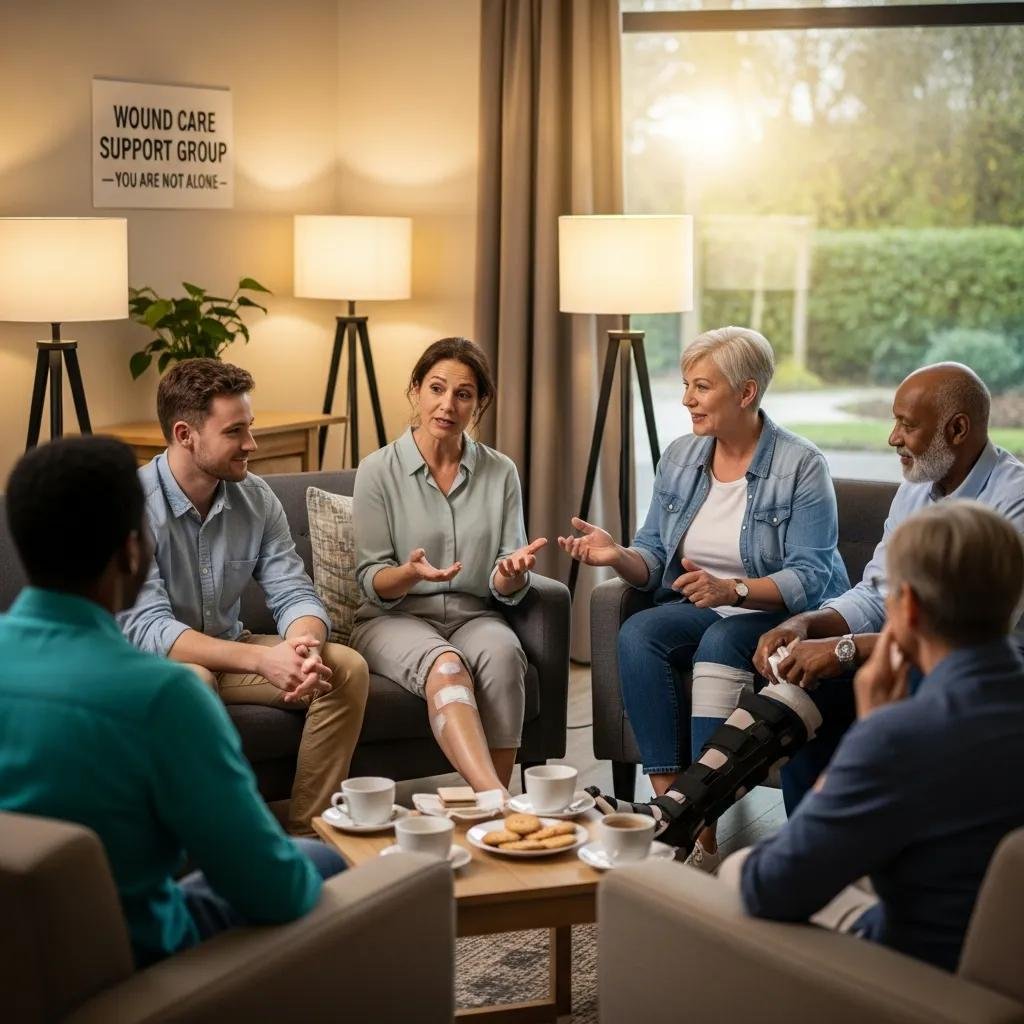
Regular home visits and consistent contact with a care team create routine human connection that matters. Healix360 encourages patients to reach out to their care team and to use those touchpoints not only for clinical care but for emotional reassurance and problem solving.
Practical coping strategies for patients and caregivers
Meaningful coping blends clinical support with daily actions that protect mental health. Below are approaches proven to help people manage the psychological burden of chronic wounds.
Professional supports that help
Therapy, counseling, and structured support groups offer tools to manage anxiety, depression and adjustment. Referrals to mental health professionals who understand chronic illness can make a measurable difference in coping and treatment adherence.
Mindfulness and stress‑reduction techniques
Simple practices — breathing exercises, short guided meditation, progressive muscle relaxation — reduce anxiety and improve mental focus. When used alongside medical care, these techniques help patients feel more in control and less overwhelmed.
Restoring body image and self‑esteem while living with chronic wounds
Wounds can affect how people see themselves. Addressing body image and self‑worth is an essential part of recovery, not an optional add‑on.
Common body image concerns
Visible scarring, dressings or changes in mobility can trigger shame, embarrassment, or withdrawal. Acknowledging these feelings openly with clinicians or support peers helps validate the patient’s experience and opens the door to practical solutions.
Steps to rebuild confidence and self‑acceptance
Finding supportive communities, practicing self‑compassion, and celebrating small wins in recovery all rebuild confidence. Goal setting, positive self‑talk, and connection with peers who understand the journey also reinforce a healthier self‑image.
Support available for caregivers facing emotional strain
Caregivers play a vital role and frequently carry their own emotional burden. Supporting caregivers is part of high‑quality wound care.
Research highlights the considerable health and wellbeing challenges faced by carers, underlining the need for targeted support.
Caregiver Well‑being & Burden in Chronic Wound Care
With the expected rise in chronic wounds, carers are at increased risk of negative health and wellbeing outcomes. Recognizing and addressing caregiver strain is essential to sustain effective care.
The complexity of caring (Part 1): Detrimental health and well‑being outcomes for caregivers of people with chronic wounds, D Upton, 2015
How caregiver stress affects patient outcomes
When caregivers are overwhelmed, their ability to provide consistent, attentive care can decline — which directly affects patient healing. Supporting caregivers preserves both their health and the quality of care patients receive.
Resources to help caregivers preserve mental health
Caregivers benefit from peer support groups, respite services, counseling, and practical training in wound care. Education and access to community resources reduce burnout and improve outcomes for everyone involved.
| Psychological Effect | Description | Impact on Healing |
|---|---|---|
| Anxiety | Ongoing worry about recovery and complications | May slow healing through prolonged stress responses |
| Depression | Persistent low mood, hopelessness, reduced motivation | Can lead to missed care and poorer self‑management |
| Social Isolation | Pulling away from friends and activities | Worsens mood and reduces support that aids recovery |
Addressing the psychological effects of chronic wounds is as important as treating the wound itself. With coordinated clinical care and attention to mental health, patients and caregivers can improve wellbeing and healing outcomes. Healix360’s mobile wound care model is designed to deliver that integrated support, helping people manage the medical and emotional sides of recovery.
Frequently Asked Questions
What are common misconceptions about chronic wounds and mental health?
One common misconception is that chronic wounds are purely physical problems. In truth, they often trigger significant emotional reactions that affect recovery. Dismissing emotional distress as unimportant can delay necessary support and reduce the effectiveness of medical treatment.
How can family and friends best support someone with chronic wounds?
Offer practical help (transport, wound‑care tasks when appropriate), listen without judgment, and encourage adherence to the treatment plan. Simple gestures of inclusion and patience go a long way toward reducing isolation and improving mood.
What role does nutrition play in wound healing?
Nutrition is foundational: adequate protein, vitamin C, zinc and other nutrients support tissue repair and immune function. Working with a clinician or dietitian to ensure a balanced, healing‑focused diet can speed recovery.
Are there specific therapies that can help with the emotional impact of chronic wounds?
Yes. Cognitive‑behavioral therapy (CBT) helps reframe negative thoughts and reduce anxiety, while expressive therapies (art, music) and mindfulness approaches can ease emotional distress and improve coping.
How can technology help manage the emotional side of wound care?
Telehealth, mobile apps and online support groups lower barriers to care, provide reminders and track progress, and connect patients with peers and clinicians — all of which reduce anxiety and increase engagement in treatment.
When should someone seek professional mental health support while dealing with chronic wounds?
Seek professional help if feelings of sadness or anxiety persist, daily functioning declines, or there are thoughts of self‑harm. Early intervention improves both mental health and physical recovery.
Conclusion
Chronic wounds affect more than skin — they affect daily life, mood and relationships. Recognizing and treating the emotional side of wound care improves healing and quality of life. Healix360’s mobile, clinic‑level approach is designed to reduce barriers, speed recovery, and offer the human support patients and caregivers need. To learn more about how we can help, explore our wound care services and reach out to our team.