

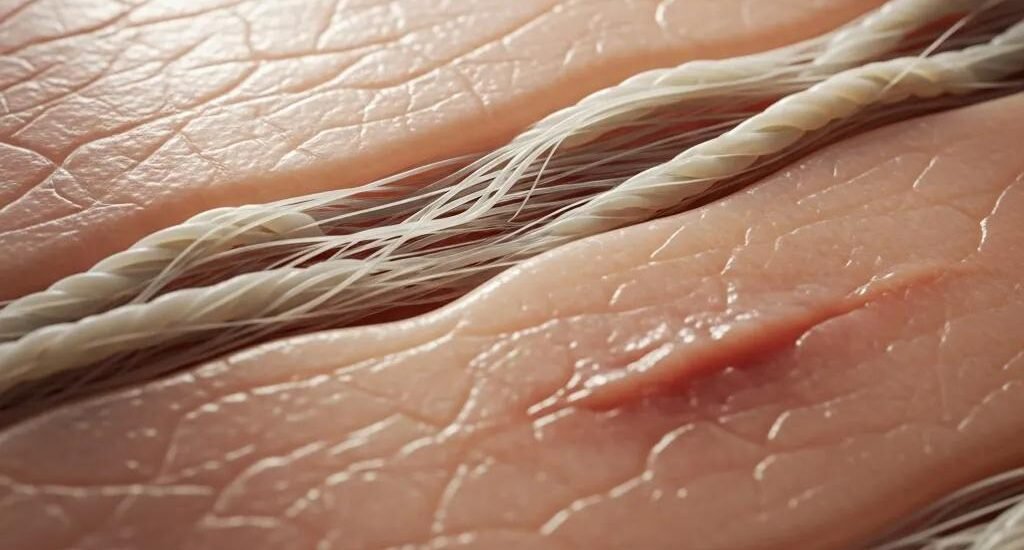
How Collagen Drives Wound Healing: Its Role, Benefits, and Practical Insights
Collagen is a structural protein that’s essential to how wounds mend. In this guide we explain what collagen does during the healing process, the types most involved, and how collagen-based therapies can improve outcomes. Whether you’re a patient, caregiver, or clinician, understanding collagen helps you make clearer decisions about treatment options and scar management. Below we cover collagen’s function across healing stages, the evidence behind collagen therapies, and how Healix360 applies these principles through our mobile wound care services.
Why Collagen Matters for Wound Healing
Collagen provides the framework that injured tissues need to rebuild. Present in skin, tendons, and ligaments, it forms a scaffold that supports cell attachment, movement, and growth. When a wound lacks sufficient collagen or collagen function is impaired, healing slows and complications become more likely. In short: collagen helps the body replace damaged tissue with a stronger, organized repair.
Which Collagen Types Are Key to Healing?
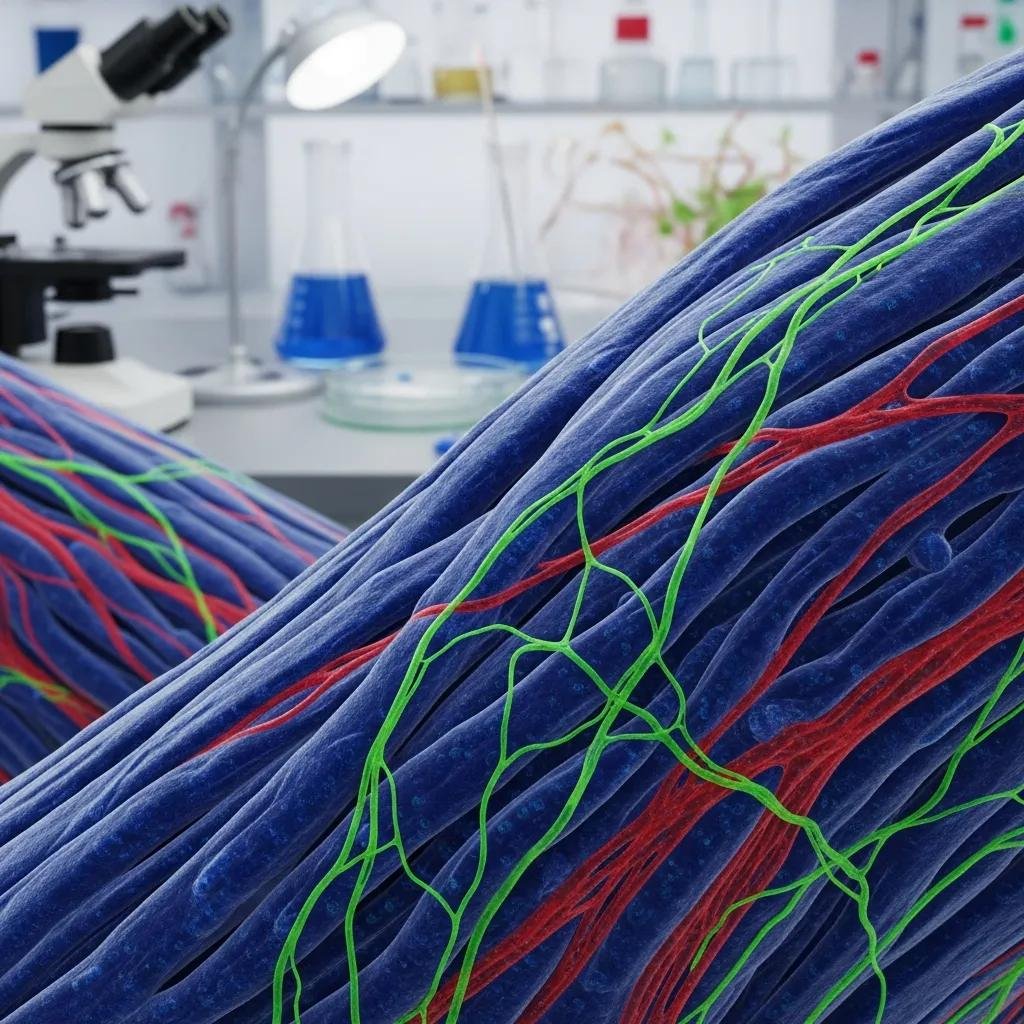
Many collagen subtypes exist, but Type I and Type III play the largest roles in wound repair. Type I provides the tensile strength that rebuilds durable tissue and is abundant in skin and connective structures. Type III appears early in the repair process and supports new tissue formation. Together they create a balance between strength and flexibility as healing progresses.
How Collagen Supports New Tissue and Cell Movement
Collagen acts as a physical scaffold for cells. Fibroblasts migrate into the wound, synthesize new collagen fibers, and assemble an extracellular matrix. That matrix lets other cells—like keratinocytes—move across the wound to re-form the skin surface. Effective collagen deposition is therefore central to organized tissue regeneration.
Collagen’s Role Through the Stages of Healing
Wound repair unfolds in stages—hemostasis, inflammation, proliferation, and remodeling—and collagen contributes at each step.
Hemostasis and Inflammation: Early Actions
When tissue is injured, exposed collagen helps trigger platelet activation and clot formation, which control bleeding. In the inflammatory phase, collagen fragments and signals help recruit immune cells that clear debris and set up a clean environment for repair.
Proliferation and Remodeling: Building Strength
During proliferation, collagen production ramps up as fibroblasts lay down the matrix that fills the wound and supports new blood vessel growth. In remodeling, collagen fibers reorganize and mature—Type III is gradually replaced by stronger Type I—improving the healed tissue’s strength and elasticity.
Clinical measurements have shown marked increases in Type I and III collagen production during human wound healing.
Quantifying Type I & III Collagen Synthesis in Human Wound Healing
To quantify wound healing in surgical patients, wound fluid samples were collected through a silicone rubber tube for 7 postoperative days and concentrations of the carboxyterminal propeptide of type I procollagen (PICP) and the aminoterminal propeptide of type III procollagen (PIIINP) were measured using specific radioimmunoassays. The mean concentration of PICP in wound fluid on day 1 was 207 +/- 92 (SD) micrograms/L, and on day 2 908 +/- 469 micrograms/L (p less than 0.001, signed rank test). By day 7 the mean concentration was 380 times higher than that of day 1 (79,330 +/- 54,151 micrograms/L).
Synthesis of type I collagen in healing wounds in humans, L Risteli, 1991
Benefits of Collagen Therapy in Advanced Wound Care
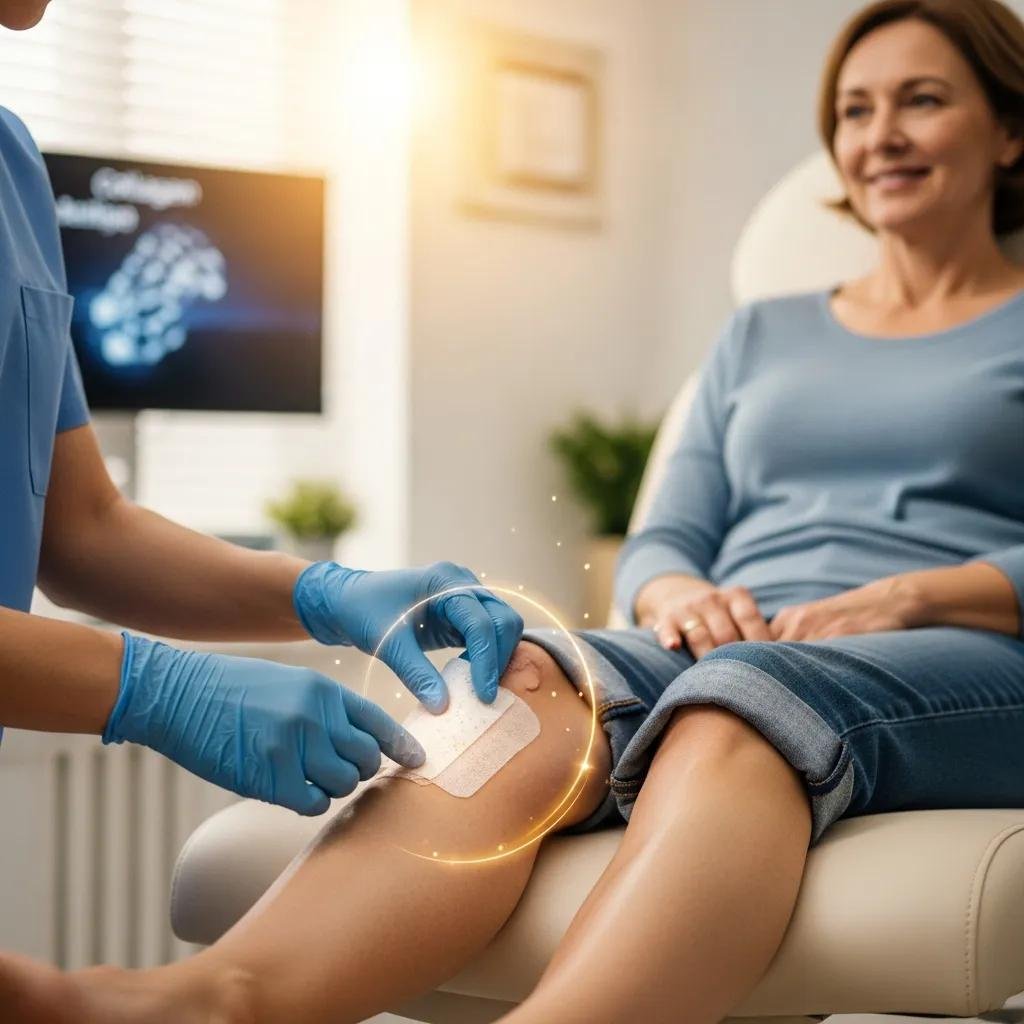
Collagen-based treatments are widely used in advanced wound care because they directly support the body’s repair mechanisms. Clinically, these therapies can help wounds close more reliably and improve the quality of the healed tissue.
- Faster repair: Collagen supplies the matrix and signals that speed tissue rebuilding.
- Less scarring: By guiding organized tissue formation, collagen therapies can reduce irregular scarring and improve appearance.
- Better patient outcomes: When matched to the wound’s needs, collagen treatments often lead to less pain, fewer complications, and quicker recoveries.
How Collagen Dressings Help Chronic Wounds
Collagen dressings maintain a moist, protected wound environment while providing a scaffold for new tissue. They manage exudate, lower the risk of drying and contamination, and stimulate fibroblast activity—factors that are especially helpful for chronic or slow-healing wounds.
Recent reviews and studies summarize multiple advantages of collagen dressings for chronic wound healing.
Collagen Dressings: Benefits for Chronic Wound Healing & Tissue Regeneration
As the principal component of skin, collagen has long been a focus in chronic wound research because of its low antigenicity, high biocompatibility, and favorable bioactivity. Over recent decades, collagen-based dressings have been developed to address chronic wounds by reducing protein and electrolyte loss in wound exudate, helping prevent bacterial contamination, allowing less painful dressing changes, and improving healing quality. Key functions of collagen dressings include controlling bleeding, shortening inflammation, promoting angiogenesis, and stimulating tissue regeneration.
Recent progresses of collagen dressings for chronic skin wound healing, C Song, 2023
Why Santyl Collagenase Is Useful for Debridement
Santyl (collagenase) is an enzymatic debriding agent that targets necrotic collagen in non-viable tissue while sparing healthy tissue. By selectively removing dead material, Santyl exposes viable tissue and can improve healing rates when used as part of an overall wound management plan.
Collagen, Tissue Regeneration, and Cellular Repair
Collagen supports repair at the tissue and cellular level by shaping the extracellular environment where cells rebuild structure and function.
Fibroblasts, Keratinocytes, and Collagen Interactions
Fibroblasts create much of the collagen matrix; keratinocytes migrate across that matrix to re-form the epidermis. Their coordinated activity—guided by collagen and other matrix molecules—is essential for re-epithelialization and barrier restoration.
Three-dimensional laboratory models further demonstrate how Type I collagen supports cell interactions and tissue repair.
Collagen Type I in 3D Wound Healing Models
Because three-dimensional (3D) models more closely mimic native tissues, one goal of 3D in vitro tissue models is to support development and toxicity screening of new therapies. In this study, a 3D skin wound healing model made from a collagen type I construct with fibrin-filled defects was developed to study keratinocyte migration when co-cultured with fibroblasts.
Keratinocyte Migration in a Three-Dimensional In Vitro Wound Healing Model Co-Cultured with Fibroblasts, K Iyer, 2018
The Extracellular Matrix and New Tissue Formation
The extracellular matrix (ECM) is a complex protein network where collagen is a primary structural element. The ECM supports cell attachment and migration and also influences cell behavior—functions that are essential for forming organized, functional new tissue.
Applying Collagen Therapy to Different Wound Types
Collagen treatments can be adapted to specific wound characteristics to improve healing across a wide range of wounds.
Collagen for Diabetic and Chronic Ulcers
Diabetic and chronic ulcers often suffer from impaired tissue repair and prolonged inflammation. Collagen therapies can provide the scaffolding and biochemical cues these wounds need to progress through healing phases. Clinical reports show faster healing and fewer complications when appropriate collagen-based treatments are used alongside standard care.
Collagen in Burns and Surgical Wounds
For burns and surgical wounds, collagen helps rebuild tissue architecture and can reduce infection risk when combined with proper wound care. By supporting organized cell growth, collagen-based products contribute to stronger, more functional healed tissue and often reduce visible scarring.
Why Choose Healix360’s Mobile Collagen-Based Wound Care?
Healix360 Advanced Mobile Wound Care Specialists deliver personalized, evidence-informed wound care in the convenience of your home or facility. Our mobile model combines clinical expertise with therapies—like collagen-based dressings and enzymatic debridement—that match each wound’s needs.
How We Personalize Collagen Therapy
We assess each patient and wound comprehensively, then design a targeted plan that selects the right collagen type, application method, and follow-up schedule. That individualized approach helps ensure treatments are effective and appropriate for the wound’s stage and the patient’s overall health.
Reported Outcomes and Clinical Experience
Healix360 reports a success rate above 85 percent across more than 10,000 patients treated. Those results reflect our focus on patient education, consistent follow-up through mobile visits, and use of clinically supported collagen therapies to support healing.
| Collagen Type | Role in Healing | Key Benefits |
|---|---|---|
| Type I | Provides tensile strength | Enhances structural integrity |
| Type III | Supports early wound healing | Promotes new tissue formation |
| Collagen Dressings | Maintains moist environment | Accelerates healing in chronic wounds |
Collagen is a cornerstone of tissue repair. Knowing how it works and when to use collagen-based therapies can improve healing results. Contact Healix360 to learn how our mobile wound care services can help you or your patients access effective, collagen-informed treatment plans.
Frequently Asked Questions
What are the potential side effects of collagen therapy?
Collagen products are generally well tolerated. Some patients may notice mild local reactions—redness, swelling, or brief irritation—at the application site. Allergic reactions are rare but possible, especially with animal-derived materials. Always share your medical history and known allergies with your provider before starting treatment.
Can collagen supplements improve wound healing?
Oral collagen supplements supply amino acids that can support the body’s collagen production, and some studies report benefits for skin health and repair. Results vary by individual health status, supplement quality, and wound type. Discuss supplementation with your clinician to see if it fits your overall care plan.
How long does it take for collagen therapy to show results?
Response time depends on wound type, severity, and patient factors. Some improvement—reduced exudate, cleaner wound bed, or early tissue formation—may appear in a few weeks. Full closure and remodeling take longer. Regular follow-up lets clinicians monitor progress and adjust treatment as needed.
Are there any dietary sources of collagen that can aid in healing?
Foods like bone broth, chicken, fish, and egg whites contain collagen or its building blocks. Vitamin C–rich foods (citrus, berries, leafy greens) support the body’s collagen synthesis. A balanced diet that supports overall nutrition can complement clinical wound therapies.
Is collagen therapy suitable for all types of wounds?
Collagen therapies are effective for many wound types—surgical wounds, diabetic ulcers, burns, and chronic ulcers—but suitability depends on wound characteristics and patient health. A qualified provider should evaluate the wound to determine the best treatment strategy.
How does hydration affect collagen’s role in wound healing?
Hydration is important. Adequate moisture keeps collagen fibers flexible and supports cell migration and matrix assembly. Dehydrated tissue can impair healing and increase scarring. Staying well-hydrated and using appropriate dressings helps collagen do its repair work.
How Collagen Supports Faster Wound Healing & Recovery
Collagen is central to effective wound repair—providing structure, guiding cellular activity, and improving the quality of healed tissue. When used thoughtfully, collagen-based therapies can speed recovery and reduce scarring. If you’re managing a wound that could benefit from advanced care, discover how Healix360’s mobile wound care teams can bring personalized, collagen-informed treatment directly to you.