

How Family Caregivers Can Monitor Wound Healing Timelines
As a family caregiver, your hands-on care speeds recovery and keeps your loved one safer. This guide gives clear, practical steps you can use at home: what to do day-to-day, how to track healing, and when to call for help. We also outline how mobile wound care services can lift some of the load—bringing clinical expertise to your doorstep so you can focus on comfort and recovery.
What Is the Role of Family Caregivers in Wound Care?
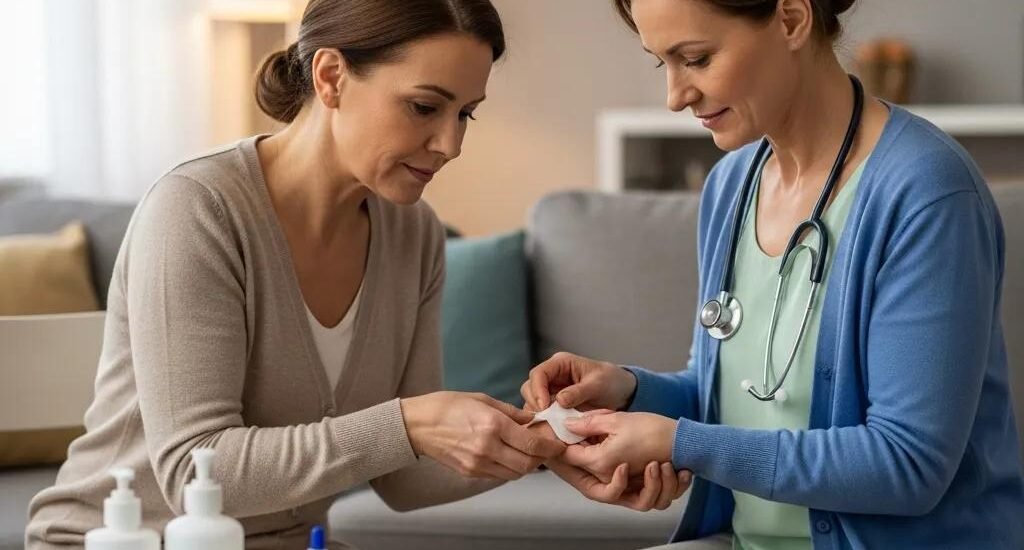
Family caregivers are often the primary link between a patient and their recovery. In wound care, that means keeping dressings clean and secure, spotting early warning signs, and helping the person you care for feel safe and supported. Understanding this role helps you make informed, confident choices each day.
How Do Family Caregivers Assist with Daily Wound Management?
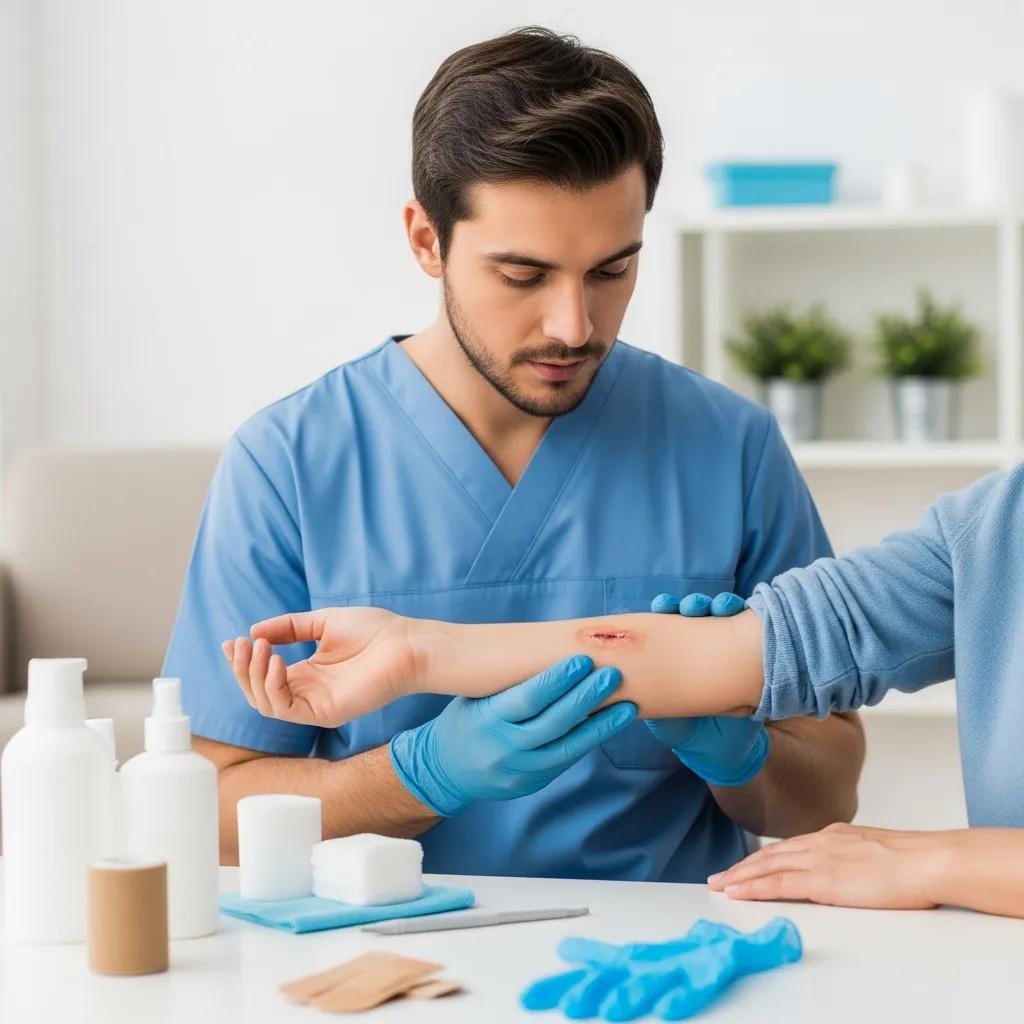
Everyday wound care covers a few essential tasks that protect healing and prevent complications. These include:
- Dressing changes: Change dressings on the schedule your clinician recommends, keeping the wound covered and the dressing dry.
- Monitoring for infection: Check the wound daily for new redness, warmth, swelling, or unusual discharge and note any changes.
- Providing emotional support: Pain and anxiety affect recovery—calm reassurance, clear explanations, and gentle encouragement matter.
When you combine careful technique with consistent observation, you help the wound—and the person—heal more reliably.
What Practical Steps Can Family Caregivers Take for Home Wound Care?
Good home wound care is organized and predictable. A few practical steps make each dressing change safer and more effective.
- Gather necessary supplies: Assemble sterile dressings, antiseptic wipes, gloves, tape, a waste bag, and any prescribed ointments before you begin.
- Follow safe dressing-change procedures: Use clean technique, avoid touching the wound with bare hands, and follow the sequence your clinician taught you.
- Maintain hygiene: Keep the care area clean and wash your hands thoroughly before and after each dressing change.
How to Perform Safe Dressing Changes and Maintain Hygiene
Safe dressing changes follow three clear steps:
- Prepare the area: Work on a flat, well-lit surface and lay out your supplies so you won’t need to interrupt the process.
- Techniques for dressing application: Put on gloves, gently clean around (not directly into) the wound as directed, and apply the new dressing without contaminating it.
- Post-care hygiene: Seal used dressings in a bag, dispose of waste safely, and wash your hands to prevent spreading germs.
Following a simple routine reduces infection risk and makes care quicker and less stressful for both of you.
How Can Family Caregivers Understand and Monitor Wound Healing Timelines?
Wound healing follows stages, and knowing what to expect helps you spot normal progress versus problems.
- Typical healing timelines: Minor cuts and surgical wounds often improve in 1–3 weeks. More complex wounds, like pressure injuries or diabetic foot ulcers, can take weeks to months to heal.
- Signs of healing: Look for shrinking wound size, less redness and swelling, and the appearance of pink, granular tissue.
- When to seek professional help: If a wound stalls, gets worse, or shows signs of infection, contact a clinician for assessment and possible treatment changes.
What Are Common Signs of Healing and When to Seek Help?
Healing usually shows up as:
- Decreased redness: The area around the wound should slowly calm down.
- Reduced swelling: Puffiness should diminish over time.
- Formation of new tissue: Pink or red, slightly moist granulation tissue is a positive sign.
Contact a clinician promptly if you notice any of these warning signs:
- Increasing pain or new, severe discomfort
- Pus, greenish or foul-smelling drainage
- Fever, chills, or other systemic symptoms
What Are the Benefits of Mobile Wound Care for Family Caregivers?
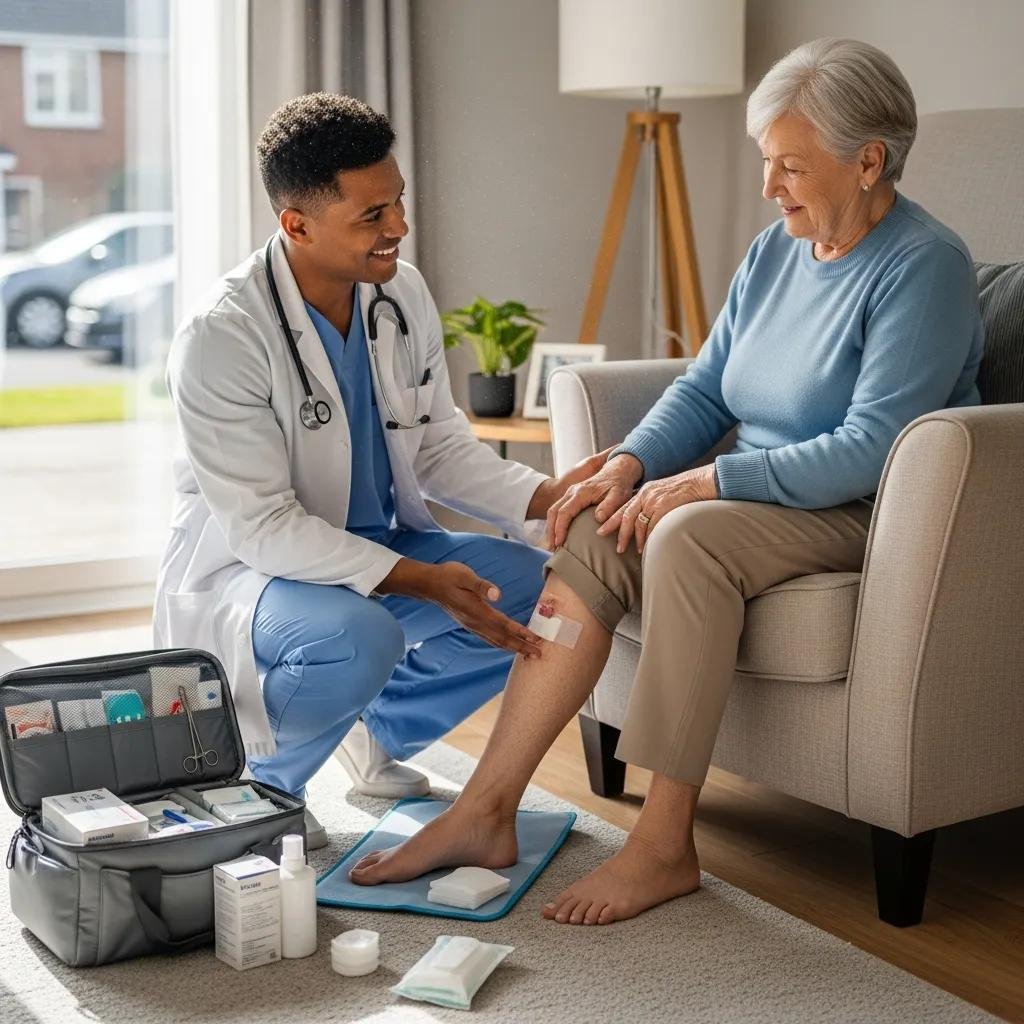
Mobile wound care brings trained clinicians into your home—saving travel time, providing practical training, and offering clinical oversight that complements the care you provide every day.
- Convenience of in-home care: Professional visits at home reduce disruptions and make care easier for patients with limited mobility.
- Reduction of caregiver burden: Routine or complex procedures performed by a clinician let you focus on comfort, coordination, and emotional support.
- Access to professional expertise: Mobile teams can reassess wounds, update treatment plans, and teach you best practices face-to-face.
How Does Mobile Wound Care Reduce Caregiver Burden?
Mobile wound care eases pressure on family caregivers in practical ways:
- Less travel: No long drives or clinic waits—care comes to your home.
- Professional training and support: Clinicians demonstrate techniques and answer your questions so you feel more confident.
- Better outcomes: Timely professional input often speeds healing and reduces complications, which lowers stress for everyone involved.
How Can Family Caregivers Manage Common Wound Complications at Home?
Knowing common problems and simple management steps lets you act quickly and safely.
- Common complications: Infection, delayed healing, and excessive scarring are the issues you’ll most often encounter.
- Management strategies: Stick to cleaning and dressing protocols, keep the patient mobile as advised, and address nutrition and blood sugar control when relevant.
- When to seek help: If a wound worsens or doesn’t respond to care, don’t hesitate to seek professional assistance.
What Are Warning Signs of Infection and When to Contact Professionals?
Watch for these red flags:
- Increased redness, swelling, or warmth: A spreading area of redness or heat can indicate infection.
- Pus or unusual discharge: Thick, colored, or foul-smelling drainage needs prompt evaluation.
- Fever or systemic symptoms: A fever, chills, or nausea with a wound should trigger immediate contact with a clinician.
What Advanced Wound Care Treatments Should Family Caregivers Know About?
Some wounds need more advanced approaches. Understanding the common options helps you follow a clinician’s plan and set expectations.
- Types of advanced treatments: Examples include debridement, negative pressure wound therapy, and biologic dressings.
- How they work: These therapies remove dead tissue, improve circulation, and create an environment that supports new tissue growth.
- Benefits for patients: Advanced treatments can speed recovery, reduce infection risk, and improve long-term outcomes for complex wounds.
How Do Treatments Like Debridement and Negative Pressure Therapy Work?
Debridement removes dead or infected tissue so healthy tissue can grow. Negative pressure wound therapy uses controlled suction to draw fluid away and encourage blood flow. Both are standard, effective tools for managing complex or slow-healing wounds.
| Treatment Type | Mechanism | Benefits |
|---|---|---|
| Debridement | Removes dead or infected tissue | Clears the wound bed to promote healthy healing and lower infection risk |
| Negative Pressure Therapy | Applies controlled suction over the wound | Reduces edema, improves perfusion, and speeds tissue formation |
| Biologic Dressings | Provides a protective, regenerative layer | Supports tissue regrowth, reduces pain, and protects from contamination |
Family caregivers are central to successful wound care. With clear routines, careful observation, and support from mobile or clinic-based professionals, you can help your loved one recover safely and with fewer setbacks.
Frequently Asked Questions
What should I do if a wound is not healing as expected?
If a wound isn’t improving within the expected time, contact a healthcare professional. Delayed healing can stem from infection, poor circulation, uncontrolled blood sugar, or nutrition deficits. Track changes—size, drainage, odor, and pain—and share those details with the clinician. They may recommend treatment adjustments or advanced therapies.
How can I ensure a clean environment for wound care at home?
Choose a tidy, well-lit spot and clear clutter away. Wash your hands, use sterile gloves when instructed, and lay out supplies in order before you begin. Wipe surfaces with an appropriate disinfectant and dispose of used materials in a sealed bag. A consistent setup reduces errors and keeps the wound safer.
What are the signs that indicate a wound may be infected?
Look for increasing redness, spreading warmth, new or worsening swelling, thick or foul-smelling discharge, and escalating pain. Systemic signs—fever, chills, or feeling generally unwell—also point to infection. If you see any of these, contact a healthcare provider promptly.
How can I support a loved one emotionally during wound care?
Emotional care matters as much as physical care. Listen without judgment, explain each step before you begin, and check in about pain or fears. Small comforts—favorite music, a warm blanket, or brief distraction—can ease stress. Your calm presence helps reduce anxiety and improves cooperation during care.
What should I know about nutrition and wound healing?
Nutrition fuels tissue repair. Encourage a balanced diet with adequate protein, vitamin C, vitamin A, and minerals like zinc. Hydration matters too—water supports skin health. If dietary needs are restricted or appetite is poor, ask a clinician or dietitian for a tailored plan or supplements.
Are there any specific wound care products I should consider using?
Products such as hydrocolloid or alginate dressings and antimicrobial ointments can support different wound types. The right choice depends on wound size, drainage, and underlying conditions. Follow your clinician’s recommendations for product selection and ask for demonstrations if you’re unsure how to apply them.
Conclusion
Family caregivers are the backbone of home wound care. By following safe dressing routines, watching for warning signs, supporting nutrition and comfort, and using resources like mobile wound care when needed, you’ll improve healing and reduce complications. For more practical resources and step-by-step guidance, explore our other wound care articles and reach out when you need professional support.