

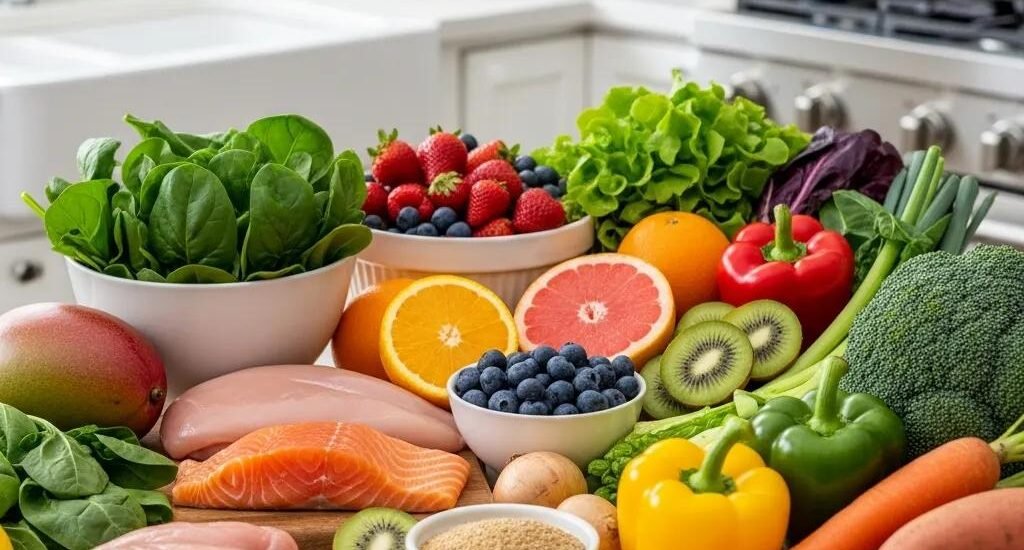
Nutrition and Wound Healing: Key Nutrients and Practical Dietary Guidance
Nutrition directly affects how quickly and cleanly wounds heal. This guide explains the nutrients that matter, offers practical meal and hydration tips for patients and caregivers, and shows how good nutrition shortens recovery and lowers complication risk. Many wounds heal slowly because dietary needs aren’t being met—focusing on the right proteins, vitamins, minerals, and foods can make a measurable difference. Below we cover the essential nutrients, foods that support recovery, simple dietary strategies, the impact of malnutrition, and how nutrition fits into Healix360’s mobile wound care model.
The role of nutrition in wound repair is well established across clinical specialties.
Nutrition’s Fundamental Role in Wound Healing
While the causes of wounds seen in dermatology vary widely, adequate nutrition remains a core requirement for successful healing.
Diet in wound care: can nutrition impact healing?, 2021
Which Key Nutrients Support Effective Wound Healing?
Successful wound repair depends on a mix of macronutrients and micronutrients—mainly protein, plus vitamins and minerals that support immune response, collagen production, and tissue regeneration. Knowing what each nutrient does helps you choose foods that actively support recovery.
How Does Protein Aid Tissue Repair and Collagen Synthesis?
Protein supplies the amino acids the body uses to build new tissue and produce collagen—the structural framework of healed skin. Adequate protein intake speeds tissue formation, supports immune function, and helps prevent muscle loss during recovery. Good sources include lean meats, fish, eggs, and legumes; aim to include a quality protein at each meal when healing.
What Roles Do Vitamins A, C, D, and E Play in Skin Regeneration?
Vitamins support different parts of the healing process. Vitamin A promotes epithelial cell growth and immune response; Vitamin C is essential for collagen synthesis and protects cells as an antioxidant; Vitamin D helps regulate immune activity and can reduce infection risk; Vitamin E shields cells from oxidative damage. To help meet needs, include citrus and berries, leafy greens, nuts and seeds, and vitamin-D–rich foods or supplements when indicated.
What Foods Promote Faster Wound Recovery?
Certain foods deliver the nutrients wound healing requires. Building meals around these groups makes it easier to meet increased demands during recovery.
Which Protein-Rich Foods Enhance Wound Repair?
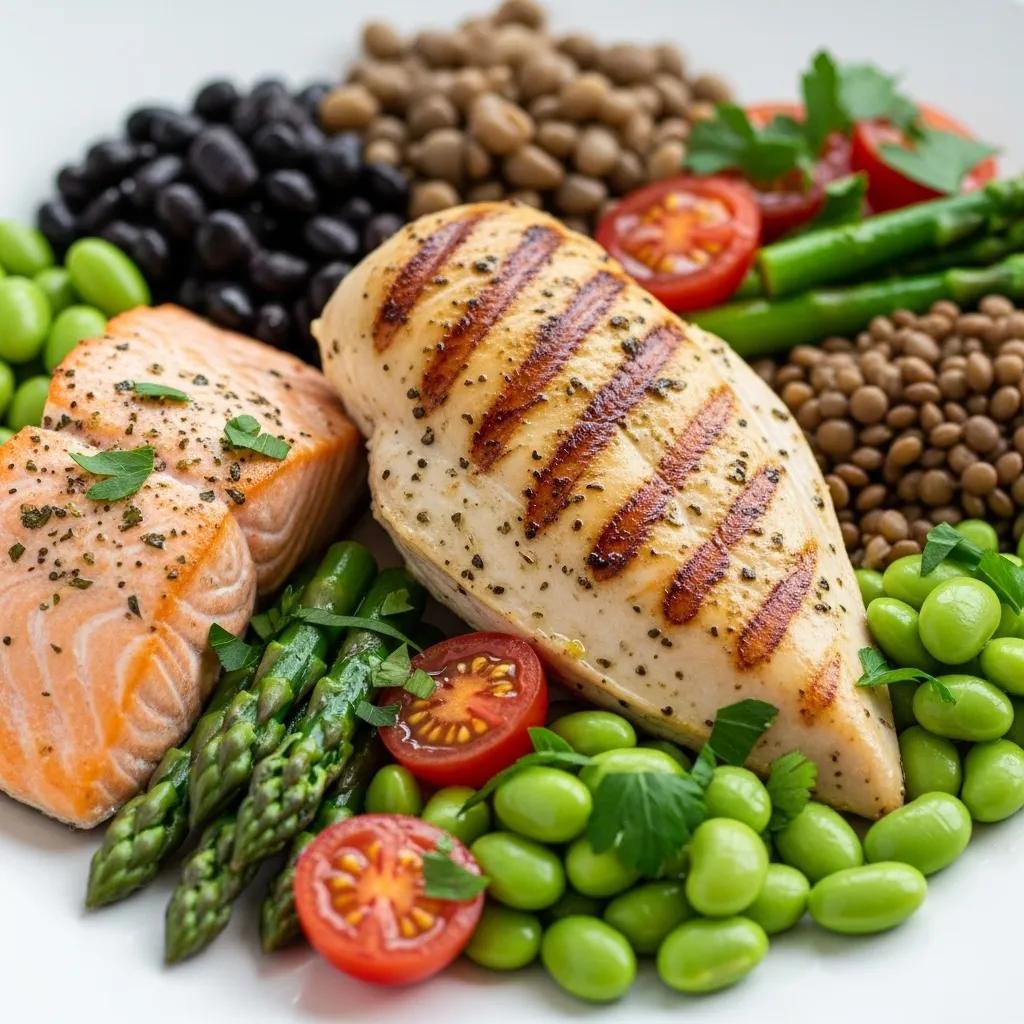
- Lean Meats: Chicken and turkey provide concentrated, high-quality protein to support tissue rebuilding.
- Fish: Fatty fish like salmon supply protein plus anti-inflammatory omega‑3 fats that can aid recovery.
- Legumes: Beans and lentils are reliable plant-based proteins that also add fiber and micronutrients.
Including a protein source at each meal helps meet the increased demand for amino acids during healing.
What Fruits and Vegetables Provide Vital Vitamins and Minerals?
- Citrus Fruits: Oranges and grapefruits are rich in Vitamin C, a key cofactor for collagen formation.
- Leafy Greens: Spinach and kale supply Vitamins A and K, iron, and other nutrients important for tissue health.
- Berries: Blueberries and strawberries deliver antioxidants that reduce oxidative stress at the wound site.
A colorful plate of fruits and vegetables helps ensure a broad mix of vitamins and minerals that support repair.
How Can Dietary Recommendations Optimize Wound Healing Outcomes?
Simple, consistent dietary habits can improve healing trajectories. Clear strategies—balanced meals, adequate calories and protein, and good hydration—make nutritional goals achievable for patients and caregivers.
What Are Practical Meal Planning Tips for Wound Care Patients?
- Balanced Meals: Build each meal with protein, healthy fats, and a variety of fruits or vegetables.
- Frequent Small Meals: If appetite is low, try smaller, more frequent meals to maintain energy and nutrient intake.
- Nutrient-Dense Snacks: Choose snacks like Greek yogurt, nuts, or blended smoothies to boost calories and protein without overfilling.
These simple habits help patients consistently meet the extra nutritional needs of healing.
How Does Proper Hydration Influence Skin Health and Healing?

Staying hydrated keeps skin elastic and supports the cellular activities needed for repair. Dehydration can dry the skin and slow healing, so encourage steady fluid intake—water, herbal teas, and broths are practical choices that also add electrolytes and calories when needed.
What Impact Does Malnutrition Have on Wound Healing?
Malnutrition interferes with every stage of wound repair. Without enough protein, calories, vitamins, and minerals, tissue rebuilding slows, infections become more likely, and hospital stays often lengthen. Identifying and treating malnutrition is critical to improving outcomes.
How Does Malnutrition Delay Tissue Repair and Increase Infection Risk?
When the body lacks essential nutrients, collagen production and immune defenses falter. Low protein intake leads to muscle wasting and limited tissue for repair; vitamin and mineral deficiencies blunt immune response, raising infection risk. Evidence links malnutrition to slower healing, more complications, and longer recovery times.
Evidence consistently highlights the connection between nutritional status and healing—especially in people with chronic conditions or diabetes.
Nutritional Status, Malnutrition, and Essential Supplements for Wound Healing
Although wound healing is multifactorial, nutritional status plays a central role in soft tissue repair. Malnutrition is common and often underrecognized in patients with diabetes and chronic wounds. This article briefly reviews current evidence on protein or amino‑acid supplements, fatty acids, probiotics, vitamins, and trace elements in the healing of diabetic foot ulcers.
Nutritional supplementation on wound healing in diabetic foot: what is known and what is new?, A Da Porto, 2022
What Strategies Address Nutritional Challenges in Chronic Wound Patients?
- Nutritional Screening: Regular screening identifies patients at risk so teams can intervene early.
- Supplementation: Targeted supplements can fill gaps when diet alone isn’t enough.
- Education: Practical education for patients and caregivers improves food choices and adherence.
Combined, these approaches improve nutritional status and support better healing outcomes.
Key Nutrients and Diet Strategies to Speed Wound Healing
Nutrition is a core part of Healix360’s mobile wound care approach. Our model brings wound treatment and nutrition support together in the home, making it easier for patients to follow recommendations and for clinicians to monitor progress.
How Does Mobile Care Support Nutritional Adherence and Healing?
Healix360’s mobile team pairs hands-on wound care with individualized nutrition guidance—practical meal plans, follow-up coaching, and coordination with dietitians when needed. This integrated approach helps patients stick with a plan that supports healing and reduces avoidable setbacks.
Digital tools and mobile care are increasingly used to deliver personalized nutrition support, improving adherence and clinical outcomes.
Mobile App Dietary Interventions for Enhanced Wound Healing
This study evaluated technology-enhanced dietary interventions for wound healing after caesarean delivery. The program used a mobile app to deliver personalized meal plans, reminders, and educational content on nutrition to support recovery.
Evaluating E-Healthcare Dietary Interventions via Mobile App for Wound Healing in Post-Caesarean Women: A Quasi-Experimental Study, T Yanuarti, 2025
What Resources Are Available for Patients and Caregivers on Nutrition?
- Support Networks: Access to dietitians and nutritionists for tailored advice and follow-up.
- Nutritional Guides: Clear, evidence-informed materials that explain essential nutrients and food choices.
- Meal Planning Tools: Practical templates and tips for creating balanced, healing-focused meals.
These resources are designed to help patients and caregivers make confident, effective dietary choices during recovery.
Frequently Asked Questions
What are the signs of malnutrition in wound healing patients?
Common signs include unintended weight loss, low energy, muscle weakness, poor appetite, and wounds that stall or worsen. Skin may appear dry or fragile, and infections become more frequent. Early screening by healthcare professionals helps catch these signs so nutrition can be corrected.
How can caregivers support nutritional needs for wound healing?
Caregivers can help by preparing balanced meals with protein at every meal, offering nutrient-dense snacks, encouraging regular fluid intake, and assisting with supplement routines when recommended. Learning the basics of healing-focused nutrition and keeping simple meal plans on hand makes day-to-day care much easier.
Are there specific dietary supplements recommended for wound healing?
Certain supplements—such as protein powders, vitamin C, zinc, and omega‑3s—can support healing, especially when deficiencies are identified. A clinician or dietitian should recommend and dose supplements to match individual needs so they safely complement the diet.
How does age affect nutritional needs for wound healing?
Older adults often need more protein to preserve muscle and support repair, and they’re at higher risk for deficiencies in Vitamin D and B12. Appetite changes and medication interactions can also affect intake. Tailored plans that account for these factors improve recovery in older patients.
What role does hydration play in wound healing?
Hydration supports skin elasticity and the cell processes that rebuild tissue. Encourage steady fluid intake—water, broths, and unsweetened beverages are good choices—and monitor for signs of dehydration, which can slow healing.
Can a vegetarian or vegan diet support wound healing?
Yes—when it’s well planned. Plant proteins (legumes, soy, nuts, seeds, whole grains) can provide the amino acids needed for repair, and a wide variety of vegetables and fortified foods can supply vitamins and minerals. Attention to protein, iron, and B12 is particularly important.
Conclusion
Good nutrition is a practical, high-impact step toward faster, safer wound healing. Prioritize adequate protein, a variety of vitamins and minerals, consistent hydration, and simple meal strategies. Use screening, education, and targeted supplementation when needed, and lean on Healix360’s integrated care resources to put a plan into practice. Explore our guides or contact us to get the nutrition support that helps you heal.