
Key Benefits of Home Wound Care for Chronic Wound Healing
Chronic wounds change how people live day to day. Home wound care brings clinical expertise into the place patients know best — their home — so treatment is more comfortable, timely, and tailored. This piece outlines the key advantages of home-based wound care and explains how it improves outcomes for people with long‑standing wounds.
Many patients face repeated trips to clinics, discomfort during visits, and the stress of being treated in unfamiliar settings. Home care removes those barriers with personalized, accessible treatment delivered where patients already feel safe. Below we cover comfort and convenience, advanced regenerative options, individualized care plans, safety protocols, cost considerations, and the caregiver support that helps patients heal.
How Does Home Wound Care Enhance Comfort and Convenience for Chronic Wound Patients?
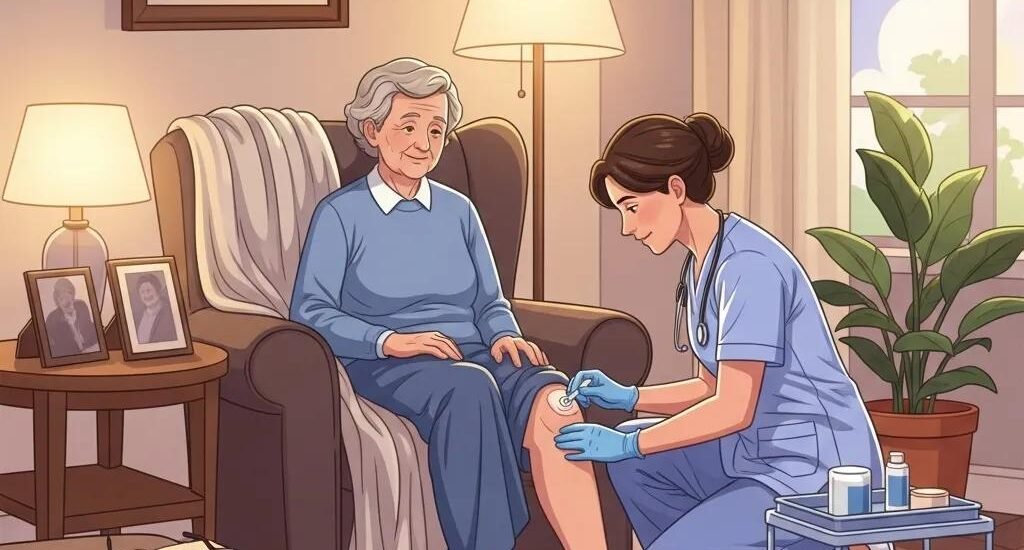
Receiving wound care at home reduces the physical and emotional strain of repeated clinic visits. Familiar surroundings, fewer transfers, and one‑on‑one time with a clinician lower anxiety and help patients stay engaged with their recovery. That calm, consistent care often supports better adherence to treatment and a steadier healing process.
What Are the Psychological and Physical Benefits of Healing in Your Own Environment?
Being treated at home generally improves patient comfort and can positively affect recovery. When patients feel relaxed and supported by family or caregivers, they’re more likely to follow care instructions, keep appointments, and report changes early. These behaviors help reduce setbacks and can lead to higher satisfaction with care.
How Does Mobile Care Eliminate Travel Barriers and Improve Accessibility?
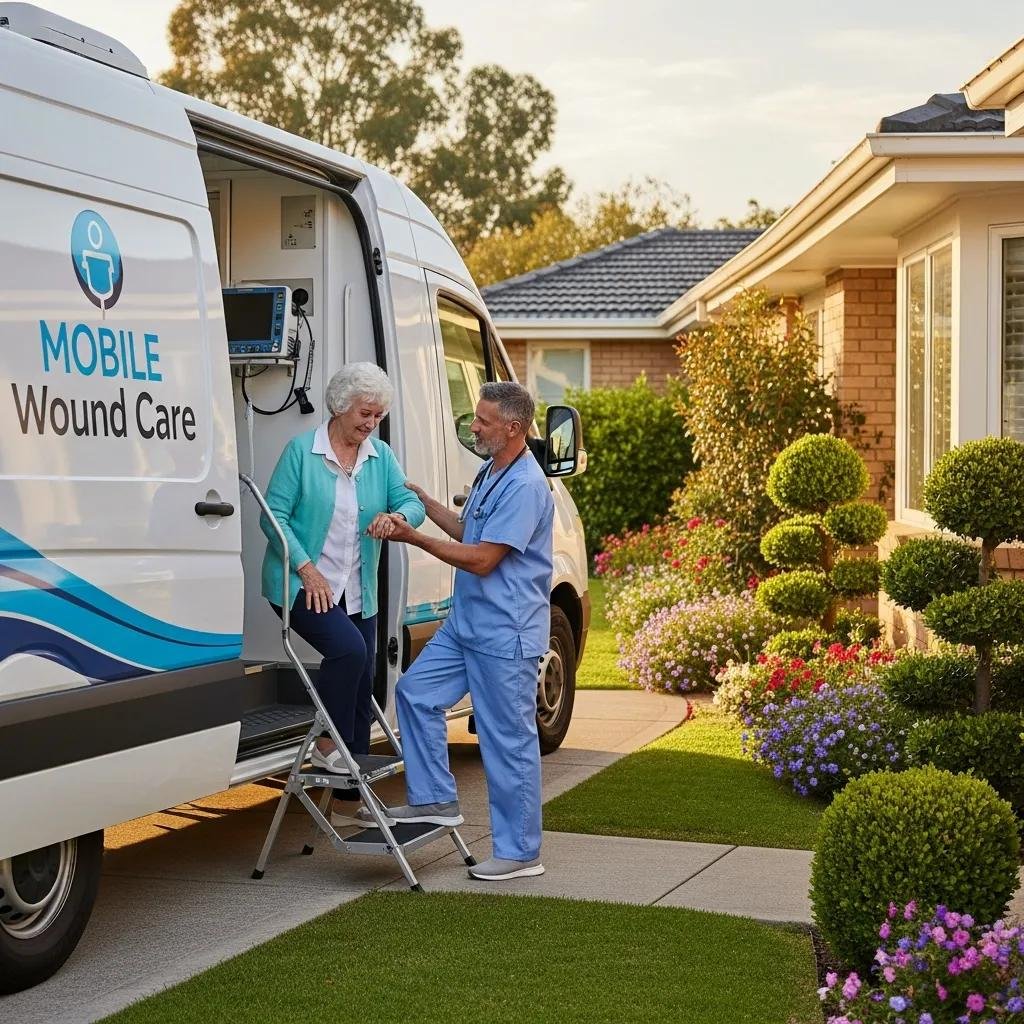
Mobile wound care removes transportation challenges that often prevent timely treatment—especially for people with limited mobility or those living in assisted facilities. By coming to the patient, mobile teams ensure timely, consistent interventions that are essential for controlling infection and supporting healing.
What Advanced Regenerative Treatments Are Available Through Mobile Wound Care?
At‑home wound programs increasingly include advanced, regenerative options that support tissue repair and reduce complications. These therapies are applied with the same clinical standards used in clinics, targeting hard-to-heal wounds such as diabetic foot ulcers, pressure injuries, and venous leg ulcers.
Which Cutting-Edge Therapies Does Healix360 Provide at Home?
Healix360 Advanced Mobile Wound Care Specialists bring therapies like biologics and amniotic membrane products into the home setting. Stem cell treatments are an emerging field and not yet a standard home‑based offering, but our board‑certified clinicians deliver approved regenerative products safely and effectively. These approaches aim to accelerate repair while lowering the risk of complications.
The move toward patient‑centered regenerative care is reshaping how clinicians approach chronic wounds.
Patient-Centric Solutions for Chronic Wound Management
Untimely transitions in healing phases can cause chronic wounds and scarring, creating notable socio‑economic burdens. Traditional treatments are often supportive—focused on infection control and inflammation management—which can delay recovery. Advances in regenerative medicine and tissue engineering now offer targeted, patient‑specific options that represent a meaningful shift in wound care strategy.
Emerging technologies in regenerative medicine: The future of wound care and therapy, S Ghatak, 2024
How Do These Treatments Accelerate Healing and Reduce Complications?
Regenerative therapies work by supporting the body’s natural repair mechanisms, which can shorten healing time and lower recurrence. For many patients, biologics and tissue-derived products reduce inflammation, protect tissue, and improve the chances of durable wound closure.
How Is Personalized Care Delivered in Home-Based Chronic Wound Management?
Personalized care is central to effective home wound management. Every wound and patient history is different, so clinicians create plans that reflect wound type, overall health, mobility, and home support. That tailored approach helps clinicians respond quickly to changes and keep healing on track.
What Is the Process for Tailoring Treatment Plans to Individual Patient Needs?
Care begins with a detailed wound assessment and a review of medical history and risk factors. From that baseline, clinicians set a customized plan with clear goals, scheduled visits, and defined follow‑up. Plans are adjusted as wounds respond to treatment, ensuring care stays aligned with recovery milestones.
How Does Healix360 Empower Patients and Support Caregivers Throughout Treatment?
Healix360 emphasizes practical education, clear communication, and shared decision‑making. We teach patients and caregivers how to recognize warning signs, perform basic care tasks safely, and follow the treatment plan. That support reduces uncertainty and helps families play an active role in healing.
What Safety Measures Address Pain, Infection Risk, and Long-Term Well-Being in Home Wound Care?
Safety guides every home visit. Pain control, infection prevention, and consistent monitoring are built into each care plan to protect patients now and reduce long‑term complications.
How Are Wound Severity and Pain Managed Effectively at Home?
Pain is assessed at each visit and managed with both medication and non‑drug strategies tailored to the patient. Regular reassessments allow clinicians to adjust treatment quickly, keeping patients comfortable while promoting healing.
In What Ways Does Mobile Care Prevent Infections and Long-Term Complications?
Home wound teams follow strict infection‑control practices: sterile technique for dressing changes, careful wound cleansing, and prompt escalation when signs of infection appear. Educating patients and caregivers on hygiene and early warning signs further reduces risk of long‑term problems.
How Does Home Wound Care Offer Cost-Effective Solutions Compared to Traditional Clinic Visits?
Home wound care can lower overall costs by preventing emergency visits and hospital stays, improving healing speed, and reducing complications. For many patients, the convenience of home visits also translates to better adherence and fewer costly setbacks.
What Are the Financial Benefits and Insurance Coverage Options for Mobile Wound Care?
Home wound care often reduces downstream healthcare expenses by keeping care timely and targeted. Many insurance plans provide coverage for mobile wound services; our team can help patients and families understand benefits and coordinate coverage when possible.
Evidence shows integrated home care models can improve clinical outcomes while easing financial strain on patients and health systems.
Home-Based Wound Care: Improving Outcomes & Reducing Costs
Wounds are common, complex, and increasingly costly to treat, driven by aging populations and rising rates of diabetes and obesity. Integrated home‑based models, like those tested in large trials, aim to improve patient outcomes while reducing system costs through coordinated, outcome‑focused care.
A large cluster randomized trial of outcome-based pathways to improve home-based wound care, M Zwarenstein, 2017
How Does Home Care Reduce Hospitalizations and Associated Costs?
Delivering timely interventions at home reduces escalation to emergency care and admissions. Proactive wound management—early debridement, appropriate dressings, and infection control—helps prevent complications that would otherwise require hospital treatment.
Recognizing cost‑effectiveness in wound care means looking at clinical outcomes, care setting, dressing choices, and patient needs to find the most effective, economical path to healing.
Cost-Effective Chronic Wound Care: Impact on Quality of Life
Cost‑effective wound care balances clinical efficacy with economic value. Key factors include wound type, care setting, dressing selection, and patient characteristics. When done well, cost‑effective care improves prognosis, quality of life, and reduces the financial burden on patients and healthcare systems.
Cost-effectiveness of wound care: a concept analysis, KA Al-Gharibi, 2019
How Can Caregivers Benefit from Support and Education in Managing Chronic Wounds at Home?
Caregivers are essential partners in home wound care. With the right training and resources, they can confidently manage routine tasks, spot complications early, and provide meaningful emotional support.
What Practical Resources Does Healix360 Provide for Caregivers?
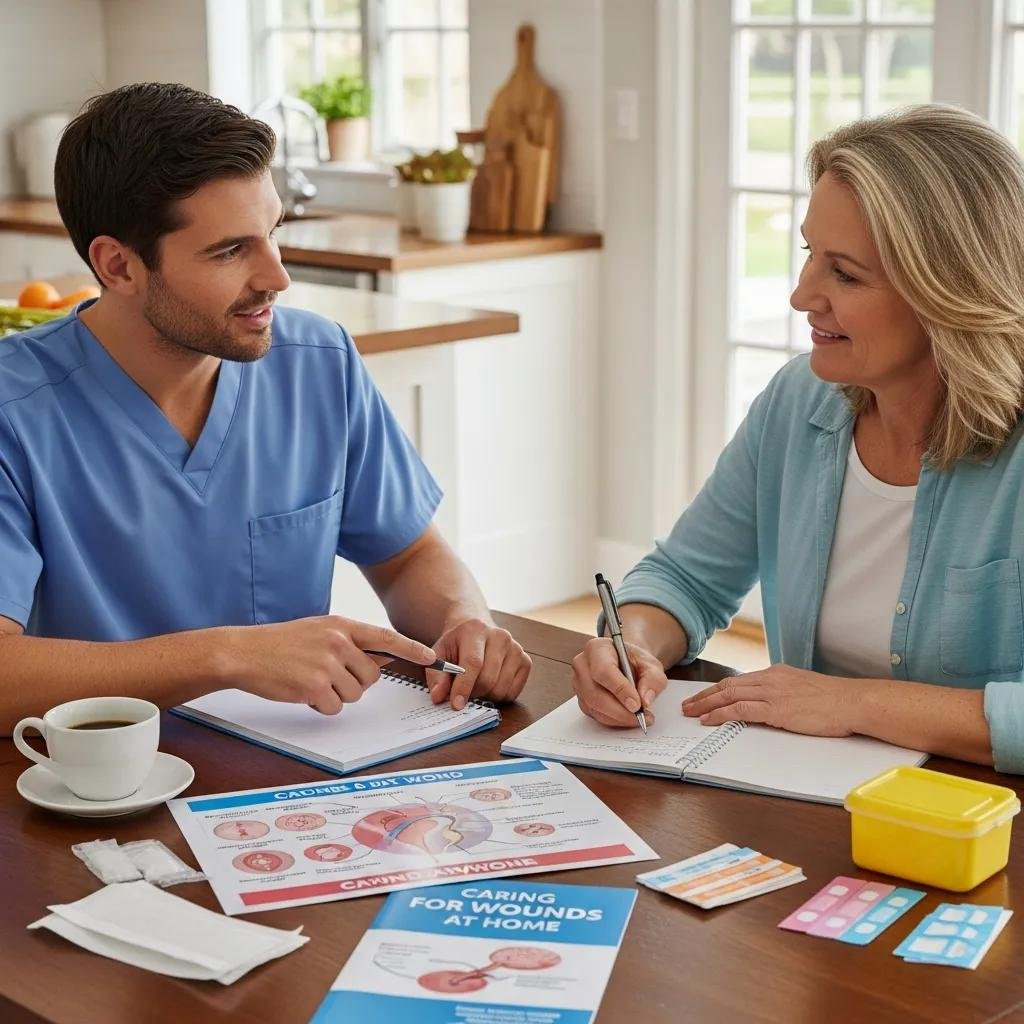
Healix360 offers clear, practical resources: step‑by‑step guides, hands‑on training, and direct access to clinicians for questions. These tools help caregivers perform daily care tasks safely and reduce stress for the whole household. For individualized help, please contact Healix360 for guidance.
How Does Caregiver Education Improve Patient Outcomes and Reduce Burden?
When caregivers understand wound care basics—dressing technique, infection signs, and when to call a clinician—patients benefit from more consistent, safer care. Educated caregivers help catch problems early, reduce avoidable complications, and ease the workload on clinical teams.
| Treatment Type | Description | Benefits |
|---|---|---|
| Biologics | Biological products that enhance healing | Improves wound closure rates, minimizes infection risk |
| Amniotic Membranes | Natural tissue used to cover and protect wounds | Supports healing, reduces scarring |
Home wound care represents a practical, patient‑centered way to manage chronic wounds. By combining advanced therapies, individualized plans, and caregiver support, programs like Healix360 help people heal more comfortably and with fewer setbacks.
Frequently Asked Questions
What types of chronic wounds can be treated with home wound care?
Home wound care can manage many chronic wound types, including diabetic foot ulcers, pressure injuries, venous leg ulcers, and some surgical wounds. Each condition has specific protocols, and home teams tailor therapies—such as biologics or amniotic membranes—based on wound characteristics and the patient’s overall health.
How does home wound care support the emotional well-being of patients?
Treatment at home reduces stress from travel and unfamiliar clinical settings, giving patients a greater sense of control. Being close to family and routine comforts supports emotional resilience, which often improves adherence and recovery.
What role do caregivers play in home wound care management?
Caregivers help with daily wound checks, dressing changes, medication reminders, and emotional support. Training and clear communication make them effective partners who can spot early warning signs and help maintain a consistent care routine.
Are there specific training programs for caregivers in home wound care?
Yes. Many providers, including Healix360, offer caregiver training that covers wound assessment, hygiene, dressing techniques, and infection prevention. These programs boost confidence and competence, helping caregivers deliver safer, more effective support.
How can patients ensure they receive high-quality home wound care?
Choose accredited providers with experienced clinicians and board‑certified staff. Verify credentials, ask about treatment options and follow‑up processes, and keep open communication so your care plan can be adjusted as healing progresses.
What are the long-term benefits of choosing home wound care over traditional clinic visits?
Long term, home wound care can mean faster healing, fewer hospitalizations, lower overall costs, and better quality of life. Personalized, convenient care encourages adherence to treatment, which contributes to more durable healing and fewer complications.
Conclusion
Home wound care combines clinical expertise with the comfort of familiar surroundings to improve outcomes for people with chronic wounds. With advanced therapies, individualized plans, and caregiver support, at‑home care can reduce stress, lower complication risk, and help patients heal more reliably. Learn how Healix360’s mobile wound services can support your recovery and restore quality of life.