
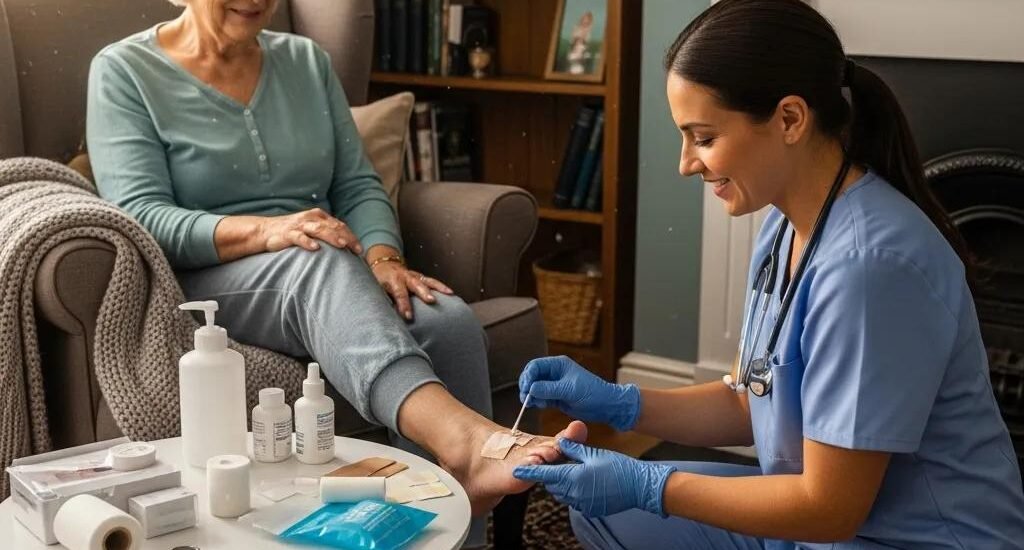
Mobile Wound Care in Your Area — At‑Home Services and Advanced Treatments
Mobile wound care brings expert treatment to the places people live and recover. For patients with chronic wounds, home visits remove the burden of travel and deliver focused, specialist care where it matters most. Below we explain what mobile wound care is, who it helps, which wounds are commonly treated, and which advanced therapies can be provided at home — plus how to find services near you.
What Is Mobile Wound Care and How Does It Work?
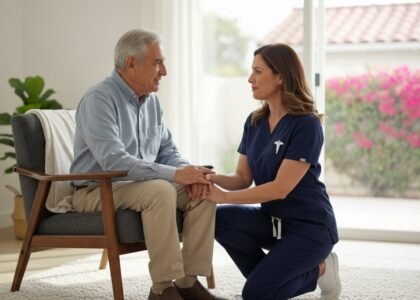
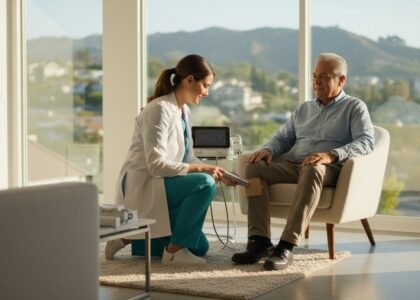
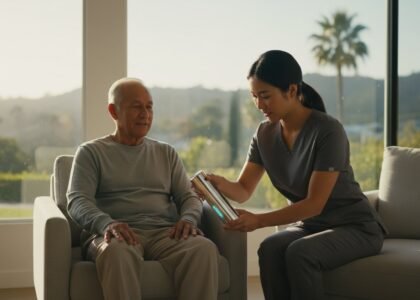
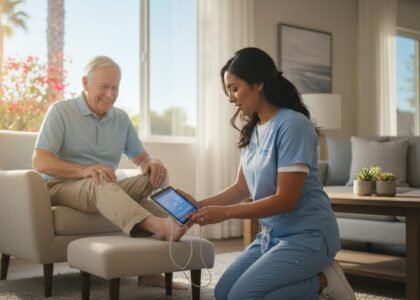
Mobile wound care means wound specialists come to patients — to homes, assisted living, or skilled nursing facilities — to assess, treat, and monitor wounds. A typical visit starts with a thorough assessment by a qualified clinician, followed by a tailored treatment plan and scheduled follow-up. Delivering care in a familiar setting can improve comfort, adherence, and access to timely treatment.
What Are the Benefits of Mobile Wound Care at Home?
- Convenience
: Care happens where the patient already is, removing travel challenges and making regular visits easier to keep. - Lower Exposure to Infection
: Receiving treatment at home can reduce contact with busy clinical environments and potential sources of infection. - Personalized Care
: Clinicians create and adjust plans based on the patient’s whole situation — their home, mobility, and daily routines — for better outcomes.
These practical advantages make mobile wound care an effective option for many people managing chronic wounds.
How Does the Mobile Wound Care Process Work?
A typical mobile wound care pathway includes:
- Initial Assessment
: A specialist visits to evaluate the wound, review medical history, and identify factors that affect healing. - Treatment Plan Development
: The team creates a personalized plan that may include dressings, debridement, therapies, and education. - Follow‑Up Care
: Regular home visits let clinicians track progress and change the plan as the wound heals.
This structured approach helps ensure consistent, effective care tailored to each patient’s needs.
Which Chronic Wounds Are Treated by Mobile Wound Care Specialists Near Me?
Mobile wound care teams commonly treat several types of chronic wounds, including:
- Diabetic Foot Ulcers
: These require careful monitoring to prevent infection and complications. - Pressure Ulcers
: Also called bedsores — they need targeted prevention and treatment for patients with limited mobility. - Venous Leg Ulcers
: Poor circulation‑related wounds that benefit from specialized, ongoing management.
How Are Diabetic Foot Ulcers Managed with In‑Home Wound Care?
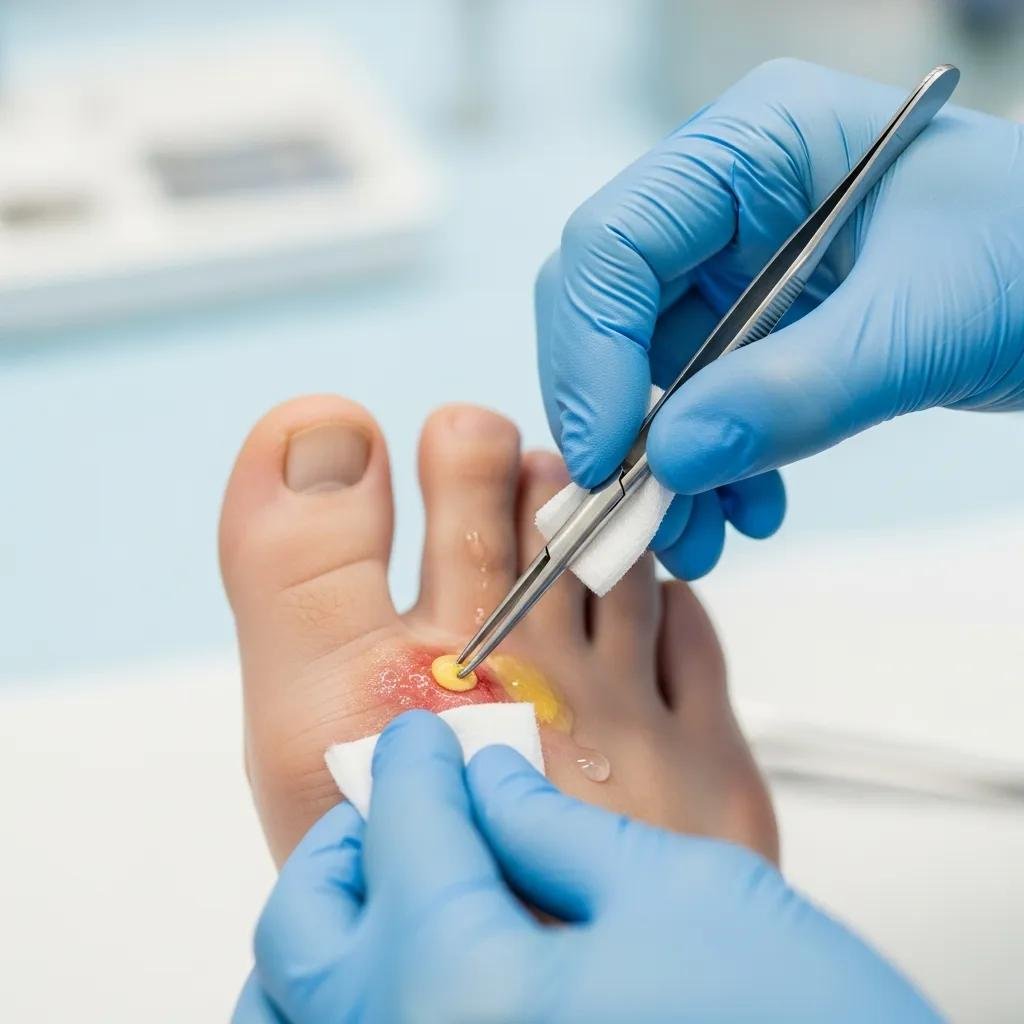
In‑home care for diabetic foot ulcers focuses on regular assessment, infection control, debridement when needed, pressure relief (offloading), and patient education on foot protection. Frequent monitoring and tailored interventions help reduce complications and support steady healing.
Evidence suggests that thoughtfully delivered home care can match or improve outcomes compared with hospital care for some patients with diabetic foot ulcers.
Home Care vs. Hospital Care for Diabetic Foot Ulcers
This economic evaluation examined home‑based care versus hospital care for patients with diabetic foot ulcers. The study found home care can lower readmissions and mortality while improving satisfaction for patients and providers, and it assessed cost‑effectiveness compared with hospital treatment.
Comparison home care service versus hospital-based care in patients with diabetic foot ulcer: an economic evaluation study, M Sanjari, 2020
What Are the Treatments for Pressure Ulcers and Bedsores at Home?
Pressure ulcers and bedsores demand timely attention. Home care teams concentrate on:
- Prevention Strategies
: Teaching repositioning, support surfaces, and risk reduction techniques to caregivers and patients. - Treatment Options
: Applying advanced dressings, topical therapies, and other interventions to promote healing and control pain. - Caregiver Support
: Offering training and resources so daily care is consistent and effective.
Combining prevention, targeted treatment, and education improves outcomes for pressure‑related wounds.
What Advanced Wound Care Treatments Are Available at Home?
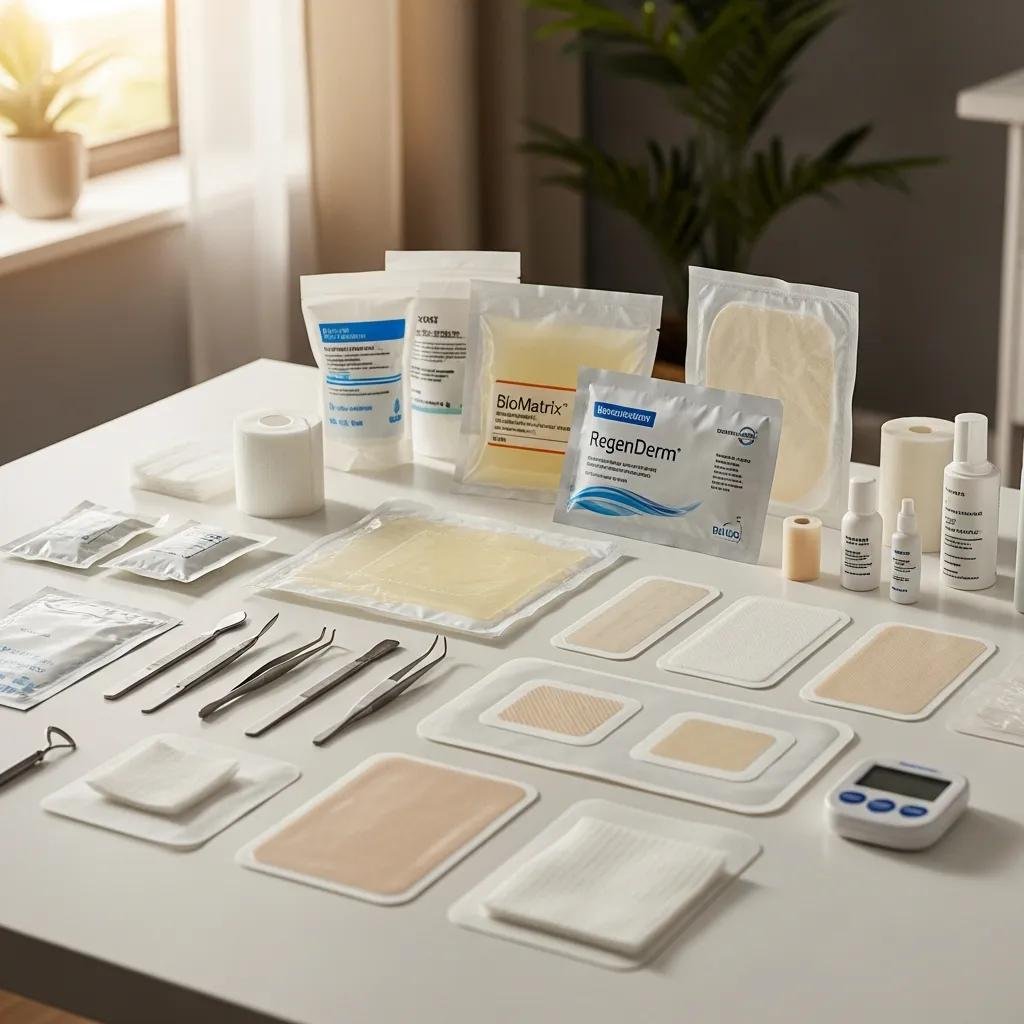
Many advanced wound therapies can be delivered safely in the home: they speed healing, reduce infection risk, and address complex wounds without a hospital stay.
How Does Debridement Support Faster Healing in Mobile Care?
Debridement removes dead or infected tissue to expose a healthy wound bed and allow healing to progress. In mobile care, clinicians choose the safest method — sharp, enzymatic, or autolytic — based on the wound and patient condition. Proper debridement is a key step toward faster, more reliable healing.
What Role Do Biologic Dressings and Skin Substitutes Play in Home Wound Care?
Biologic dressings and skin substitutes create a moist, protective environment and can deliver growth factors that encourage tissue repair. Used appropriately in a home setting, they can accelerate healing and lower infection risk, especially for hard‑to‑heal wounds.
How Does Regenerative Medicine Enhance Mobile Wound Care Services?
Regenerative medicine expands home‑based options with therapies aimed at restoring tissue and promoting natural repair processes. These approaches add new tools for clinicians treating chronic, complex wounds.
What Are Regenerative Therapies Using Stem Cells and Growth Factors?
Regenerative treatments — including cell‑based therapies and growth factor applications — stimulate biological processes that support healing. When appropriate, these options can complement standard care and offer improved outcomes for wounds that have stalled under conventional treatment.
Research in regenerative medicine continues to introduce promising, patient‑centered tools for complex wound management.
Emerging Regenerative Medicine for Advanced Wound Care
Recent advances in tissue engineering and regenerative approaches — from mesenchymal stem cells and their secretome to technologies like tissue nano‑transfection, 3D bioprinting, and ECM bioscaffolds — aim to address barriers to healing at the cellular level. These innovations target inflammation and promote signaling pathways that support recovery, highlighting both opportunities and limitations for next‑generation wound care.
Emerging technologies in regenerative medicine: The future of wound care and therapy, S Ghatak, 2024
How Is Negative Pressure Wound Therapy Delivered at Home?
Negative pressure wound therapy (NPWT) uses controlled suction to remove fluid and support tissue perfusion. Trained mobile care teams can set up, monitor, and maintain NPWT devices in the home, ensuring safe use and consistent therapy outside the hospital.
Studies support the safety and effectiveness of home‑based NPWT when delivered by trained clinicians and monitored appropriately.
Safety and Efficacy of Home‑Based Negative Pressure Wound Therapy
This study evaluated whether NPWT can be used safely and effectively in home settings for chronic wound patients. The findings support home‑based NPWT as a viable option, with proper training and monitoring, and offer guidance for expanding its use outside hospital environments.
Safety and efficacy of home-based negative pressure wound therapy for chronic wounds, 2020
What Are the Benefits of Choosing Mobile Wound Care with Healix360?
Choosing mobile wound care from
Healix360
delivers practical benefits for patients and families seeking reliable wound management at home.
- Care Where You Are
: We bring advanced wound care to the home, removing travel and making follow‑up easier. - Clinical Expertise
: Our teams include trained wound specialists who use evidence‑based techniques and advanced therapies. - Tailored Treatment Plans
: We customize care to the patient’s medical needs, living situation, and recovery goals.
How Does Mobile Care Reduce Risks of Infection and Complications?
Mobile wound care reduces exposure to busy clinical settings and emphasizes early intervention, close monitoring, and infection prevention practices. Regular, skilled visits help identify changes early and lower complication risk.
What Support Is Available for Patients and Caregivers During Treatment?
Healix360 provides education, clear care plans, and ongoing communication with patients and caregivers. Our goal is to equip families with the knowledge and resources they need to manage wounds safely between visits.
How Can I Schedule Mobile Wound Care Services Near Me?
Scheduling mobile wound care is simple — start by
contacting a local provider
to arrange an initial assessment and plan the first visit.
Who Qualifies for Mobile Wound Care and What Is the Scheduling Process?
Patients with chronic wounds or those needing specialized wound management typically qualify for mobile services. The provider performs a quick intake assessment, confirms medical necessity, and schedules an initial home visit to begin care.
Does Medicare Part B Cover Advanced Mobile Wound Care Treatments?
Medicare Part B may cover certain in‑home wound care services and advanced therapies when they are medically necessary. Coverage varies by circumstance, so patients should confirm benefits with their insurance or provider to understand potential out‑of‑pocket costs.
| Treatment Type | Description | Coverage |
|---|---|---|
| Mobile Wound Care | In‑home wound assessment and management services | May be covered under Medicare Part B if medically necessary |
| Advanced Therapies | Includes NPWT, biologic dressings, and other specialized treatments | Coverage varies by plan and medical necessity |
| Specialist Visits | Home visits from trained wound care clinicians | Typically covered if medically necessary |
This table summarizes common treatment types and how coverage may apply so patients can make informed care decisions.
Mobile wound care — and the services offered through Healix360 — help patients manage chronic wounds safely and conveniently at home. Understanding the options available is the first step toward better healing and a smoother recovery.
Frequently Asked Questions
What types of healthcare professionals provide mobile wound care services?
Mobile wound care is provided by a multidisciplinary team that may include registered nurses, nurse practitioners, and wound care specialists. These clinicians are trained in wound assessment, advanced dressings, debridement, and therapy selection to deliver comprehensive care in the home.
How can I prepare for my first mobile wound care appointment?
Before the first visit, gather recent medical records, a list of current medications, and any prior wound notes or images. Clear and accessible space for the clinician to work will help the visit go smoothly. Prepare questions you want to discuss so the team can address your priorities.
Are mobile wound care services available for all types of wounds?
Many chronic wounds — such as diabetic foot ulcers, pressure injuries, and venous leg ulcers — can be managed at home. Some complex wounds or cases requiring urgent surgery may need hospital care. A clinician will assess the wound and recommend the most appropriate setting.
What should I expect during a mobile wound care visit?
Expect a full assessment of the wound and relevant medical history, wound cleaning or dressing changes as needed, possible debridement, and clear instructions for home care. The clinician will review the treatment plan and schedule follow‑up visits to monitor progress.
How do mobile wound care services ensure patient safety and comfort?
Safety and comfort are priorities: clinicians follow infection control standards, use sterile technique when required, and tailor care to the patient’s comfort and mobility. Education for patients and caregivers ensures safe wound management between visits.
Can I receive mobile wound care if I live in a rural area?
Many mobile providers serve broad geographic areas, including rural communities. Contact local providers to confirm service availability and any logistics for scheduling visits in your area.
Conclusion
Mobile wound care offers a patient‑centered alternative to clinic‑based treatment, combining convenience with advanced clinical care. By delivering specialist services at home, mobile teams help reduce barriers, lower infection risk, and support steady recovery. To learn more about in‑home wound care and how it might help you or a loved one, explore our services or reach out to a local provider today.