

Understanding Wound Exudate: Types, Assessment, and Effective Management Strategies
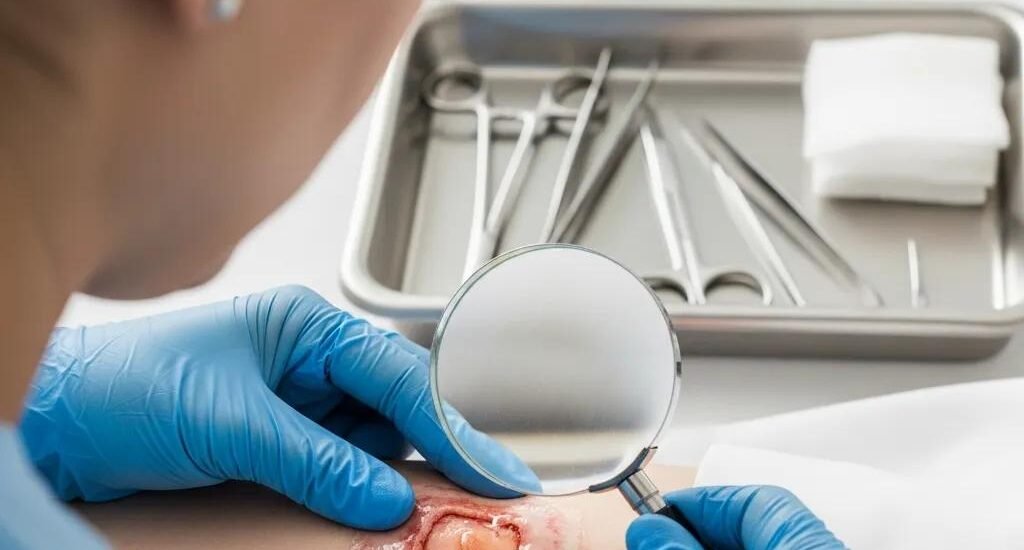
Wound exudate is a key signal in the healing process — it tells you how a wound is doing and helps guide treatment. This guide breaks down common types of drainage, what they usually mean, and practical approaches to managing them. Whether you’re a caregiver, a patient, or a clinician, understanding exudate helps improve healing outcomes and reduces avoidable complications. We cover simple assessment steps, advanced treatment options, and everyday tips you can use at home.
Wound Exudate: Types, Assessment & Management Strategies
Wound drainage falls into recognizable categories, each with distinct features and implications for care. Knowing these differences helps you spot normal healing versus a problem that needs attention.
How Does Serous Exudate Indicate Normal Healing?

Serous exudate is a clear to pale-yellow, thin fluid made mostly of serum. It’s commonly seen during the inflammatory and proliferative stages of healing and usually signals that the wound’s natural repair processes are active. Caregivers should note the amount and texture — small changes are normal, but sudden increases or thickening deserve a reassessment.
What Does Purulent Wound Drainage Reveal About Infection?
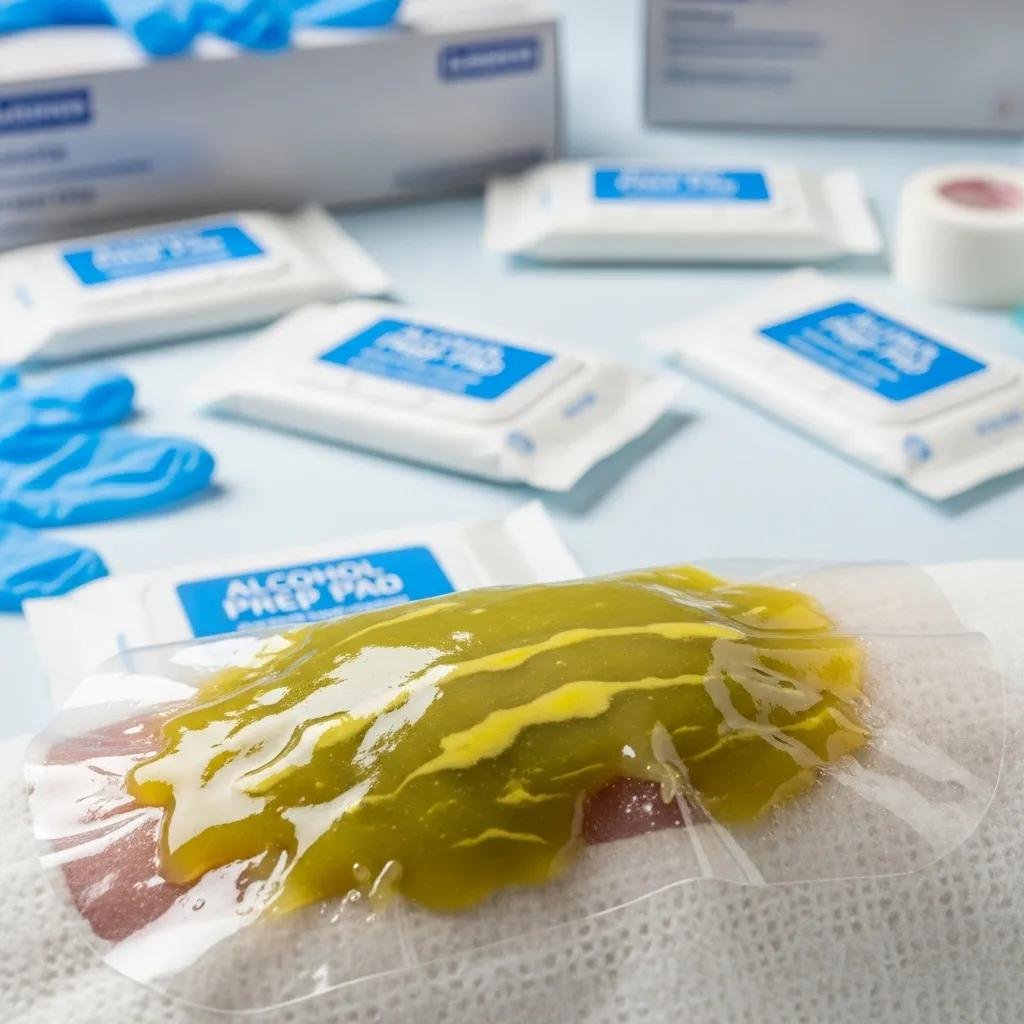
Purulent exudate is thicker and often yellow, green, or brown. It contains pus — a mix of bacteria, dead cells, and debris — and commonly points to infection. Finding purulent drainage is a sign to seek prompt clinical evaluation so treatment can be started and complications avoided.
How Can Patients and Caregivers Assess Wound Exudate at Home?
Simple, regular checks at home help catch problems early. Focus on a few key features each time you look at the wound.
What Are the Key Characteristics to Observe: Color, Odor, Volume, and Consistency?
- Color: Color helps indicate stage and risk. Clear or pale-yellow is usually normal; yellow, green, or brown can signal infection.
- Odor: A strong, foul smell often suggests infection. A faint or neutral scent is typical during routine healing.
- Volume: Note how much fluid is present. Excessive drainage or a sudden increase can mean a complication; very little drainage may indicate a dry environment that needs attention.
- Consistency: Thin, watery fluid is usually benign. Thick, cheesy, or granular drainage warrants evaluation.
When Should You Recognize Warning Signs and Seek Expert Help?
Contact a healthcare professional if you see any of the following:
- Growing redness or swelling around the wound
- A sudden rise in the amount of drainage
- New changes in color or a foul odor
- Fever or other systemic symptoms
Early recognition and timely care improve outcomes and reduce the risk of chronic problems.
What Are Advanced Exudate Management Strategies for Chronic Wounds?
Chronic wounds often need tailored, specialist care. Advanced strategies focus on controlling moisture, reducing bioburden, and creating an environment that supports tissue repair.
How Do Dressings, Debridement, and Negative Pressure Wound Therapy Control Exudate?
- Dressings: Foam, alginate, hydrofiber, and hydrocolloid dressings absorb excess fluid while keeping the wound environment moist — a balance that supports healing.
- Debridement: Removing dead or infected tissue lowers exudate production and helps the wound progress to a healthier state.
- Negative Pressure Wound Therapy (NPWT): NPWT applies controlled suction to remove fluid, reduce edema, and promote perfusion — all of which can accelerate healing when used appropriately.
Recent work also explores pairing novel foam dressings with NPWT and instillation to handle especially thick, viscous exudate.
NPWTi-d Foam Dressing for Viscous Wound Exudate Removal
Our experience using a redesigned foam dressing together with negative pressure wound therapy and instillation (NPWTi-d) shows promise for clearing viscous wound exudate.
What Role Do Biologic Dressings and Skin Substitutes Play in Exudate Management?
Biologic dressings and skin substitutes mimic aspects of natural skin to protect the wound bed, modulate inflammation, and support new tissue growth. Many of these products also help manage fluid balance by absorbing excess exudate while maintaining a favorable moisture level — a useful option for chronic or complex wounds.
How Does Regenerative Medicine Enhance Wound Exudate Control and Healing?
Regenerative medicine brings targeted tools that can complement standard wound care by promoting tissue repair and reducing chronic inflammation.
What Are the Benefits of Stem Cell Technology and Amniotic Membrane Grafts?
- Stem Cell Technology: Stem cells can encourage tissue regeneration and support the body’s repair mechanisms, potentially speeding recovery.
- Amniotic Membrane Grafts: These grafts serve as a biologic scaffold that reduces inflammation, supports cell migration, and aids healing in difficult wounds.
How Does Optimal Exudate Management Support Regenerative Treatments?
Controlling exudate creates the stable, moist environment regenerative therapies need to work best. By removing excess fluid and reducing bacterial load, clinicians can give advanced biologic treatments the conditions they need to succeed, improving healing rates and patient outcomes.
What Are Practical Tips for Managing Wound Exudate in Home Care Settings?
Consistent, careful home care complements professional treatment. These practical steps help maintain a healing environment and catch changes early.
How Can Mobile Wound Care Specialists Support Patients and Caregivers?
Mobile wound care specialists bring clinic-level assessment and treatment into the home. They offer wound evaluation, tailored care plans, dressing changes, and education — reducing travel burden and improving continuity of care.
What Daily Care Practices Help Maintain a Healthy Wound Environment?
- Regular Cleaning: Gently cleanse the wound with saline or a mild solution to remove loose debris and reduce contamination.
- Moisture Management: Choose dressings that match the wound’s drainage level to avoid maceration or dryness.
- Monitoring: Check the wound regularly for changes in drainage, color, smell, or pain, and report concerns to your care team.
These routines support healing and lower the chance of complications.
How Can You Prevent Complications Related to Wound Exudate and Infection?
Prevention depends on prompt recognition and appropriate response. Know the signs, keep the wound clean, and engage your care team early.
What Are the Signs of Infection in Wound Drainage?
- Increased redness and swelling
- Purulent drainage with a strong, unpleasant odor
- New or worsening pain around the wound
- Fever or other systemic symptoms
Spotting these signs early allows for faster treatment and better chances of recovery.
How Does Timely Intervention Improve Healing Outcomes?
Reaching out to healthcare professionals at the first signs of trouble helps prevent escalation, shortens recovery time, and limits the risk of chronic wound development.
| Management Strategy | Description | Benefits |
|---|---|---|
| Dressings | Absorb excess fluid while keeping the wound moist | Supports healing and reduces infection risk |
| Debridement | Removes non-viable tissue and debris | Lowers exudate and promotes healthy tissue growth |
| Negative Pressure Therapy | Applies controlled suction to manage fluid | Enhances perfusion and accelerates wound closure |
Thoughtful exudate management is a cornerstone of wound care. By identifying the type of drainage, using the right products and techniques, and combining specialist care with good home practices, patients and caregivers can improve healing outcomes. Integration of mobile wound care and regenerative options expands the tools available for challenging cases.
Frequently Asked Questions
What is the importance of monitoring wound exudate at home?
Regularly monitoring exudate helps you spot early signs of infection or other complications. Changes in color, smell, amount, or texture can indicate a shift in the wound’s status. Timely recognition means you can contact your care team sooner, which often leads to simpler, faster treatment and better healing.
How can diet influence wound healing and exudate management?
A balanced diet supports tissue repair. Protein, vitamins A and C, zinc, and adequate fluids all contribute to immune function and collagen formation. Eating well and staying hydrated give the body the nutrients it needs to heal, which can reduce prolonged drainage and support recovery.
What role does patient education play in effective wound care?
Education empowers patients and caregivers to perform consistent, safe wound care. Knowing how to clean a wound, choose suitable dressings, and recognize warning signs increases treatment adherence and reduces complications. Informed patients are better partners in their care.
How can technology assist in wound exudate management?
Technology is expanding the tools available for wound care. Smart dressings can monitor moisture and send alerts, apps can track healing progress and remind users of care tasks, and telehealth enables remote consultations for rapid adjustments to treatment plans. These tools improve monitoring and care coordination.
What are the psychological impacts of chronic wound management on patients?
Living with a chronic wound can cause frustration, anxiety, and social withdrawal. These emotional effects can slow recovery if left unaddressed. Support groups, counseling, and regular communication with your care team can help manage stress and foster resilience during long-term treatment.
What are the benefits of using telehealth for wound care management?
Telehealth increases access to specialists, reduces travel, and allows frequent check-ins that catch issues early. Remote visits can help adjust treatment plans quickly and keep patients engaged in their care — especially useful for people with mobility limits or those far from clinic resources.
Conclusion
Effective exudate management is essential to safe, timely wound healing. Understanding drainage types, using appropriate interventions, and staying connected with healthcare professionals gives patients and caregivers the best chance for recovery. Explore our resources or reach out to our team to get practical support for your wound care journey.