

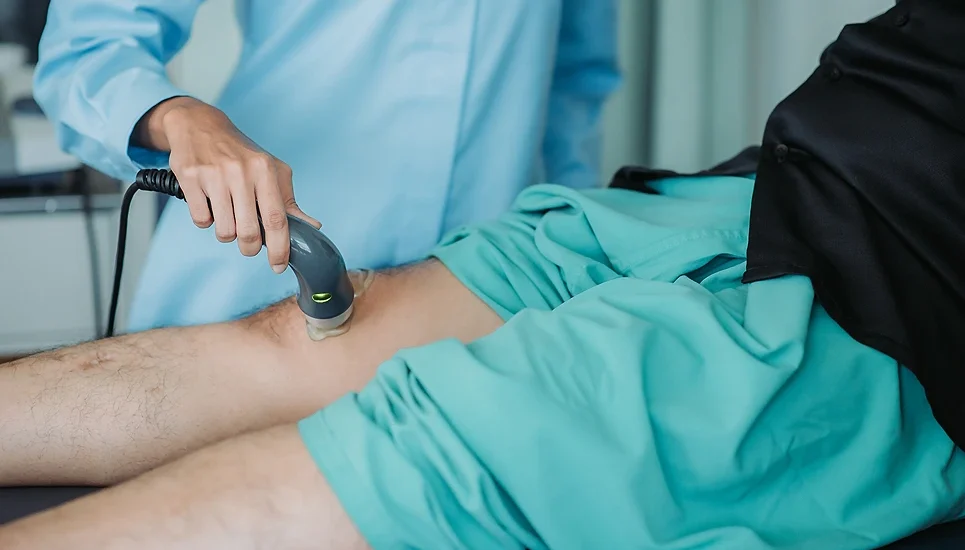
Understanding Venous Insufficiency & Effective Treatment Options
Chronic venous insufficiency (CVI) affects millions of people and is the leading cause of venous leg ulcers—wounds that refuse to heal despite months of standard care. Understanding this condition is the first step toward effective treatment and preventing serious complications.
What Is Venous Insufficiency?
Venous insufficiency occurs when the veins in your legs have trouble sending blood back to your heart. Normally, valves inside the veins prevent blood from flowing backward. When these valves weaken or become damaged, blood pools in the lower legs instead of returning efficiently to the heart.
This pooling increases pressure in the veins (venous hypertension), which damages surrounding tissue over time and can lead to painful, non-healing wounds known as venous leg ulcers.
Key Statistic:
Approximately 6–7 million people in the United States have venous insufficiency, accounting for 70–90% of all leg ulcers.
Causes and Risk Factors
Several factors can damage vein valves and lead to chronic venous insufficiency:
Deep Vein Thrombosis (DVT)
Blood clots in deep leg veins can permanently damage valves. Even after the clot dissolves, normal valve function may not return.
Age
Valve strength naturally weakens with age. CVI is most common in people over 50.
Pregnancy
Hormonal changes and increased blood volume put additional pressure on the veins. Risk increases with multiple pregnancies.
Prolonged Standing or Sitting
Jobs requiring long periods of immobility impair blood flow and strain vein valves.
Other Risk Factors:
- Obesity or excess weight
- Family history of venous disease
- Lack of physical activity
- Smoking
- Leg injuries or prior surgery
Recognizing the Symptoms
Symptoms typically worsen throughout the day as blood accumulates in the legs. Early identification is key to preventing complications.
Common Symptoms:
- Swelling in lower legs and ankles (edema)
- Aching, heavy, or tired legs
- Varicose veins (bulging, twisted veins)
- Skin discoloration (reddish or brown)
- Itchy or thickened skin
- Pain that improves when legs are elevated
- Nighttime cramps or restless legs
- Open sores or ulcers in advanced stages
Why Venous Insufficiency Leads to Ulcers
Left untreated, CVI progresses through multiple stages that eventually result in ulcer formation:
1. Venous Hypertension
Pooled blood increases pressure inside leg veins.
2. Inflammation & Tissue Damage
High pressure damages small blood vessels, leading to skin irritation and inflammation.
3. Skin Changes
Skin becomes thick, discolored, and fragile—a condition known as lipodermatosclerosis.
4. Ulcer Formation
Damaged skin breaks down, forming an open wound that cannot heal without correcting the underlying circulation issue.
Quick Links to Venous Insufficiency and Wound Care ResourcesTreatment Options
Effective treatment addresses both the underlying venous insufficiency and any existing wounds.
Conservative Management
- Compression Therapy: Medical-grade stockings (20–30 mmHg) reduce swelling and support venous return.
- Leg Elevation: Elevate legs above heart level 15–30 minutes several times daily.
- Exercise: Walking activates the calf muscle pump, helping push blood back toward the heart.
Advanced Wound Care
For active venous ulcers, regenerative therapies significantly improve healing rates:
Amniotic Membrane Grafts
Provide growth factors and create an optimal healing environment. Studies show 70–80% healing rates for venous ulcers.
Stem Cell Therapy
Promotes tissue regeneration and new blood vessel formation at the cellular level.
Medical Procedures
In some cases, damaged veins must be treated directly:
- • Endovenous ablation: Heat or laser closes faulty veins.
- • Sclerotherapy: A chemical agent seals malfunctioning veins.
- • Phlebectomy: Surgically removing diseased surface veins.
The Bottom Line
Venous insufficiency is a progressive but manageable condition. If you have symptoms of CVI or a wound that hasn’t healed, advanced regenerative treatments combined with compression can help you achieve closure and prevent recurrence.
Have a Venous Leg Ulcer?
Get connected with a specialist who can treat the underlying cause and help your wound heal.