

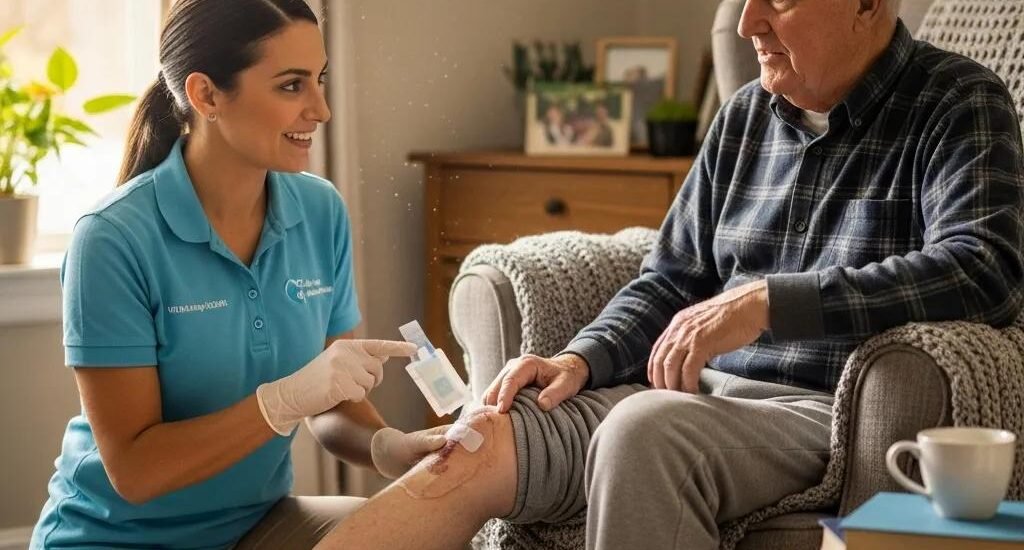
Venous Leg Ulcers: Causes, Symptoms, and Advanced Mobile Care Options
Venous leg ulcers are a common and often persistent problem, especially for people with chronic venous insufficiency. Left unmanaged, they cause pain, prolonged healing, and higher risk of infection. This article explains what causes venous leg ulcers, how to recognize them, and which treatments — from standard wound care to advanced regenerative options — are most effective. We also highlight how mobile wound care can improve convenience, adherence, and outcomes for patients and caregivers.
What Causes Venous Leg Ulcers and Who is at Risk?
Most venous leg ulcers begin with chronic venous insufficiency — when leg veins can’t return blood efficiently to the heart. That persistent pressure and fluid buildup damage skin and soft tissue over time, making the area prone to breakdown and ulceration. Knowing the causes and who is at higher risk helps guide prevention and early treatment.
How Does Venous Insufficiency Lead to Leg Ulcers?
Venous insufficiency develops when vein valves weaken or fail, allowing blood to pool in the lower legs. This increases venous pressure and inflammation, which causes swelling, skin changes (like brownish discoloration), and ultimately skin breakdown. Once the skin is compromised, even minor injury or irritation can progress to an ulcer that is slow to heal.
What Are the Key Risk Factors for Developing Venous Ulcers?
Several factors raise the chance of developing venous leg ulcers:
- Age
: Older adults often have weaker vein walls and valves, increasing risk. - Obesity
: Extra body weight raises pressure on leg veins and worsens venous stasis. - Immobility
: Long periods of sitting or bed rest reduce calf‑muscle pump function and blood flow. - History of Venous Disease
: Prior deep vein thrombosis, varicose veins, or chronic venous insufficiency make ulcers more likely.
Recognizing these risk factors lets patients and clinicians take steps — like compression, activity, and weight management — to lower the odds of ulcer development.
How Can You Recognize Venous Leg Ulcer Symptoms and Get a Diagnosis?
Early recognition and timely evaluation improve the chance of healing. If you notice changes to the lower legs, seek a clinical assessment so a tailored treatment plan can begin.
What Are the Common Signs and Symptoms of Venous Leg Ulcers?
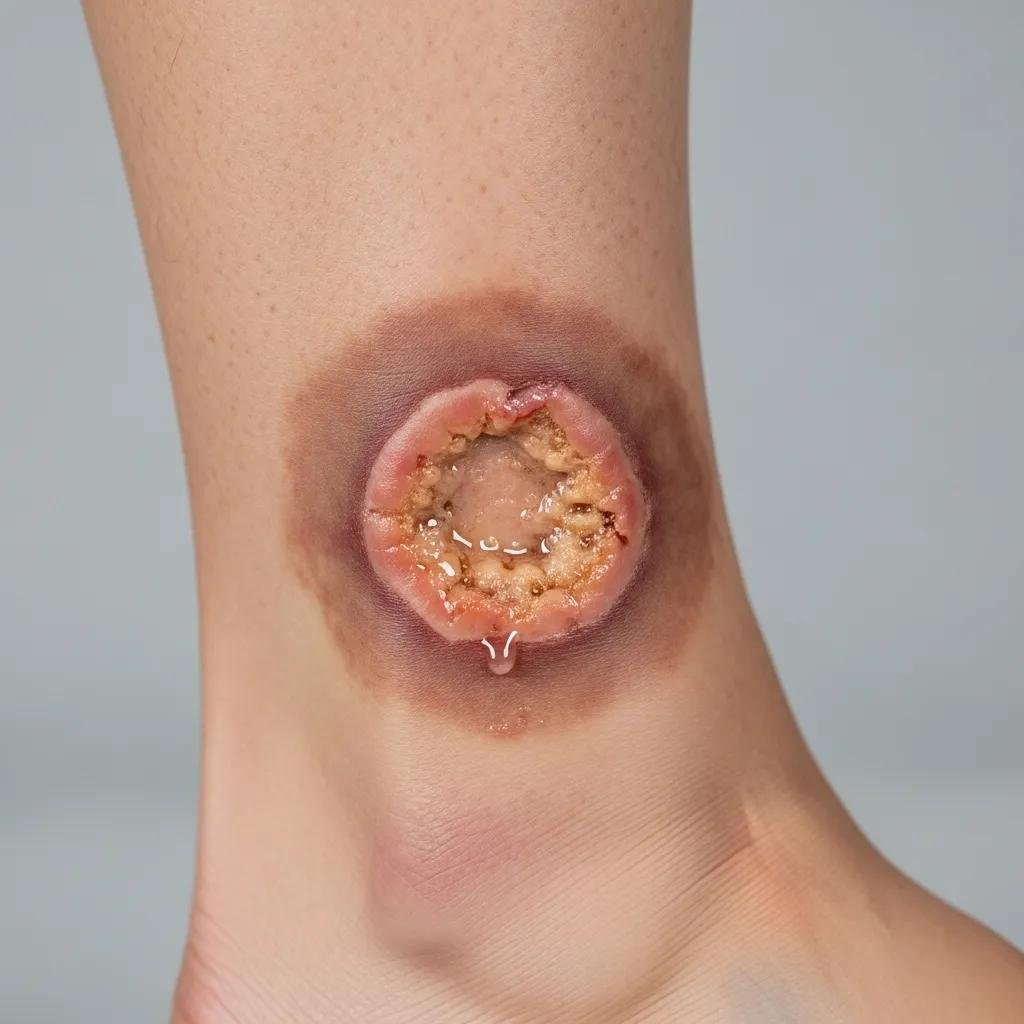
Typical signs and symptoms include:
- Swelling
: Persistent leg swelling that may worsen throughout the day. - Pain or Discomfort
: Aching or tenderness that often increases with standing. - Skin Discoloration
: Reddish‑brown or darkened skin (lipodermatosclerosis) near the affected area. - Open Sores
: Slow‑healing wounds that may ooze, crust, or itch.
These symptoms can reduce mobility and quality of life; early treatment reduces complications and speeds recovery.
Which Diagnostic Methods Confirm Venous Leg Ulcers?
Diagnosis combines a clinical exam with targeted tests to confirm venous disease and rule out other causes:
- Vascular Assessments
: Doppler ultrasound or duplex scanning evaluates venous reflux and blood flow. - Ankle‑Brachial Index (ABI)
: Performed to exclude significant arterial disease before starting compression therapy. - Wound Cultures
: Collected only when infection is suspected to guide appropriate antibiotic therapy.
These assessments let clinicians create a focused treatment plan tailored to the wound and the patient’s overall circulation.
What Are the Effective Treatment Options for Venous Leg Ulcers?
Treating venous leg ulcers addresses both the wound and the underlying venous problem. A combined strategy — foundation care plus targeted advanced therapies when needed — gives the best chance for healing.
Current evidence supports a multifaceted approach: careful assessment, infection control, debridement when appropriate, compression, and escalation to regenerative or surgical options for chronic or nonhealing ulcers.
Comprehensive Strategies for Chronic Venous Leg Ulcer Treatment
Management of chronic venous leg ulcers begins with identifying the cause and optimizing systemic factors. Core treatments include wound care, debridement, leg elevation, and compression. Some topical products (for example, silver‑based dressings) lack clear evidence of benefit, and agents like hydrogen peroxide can harm new tissue. Surgical procedures to correct reflux are options for selected patients, but not everyone is a surgical candidate. When standard care fails after several weeks, advanced wound therapies should be considered.
Strategies and challenges in the treatment of chronic venous leg ulcers, 2020
How Does Mobile Wound Care Improve Treatment Convenience and Outcomes?
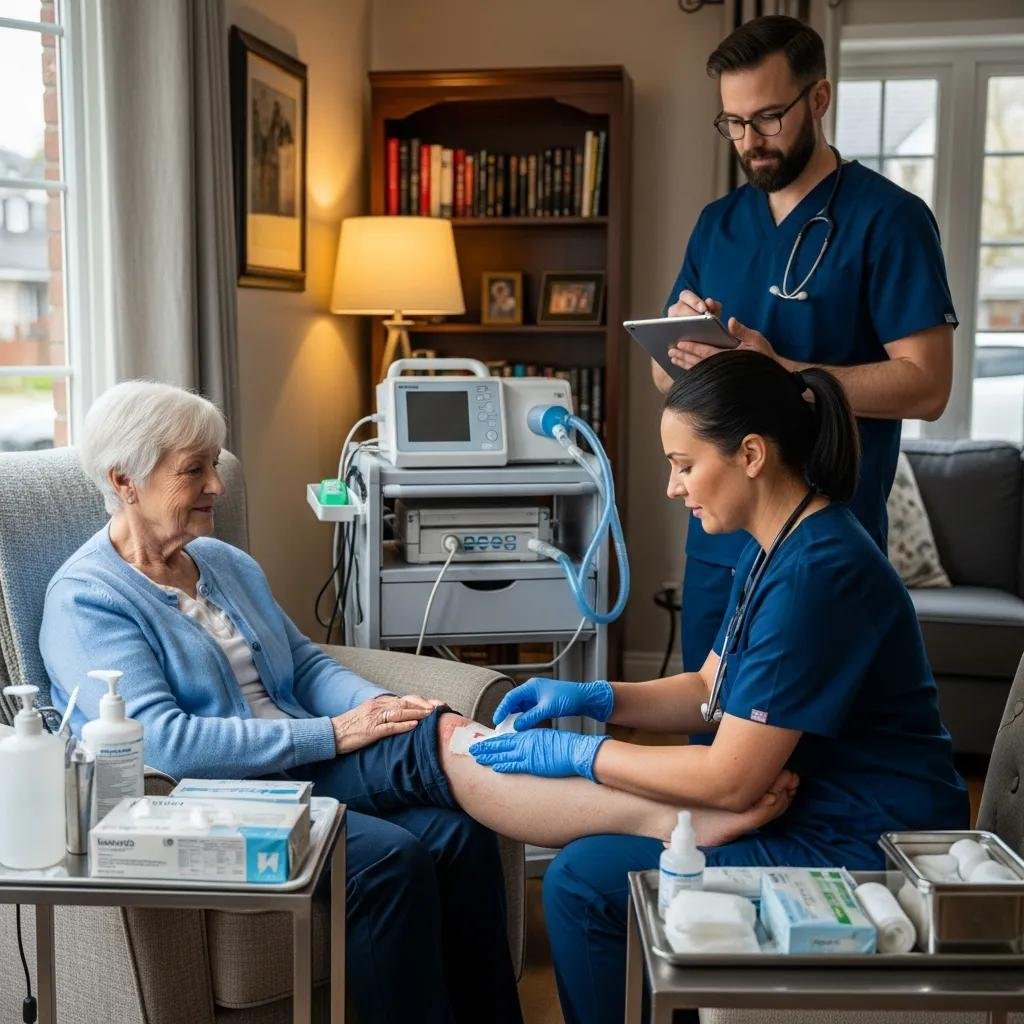
Mobile wound care teams — like those from
Healix360
— bring specialty care into the home. That reduces travel burden, improves adherence to dressing changes and compression, and allows for frequent reassessment. Regular, in‑home visits help clinicians spot complications early and adjust therapies to keep healing on track.
Research is also exploring digital tools and mobile health apps to support activity and calf muscle function, which can complement clinical care and improve lower‑leg recovery.
Mobile Health App for Venous Leg Ulcer Rehabilitation
This randomized controlled trial examined the feasibility of an mHealth exercise app designed to increase lower‑leg physical activity for people with venous leg ulcers. Early findings support the potential for mobile tools to supplement clinical rehabilitation and improve leg function.
A lower leg physical activity intervention for individuals with chronic venous leg ulcers: randomized controlled trial, TJ Kelechi, 2020
What Regenerative Therapies Accelerate Healing of Venous Ulcers?
For chronic or stalled ulcers, regenerative options — such as biologic dressings, growth‑factor therapies, and skin substitutes — can jump‑start healing by supplying scaffolds or signals that encourage tissue repair. When used alongside compression and infection control, these approaches often shorten healing time and improve outcomes for nonhealing wounds.
Which Essential Wound Care Techniques Support Healing?
Key, evidence‑based practices that support venous ulcer healing include:
- Debridement
: Removing nonviable tissue to promote healthy granulation and reduce bacterial load. - Biologic Dressings
: Dressings that maintain a moist, protective environment and can support tissue regeneration. - Compression Therapy
: Graduated compression (bandages or stockings) to reduce edema and restore venous return — a cornerstone of effective treatment.
Combining these techniques within a comprehensive plan is essential to improve healing rates and lower recurrence.
Evidence consistently shows that proper compression and ongoing care are among the most important factors in achieving durable healing and preventing future ulcers.
Compression Therapy & Management for Venous Leg Ulcer Healing
Epidemiological data show low healing rates and frequent recurrences for venous leg ulcers, but structured, guideline‑based care — especially appropriate compression — can markedly improve outcomes. With thorough diagnosis and treatment, many patients achieve significant healing within 12–24 weeks. Continued participation in care after healing reduces recurrence rates substantially.
The role of compression therapy in the treatment of venous leg ulcers, 2019
What Should Patients Expect During Their Healing Journey?
Understanding the typical course of healing helps patients set realistic goals and stay engaged with their care plan. Close follow‑up and active participation—by the patient and caregiver—make a measurable difference.
How Is the Healing Timeline Structured with Mobile Care?
Healing times vary with wound size, duration, severity, and overall health. With mobile wound care, clinicians perform frequent assessments and adjust treatments quickly. Many patients see measurable improvement in weeks, but larger or chronic ulcers may need several months and staged therapies before full closure.
How Are Pain, Infection, and Complications Managed?
Pain is treated with a combination of topical care, dressing selection, and systemic pain control when needed. Infection is managed by wound hygiene, targeted debridement, and antibiotics if cultures indicate bacterial infection. Education on warning signs empowers patients and caregivers to report early changes so clinicians can intervene before complications progress.
How Can Caregivers Support Venous Leg Ulcer Management at Home?
Caregivers are essential partners in wound care. Their day‑to‑day support, observation, and communication with clinicians directly affect healing and recurrence prevention.
What Reliable Treatment Plans and Communication Strategies Help Caregivers?
A reliable plan includes clear, written instructions for dressing changes, medication timing, mobility recommendations, and when to contact the care team. Caregivers should keep
open communication
with clinicians and schedule regular check‑ins to track progress and adjust care as needed.
How Does Healix360 Empower Caregivers Through Education and Support?
Healix360 equips caregivers with practical resources, step‑by‑step guidance, and direct access to wound specialists. That training reduces anxiety, improves adherence to therapy, and leads to better healing outcomes for patients.
Why Choose Healix360 for Advanced Mobile Venous Leg Ulcer Care?
Selecting the right provider affects recovery. Healix360 combines clinical expertise, advanced therapies, and the convenience of in‑home care to create a patient‑focused approach that supports healing and quality of life.
What Unique Benefits Does Healix360 Offer Compared to Traditional Care?
Healix360 delivers individualized care plans, frequent in‑home assessments, and access to regenerative technologies not always available in clinic‑only settings. This model improves adherence to compression and dressing schedules and lets clinicians intervene earlier when problems arise — all of which helps speed healing and reduce hospital visits.
How Do Clinical Results and Patient Satisfaction Reflect Healix360’s Success?
Clinical outcomes and patient feedback demonstrate meaningful improvements in wound status and patient experience. Many patients report faster progress, less disruption to daily life, and high satisfaction with the convenience and personal attention provided by our mobile teams.
| Treatment Option | Description | Effectiveness |
|---|---|---|
| Mobile Wound Care | In‑home visits from wound specialists for assessment and treatment | High |
| Regenerative Therapies | Biologics, growth factors, and skin substitutes to stimulate repair | High |
| Compression Therapy | Graduated bandages or stockings to reduce edema and improve venous flow | High |
Venous leg ulcers can greatly affect daily life, but understanding causes, recognizing early signs, and using proven treatment strategies improves outcomes. Advanced mobile wound care from providers like Healix360 offers a convenient, evidence‑based option to manage these difficult wounds while supporting patients and caregivers every step of the way.
Frequently Asked Questions
What lifestyle changes can help prevent venous leg ulcers?
Preventive steps include staying active to activate the calf pump, maintaining a healthy weight, elevating the legs when resting, avoiding long periods of immobility, and using compression stockings when recommended. These measures reduce venous pressure and lower ulcer risk.
How can I care for a venous leg ulcer at home?
Keep the wound clean, follow your clinician’s dressing instructions, elevate the leg to reduce swelling, and wear prescribed compression. Watch for signs of infection and keep scheduled follow‑ups so treatments can be adjusted as healing progresses.
What role does nutrition play in healing venous leg ulcers?
Good nutrition supports tissue repair: adequate protein, vitamin C, zinc, and overall calorie intake are important, as is staying hydrated. If nutritional issues are suspected, a dietitian can help create a healing‑focused meal plan.
Are there any alternative therapies for venous leg ulcers?
Some complementary therapies — such as acupuncture or herbal remedies — are used by patients, but evidence is limited. Always discuss any alternative treatments with your care team to ensure safety and avoid interactions with standard therapies.
How can I manage the emotional impact of having a venous leg ulcer?
Living with a chronic wound can be stressful. Talk with friends, family, or support groups; consider counseling if anxiety or depression develops; and practice stress‑reduction techniques like gentle exercise or mindfulness. Open dialogue with your care team can also provide reassurance and practical coping strategies.
What should I do if my venous leg ulcer does not improve?
If there’s little or no progress after a few weeks, contact your healthcare provider for reassessment. They may check for infection, reassess circulation, adjust compression, or recommend advanced therapies or referral to a specialist. Early escalation improves the chance of healing.
Conclusion
Venous leg ulcers require a focused, sustained approach that treats both the wound and the underlying venous disease. Mobile, specialist‑led care from Healix360 combines convenience with evidence‑based therapies to help patients heal faster and with less disruption to daily life. If you or a loved one is living with a venous leg ulcer, reach out to learn how personalized, in‑home wound care can support recovery.