
Find Advanced Mobile & Regenerative Wound Care Near You
Chronic wounds can deeply affect daily life and recovery. This guide explains how mobile advanced wound care brings specialized treatments to patients where they live, how those therapies work, and the benefits they offer. Many people struggle to access timely wound care, which can slow healing and raise the risk of complications. Mobile wound care reduces those barriers by delivering expert evaluation, treatment, and follow-up at home. Below, we outline what mobile advanced wound care is, the regenerative options commonly used, which chronic wounds can be managed at home, and how insurance typically handles these services.
What Is Mobile Advanced Wound Care and How Does It Work?
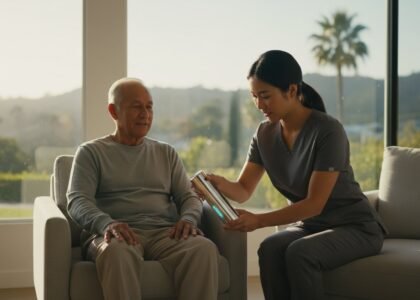
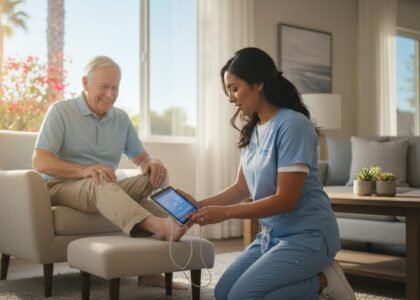
Mobile advanced wound care delivers specialized medical services directly to patients in their homes. Skilled clinicians evaluate wounds, perform necessary treatments, and use advanced tools and therapies to support healing. The main advantage is convenience — patients avoid travel and clinic wait times while receiving the same focused care they would get in a specialty center. This model is especially helpful for people with limited mobility or those who live far from medical facilities.
Defining Mobile Wound Care and Its Benefits for Chronic Wounds
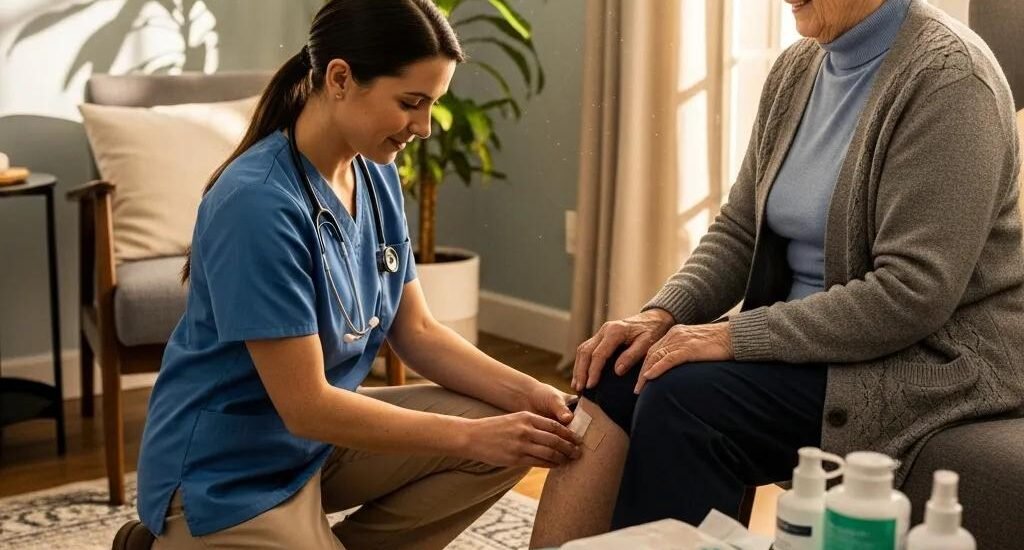
Mobile wound care includes regular clinical assessments, expert dressing changes, and application of advanced therapies tailored to each wound. Patients benefit from shorter travel times, individualized care plans, and more consistent follow-up — all of which can improve healing outcomes. Receiving care at home also often leads to higher patient satisfaction because treatments are personalized and delivered in a familiar, comfortable setting.
Evidence shows that home-based wound care can improve patient outcomes while making better use of healthcare resources.
Home-Based Wound Care: Improving Outcomes & Reducing Costs
Although not always recognized as a pressing health care problem, wounds are a common, complex and costly condition. The burden of treating wounds is growing rapidly due to increasing health care costs, an aging population and a sharp rise in the incidence of diabetes and obesity worldwide. The Integrated Client Care (ICC) Project was a multi-year initiative to develop and test a new, integrated model of wound care within the home care sector in Ontario, Canada to improve health outcomes for patients and decrease system costs.
A large cluster randomized trial of outcome-based pathways to improve home-based wound care, M Zwarenstein, 2017
How Personalized Treatment Plans Enhance Healing Outcomes
Personalized plans are central to mobile wound care. Our clinicians assess the wound, identify contributing health issues, and design a step-by-step approach that fits the patient’s needs. For example, a diabetic foot ulcer requires different priorities than a venous leg ulcer. This tailored approach supports faster, safer healing and helps patients feel involved and informed about their care.
Which Advanced Regenerative Wound Healing Treatments Are Available Near Me?
Mobile programs can offer several regenerative options that work with the body’s natural repair systems to speed recovery and improve results.
Understanding Stem Cell Therapy and Growth Factor Applications

Stem cell therapies leverage cells with regenerative potential to support tissue repair. While some approaches remain investigational for certain chronic wounds, select clinical programs use stem cell–based products to stimulate healing. Growth factors — proteins that guide cell behavior — can be applied to wounds to reduce inflammation and encourage tissue rebuilding. Availability varies by location and payer coverage, and these options are typically considered when standard care has not produced expected progress.
Role of Biologic Dressings and Amniotic Tissue Patches in Healing
Biologic dressings and amniotic tissue patches act as both a protective cover and a biologically active scaffold that supports tissue repair. Biologic dressings come from natural material and often contain growth signals that help healing. Amniotic tissue patches, sourced from donated placental tissue, offer nutrients and anti-inflammatory properties that can benefit hard-to-heal wounds. These products are commonly used within mobile care plans when indicated by the wound’s condition.
Clinical reports have shown that amniotic patches can support tissue regeneration in persistent, non-healing wounds.
Amniotic Patch for Non-Healing Wounds: Tissue Regeneration
Non-healing wounds can pose a medical challenge as in the case of vasculopathic venostasis resulting in a surgical ulcer. When traditional approaches to wound care fail, an amniotic patch (a dehydrated tissue allograft derived from human amnion) can function as a biologic scaffold to facilitate and enhance tissue regeneration and rehabilitation.
Case report of non-healing surgical wound treated with dehydrated human amniotic membrane, NH Riordan, 2015
What Chronic Wound Conditions Can Be Treated at Home?
Many chronic wounds can be safely and effectively managed in a patient’s home with mobile wound care services and the right treatment plan.
Mobile Treatment Options for Diabetic Foot Ulcers and Venous Leg Ulcers
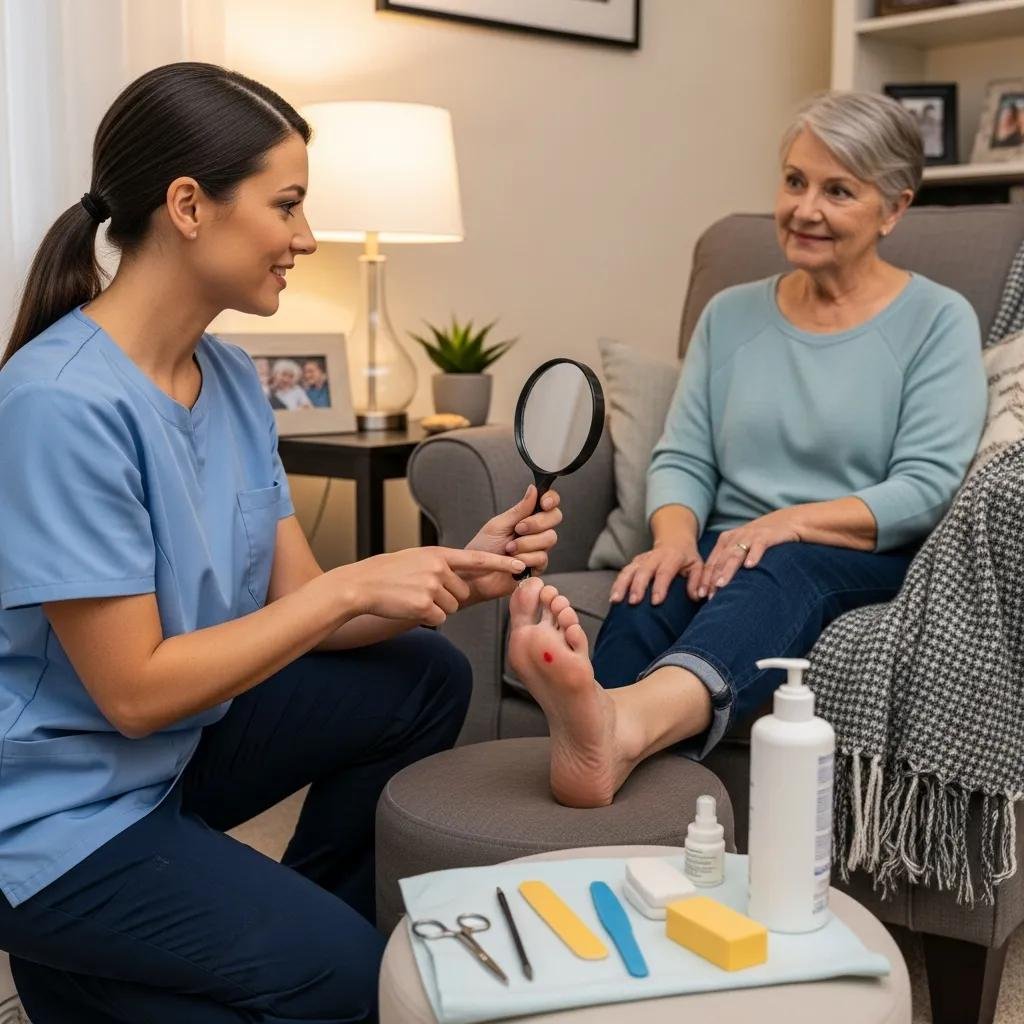
Diabetic foot ulcers and venous leg ulcers commonly benefit from mobile care. Typical services include debridement, advanced dressings, offloading or compression therapy, and practical education on daily foot and leg care. Compression for venous ulcers and specialized offloading for diabetic ulcers can be provided at home by trained clinicians to support healing and prevent recurrence.
Care Strategies for Pressure Injuries and Non-Healing Wounds
Pressure injuries (bedsores) and other non-healing wounds need consistent, informed care to prevent complications. Mobile providers deliver repositioning plans, appropriate dressings, nutritional guidance, and close monitoring to reduce risk and support recovery. When a wound isn’t improving, mobile teams coordinate further evaluation and advanced interventions as needed.
How Does Mobile Wound Care Improve Patient Convenience and Accessibility?
Mobile wound care reduces travel, streamlines appointments, and places experienced clinicians where patients feel most comfortable — at home.
Scheduling and Fast Provider Matching for At-Home Care
Scheduling is designed to fit patients’ lives. Through fast provider matching, patients are connected with qualified clinicians who have experience treating their specific wound type. This reduces delays in starting treatment and helps ensure care is delivered at times that work for the patient and their family.
Support for Caregivers and Patient Education in Mobile Settings
Mobile teams also support caregivers with practical training and easy-to-follow instructions for wound care between visits. Education includes dressing changes, signs of infection to watch for, and lifestyle steps that help healing — empowering caregivers to participate confidently in recovery.
What Are the Expected Healing Timelines and Outcomes with Advanced Mobile Wound Care?
Healing timelines vary, but mobile wound care aims to speed improvement through consistent, specialist-driven treatment and follow-up.
Typical Recovery Periods for Chronic and Non-Healing Wounds
Recovery depends on wound type and overall health. Many patients notice measurable improvement within a few weeks of starting targeted mobile care, while more complex wounds may need longer, ongoing management. Regular assessments let clinicians measure progress and adapt treatment plans to keep healing on track.
Measuring Success: Visible Improvements and Patient Testimonials
Success is measured by visible wound improvement, reduced pain or drainage, and patient-reported quality-of-life gains. Many patients share positive experiences about receiving personalized care at home — a practical benefit that often translates into better adherence and outcomes.
How Is Advanced Mobile Wound Care Covered by Insurance and Medicare?
Knowing how payers handle mobile wound care helps patients plan for treatment. Coverage varies, but many medically necessary services are reimbursed when delivered by qualified providers.
Understanding Medicare Part B Coverage for Mobile Wound Treatments
Medicare Part B typically covers medically necessary wound care services furnished by authorized healthcare professionals, including certain home-based assessments and treatments. Coverage details differ by case, so patients should confirm benefits with Medicare and their provider before starting care.
Navigating Insurance Options and Reducing Financial Burden
Insurance navigation can be complex, but experienced mobile wound programs often assist patients with benefit checks, prior authorization, and cost estimates. Discussing coverage with your provider can help identify options to minimize out-of-pocket expenses and secure needed treatments.
| Treatment Type | Description | Expected Outcome |
|---|---|---|
| Stem Cell Therapy | Uses regenerative properties of stem cells to support tissue repair | May accelerate healing in select chronic wounds* |
| Biologic Dressings | Natural, biologically active dressings that support repair | Improved wound closure and lower infection risk |
| Amniotic Tissue Patches | Nutrient-rich, anti-inflammatory patches for wound coverage | Supports tissue regeneration and reduces inflammation |
*Stem cell therapy for wound healing remains under clinical evaluation and may not be widely available or covered by all insurers.
The table summarizes common advanced treatments used in mobile wound care and the outcomes clinicians typically expect when these therapies are appropriate.
Mobile advanced wound care expands access to specialized treatment, combining personalized plans with regenerative options to help people heal comfortably at home. Understanding available therapies and coverage can help you make informed decisions about wound care for yourself or a loved one.
Frequently Asked Questions
What qualifications should I look for in a mobile wound care provider?
Look for licensed clinicians with specialized wound training and certifications, such as those offered by the Wound, Ostomy, and Continence Nurses Society (WOCN) or comparable organizations. Ask about the team’s experience with your specific wound type and the documentation process they use to track progress. A reputable provider will explain their approach and show how they measure and report healing.
How can I prepare for my first mobile wound care appointment?
Before your first visit, gather recent medical records, notes on prior wound treatments, and a list of current medications and allergies. Make a simple timeline of the wound’s history and any concerns you want to address. Ensure the treatment area in your home is accessible and has adequate lighting so the clinician can assess and treat the wound safely.
Are there any risks associated with mobile wound care treatments?
Mobile wound care is safe when delivered by trained professionals, but risks exist — for example, infection or incorrect dressing use if care is not performed correctly. Choosing a qualified provider and maintaining regular follow-up reduces risks. Always report changes in pain, odor, drainage, or swelling promptly so your clinician can respond.
How do mobile wound care services handle emergencies?
Mobile teams follow clear emergency protocols: they assess the situation, provide urgent on-site care when appropriate, and arrange transfer to emergency services if needed. Discuss emergency procedures with your provider at the start of care so you know when to call for immediate help versus scheduling a same-day visit.
Can mobile wound care services accommodate special needs or disabilities?
Yes. Mobile wound teams are trained to work with patients who have mobility limitations, cognitive impairments, or other special needs. They adapt equipment, communication, and care plans to ensure treatments are effective and respectful. Tell your provider about any special requirements when you schedule services so they can prepare appropriately.
What should I expect in terms of follow-up care with mobile wound services?
Follow-up is a key part of effective wound care. Expect scheduled visits to monitor healing, adjust treatments, and address any setbacks. Frequency depends on wound severity and the selected therapies. Your clinician will also provide clear instructions for self-care between visits and explain when to request additional support.
Conclusion
Mobile advanced wound care offers a patient-centered way to manage chronic wounds — combining personalized plans, expert clinicians, and advanced therapies delivered at home. This approach can improve healing, reduce travel burdens, and give patients and caregivers clearer guidance through recovery. If you or a loved one could benefit from home-based wound care, explore available services to find the right plan and get started.