

Healix360’s Mobile & Regenerative Chronic Wound Care Solutions
Chronic wounds can drain energy, limit daily life, and cause ongoing discomfort. Knowing the right treatment options matters. This guide outlines advanced approaches to chronic wound care — with a focus on mobile services and regenerative therapies offered by Healix360. Non-healing wounds often stem from underlying health issues, infection, or poor circulation. The good news: modern therapies and a coordinated, in-home approach can promote healing and restore function. Below we explain what chronic wounds are, the advantages of in-home care, regenerative options, essential procedures, realistic expectations, and how common concerns like pain and infection are managed.
What are chronic wounds, and how do they affect healing?
We call a wound “chronic” when it doesn’t move through the normal healing stages — typically lasting longer than four weeks to several months. Chronic wounds often cause pain, increase infection risk, and reduce quality of life. Healing stalls for many reasons: poor circulation, ongoing inflammation, or health conditions that interfere with tissue repair. Identifying these barriers is the first step in an effective treatment plan.
Which types of chronic wounds need advanced care?
- Diabetic foot ulcers: Caused by nerve damage and reduced blood flow in people with diabetes; they need focused, preventive care to avoid complications.
- Venous leg ulcers: Result from impaired venous return and usually respond best to compression plus specialized wound therapy.
- Pressure ulcers: Often called bedsores, these develop from prolonged pressure and require regular repositioning and targeted dressings.
Each wound type has specific drivers and treatment needs — tailoring care improves the chance of recovery.
Why do some wounds fail to heal?
- Infection: Bacteria can keep a wound stuck in a harmful inflammatory state and damage surrounding tissue.
- Poor blood circulation: Without enough oxygen and nutrients delivered by blood, tissue repair stalls.
- Underlying health conditions: Diabetes, obesity, autoimmune disease and other chronic illnesses can slow or block normal healing processes.
Addressing these root causes is essential for successful wound management.
How does Healix360 deliver mobile wound care for real convenience?
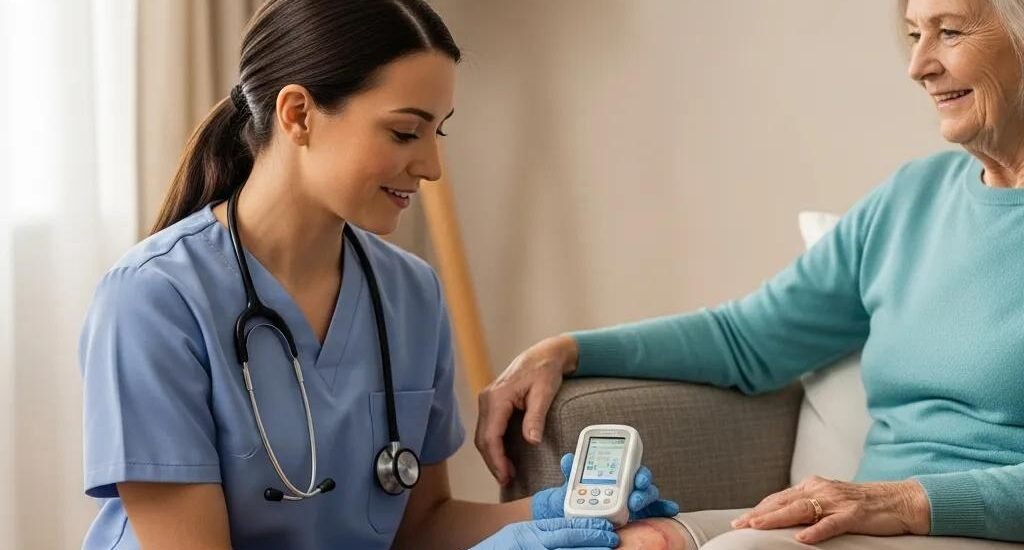
Healix360 brings specialist wound care into the home so patients get comprehensive treatment without travel. Our in-home model removes logistical barriers and keeps the focus on consistent, high-quality care tailored to each person’s needs.
What are the benefits of in-home chronic wound treatment?
- Comfort and familiarity: Healing at home reduces stress and often improves patient cooperation with treatment.
- Less travel burden: Eliminating clinic trips eases physical strain and lowers the chance of missed appointments.
- Better overall experience: Evidence shows in-home care can match or improve healing outcomes while increasing patient satisfaction.
These advantages make mobile wound care an important option within modern healthcare.
The shift toward mobile and in-home care is part of a broader move to telemedicine, which can expand access and support better chronic wound outcomes.
Telemedicine for Chronic Wound Management
Background: Telemedicine has been proposed as a feasible strategy to revitalize wound care, offering new ways to manage chronic wounds remotely. Objective: This systematic review and meta-analysis evaluated how telemedicine affects wound-related outcomes and patient-reported measures in people with chronic wounds.
Effectiveness of Telemedicine on Wound-Related and Patient-Reported Outcomes in Patients With Chronic Wounds: Systematic Review and Meta-Analysis, 2025
Who are the board-certified specialists behind Healix360’s care?
- Board certifications: Our clinicians hold recognized certifications in wound care and related specialties.
- Clinical experience: The team has proven experience treating a wide range of chronic wounds.
- Patient-centered practice: We build plans around each person’s goals and medical needs to support better healing.
That experience and focus help ensure patients receive high-standard, evidence-informed care.
What regenerative therapies are available for chronic wound healing?
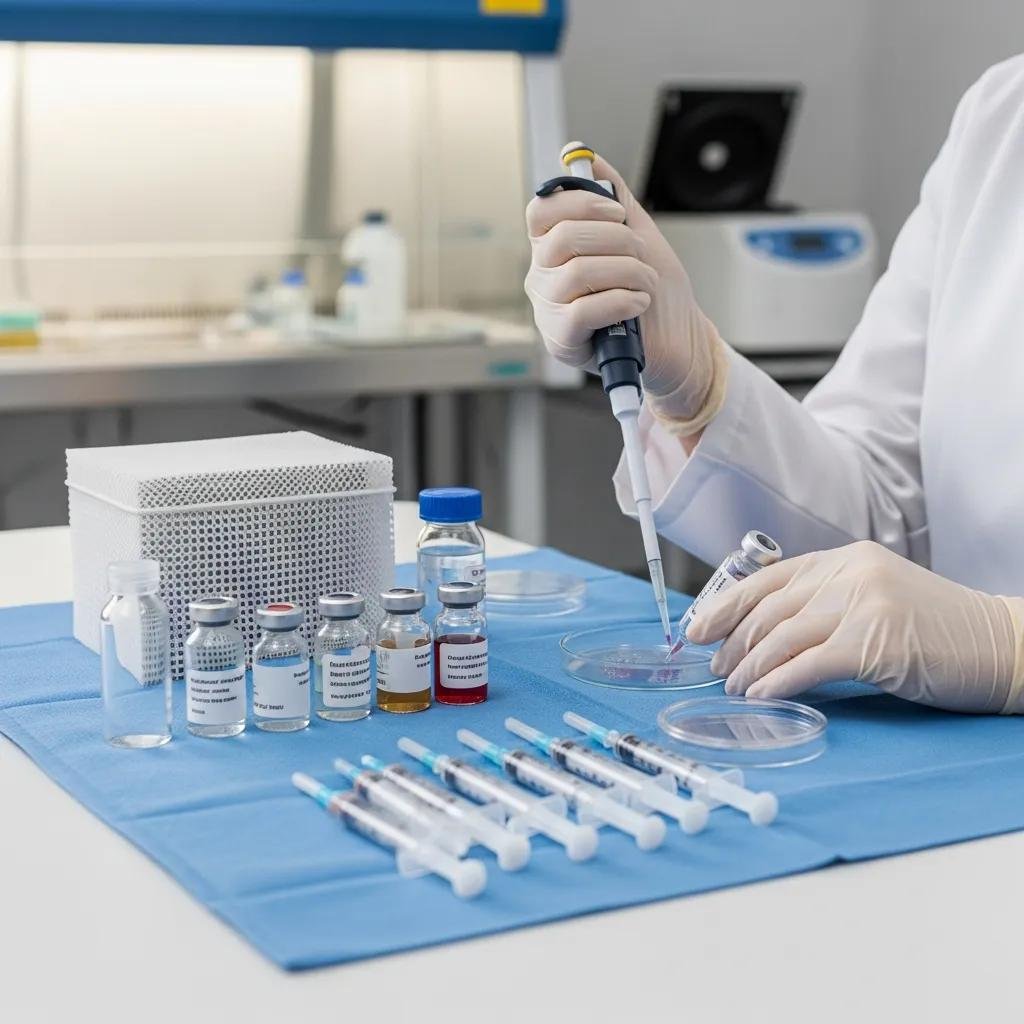
Regenerative approaches aim to encourage tissue repair and restore the wound bed’s ability to heal. When appropriate, these therapies can accelerate recovery and improve tissue quality.
Recent studies highlight regenerative medicine’s growing role in addressing complex, non-healing wounds.
Regenerative Medicine for Chronic Wound Healing
Abstract: Chronic wounds are a widespread and costly problem that demand better treatment options to prevent infection and amputation. Advances in technology and regenerative techniques show promise for improving wound healing. Regenerative medicine offers new possibilities for stimulating repair and reducing complications.
Current advances in wound healing and regenerative medicine, M Moradi, 2024
How does stem cell therapy support wound repair?
- Stimulates tissue growth: Stem cells can become different cell types and help rebuild damaged tissue.
- Calms inflammation: They release factors that reduce chronic inflammation at the wound site.
- Improves blood flow: Stem cell therapies can encourage new vessel growth, enhancing oxygen and nutrient delivery.
Clinical data are encouraging, but stem cell treatments remain an evolving option and are not yet standard practice for every wound.
Ongoing research continues to clarify the role of cellular therapies and their potential to change chronic wound care.
Stem Cell Regenerative Therapies for Chronic Wounds
Abstract: Chronic wounds carry major morbidity and cost, creating a need for long-term, effective treatments. Stem cell–based regenerative therapies have emerged as a promising area of research because of their potential to renew tissue and modulate immune responses.
Cellular therapeutics for chronic wound healing: Future for regenerative medicine, A Kumar, 2022
What role do biologic dressings and skin substitutes play?
- Maintain moisture: These materials help keep an optimal, moist wound environment that supports repair.
- Protect the wound: They act as a barrier to contaminants and lower infection risk.
- Support regeneration: Many include growth factors or extracellular matrix elements that encourage tissue rebuilding.
Used appropriately, these advanced products can meaningfully improve healing outcomes.
Which essential advanced wound care procedures support healing?
Several targeted procedures are foundational to managing chronic wounds. Each addresses specific barriers that can prevent tissue repair.
What is debridement and how does it aid recovery?
- Removes nonviable tissue: Debridement clears away dead tissue so healthy tissue can grow.
- Lowers infection risk: Cleaning the wound reduces bacterial load and related complications.
- Allows better assessment: A clean wound bed makes it easier to plan the next steps in care.
Debridement is often a key early step in a successful treatment plan.
How does negative pressure wound therapy enhance healing?
- Boosts circulation: The negative pressure helps increase blood flow to the wound.
- Reduces swelling: NPWT removes excess fluid and decreases edema.
- Encourages granulation: It stimulates healthy tissue growth that supports wound closure.
NPWT is an established option for many types of chronic wounds because of these benefits.
What can patients expect during their healing journey with Healix360?
Our approach combines thorough assessment, a tailored plan, and ongoing monitoring. Care begins with a detailed evaluation to identify the best mix of therapies for each patient.
How is a personalized treatment plan developed?
- Comprehensive assessment: We review medical history, wound characteristics, and overall health to form a diagnosis.
- Individualized plan: Treatments are selected and adjusted to fit each patient’s needs and goals.
- Shared decision-making: Patients are partners in care — their preferences and concerns shape the plan.
This collaborative, customized process supports better adherence and outcomes.
What are typical healing timelines and follow-up procedures?
- Early improvement: Many chronic wounds begin showing measurable progress within 2–4 weeks of appropriate treatment.
- Scheduled follow-up: Regular visits let clinicians track healing and modify therapy as needed.
- Ongoing management: Some patients require longer-term care and education to prevent recurrence and manage underlying conditions.
Clear expectations and routine monitoring help patients stay informed and engaged in care.
How are common concerns like pain and infection managed in mobile care?
Addressing pain and infection is central to our care model. Healix360 uses evidence-based protocols to reduce risks and keep patients comfortable.
What strategies reduce infection risk in chronic wounds?
- Strict hygiene: We follow clean technique and infection-control standards during every visit.
- Antimicrobial dressings: When appropriate, we use dressings that help control bioburden.
- Early detection: Patients learn signs of infection so problems can be addressed promptly.
These measures create a safer environment for healing in the home setting.
How is pain managed to improve quality of life?

- Regular assessment: We measure pain routinely and adjust care based on findings.
- Medications and local therapies: Analgesics, topical agents, and other modalities are used as needed to control discomfort.
- Ongoing communication: Patient feedback guides timely adjustments to pain plans.
Prioritizing comfort helps patients participate fully in their recovery.
| Treatment Type | Description | Benefits |
|---|---|---|
| Mobile Wound Care | Specialist-led, in-home treatment | Convenience, comfort, consistent follow-up |
| Regenerative Therapies | Stem cell approaches and biologic dressings | Supports tissue regeneration, may speed healing |
| Advanced Procedures | Debridement and negative pressure therapy | Clears barriers to healing, reduces infection risk |
In short, understanding advanced wound therapies helps patients and caregivers choose the right path to recovery. Healix360 provides mobile, personalized care and access to innovative treatments so patients can heal with confidence and support.
Frequently Asked Questions
What are the signs that a chronic wound is infected?
Watch for increased redness, swelling, warmth, worsening pain, or new drainage (pus) and foul odor. Systemic signs — fever, chills, or unusual fatigue — may indicate a more serious infection. Contact your provider promptly if you notice these changes.
How can patients prepare for their first appointment with Healix360?
Gather your medical history, a list of current medications, and details of prior wound care. Bring any referral or insurance information and prepare questions about goals and concerns. Honest details about symptoms and lifestyle help us create the best plan.
What lifestyle changes can support chronic wound healing?
Good nutrition (adequate protein, vitamin C, zinc), hydration, and managing conditions like diabetes or hypertension all support healing. Avoiding tobacco and staying as active as medically advised also improves circulation and recovery.
Are there any risks associated with mobile wound care?
Mobile care is safe and effective for most patients, but some situations may require in-clinic resources or urgent treatment. Our clinicians are trained to assess needs and arrange higher-level care when necessary to keep patients safe.
How often should patients expect to have follow-up appointments?
Follow-up frequency varies with wound severity and treatment plan but commonly falls between every 1 and 4 weeks. Visits let clinicians track progress, change therapies, and provide education to support long-term healing.
What should patients do if they notice a change in their wound condition?
Contact your healthcare provider right away if you see increased pain, swelling, redness, drainage, or any systemic symptoms. Document changes (date, symptoms) to share during the visit — early action helps prevent complications.
Conclusion
Advanced chronic wound care combines accurate assessment, targeted procedures, and appropriate regenerative therapies — all delivered in a way that fits the patient’s life. Healix360’s mobile model brings this care to your home with personalized plans and experienced clinicians. To learn how we can support your recovery, reach out today.