
Medicaid Mobile Wound Care Coverage: A State-by-State Guide
Mobile wound care delivers specialized treatment to patients where they live, reducing travel and improving follow-up. Knowing what your insurer will pay for — whether Medicare, a private plan, or Medicaid — helps patients and caregivers get timely care without surprises. This guide explains how common policies handle home wound care, who usually qualifies, and which supplies and advanced therapies are typically covered. We’ll walk through Medicare rules, what private plans often cover, how Medicaid varies by state, and practical steps to verify benefits.
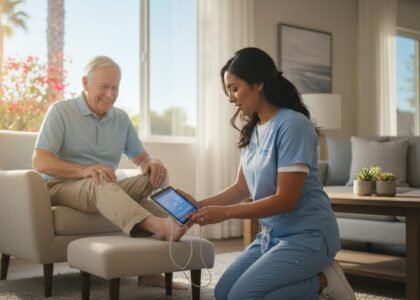
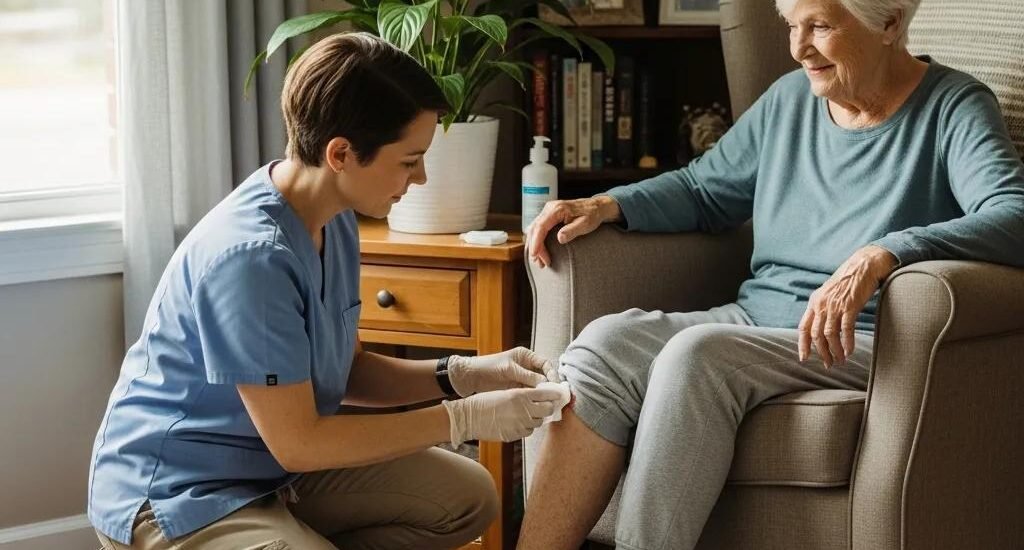
Mobile wound care supports consistent, effective management for people living with chronic wounds.
Mobile & At-Home Wound Care for Chronic Wounds
Mobile wound care clinics and at-home wound care apps are practical, effective ways to ensure proper follow-up after hospital discharge and to maintain ongoing care for people with chronic wounds.
Wound Care Services In Rural America, 2025
How Does Medicare Cover Mobile Wound Care Services?
Medicare covers mobile wound care through different parts depending on the situation. Part A (home health) covers skilled nursing and related services for patients who are homebound and meet Medicare’s criteria. Part B can cover outpatient wound care and some supplies when services are provided outside the home. Knowing which part applies to your care helps set expectations for coverage and any needed authorizations.
What Are the Eligibility Criteria for Medicare Part A Mobile Wound Care Coverage?
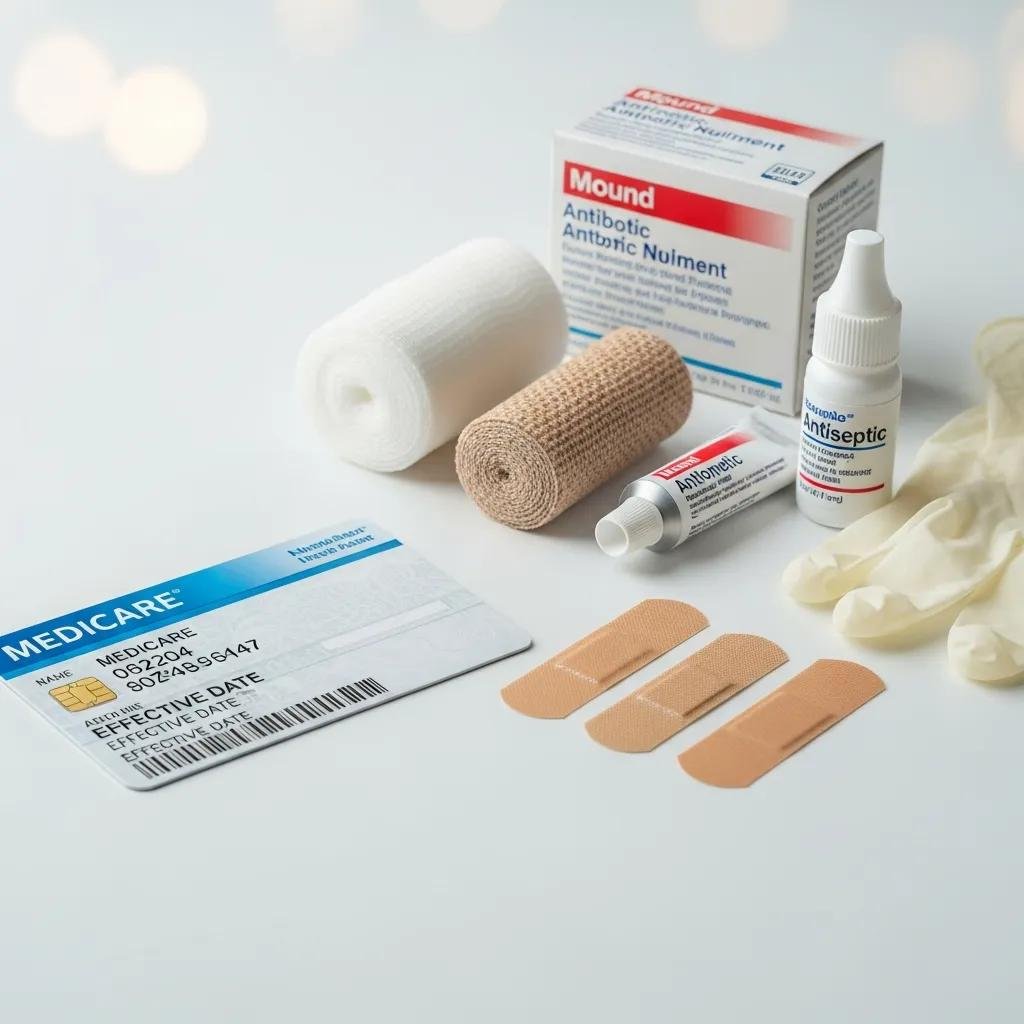
To qualify for Medicare-covered home health services under Part A, a doctor must certify that you need skilled nursing or therapy, that you are homebound, and that the services are provided by a Medicare-certified home health agency. The wound care must be medically necessary and usually involves intermittent skilled nursing or therapy—not routine daily care. Part B may cover certain outpatient wound services and supplies, but it generally does not pay for routine in-home wound care that isn’t part of a home health plan.
Which Mobile Wound Care Treatments and Supplies Does Medicare Cover?
Under a Medicare home health plan, covered items often include skilled nursing visits for debridement, dressing changes, wound assessments, and other clinically necessary tasks. Medicare may also supply basic wound dressings and topical treatments when they’re part of the home health service plan. Advanced products and therapies—like negative pressure wound therapy—may be covered under Part B when delivered in an outpatient setting. Coverage details and prior authorization requirements can vary by service and region.
What Coverage Do Private Insurance Plans Offer for Home Wound Care?
Private insurers differ widely in how they cover home wound care. Many plans mirror Medicare on core services, but limits, prior authorization rules, and coverage for advanced therapies can vary by insurer and specific policy. Reviewing your plan documents and speaking with your insurer is the best way to confirm benefits.
Which Private Insurers Commonly Cover Mobile Wound Care Services?
Major national insurers—such as Aetna, UnitedHealthcare, and Blue Cross Blue Shield—often provide coverage for mobile wound care through home health benefits or outpatient wound programs. Each company and plan sets its own rules, so insured individuals should verify coverage, network requirements, and any pre-authorization needed for mobile visits or advanced treatments.
How Do Private Insurance Policies Handle Coverage for Advanced Wound Care Treatments?
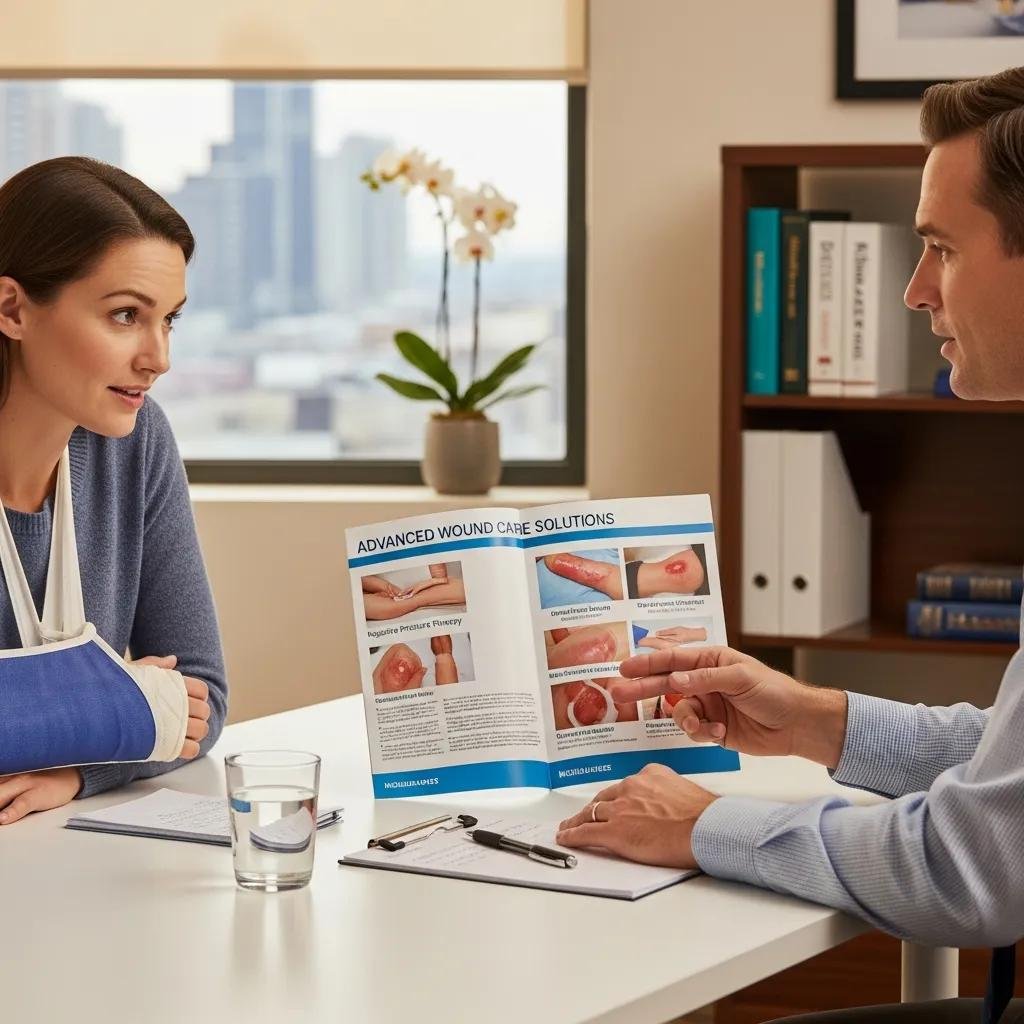
Private plans may cover advanced therapies—like negative pressure wound therapy or regenerative treatments—if they’re judged medically necessary and supported by documentation. Coverage often depends on clinical evidence, prior authorization, and whether a treatment is considered experimental by the insurer. Patients should work with their clinician to submit the necessary medical records and justification when requesting coverage.
How Does Medicaid Support Mobile Wound Care Coverage in Specific States?
Medicaid is a key source of coverage for home wound care for eligible low-income patients, but programs and benefits vary by state. Eligibility rules, covered services, and approval processes differ, so it’s important to check your state’s Medicaid program for details.
What Are the Medicaid Eligibility and Coverage Details for Mobile Wound Care in California?
In California, Medicaid (Medi‑Cal) can cover mobile wound care for qualifying members. Eligibility depends on income and other program rules, and covered services typically include skilled nursing visits for wound management and necessary supplies. Local county Medi‑Cal offices can provide specific eligibility information and details about covered services in your area.
How Does Medicaid Coverage Vary for Wound Care Supplies and Advanced Therapies?
Across states, Medicaid’s coverage for dressings, advanced products, and biologics ranges from generous to limited. Some states cover a wide array of advanced dressings and therapies, while others require stricter prior authorization or limit reimbursement. If you rely on Medicaid, check your state program’s fee schedule and prior authorization requirements for advanced wound therapies.
What Wound Care Supplies and Advanced Treatments Are Covered by Insurance?
Knowing which supplies and therapies are usually covered helps patients plan treatment and manage costs. Coverage depends on medical necessity, how the service is delivered, and the rules of the specific insurer or program.
Which Supplies Are Typically Covered Under Medicare and Private Insurance Plans?
Commonly covered supplies include standard dressings, bandages, and topical agents when they’re part of a home health or outpatient wound care plan. Many plans also cover specialized dressings—such as hydrocolloid or alginate products—when clinically appropriate. Patients should verify exact items and any limits or preferred suppliers with their insurer.
How Is Coverage Determined for Regenerative Medicine and Negative Pressure Wound Therapy?
Coverage for regenerative medicine and negative pressure wound therapy is usually based on documented medical necessity and supporting clinical evidence. Medicare and some private insurers will authorize these treatments when conservative options have failed and clear documentation is provided. Work closely with your care team to collect relevant notes, wound measurements, and prior treatment records when requesting coverage.
How Can Patients and Caregivers Navigate Insurance for Mobile Wound Care?
The insurance process can be straightforward if you follow a clear set of steps and use your care team’s support.
What Is the Step-by-Step Process for Insurance Eligibility Verification and Prior Authorization?
Start by calling your insurer to confirm whether mobile wound care is covered under your plan. Ask about network requirements, prior authorization rules, and any expected co-pays or deductibles. Next, have your provider prepare a treatment plan and documentation that show medical necessity. Submit the paperwork to the insurer and follow up frequently until authorization is confirmed. Keep copies of all communications and authorization numbers.
How Does Healix360 Assist Patients with Insurance Claims and Coverage Questions?
Healix360 Advanced Mobile Wound Care Specialists help patients and caregivers understand benefits, gather required documentation, and submit insurance requests. Our team works with clinicians and payers to reduce delays and clarify coverage so you can focus on healing.
For help with your mobile wound care insurance questions or to learn more about our services, please contact us. Our team will walk you through next steps.
Frequently Asked Questions
What types of chronic wounds are typically treated with mobile wound care?
Mobile wound care teams commonly treat diabetic foot ulcers, pressure injuries (bedsores), venous stasis ulcers, and nonhealing surgical wounds. Care includes assessment, dressing changes, debridement when needed, infection monitoring, and patient education to prevent recurrence. The goal is safe, effective healing in the home setting.
Are there any out-of-pocket costs associated with mobile wound care services?
Out-of-pocket costs depend on your insurance plan. Medicare and many private plans cover a large portion of wound care, but you may still owe co-pays, coinsurance, or deductibles. Some supplies or advanced treatments may require additional approvals or have separate cost-sharing. Check your benefits and ask your provider for an estimate of expected costs.
How can patients ensure they receive the necessary documentation for insurance claims?
Ask your clinician for a clear treatment plan that states the medical necessity of mobile wound care. Request progress notes, wound measurements, photos if appropriate, and records of prior treatments. Keep copies and provide them to your insurer with any authorization requests to support the claim.
What should patients do if their insurance claim for mobile wound care is denied?
If a claim is denied, review the denial reason and request a written explanation. Gather additional medical records or a supporting letter from your clinician, then file an appeal following your insurer’s process. You can also ask your provider or Healix360 for help preparing documentation for the appeal.
Can mobile wound care services be provided for patients living in rural areas?
Yes. Many mobile wound care providers travel to rural and underserved areas to deliver care. If transportation is a barrier, ask local providers or your insurer about in-home options and whether telehealth follow-ups are available to supplement in-person visits.
What role do caregivers play in mobile wound care management?
Caregivers support wound healing by helping with dressing changes, monitoring for signs of infection, assisting with mobility and nutrition, and ensuring treatment plans are followed. Education from clinicians helps caregivers perform tasks safely and report concerns promptly to the care team.
Conclusion
Understanding how Medicare, private insurers, and Medicaid cover mobile wound care makes it easier to get the right treatment at home. Review your plan, gather documentation, and lean on your clinical team or Healix360 for help with authorizations and claims. If you’d like personalized assistance, please contact us—we’re here to help you navigate coverage and get timely care.