
What to Expect During Your At-Home Mobile Wound Care Visit
Mobile wound care brings specialty treatment to your home so you don’t have to travel for expert help. This guide explains what a visit looks like, how wounds are assessed and treated, and what the healing journey typically involves. Many people face barriers getting to clinic-based care — delayed visits can slow recovery and increase discomfort. Mobile care closes that gap by delivering timely, evidence-based treatment where you live. Below we walk through the first visit, advanced therapies, expected timelines, caregiver support, common questions, and the benefits of choosing mobile wound care services with practical, patient-centered language.
Knowing how at-home wound care works and how mobile health tools fit in helps you get the best results.
Mobile Health & At-Home Wound Care: Research Summary
Background: Wounds are a common health issue and improper care can lead to worse outcomes. Despite this, there is limited information about home-based wound care knowledge, attitudes, and practices — and how mobile health (mHealth) tools are used in the home setting.
Wound care knowledge, attitudes, and practices and mobile health technology use in the home environment:
Cross-sectional survey of social network users, CY Guo, 2020
How does the initial mobile wound care visit unfold?
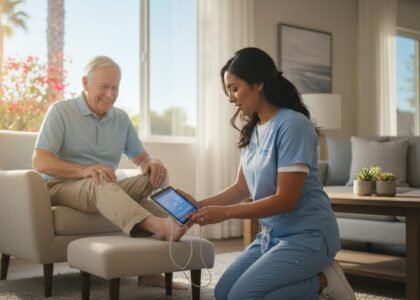
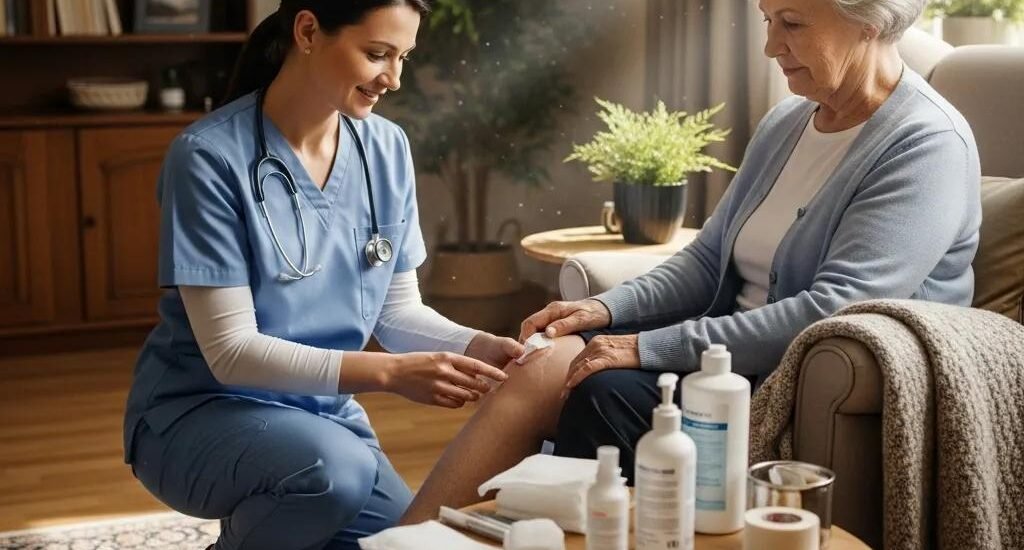
Your first mobile visit lays the groundwork for a tailored plan. A certified wound care clinician will review your history, inspect the wound, and discuss goals and barriers to healing. We focus on clear communication so you understand each step and are actively involved in decisions about your care.
What happens during your comprehensive wound assessment?
The assessment is methodical and thorough. The clinician measures the wound, notes depth and tissue type, checks for infection, and examines the surrounding skin. Photos and measurements are recorded to track progress. This clinical picture, combined with your medical history and daily routines, guides a personalized treatment plan.
How is your medical history and healing capacity evaluated?
We ask about prior wound care, current medications, and medical conditions that affect healing — such as diabetes, circulation problems, and nutritional status. Caregiver observations are welcome and often helpful. The goal is to identify factors that may delay recovery so we can address them alongside local wound treatment.
Which advanced treatments are delivered during mobile wound care visits?
Mobile visits deliver many of the same advanced, evidence-based treatments you’d expect in a clinic, adapted for safe use at home. Treatments are chosen to match the wound type, patient needs, and home environment.
What should you know about debridement and biologic dressings?
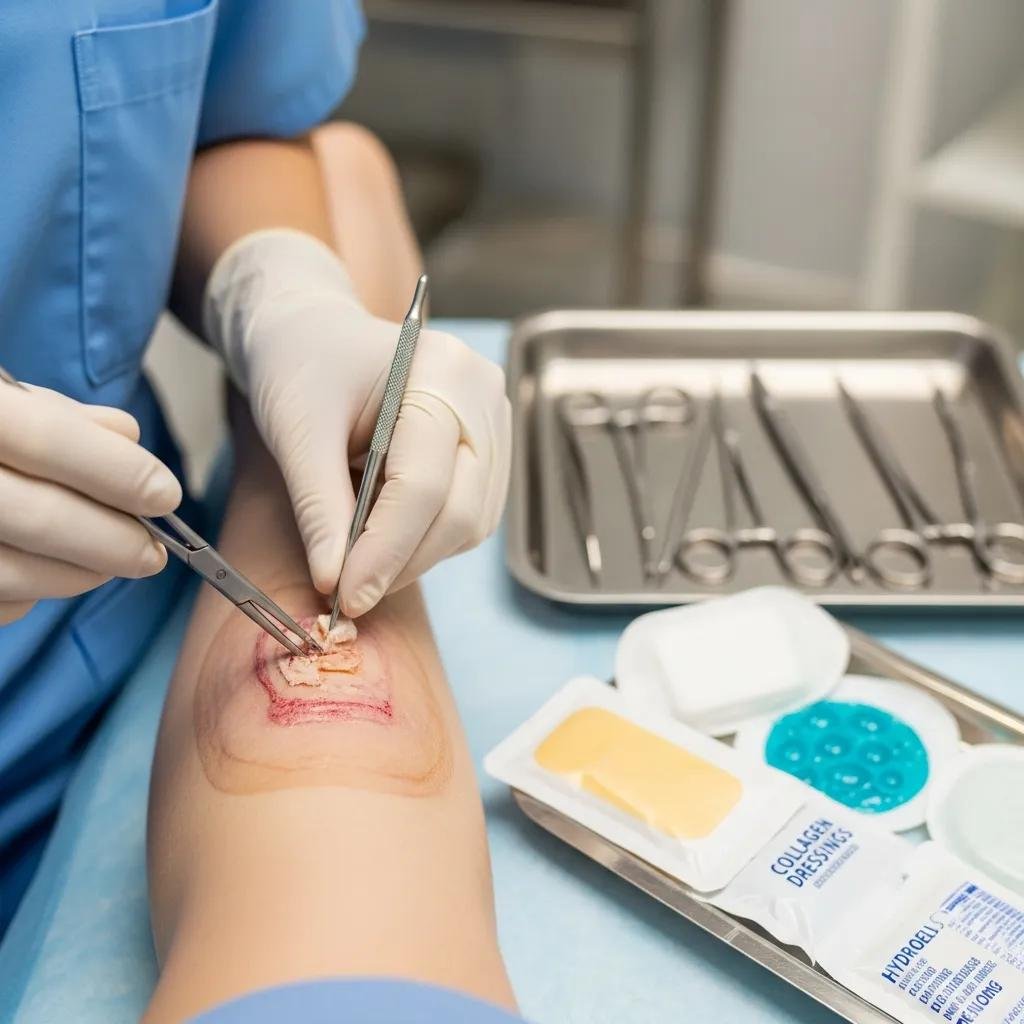
Debridement — removing dead or infected tissue — is often essential for healing. It can be done in several ways (sharp, enzymatic, autolytic, mechanical) depending on the wound and the patient’s needs. Biologic dressings (derived from human or animal tissue) provide a moist, supportive environment that helps tissue regenerate. Your clinician will explain the method chosen, why it’s recommended, and what to expect afterward.
How is negative pressure wound therapy applied at home?
Negative pressure wound therapy (NPWT) uses a small vacuum device to promote circulation and remove fluid from the wound bed. Many NPWT systems are portable and can be managed safely at home. We train patients and caregivers on device setup, alarm checks, and routine care so you feel confident managing therapy between visits. NPWT can speed closure and reduce wound size in appropriate cases.
Clinical studies outline how NPWT works and where it’s most helpful in chronic wound care.
Negative Pressure Wound Therapy: Mechanisms and Clinical Use
Negative pressure wound therapy (NPWT) helps healing by applying controlled negative pressure across the wound. A typical system uses a foam or gauze interface, a semi-occlusive dressing, and fluid collection. NPWT supports healing through tissue deformation, removal of inflammatory fluid, wound environment stabilization, and microscopic mechanical effects. Complications are uncommon but can include bleeding, pain, fistula formation, or infection if not managed carefully. Newer NPWT options expand its use, including instillation therapy and applications for closed incisions. NPWT has proven useful for diabetic foot ulcers, pressure injuries, chronic wounds, and graft care.
Negative pressure wound therapy: mechanism of action and clinical applications, T Safran, 2021
What is the typical healing process and timeline for mobile wound care?
Healing varies by wound type, your health, and how closely the plan is followed. Some wounds show measurable improvement in weeks; others require months and multi-step therapies. We set realistic goals, monitor progress, and adjust treatment as needed so you know what to expect.
How is wound progress monitored and follow-up care scheduled?
Progress is tracked with regular measurements, photos, and clinical notes during follow-up visits. Your clinician will schedule return visits based on wound severity and response to treatment. Timely follow-ups let us change dressings, revise therapies, and catch complications early.
What factors influence your wound healing journey?
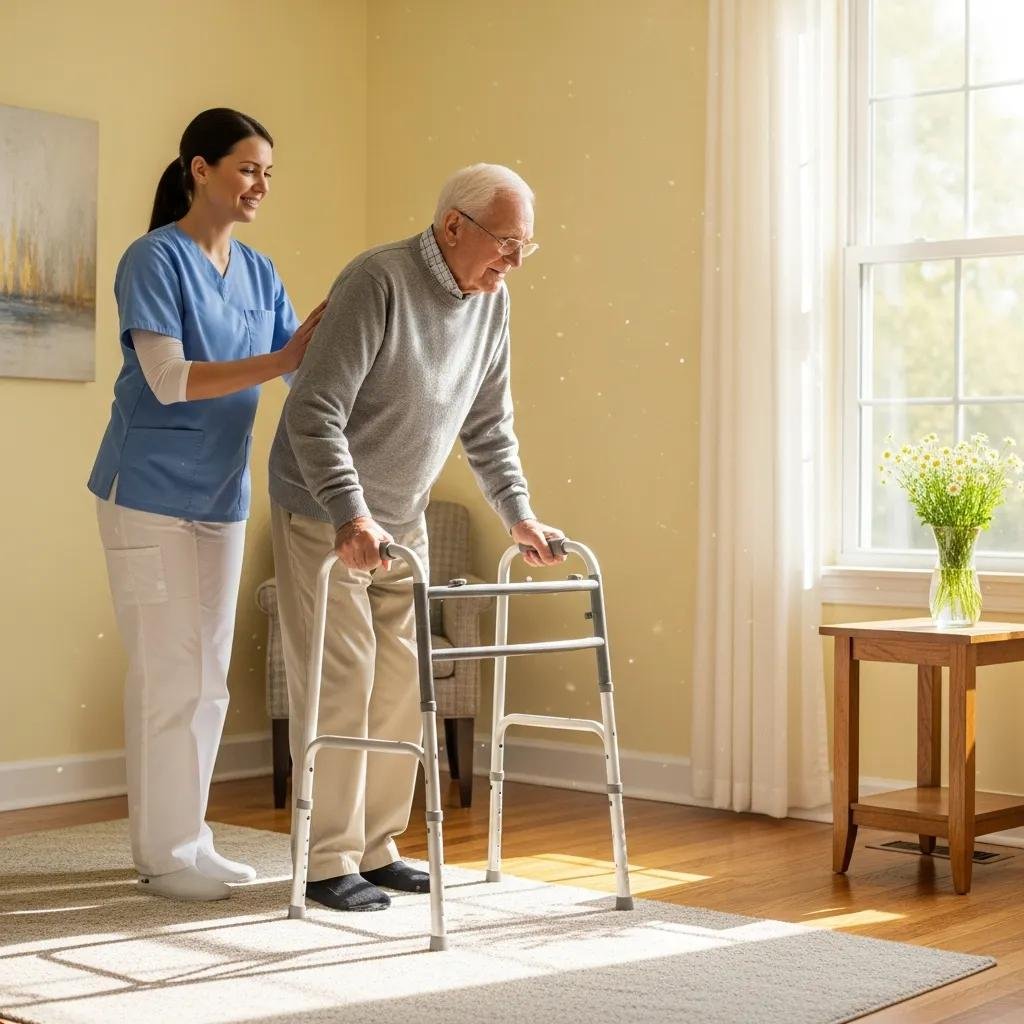
Many things affect healing: chronic illnesses (like diabetes), blood flow, medications, nutrition, hydration, mobility, and how consistently dressings are changed. Lifestyle measures — good nutrition, blood sugar control, and avoiding pressure on the wound — all support recovery. We work with you and caregivers to address these factors alongside direct wound therapy.
How are patients and caregivers supported during mobile wound care?
Education and practical support are core to our approach. We teach dressing changes, infection prevention, and device care in simple steps so patients and caregivers feel capable and safe between visits.
What education is provided for dressing changes and infection prevention?
Clinicians demonstrate dressing changes, explain hygiene and handwashing, and review signs that need prompt attention. You’ll receive clear instructions — written and verbal — and guidance on when to call for help. The aim is confidence and safety at home.
How can caregivers assist in mobility and long-term wound prevention?
Caregivers help with safe movement, repositioning, medication reminders, and daily skin checks. We share practical prevention strategies — pressure relief, footwear advice, skin protection, and nutrition tips — so caregivers can reduce recurrence risk and support long-term healing.
What common concerns do patients have about mobile wound care visits?
Patients commonly ask about pain, infection risk, and whether home care is as effective as clinic care. Reach out to us anytime — addressing these concerns early leads to better outcomes.
Will the mobile wound care visit be painful?
Discomfort is a common worry, but clinicians use gentle techniques and, when appropriate, topical anesthetics to limit pain. We explain what sensations to expect and offer strategies to make the visit as comfortable as possible.
How is infection risk minimized during home treatments?
Infection control is treated with the same rigor as in a clinic: sterile technique, proper dressing selection, and clear instructions for home care. We teach how to spot early signs of infection and when to contact the care team so problems can be addressed quickly.
What are the benefits and logistics of choosing mobile wound care services?
Mobile care removes travel barriers, reduces clinic wait times, and delivers personalized attention in your home. For many patients, that convenience translates into better adherence and comparable — sometimes improved — healing outcomes.
How does mobile wound care improve convenience and healing outcomes?
Getting care at home reduces stress from transportation and waiting, and it allows clinicians to see your living situation and tailor recommendations accordingly. Studies and clinical experience show at-home wound care can match or exceed clinic outcomes when care is consistent and follow-up is maintained.
What should you prepare for your first mobile wound care appointment?
Gather recent medical records, a list of current medications, and any questions you want to discuss. Clear a well-lit, comfortable space for the clinician to work and make sure caregivers who will help are available. Being prepared helps the visit go smoothly.
Frequently Asked Questions
What types of wounds are suitable for mobile wound care services?
Mobile wound care can manage many wound types: chronic ulcers (including diabetic foot ulcers), pressure injuries, surgical wounds that need follow-up, and other non-emergent skin breakdowns. It’s particularly helpful for patients with limited mobility or transportation challenges. Your clinician will determine if home-based care is appropriate and safe.
How can I ensure my home environment is suitable for mobile wound care?
Choose a clean, well-lit area with a flat surface and a nearby chair for the patient and caregiver. Remove clutter that could block movement and have basic supplies accessible if requested. We’ll tell you exactly what’s needed before the visit.
What should I do if I notice signs of infection after a mobile wound care visit?
If you see increased redness, swelling, warmth, new or worsening pain, foul odor, or increased drainage, contact your mobile wound care clinician right away. Early reporting lets us intervene quickly — with antibiotics, dressing changes, or a follow-up visit — to prevent complications.
Are mobile wound care services covered by insurance?
Insurance coverage varies by plan and provider. Many insurers recognize medically necessary home wound care and provide coverage, but benefits differ. We can help verify your coverage and explain potential out-of-pocket costs before treatment begins.
How can I track my healing progress at home?
Track changes in wound size, appearance, and symptoms. Taking dated photos and keeping brief notes on pain or drainage helps both you and the clinician monitor progress. Share these updates at follow-ups so we can adjust the plan when needed.
What role do nutrition and hydration play in wound healing?
Good nutrition and hydration are essential. Protein, vitamin C, zinc, and overall calorie intake support tissue repair and immune function. Staying hydrated helps skin integrity. We’ll discuss dietary adjustments or referrals if nutrition looks like a barrier to healing.
Conclusion
Mobile wound care delivers expert, personalized treatment in the place you live, reducing barriers and supporting better outcomes. By understanding the assessment, available therapies, and how you and caregivers can participate, you’ll be better prepared for the healing journey. If you want to learn more about our services or schedule a visit, visit our website or contact us directly.