
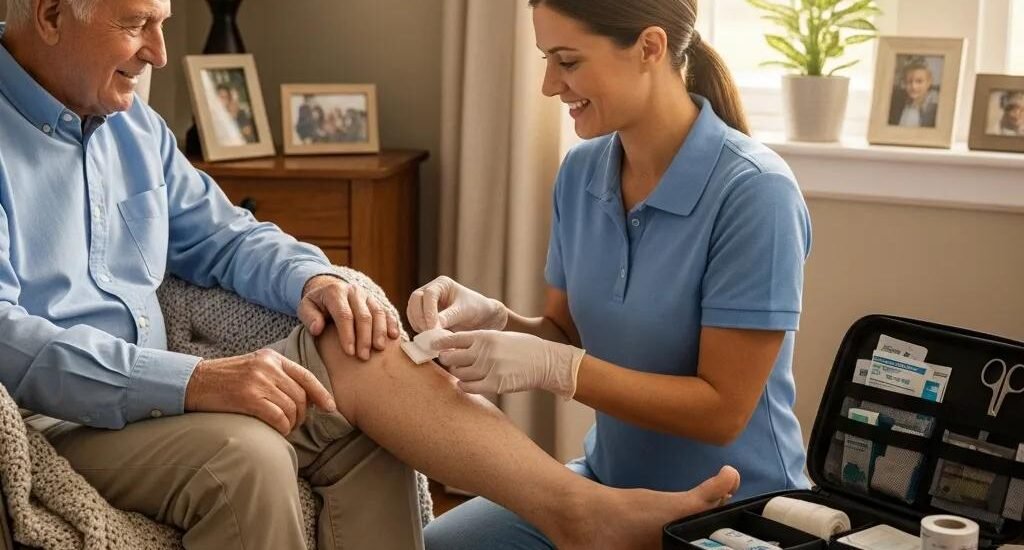
In-Home Mobile Wound Care Explained: What to Expect
Mobile wound care brings specialized treatment to the place you call home. It’s designed for people with chronic wounds who have trouble getting to clinics, need frequent visits, or simply heal better in familiar surroundings. This guide explains how mobile wound care works, the benefits you can expect, what happens at the first visit, common chronic wounds we treat, the regenerative therapies we use, and how we manage pain and infection along the way.
Recent studies highlight how mobile health tools are strengthening home-based wound care and patient outcomes.
Mobile health technology in home wound care
Background: Wounds are a common health issue. When injuries are not treated properly, they can threaten a person’s health. There is limited information about what people know, feel, and do about wound care at home, and how mobile health (mHealth) tools are used in that setting in Taiwan.
Wound care knowledge, attitudes, and practices and mobile health technology use in the home environment:
Cross-sectional survey of social network users, CY Guo, 2020
What is mobile wound care — and how does it help?
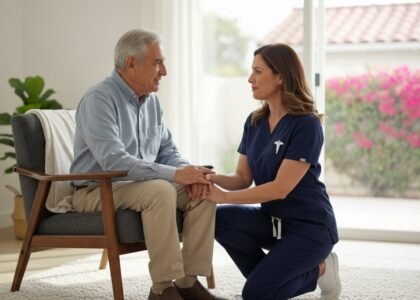
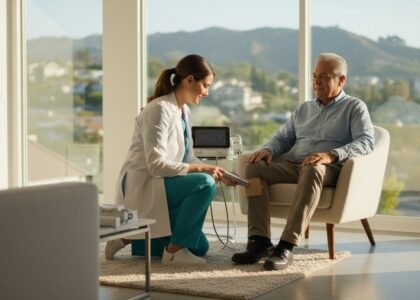
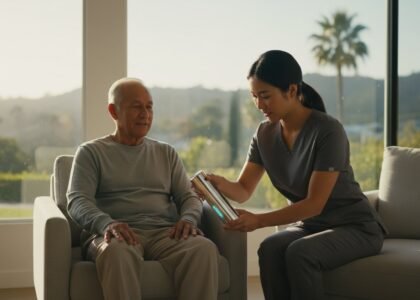
Mobile wound care means delivering expert wound management where patients live: homes, assisted living, or other convenient locations. It removes travel barriers, reduces stress, and lets clinicians tailor treatment to each person’s needs and environment. The result is more timely care and a plan focused on real-life recovery.
At Healix360, our Advanced Mobile Wound Care Specialists coordinate in-home services, connect you with advanced therapies, and guide the care process so it’s smooth and reliable.
How does mobile wound care improve comfort and convenience?
By treating you at home, mobile care eliminates trips to the clinic and the stress of transportation. You receive focused attention in a setting where you feel safe, which often helps reduce anxiety and supports better healing. Our team works around your schedule and the realities of daily life.
What are the main advantages of advanced wound care at home?
Advanced home wound care combines specialized treatments with ongoing monitoring to lower infection risk and improve healing. We customize plans, adjust therapies as wounds change, and coordinate with your other providers so care is consistent and effective.
What happens during your first mobile wound care visit?
The first visit is a full assessment: we review the wound, your health history, and the factors that affect healing. That visit sets the foundation for a personalized plan focused on safe, measurable progress.
What is included in the initial wound assessment and medical history review?
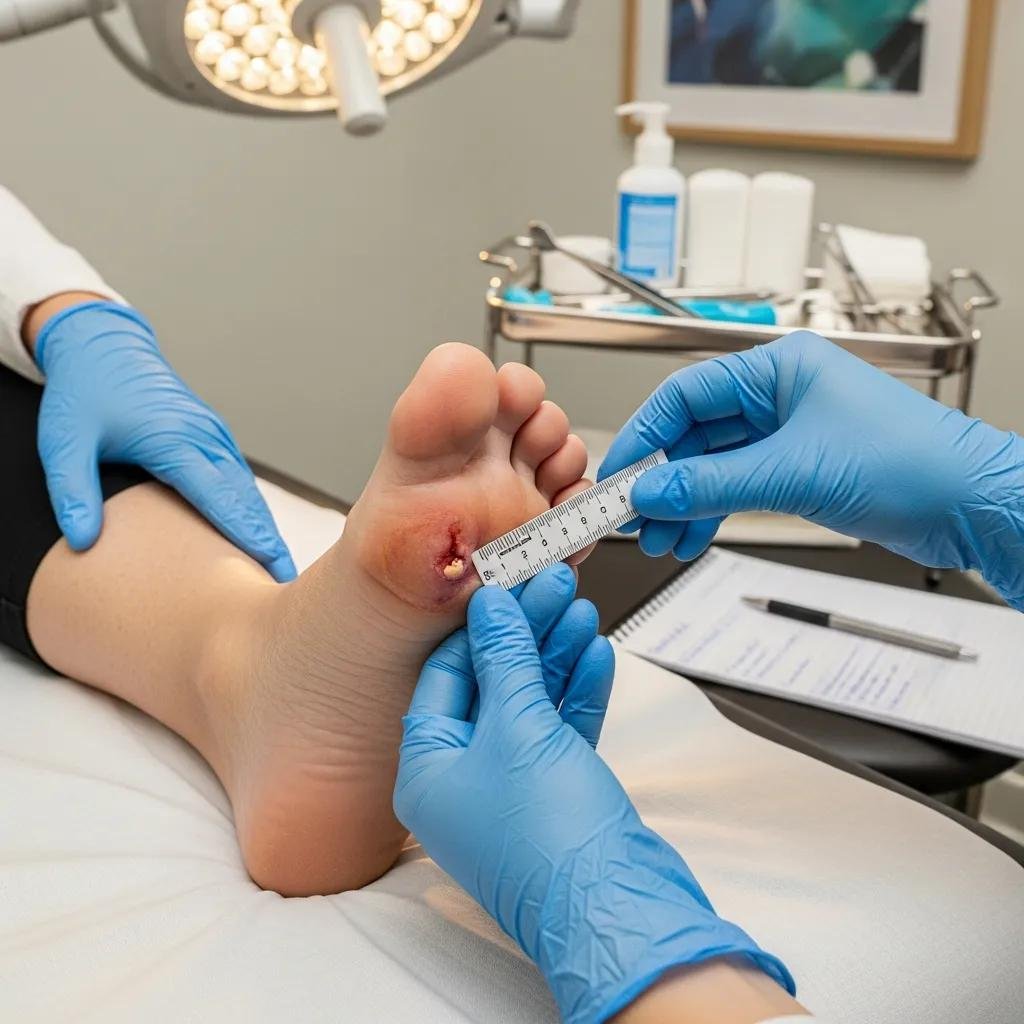
We measure the wound, note depth and tissue quality, check for infection, and review medications, blood sugar control, circulation, mobility, and social supports. That comprehensive view helps us identify obstacles to healing and choose the right interventions.
How is a personalized treatment plan developed for mobile wound care?
Your treatment plan combines clinical findings with your goals and daily routine. We select therapies—dressings, debridement, compression, offloading, or advanced biologics—then schedule follow-ups and teach home care to support steady progress.
Which chronic wounds are treated through mobile wound care?
Mobile wound care treats many chronic wound types, most commonly diabetic foot ulcers, pressure injuries, and venous leg ulcers. Each requires targeted strategies to heal and to prevent recurrence.
How are diabetic foot ulcers managed in a mobile care setting?
Diabetic foot ulcers are managed with regular assessment, cleaning or debridement, appropriate dressings, offloading (reducing pressure), and education on foot care and blood sugar control. In-home visits let us catch problems early and adjust treatment quickly.
What should patients know about treating pressure and venous leg ulcers at home?
Successful home care for pressure and venous ulcers depends on consistent dressing changes, positioning or compression therapy for venous disease, and watching for infection. Caregivers and family members often help with daily steps that keep wounds clean and supported.
What advanced regenerative treatments are available through mobile wound care?
We bring advanced regenerative options to the home, including skilled debridement, biologic dressings that support tissue growth, and portable negative pressure wound therapy. These tools help create the best possible environment for healing.
How do debridement and biologic dressings support healing?
Debridement removes dead or infected tissue so healthy tissue can grow. Biologic dressings—derived from natural matrices—act as scaffolds for new tissue and help keep the wound moist, which speeds recovery and reduces complications.
What is negative pressure wound therapy and how is it used at home?
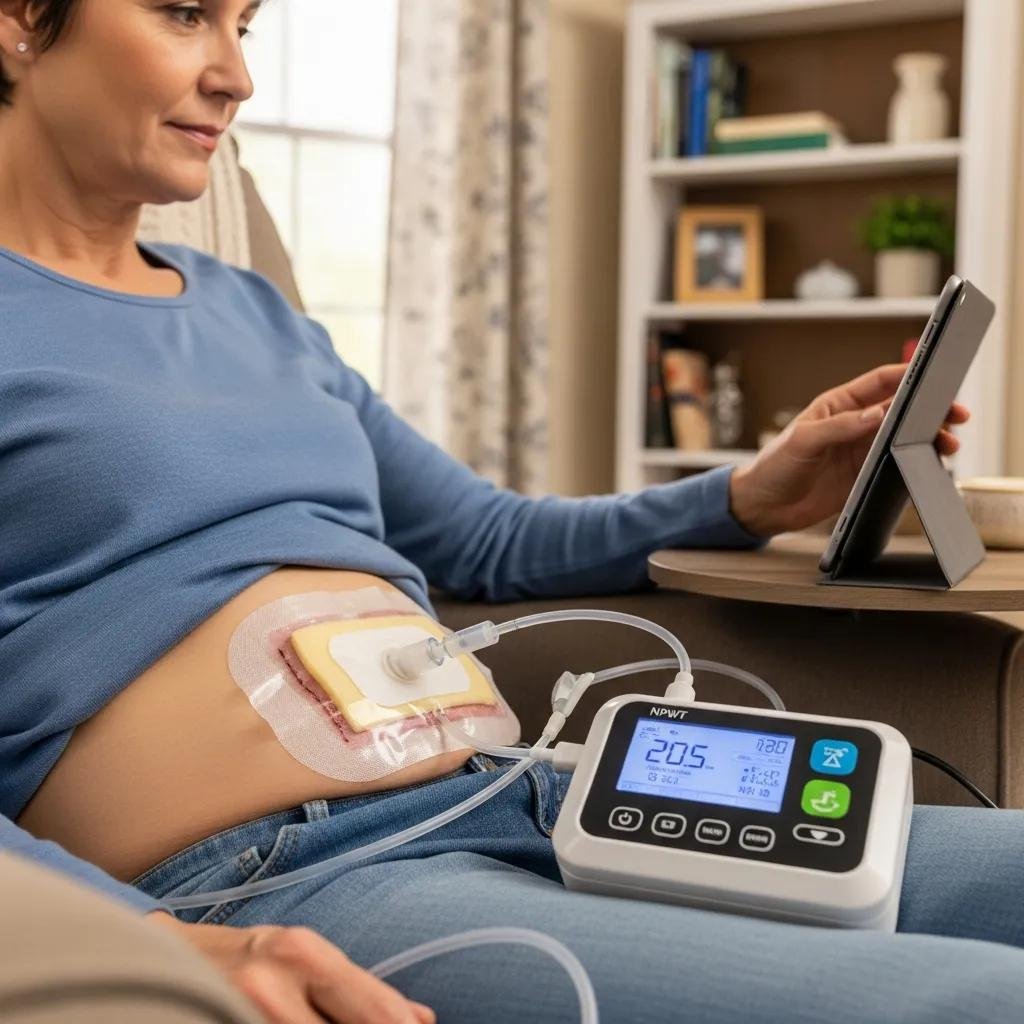
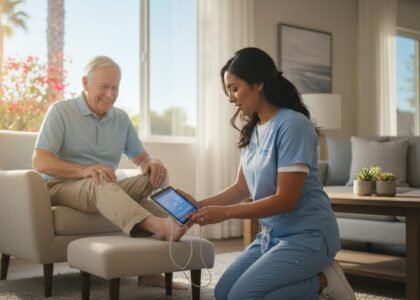
Negative pressure wound therapy (NPWT) uses a controlled vacuum to remove excess fluid, reduce swelling, and stimulate blood flow. Portable NPWT devices make this therapy practical at home, so patients get advanced care without frequent clinic trips.
Clinical evidence supports NPWT’s effectiveness for a range of chronic wounds and skin grafts.
Negative pressure wound therapy: mechanisms and clinical use
Negative pressure wound therapy (NPWT) helps healing by applying controlled suction across the wound surface. The system typically includes a foam or sponge, a semi‑occlusive dressing, and a fluid collection canister. NPWT works through several mechanisms — drawing off inflammatory fluids, providing tissue support, stabilizing the wound environment, and promoting micro‑deformation that encourages tissue growth. It has proven useful for diabetic foot ulcers, pressure injuries, chronic wounds, and skin graft management.
Negative pressure wound therapy: mechanism of action and clinical applications, T Safran, 2021
How are pain, infection, and healing timelines managed in mobile wound care?
Controlling pain, preventing infection, and tracking healing milestones are central to our approach. We tailor strategies to keep you comfortable, safe, and moving toward clear goals.
What pain management strategies are used during mobile wound care?
Pain control may include oral or topical medications, careful dressing techniques, and non‑drug measures like positioning and relaxation. Our goal is to minimize discomfort during treatment and support overall recovery.
How does mobile wound care prevent infection and track healing progress?
Our clinicians look for early infection signs and use evidence‑based measures to reduce risk. Regular assessments, wound photography, and clear progress markers let us intervene quickly if the wound stalls or changes.
How can patients and caregivers prepare for and support mobile wound care?
Preparation and active participation make a real difference. When patients and caregivers know what to expect and how to help, treatment is more effective and healing accelerates.
What education and training are provided to patients and caregivers?
We teach dressing techniques, infection warning signs, safe mobility and offloading, and how to follow the care plan. Education is practical, step‑by‑step, and designed so caregivers feel confident supporting daily needs.
How can caregivers assist with dressing changes and monitoring?
Caregivers can help by following written and demonstrated instructions, keeping supplies organized, and watching for increased redness, swelling, warmth, or unusual drainage. Promptly reporting concerns to the care team allows timely action.
| Treatment | Description | Benefits |
|---|---|---|
| Debridement | Removal of dead or infected tissue to expose healthy tissue | Clears barriers to healing and lowers infection risk |
| Biologic Dressings | Natural scaffolds that support new tissue growth | Maintains a moist, supportive environment for repair |
| Negative Pressure Wound Therapy | Vacuum-assisted dressing system that manages fluid and stimulates blood flow | Reduces edema, promotes perfusion, and accelerates closure |
To learn how to access these services or to discuss a specific wound, please contact Healix360. We’ll help you understand options and next steps.
Mobile wound care combines convenience with advanced, personalized treatment so patients can heal safely at home. Knowing what to expect helps you feel prepared and in control of the recovery process.
Frequently Asked Questions
What qualifications do mobile wound care professionals have?
Our team includes registered nurses, nurse practitioners, and wound care clinicians with focused training in wound management. Many hold certifications from recognized bodies such as the Wound, Ostomy and Continence Nursing Certification Board (WOCNCB). That expertise ensures care is both safe and evidence‑based.
How often should patients expect visits from mobile wound care providers?
Visit frequency depends on the wound and treatment needs. Early on, visits may be once or twice weekly for assessment and dressing changes. As healing progresses, visits typically become less frequent—moving to every other week or monthly for routine follow‑up.
Are mobile wound care services covered by insurance?
Coverage varies by plan and medical necessity. Many Medicare, Medicaid, and private plans cover mobile wound care, but specifics differ. Our team can help verify benefits and assist with claims to reduce administrative burden for you.
What types of technology are used in mobile wound care?
We use telehealth for virtual check‑ins, secure mobile apps for tracking wound progress, digital photography for documentation, and portable treatment devices like NPWT systems. These tools improve monitoring and let us make timely treatment decisions.
How can patients ensure they are receiving quality mobile wound care?
Ask about your provider’s credentials, experience with similar wounds, and the care plan. Open communication, measurable goals, and regular follow‑ups are good signs of high‑quality care. If something doesn’t feel right, speak up—your input matters.
What should patients do if they notice signs of infection during treatment?
If you see increased redness, swelling, warmth, more pain, or unusual discharge, contact your mobile wound care provider right away. Early reporting allows prompt assessment and treatment adjustments—sometimes including antibiotics—to prevent complications.
Conclusion
Mobile wound care gives patients access to specialized, evidence‑based treatments without leaving home. With personalized plans, advanced therapies, and hands‑on caregiver education, mobile care supports safer, faster healing. If you or a loved one could benefit from in‑home wound support, reach out to a mobile wound care provider to discuss next steps and create a plan tailored to your needs.