


Mobile Wound Care & Regenerative Treatments for Diabetic Foot Ulcers
Diabetic foot ulcers can quickly become serious without timely, focused care. This guide explains what causes these wounds, how modern treatments work, and why mobile wound care can be a better option for many patients. We cover the common causes, the benefits of bringing care to the home or facility, advanced and regenerative therapies, typical healing expectations, and practical steps patients and caregivers can take to support recovery.
What Are Diabetic Foot Ulcers and Their Common Causes?
A diabetic foot ulcer is an open sore on the foot that often develops when diabetes affects nerves and circulation. Loss of sensation and reduced blood flow make the feet vulnerable to pressure, injury, and poor healing. Knowing these underlying causes helps with prevention and choosing the right treatments to improve outcomes.
How Does Neuropathy Contribute to Diabetic Foot Ulcers?
Peripheral neuropathy damages the nerves in the feet and lowers sensation. When someone can’t feel a blister, cut, or pressure point, small injuries can go unnoticed and worsen. That’s why routine checks matter — a minor sore can become a deep ulcer without early intervention, increasing the risk of infection and other complications.
What Role Does Poor Circulation and Ischemia Play in Ulcer Development?
Reduced blood flow — often from peripheral arterial disease (PAD) — limits the oxygen and nutrients tissues need to heal. Ischemia can slow or stop healing and, in severe cases, lead to tissue loss. Treating circulation problems and protecting the wound are both essential parts of managing diabetic foot ulcers.
How Does Mobile Wound Care Improve Treatment for Diabetic Foot Ulcers?
Mobile wound care brings specialized clinicians and advanced treatments directly to a patient’s home or care setting. This model removes barriers like transportation and clinic mobility limits, enabling consistent follow-up and timely interventions that support better healing.
Growing patient demand for home-based services is driving new care models that combine in-person visits with digital tools to improve access and outcomes.
Digital Solutions for Mobile Home Wound Care
Background: Demand for home health and nursing visits has increased while many agencies face clinician shortages and operate below capacity, meeting only about 61%–70% of need and often declining wound care referrals. Integrating AI-powered digital wound care solutions (DWCSs) can help programs scale, improve monitoring, and identify risk earlier — strengthening clinical, operational, and economic performance.
Clinical, Operational, and Economic Benefits of a Digitally Enabled Wound Care Program in Home Health: Quasi-Experimental, Pre-Post Comparative Study, 2025
What Are the Benefits of Receiving Expert Wound Care at Home or Care Facilities?
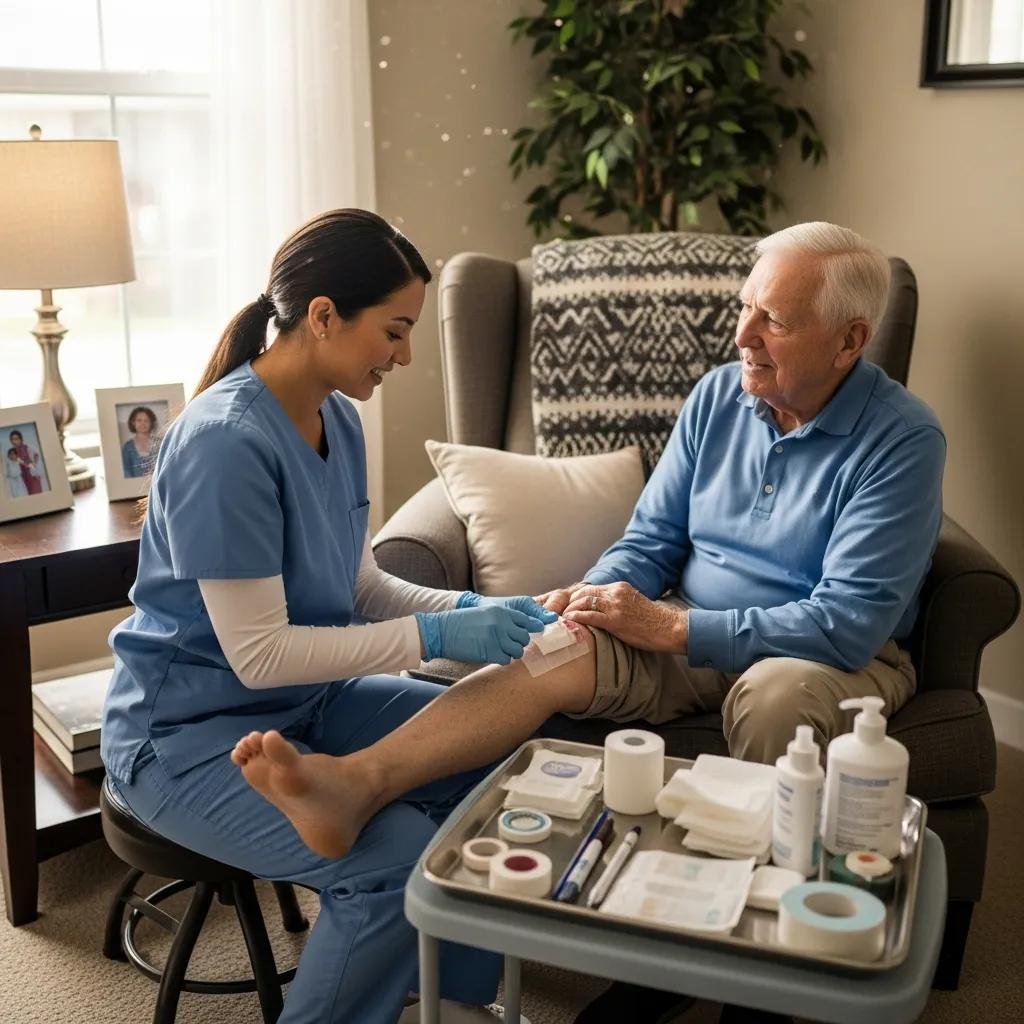
- Easier access to care
: Treatment happens where the patient is most comfortable, lowering stress and improving adherence. - Fewer hospital trips
: On-site visits reduce transportation needs and the burden of clinic appointments, which helps frail or less mobile patients. - Tailored treatment plans
: Mobile specialists customize therapies and follow-up to each patient’s health profile and living situation.
How Does Healix360’s Mobile Care Process Work from Assessment to Follow-Up?
Healix360
Advanced Mobile Wound Care Specialists use a step-by-step approach: an initial assessment to evaluate the wound and overall health, a personalized treatment plan that may include advanced or regenerative therapies, and scheduled follow-ups to track progress and adjust care. This continuous, coordinated model helps keep healing on track and gives patients and caregivers clear guidance at every step.
What Advanced Treatment Options Are Available for Diabetic Foot Ulcers?
Treatment for diabetic foot ulcers has advanced beyond basic dressings. Today’s options focus on removing barriers to healing, protecting the wound environment, and stimulating tissue repair — all aimed at reducing complications and speeding recovery.
How Does Debridement Promote Healing in Chronic Wounds?
Debridement removes dead, infected, or nonviable tissue to create a clean wound bed. That lets topical therapies work better and gives healthy tissue a chance to grow. Regular, appropriate debridement is linked to faster healing and fewer infections in chronic wounds.
What Are Biologic Dressings, Skin Substitutes, and Their Benefits?
Biologic dressings and skin substitutes mimic key properties of skin to protect the wound and encourage regeneration. They help retain moisture, reduce pain, and lower infection risk. Products made from collagen or amniotic tissue can support new tissue formation and are often useful when ulcers are slow to close.
| Treatment Type | Description | Benefits |
|---|---|---|
| Debridement | Removal of dead or nonviable tissue | Creates a healthy wound bed, lowers infection risk |
| Biologic Dressings | Materials that support natural healing | Keeps moisture balance, reduces pain |
| Skin Substitutes | Bioengineered layers to cover wounds | Encourages tissue regeneration, may shorten healing time |
These approaches, used alone or together, can improve healing rates and reduce complications for many patients with diabetic foot ulcers.
How Do Regenerative Therapies Accelerate Healing of Diabetic Foot Ulcers?
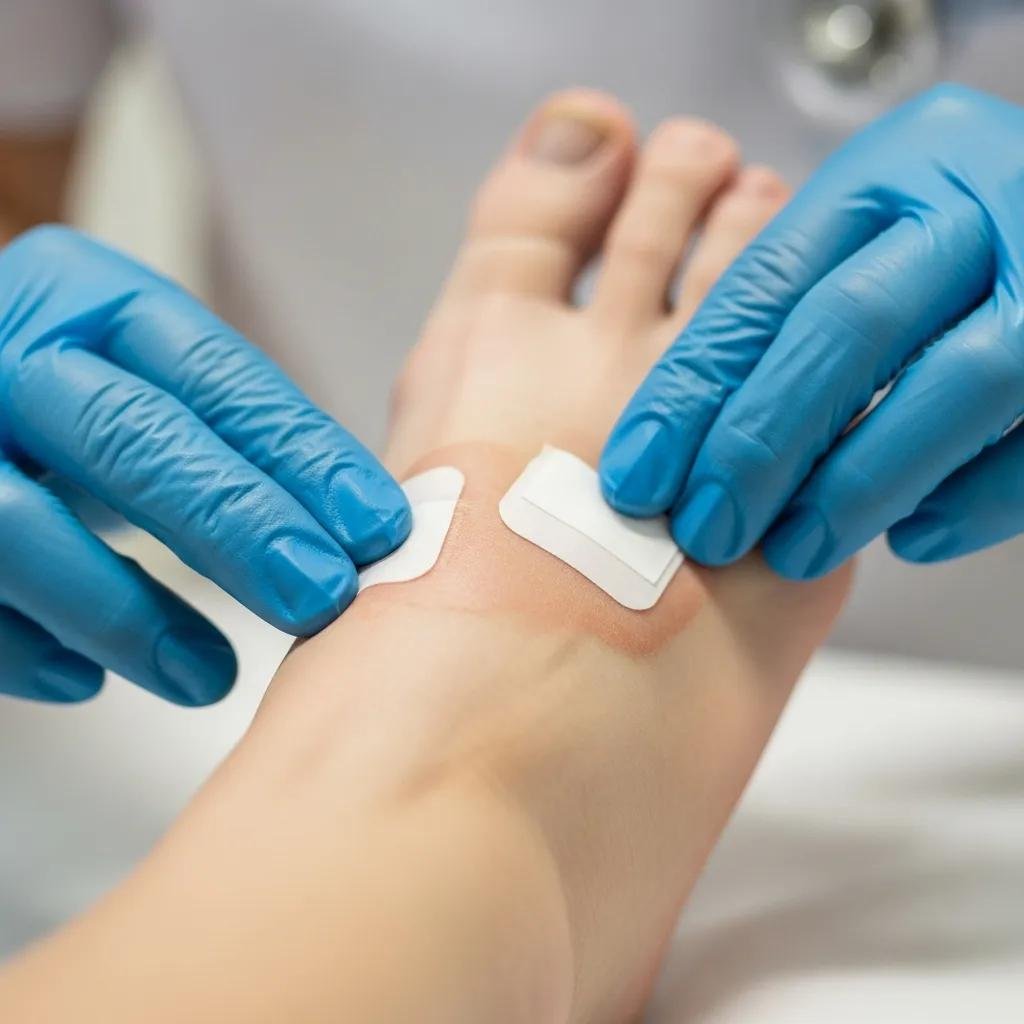
Regenerative therapies harness biological processes to rebuild tissue and restore the wound environment. They aim to stimulate new blood vessel growth, reduce inflammation, and provide scaffolding for tissue repair — all important when standard care alone may not be enough.
Researchers continue to explore multiple regenerative strategies to improve healing for persistent diabetic foot ulcers.
Advanced Regenerative Therapies for DFU Healing
Evidence supports use of certain placentally derived products and oxygen therapies for diabetic foot ulcers. Growth factors, bioengineered tissues, stem cell approaches, gene therapy, and peptide-based treatments also show promise in improving healing in selected cases.
Managing diabetic foot ulcers: pharmacotherapy for wound healing, 2021
What Is Stem Cell Therapy and Its Role in Wound Repair?
Stem cell therapy uses cells that can promote tissue repair and help build new blood vessels (angiogenesis). Early clinical and preclinical studies suggest stem cell treatments can speed healing and improve closure rates in some patients, though larger trials are still needed to define best practices and patient selection.
Ongoing research is clarifying where stem cell approaches add the most value in DFU care.
Stem Cell Therapy for Diabetic Foot Ulcers
Diabetic foot ulcers are a major driver of diabetes-related amputations and carry substantial treatment costs worldwide. These wounds arise from a mix of ischemia, infection, neuropathy, and metabolic issues that impair healing. Stem cell therapy has emerged as an interventional strategy with encouraging safety and efficacy signals in both preclinical and clinical studies.
Stem cell therapy for diabetic foot ulcers: a review of preclinical and clinical research, L Lopes, 2018
How Do Growth Factors and Amniotic Tissue Patches Support Tissue Regeneration?
Growth factors are signaling molecules that direct cell activity during healing; amniotic tissue patches deliver many of these factors while serving as a protective scaffold. Applied to chronic ulcers, they can speed tissue repair, improve closure rates, and reduce scarring in many patients.
What Are the Expected Healing Timelines and How Can Risks Be Reduced?
Healing times for diabetic foot ulcers vary widely. Factors such as wound size, depth, blood flow, infection status, and overall patient health all influence how quickly a wound will close. Clear expectations and close follow-up help identify setbacks early and keep healing on track.
What Factors Influence Healing Duration for Diabetic Foot Ulcers?
Several factors shape how long a diabetic foot ulcer will take to heal, including:
- Overall health and diabetes control
: Good blood sugar management, nutrition, and treating other medical issues support faster healing. - Wound characteristics
: Size, depth, and the presence of infection or dead tissue directly affect recovery time. - Adherence to care
: Following dressing, offloading, and follow-up instructions is critical for successful outcomes.
How Do Offloading Techniques and Infection Management Improve Outcomes?
Offloading reduces pressure on the ulcer using specialized shoes, casts, or devices, allowing tissue to repair. Controlling infection with appropriate antibiotics, wound care, and timely debridement prevents complications. Together, these measures significantly increase the chance of healing and lower the risk of serious outcomes.
How Can Patients and Caregivers Support Effective Diabetic Foot Ulcer Treatment?
Patients and caregivers are essential members of the care team. Daily attention, communication with clinicians, and following the treatment plan help protect the wound and speed recovery.
What Daily Foot Care and Prevention Strategies Should Be Followed?
Consistent foot care reduces the risk of ulcers and supports healing. Key steps include:
- Daily inspections
: Check feet every day for cuts, blisters, redness, or swelling and report changes promptly. - Proper footwear
: Wear well-fitting, supportive shoes with a wide toe box and replace worn footwear regularly to avoid pressure spots. - Blood sugar control
: Maintain stable glucose levels as part of your overall healing plan.
How Does Healix360 Support Patients and Caregivers Throughout Treatment?
Healix360
Advanced Mobile Wound Care Specialists offer hands-on care, patient and caregiver education, and coordinated follow-up to keep treatment consistent and accessible. We focus on clear instructions, practical support, and timely adjustments to the plan so patients get the best chance to heal.
Knowing how diabetic foot ulcers form and what treatments are available helps patients and caregivers make informed choices. With prompt care, good self-management, and close clinician support, many ulcers can heal and serious complications can be prevented.
Frequently Asked Questions
What are the signs and symptoms of diabetic foot ulcers?
Common signs include an open sore or wound, redness, swelling, drainage, or changes in skin color or temperature. Neuropathy can reduce pain, so regular inspections matter even when the foot feels normal. Early recognition and treatment reduce the risk of infection, deeper tissue involvement, and amputation.
How can nutrition impact the healing of diabetic foot ulcers?
Nutrition supplies the building blocks for tissue repair. Adequate protein, vitamin C, zinc, and overall calorie intake help wounds close. Good diabetes control through diet and medication also supports healing. Work with your clinical team or a dietitian to align nutrition with your treatment goals.
What role does patient education play in managing diabetic foot ulcers?
Education empowers patients to spot problems early, follow offloading and dressing instructions, and maintain blood sugar control. When patients understand why each step matters, adherence improves and outcomes follow. Ongoing coaching and clear materials from clinicians make a real difference.
Are there any specific footwear recommendations for individuals with diabetic foot ulcers?
Choose shoes that fit well, cushion the sole, and provide a roomy toe box. Breathable materials and removable insoles help reduce moisture and pressure. Custom orthotics or therapeutic footwear can redistribute pressure away from vulnerable areas. Never walk barefoot and inspect shoes for wear that could create hotspots.
How can caregivers assist in the treatment of diabetic foot ulcers?
Caregivers can help by performing regular foot checks, assisting with dressing changes, encouraging adherence to offloading and appointments, and watching for signs of infection. Communication with the clinical team is vital so any concerns are addressed quickly.
What are the potential complications of untreated diabetic foot ulcers?
Left untreated, ulcers can become infected, spread to deeper tissues or bone (osteomyelitis), lead to gangrene, and in extreme cases require amputation. Chronic ulcers also cause pain, reduced mobility, and a lower quality of life. Prompt, appropriate care greatly reduces these risks.
Conclusion
Managing diabetic foot ulcers well prevents complications and supports quality of life. Understanding causes, using evidence-based treatments, and leveraging mobile wound care when appropriate gives many patients a better path to recovery. If you or a loved one needs coordinated, expert wound care at home, connect with Healix360 to learn about personalized options and next steps.