

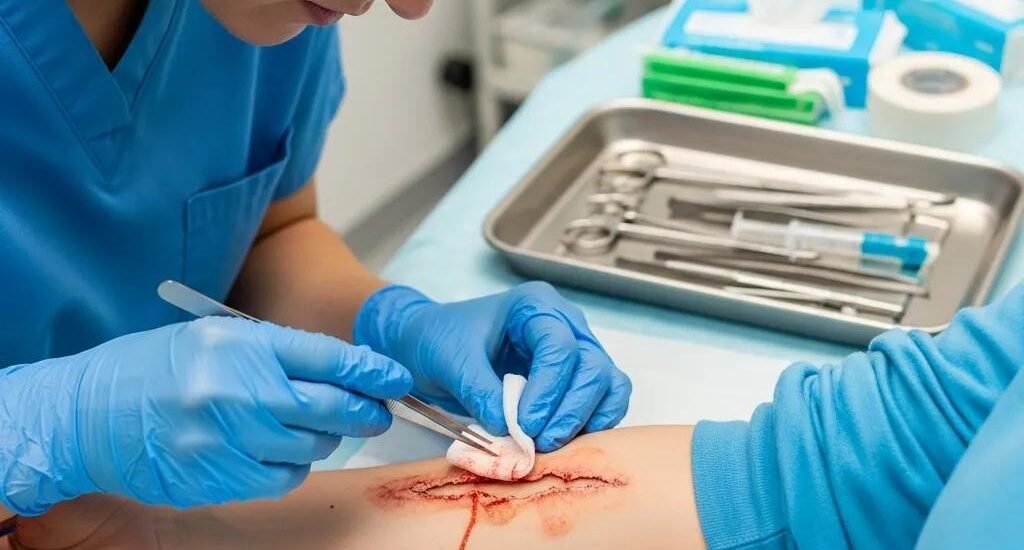
When to Seek Emergency Wound Care: Recognize urgent signs and choose the right care
Timely wound care prevents complications and speeds recovery. Knowing which signs need immediate medical attention helps you act quickly and avoid worse outcomes. This guide explains how to spot infected wounds, when to head to the emergency room, what safe at‑home steps you can take first, and how caregivers can monitor wounds. It also lays out how to pick between ER, urgent care, and mobile wound services so you get the right care, in the right place, at the right time.
What are the urgent symptoms that suggest an infected wound?
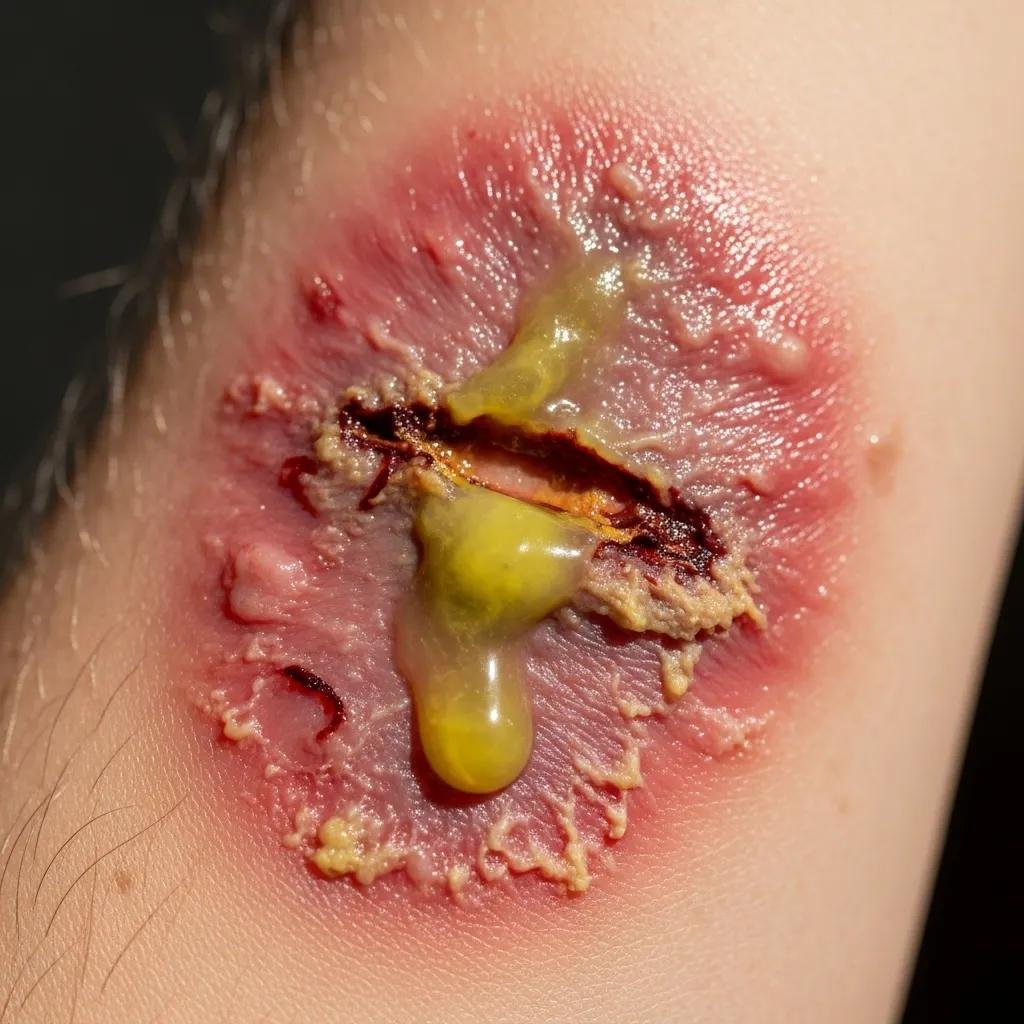
Early recognition of infection can prevent serious complications. If a wound shows growing redness, swelling, pus, or is accompanied by fever, treat it as potentially urgent. These signs can progress quickly — acting early improves the chance of a straightforward recovery.
Which infection signs need immediate attention?
Watch for these red flags that warrant prompt medical evaluation:
- Increasing redness or swelling: Spreading warmth, redness, or swelling around the wound often indicates inflammation that could be infectious.
- Pus or a foul smell: Thick discharge or an unpleasant odor usually means bacteria are present and the wound needs professional care.
- Fever or systemic symptoms: A fever, chills, or general malaise can mean the infection is moving beyond the wound — seek urgent assessment.
How do redness, swelling, pus, and fever indicate urgent care is needed?
Redness and swelling are local inflammatory signs; pus signals bacterial activity. Fever shows the body is mounting a systemic response. Together, these signs raise the risk of complications such as deeper tissue infection or sepsis, so prompt evaluation can prevent escalation.
Emergency Wound Care: Spot Infection Signs and Choose Treatment
Some wounds are life‑threatening and need the resources of an emergency department; others can be handled at urgent care or by mobile wound teams. Knowing how severe the injury is helps you choose the most appropriate setting for rapid, effective treatment.
What types of wounds and symptoms warrant an ER visit?
Seek emergency room care for wounds that include any of the following:
- Deep lacerations or puncture wounds: These can damage underlying structures and often need specialist evaluation.
- Large or deep burns: Extensive or third‑degree burns risk infection and fluid loss and require immediate attention.
- Uncontrolled bleeding: If direct pressure doesn’t stop the bleeding, go to the ER.
- Animal or human bites: These carry a high infection risk and may need antibiotics or surgical care.
- Visible bone, tendon, or muscle: Exposed deep structures require urgent professional repair.
How to tell life‑threatening wounds from those that can wait?
Assess the situation by checking for:
- Signs of shock or severe blood loss: Pale, clammy skin, fainting, rapid pulse, or heavy bleeding are emergencies.
- Wounds that can wait for urgent care: Small cuts or abrasions without heavy bleeding or deep tissue involvement often do fine at urgent care.
- Pain level and wound appearance: Severe, worsening pain or an unusual wound pattern may indicate a more serious problem and need a higher level of care.
What at‑home steps can help stabilize a severe wound before getting emergency care?

Some immediate measures can reduce risk while you arrange for professional care. These do not replace medical assessment but can stabilize the situation and limit further harm.
- First aid to control bleeding: Apply direct, steady pressure with a clean cloth and elevate the injured area above the heart if possible.
- When to escalate: Watch for worsening pain, growing redness, increased swelling, or new discharge — these mean you should seek medical care.
- Keep the wound clean and covered: Gently rinse with soap and water, dry, and apply a sterile dressing to reduce contamination.
How to manage bleeding, pain, and infection risk at home safely
Follow these practical steps:
- Firm pressure for bleeding: Use a clean cloth or sterile dressing and press firmly until bleeding slows.
- Sterile dressings to lower infection risk: Use clean, sterile materials and replace dressings if they become soaked or dirty.
- Close monitoring: Check the wound twice daily for increasing redness, warmth, swelling, or discharge, and get medical care if any of these appear.
When is home care not enough and urgent medical help is needed?
Go beyond home care when you notice:
- Ongoing bleeding or rising pain: If pressure doesn’t stop bleeding or pain escalates, seek immediate care.
- Infection that gets worse: If redness, swelling, or discharge increases despite home care, you need professional treatment.
- You can’t safely care for the wound: If the wound is complex or you have health issues that impair healing, get urgent medical attention.
What urgent wound care symptoms should prompt immediate action?
Knowing which symptoms require immediate response helps prevent complications. The following warrant a rapid plan for care and evaluation.
- Worsening pain or systemic signs: Increasing pain, fever, or feeling unwell can indicate spreading infection.
- Slow or stalled healing: If a wound shows no clear improvement after 1–2 weeks, have it evaluated.
- The caregiver’s role: Caregivers should report changes quickly and support prompt follow‑up care.
How to recognize worsening pain, systemic symptoms, and delayed healing
Take action if pain steadily increases, fever or chills develop, or the wound fails to shrink and close over one to two weeks. These are signs a professional review is needed to rule out infection or other complications.
What role do caregivers play in spotting urgent wound care needs?
Caregivers are often the first to notice changes. They should document changes in size, color, odor, drainage, and symptoms, communicate these observations to clinicians, and help the patient follow treatment plans and attend appointments.
How to use emergency wound care criteria to decide between ER, urgent care, or mobile wound care
Choosing the best care setting depends on wound severity, available services, and how quickly treatment is needed. Matching the situation to the right option ensures timely, appropriate care.
- Key decision factors: Consider how severe the wound is, whether there’s uncontrolled bleeding or exposed deep tissue, and how quickly you need care.
- Benefits of mobile wound care: Mobile teams, like those from Healix360, bring specialized chronic wound treatment to homes, assisted living, and skilled nursing facilities across Southern California — reducing travel and often preventing urgent episodes.
- When urgent care is appropriate: Urgent care handles non‑life‑threatening but time‑sensitive wounds that need prompt treatment without ER resources.
What factors guide the choice of care setting?
Decide based on:
- Wound severity: Life‑threatening signs require the ER; less severe, but urgent needs can be managed at urgent care or by a mobile team.
- Availability of mobile services: If mobile wound care is accessible, it can provide expert, timely follow‑up in a familiar setting.
- Wait times and care quality: Balance expected wait times with the level of care needed — ERs have broad capabilities but longer waits; urgent care is quicker for many non‑critical needs.
How Healix360’s mobile wound care helps prevent emergencies
Healix360 delivers timely, personalized wound care where patients live. By catching problems early and following structured treatment plans, our mobile teams reduce the chance that a manageable wound becomes an emergency — especially for people with chronic wounds or limited mobility. To get started, reach out via our contact page.
Recent research shows that digital and remote wound care models can ease pressure on emergency departments while improving timely access to treatment.
Digital wound care: reducing ED burden & improving access
ABSTRACT: Chronic wounds create significant cost and resource strain for health systems, often because patients receive care late and require longer hospital stays. In 2023, Sydney Local Health District launched the Wound Care Command Centre™, a digital pathway designed to speed access to wound specialists and reduce hospital burden. This cost‑consequence analysis compares healthcare use under the new model with standard practice after one year to quantify potential system savings.
| Service | What it is | Why it helps |
|---|---|---|
| Mobile Wound Care | Specialized in‑home treatment for chronic wounds | Brings expert care to the patient, lowering the need for ER visits |
| Urgent Care | Same‑day treatment for non‑life‑threatening wounds | Faster access for minor to moderate wounds with shorter waits |
| Emergency Room | Comprehensive care for life‑threatening or complex injuries | Full resources for severe bleeding, exposed deep tissue, or systemic threat |
The table compares common wound care options and their main benefits to help you choose the right path based on severity and urgency.
In short, recognizing when a wound requires emergency care — and knowing the alternatives — makes a real difference in outcomes. Use at‑home measures to stabilize injuries, seek ER care for life‑threatening signs, and consider mobile wound services like Healix360 for ongoing, personalized management that can prevent emergencies.
Frequently asked questions
What should I do if I think my wound is infected but it doesn’t look severe?
Clean the area gently with soap and water, apply a sterile dressing, and monitor closely for worsening redness, swelling, increasing pain, or discharge. Over‑the‑counter pain relievers can help control discomfort. If you don’t see improvement in 48–72 hours or the wound worsens, contact a clinician for evaluation.
How can I tell if a wound needs stitches?
Wounds with jagged edges, those deeper than about half an inch, or cuts that gape open often need stitches. Heavy bleeding that doesn’t stop with direct pressure is another sign. For wounds on joints or cosmetic areas, seek professional assessment to promote proper healing and reduce scarring.
What are the risks of delaying treatment for a severe wound?
Delaying care raises the risk of infection, prolonged healing, greater scarring, and in severe cases, systemic infection (sepsis) or loss of function. Prompt medical attention reduces these risks and supports better recovery.
What wound care items should I keep at home?
Keep a basic first aid kit stocked with sterile gauze pads, adhesive bandages, antiseptic wipes, antibiotic ointment, medical tape, and a pair of clean scissors. Also include pain relievers and fresh gloves. Store supplies in a clean, dry place and replace used or expired items.
How can I help a loved one with a chronic wound at home?
Assist with regular dressing changes, ensure the wound stays clean and dry, and help them follow the clinician’s care plan. Encourage a nutritious diet and mobility as recommended. Track wound changes and communicate concerns to their care team promptly.
What are the advantages of mobile wound care services?
Mobile wound care brings expert, individualized treatment to the patient’s home or facility, which reduces travel stress and can prevent avoidable ER visits. It’s particularly helpful for patients with mobility challenges or chronic wounds that need frequent follow‑up.
How should I prepare for an ER visit for a wound?
Gather your medical information: allergies, medications, and a brief timeline of how the wound happened and how it’s changed. If possible, avoid applying creams or complicated dressings that could interfere with assessment — a clean, covered wound is best. Bring someone to support you if you can.
Conclusion
Knowing when a wound is an emergency helps you get the right care fast. Look for spreading redness, pus, fever, uncontrolled bleeding, or exposed deep tissue — these need urgent attention. Use simple, safe first aid at home, and consider mobile wound care like Healix360 for ongoing management that can reduce emergencies. Stay informed, act promptly, and reach out to a provider when in doubt.