
How Mobile & Regenerative Wound Care Elevates Quality of Life
Chronic wounds can take a heavy toll — limiting movement, causing persistent pain, and affecting mood and social life. This article explains how coordinated mobile wound care and regenerative therapies can speed healing and restore everyday function. We cover the physical and emotional effects of chronic wounds, the advantages of at‑home care, the role of regenerative treatments, and practical tips patients and caregivers can use now.
The widespread impact of chronic wounds challenges patients and health systems alike and highlights the need for practical, forward‑looking solutions.
Mobile Apps for Chronic Wound Care & Quality of Life
ABSTRACT: Aging populations in industrialized countries are seeing more chronic wounds, which strains patient care systems. High therapy and staffing costs often limit access to appropriate treatment. Chronic wounds reduce quality of life and frequently require frequent therapy sessions and regular medical follow‑up. They also carry substantial economic costs, including hospital stays, personnel (wound care nurses, home health services, physicians, wound managers, day clinics), material expenses, and logistics such as medical transportation.
Patient-centered chronic wound care mobile apps: Systematic identification, analysis, and assessment, V Borst, 2024
How Do Chronic Wounds Affect Quality of Life?
Conditions like diabetic foot ulcers and pressure injuries can profoundly change daily life. Persistent pain and limited mobility make everyday tasks harder, while the long healing process often causes stress and emotional strain.
What Are the Physical and Emotional Impacts of Chronic Wounds?
Chronic wounds commonly cause ongoing pain, reduced mobility, and sleep disruption. The persistent nature of these wounds can trigger anxiety, depression, and a sense of helplessness. Research consistently shows lower quality‑of‑life scores among people with chronic wounds compared with those without them.
How Do Chronic Wounds Influence Daily Activities and Social Wellbeing?
Wounds that don’t heal easily can reduce independence: dressing, walking, and personal care may become harder. Many people withdraw from social activities because of pain, odor, or embarrassment, which in turn can harm emotional recovery and make self‑care more difficult.
What Are the Advantages of Mobile Wound Care for Patient Wellbeing?
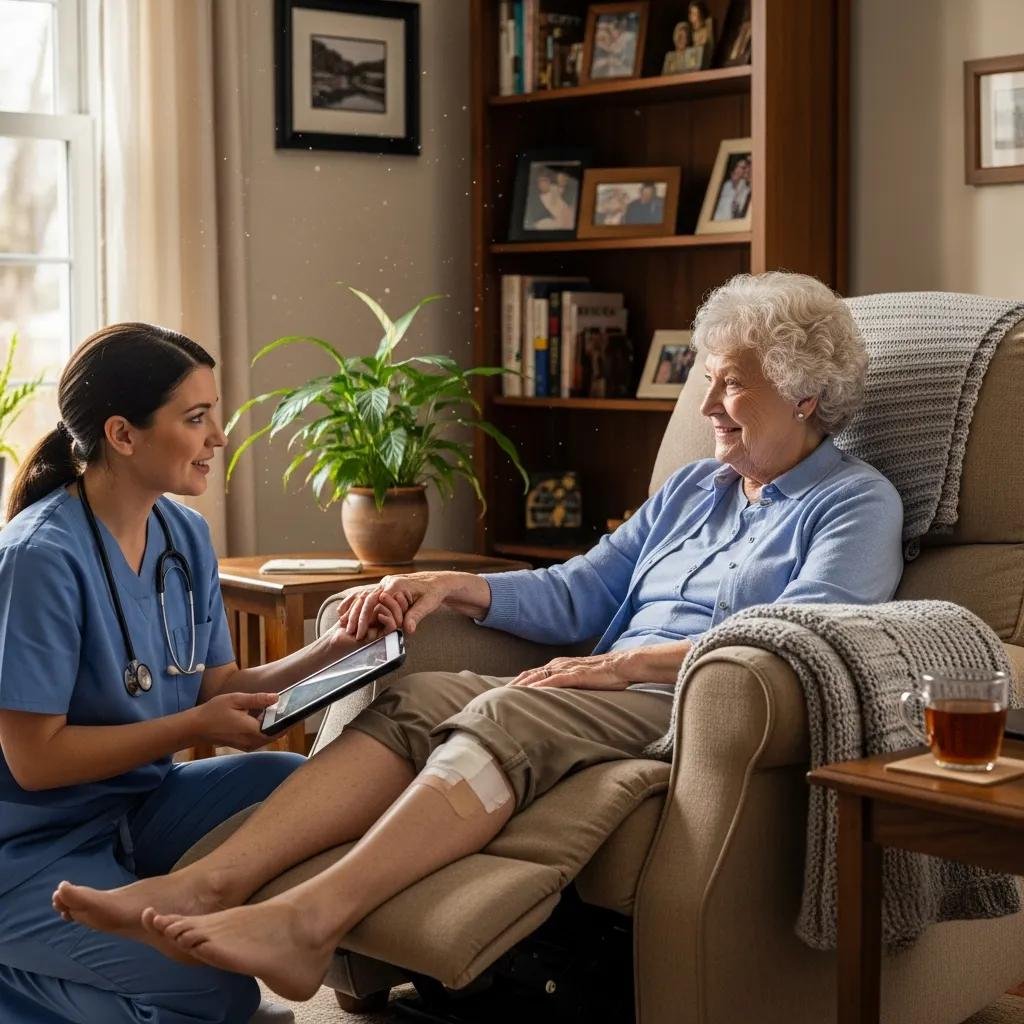
Mobile wound care brings expert treatment into the places people live and recover. That convenience reduces travel burden, lowers exposure to clinical settings, and helps clinicians tailor care to the person and their environment — all of which support better adherence and outcomes.
How Does At-Home Wound Care Improve Convenience and Comfort?
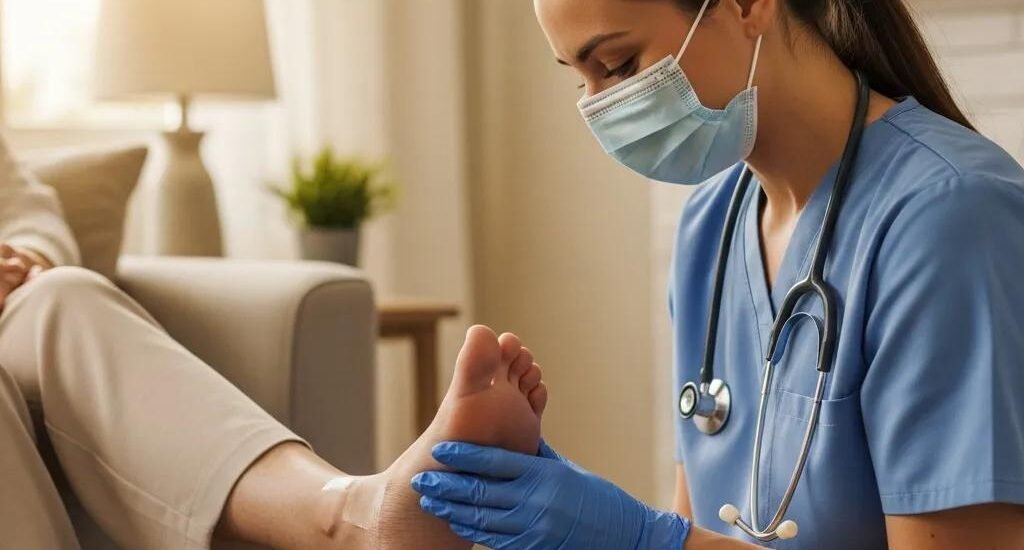
At‑home care removes the stress of transportation and unfamiliar clinics. Clinicians can assess the home environment, adapt plans for daily routines, and offer hands‑on education — making it easier for patients and caregivers to follow treatment and for healing to progress.
What Is the Patient Experience with Healix360’s Mobile Wound Care Services?
Healix360 — Advanced Mobile Wound Care Specialists deliver expert chronic wound treatment in homes, assisted living, and skilled nursing facilities. Care begins with a comprehensive assessment and a personalized plan. Regular visits, clear communication, and ongoing follow‑up ensure patients get consistent attention throughout their healing journey.
How Do Regenerative Wound Therapies Enhance Healing and Quality of Life?
Regenerative therapies — including certain stem cell approaches and modern biologics — aim to restore the tissue environment and kick‑start stalled healing. For many people with non‑healing wounds, these options can improve closure rates and reduce long‑term complications.
Emerging research continues to underscore the potential of advanced therapies to address the complex biology behind chronic wounds.
Stem Cell Therapies for Chronic Wound Regeneration
ABSTRACT: Impaired skin healing leads to chronic, non‑healing wounds driven by altered oxygenation, tissue injury, and permissive microbial growth. Standard treatments often fail to fully address the complex pathophysiology. Stem cell therapies have emerged as a possible option to promote skin regeneration through trophic and paracrine effects. This review examines current clinical literature on stem cell use for chronic, non‑healing wounds.
Role of stem cell therapies in treating chronic wounds: A systematic review, AC Raghuram, 2020
What Are the Benefits of Stem Cell and Biologic Treatments for Chronic Wounds?

Stem cell and biologic treatments can help when standard care stalls. They support tissue regeneration, reduce inflammation, and can improve wound closure in selected patients. Clinical evidence shows promising results for closure rates and patient satisfaction, though larger, standardized studies are still under way to define best practices.
Ongoing regenerative medicine research continues to expand the therapeutic options available for complex wounds.
Regenerative Medicine & Stem Cell Therapy for Chronic Wounds
Chronic wounds create sustained clinical and economic burdens, often persisting because of impaired angiogenesis, prolonged inflammation, and abnormal cellular activity. Emerging regenerative strategies — including stem cell therapy, growth factor modulation, and mechanical supports — offer clinically applicable options. In particular, mesenchymal stem cells (MSCs) and adipose‑derived stem cells (ASCs) show promise in promoting angiogenesis and modulating immune responses. These approaches mark a shift toward personalized, regenerative wound care.
Emerging Therapies in Chronic Wound Healing: Advances in Stem Cell Therapy,
Growth Factor Modulation, Mechanical Strategies and Adjuvant Interventions, 2025
How Does Negative Pressure Wound Therapy Support Faster Recovery?
Negative pressure wound therapy (NPWT) uses controlled suction to remove fluid, reduce edema, and encourage blood flow to the wound bed. Clinical data show NPWT can accelerate healing and lower infection risk, making it a key option for many chronic wounds.
How Can Patients and Caregivers Manage Chronic Wounds in Daily Life?
Successful wound management is a team effort. Patients and caregivers who understand available resources and simple daily practices can reduce complications and support steady healing.
What Resources Support Caregivers in Chronic Wound Management?
Caregivers benefit from clear educational materials, peer support groups, and reputable online forums. These resources provide practical tips, emotional backing, and guidance on wound dressing, monitoring, and communication with clinicians.
How Can Pain, Infection, and Complications Be Prevented Effectively?
Preventing pain and infection starts with regular wound checks, good hygiene, and sticking to the treatment plan. Watch for increased redness, swelling, warmth, or unusual discharge, and seek medical attention promptly if you see these signs. Early action reduces the chance of complications.
What Outcomes Demonstrate the Impact of Advanced Wound Care on Quality of Life?
Advanced wound care approaches have produced measurable benefits for many patients — faster healing, fewer complications, and improved daily function. Understanding these outcomes helps people and caregivers choose the right combination of services and therapies.
What Are the Proven Success Rates and Healing Timelines with Healix360?
Healix360 reports meaningful improvements for many patients within weeks of starting personalized mobile care combined with advanced therapies. While individual results vary, bringing specialty care to the home and applying evidence‑based regenerative options can shorten healing timelines and restore independence.
How Does Improved Wound Healing Restore Patient Mobility and Wellbeing?
As wounds close, pain and activity limitations generally decrease. That physical recovery often brings emotional benefits: better mood, increased social engagement, and a return to daily routines. Holistic wound care addresses both the wound and the person living with it.
| Treatment | How it works | Key benefits |
|---|---|---|
| Mobile Wound Care | At‑home assessment and treatment | More comfort, tailored plans, better adherence |
| Stem Cell Therapy | Promotes tissue regeneration | Can speed healing and improve outcomes in appropriate cases |
| Negative Pressure Therapy | Controlled suction to remove fluid and boost perfusion | Lower infection risk, faster recovery |
Combining mobile services with regenerative and advanced wound therapies shows a clear commitment to improving patient outcomes. By treating the medical issue and supporting the person’s daily life, these strategies can meaningfully improve quality of life for people with chronic wounds.
Frequently Asked Questions
What types of chronic wounds are most commonly treated with mobile wound care?
Mobile wound care typically treats diabetic foot ulcers, pressure injuries (pressure ulcers), venous leg ulcers, and non‑healing surgical wounds. These problems often need frequent monitoring and specialist input, which mobile teams are set up to provide.
How can patients find qualified mobile wound care providers?
Start with a referral from your primary care clinician or specialist. Look for providers with certification in wound care and check professional organizations like the Wound Healing Society. Online directories and local health departments can also point to reputable services; always verify credentials and experience before scheduling care.
What role do caregivers play in the management of chronic wounds?
Caregivers help with daily dressing changes, monitoring for infection, keeping appointments, and encouraging adherence to care plans. They also offer emotional support and help communicate changes to clinicians — all critical to good outcomes.
Are there any lifestyle changes that can help improve wound healing?
Yes. A balanced diet rich in protein, vitamin C, and zinc supports tissue repair. Staying hydrated, quitting smoking, controlling blood sugar for people with diabetes, and gentle activity to improve circulation all aid healing.
What should patients do if they notice signs of infection in their chronic wounds?
If you see growing redness, swelling, warmth, increased pain, a change in discharge, or fever, contact your healthcare provider right away. Early evaluation and treatment are key to preventing complications.
How do mobile wound care services ensure continuity of care?
Mobile teams ensure continuity through scheduled follow‑ups, detailed treatment records, and coordination with the broader healthcare team. Clear documentation and communication help adjust care quickly when a wound changes.
Conclusion
When mobile wound care is paired with regenerative and advanced therapies, many people see faster healing and a measurable improvement in daily life. These approaches treat the wound and support the person behind it — helping restore independence and wellbeing. Learn how our specialized wound care services can support your healing journey today.