

Wound Care Documentation: How Accurate Records Improve Healing and Keep Patients Safe
Clear, consistent wound care documentation is more than paperwork — it’s a clinical tool that supports healing and protects patients. This guide explains why accurate records matter, how they shape treatment decisions, and the legal protections they provide. When documentation is incomplete or inconsistent, care can be delayed and outcomes can suffer. By learning the key elements of wound charting and best documentation practices, clinicians and caregivers can improve healing, maintain compliance, and reduce avoidable risks. Below we cover assessment essentials, legal considerations, digital tools, and common questions from patients and families.
What Is Wound Care Documentation and Why Is It Important?
Wound care documentation is the structured recording of wound assessments, treatments, and the patient’s response over time. It creates continuity across care teams, clarifies clinical decisions, and preserves a legal record of the care provided. Well-kept notes make it easier to spot changes, guide treatment adjustments, and keep everyone — patient and provider — aligned on the plan.
Clinical evidence highlights the value of consistent, detail-oriented wound documentation, especially for chronic wounds.
Essential Wound Documentation for Chronic Wound Management
Chronic wounds demand frequent observation and careful record-keeping by a trained clinician. While repetitive, consistent documentation underpins chronic wound care: treatment schedules, follow-ups, and care plans all depend on accurate entries. Key wound details—location, depth, size, edge characteristics, and the condition of surrounding skin—are routinely recorded, though the level of detail can vary across practice settings.
Wound image quality from a mobile health tool for home-based chronic wound management with real-time quality feedback: randomized feasibility study, J Zhang, 2021
Good documentation practices are integral to effective care. At Healix360, our Advanced Mobile Wound Care Specialists prioritize clear, comprehensive records so we can deliver timely, coordinated treatment wherever a patient lives — from a private home to assisted living. Learn more through our advanced mobile wound care services.
What Key Elements Are Included in Wound Care Charting?
- Wound Type: Identify the wound category—surgical, pressure, diabetic ulcer, etc.—so treatment matches the underlying cause.
- Measurement Details: Record precise size, depth, and drainage characteristics to track progress and response.
- Treatment History: Note previous dressings, medications, and patient reactions to inform ongoing care decisions.
Capturing these essentials ensures a reliable clinical record that supports safe, effective treatment planning and follow-up.
How Does Accurate Documentation Support Patient Healing?
Accurate notes create a timeline of change. When every assessment, dressing change, and clinical decision is recorded, providers can spot trends and tailor interventions sooner. Research links thorough documentation with faster, more consistent healing because it enables timely adjustments and clearer team communication. In short: better records = better care.
Healix360’s focus on meticulous documentation is part of our broader commitment to high-quality care — helping patients move through recovery with fewer setbacks. Read about our approach on the Healix360 About page.
How Does Proper Wound Assessment Documentation Improve Treatment Outcomes?
Detailed assessment notes help clinicians identify when a wound is improving, stalling, or getting worse. That insight drives timely changes in therapy, referral decisions, and escalation when needed. When providers rely on consistent documentation, treatment becomes more targeted and outcomes improve.
What Are the Best Practices for Wound Measurement and Recording?
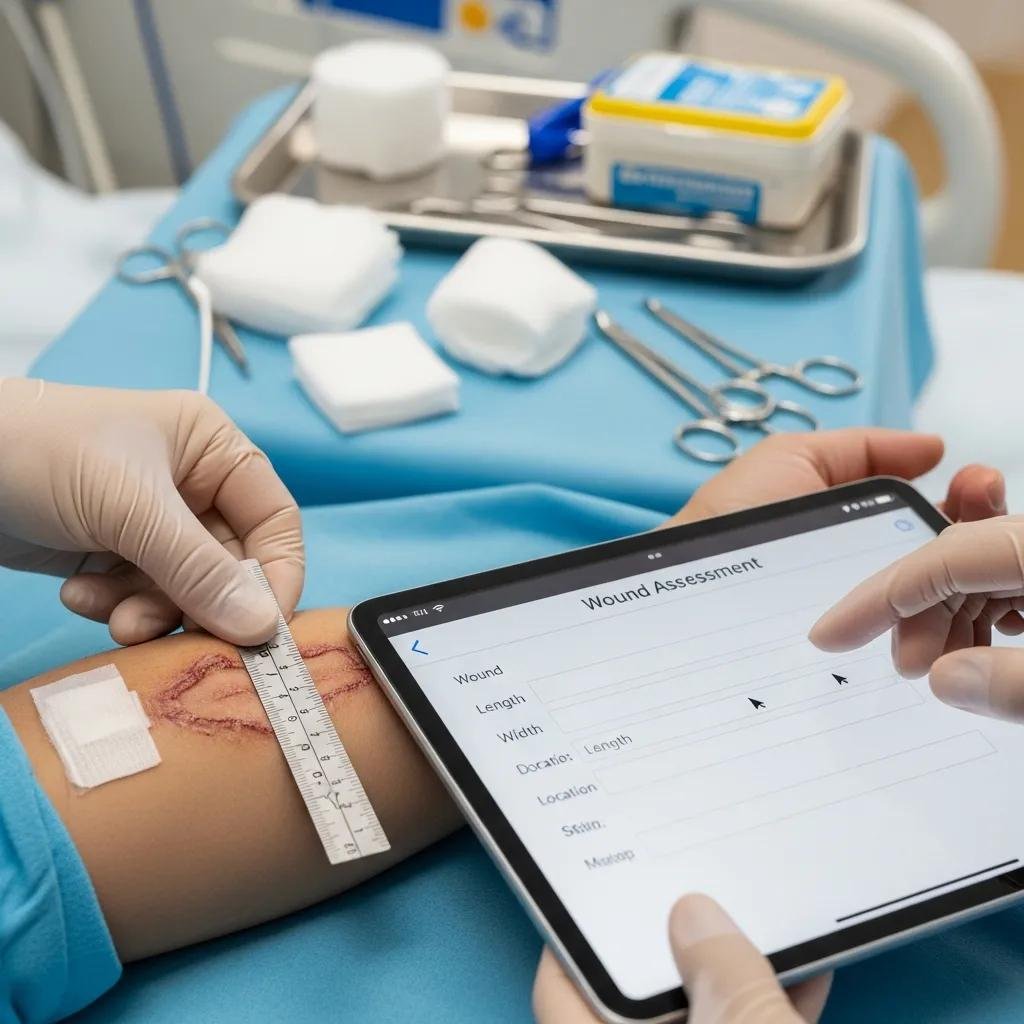
- Standardized Methods: Use the same measurement technique each time to ensure reliable comparisons between visits.
- Technology Use: Digital tools and imaging increase precision and make records easier to share across the care team.
- Patient Feedback: Encourage patients to report pain, odor, or changes between visits — that information belongs in the chart.
Following these practices creates a comprehensive picture of a wound’s trajectory and supports smarter clinical decisions.
How Can Patients and Caregivers Participate in Documentation Review?

- Communicating with Providers: Share observations and concerns openly so the record reflects the patient’s full experience.
- Understanding Records: Ask providers to explain entries and what they mean for day-to-day care.
- Feedback Mechanisms: Use available channels to report issues or progress — those updates help shape the care plan.
When patients and caregivers are engaged, documentation becomes a shared tool that empowers better outcomes.
What Are the Legal Implications of Wound Care Documentation?
Accurate wound records are a cornerstone of professional practice and legal protection. Thorough documentation demonstrates that care met accepted standards and provides an objective account if questions arise. Conversely, gaps or inaccuracies can increase legal and regulatory risk.
How Does Documentation Help Avoid Malpractice and Litigation?
Well-documented care shows what was assessed, when interventions occurred, and how the patient responded. In disputes, those records are essential evidence that appropriate steps were taken. Avoiding common documentation errors — omissions, vague notes, or inconsistent measurements — reduces exposure to malpractice claims.
What Compliance Standards Must Wound Records Meet?
- HIPAA: Protect patient privacy in every record and communication.
- CMS Guidelines: Follow Centers for Medicare & Medicaid Services rules for documentation and billing accuracy.
- State Regulations: Meet any state-specific requirements for medical records and wound care practice.
Adhering to these standards preserves patient rights and helps providers remain compliant with legal and reimbursement expectations.
How Are Digital Wound Care Records Transforming Mobile Wound Documentation?
Digital records are changing how wound care is documented and shared, especially for mobile teams. Real-time entries, photos, and EHR integrations speed communication, reduce transcription errors, and keep everyone on the same page across settings.
What Role Do Digital Imaging and EHR Integration Play in Documentation?
- Enhancing Accuracy: High-quality images create an objective visual record to supplement written notes.
- Streamlining Processes: EHR integration ensures documentation flows smoothly between providers and care sites.
- Patient Engagement: Digital access lets patients see their care plan and understand progress between visits.
These tools help teams deliver coordinated, evidence-based wound care more efficiently.
How Does Mobile Wound Care Benefit from Real-Time Documentation Updates?
- Immediate Access to Records: Clinicians in the field can view the latest notes and images before each visit.
- Improved Communication: Real-time updates keep multidisciplinary teams informed and aligned.
- Enhanced Patient Care: Faster access to accurate information enables quicker treatment adjustments when needed.
This responsiveness is especially valuable for patients receiving care at home or in long-term care settings.
What Common Concerns Do Patients and Caregivers Have About Wound Documentation?
Patients and caregivers often worry about privacy, clarity of medical language, and how documentation affects care decisions. Addressing these concerns directly helps build trust and encourages active participation in the care process.
How Is Patient Privacy Protected in Wound Care Records?
- HIPAA Compliance: Systems and processes protect patient information from unauthorized access.
- Patient Rights: Patients have clear rights to view and request corrections to their records.
- Data Security: Encryption and access controls help guard electronic records against breaches.
These safeguards are standard practice to protect patients and maintain confidentiality.
How Can Complex Medical Terms Be Simplified for Better Understanding?
- Providing Clear Definitions: Clinicians can explain terms in plain language alongside clinical notes.
- Using Visual Aids: Photos, diagrams, and annotated images clarify what’s being described.
- Encouraging Questions: Invite patients and caregivers to ask for clarification whenever something is unclear.
Clear communication improves engagement and helps patients follow care plans more confidently.
Frequently Asked Questions
What are the benefits of using digital tools for wound care documentation?
Digital tools improve precision, speed, and coordination. They let clinicians capture photos and measurements, update notes in real time, and share information across the care team. That reduces errors, shortens response times, and supports better-informed treatment choices.
How can patients ensure their wound care documentation is accurate?
Be proactive: share symptoms or changes between visits, ask to review notes, and report any discrepancies you find. Clear, ongoing communication with your clinician helps keep the record accurate and useful.
What training do healthcare providers receive for effective wound care documentation?
Providers learn charting fundamentals during clinical training and often receive additional instruction in standardized measurement methods, documentation standards, and the use of digital tools. Ongoing education and auditing help keep skills current.
What challenges do healthcare providers face in maintaining accurate wound care records?
Busy schedules, inconsistent practices across providers, and limited training on new technologies can all create documentation gaps. Addressing these challenges requires standardized protocols, practical training, and user-friendly tools.
How can wound care documentation impact insurance reimbursement?
Insurers require detailed records to verify medical necessity. Complete, accurate documentation supports timely claims and reduces the chance of denials or delays. Clear records also help justify the level and duration of care provided.
What role does patient education play in wound care documentation?
Patient education improves the accuracy and usefulness of documentation. When patients understand their condition and how to report changes, they contribute meaningful information that informs care and improves adherence to treatment plans.
Conclusion
Accurate wound care documentation is a practical, clinical safeguard: it improves communication, supports better treatment decisions, and protects both patients and providers. When clinicians, patients, and caregivers work together to maintain clear records, recovery is more predictable and care is safer. To see how our team applies these principles in practice, discover our advanced mobile wound care services and how we can support your healing journey.