
Wound Care Products — A Practical Guide to Advanced Mobile Healing
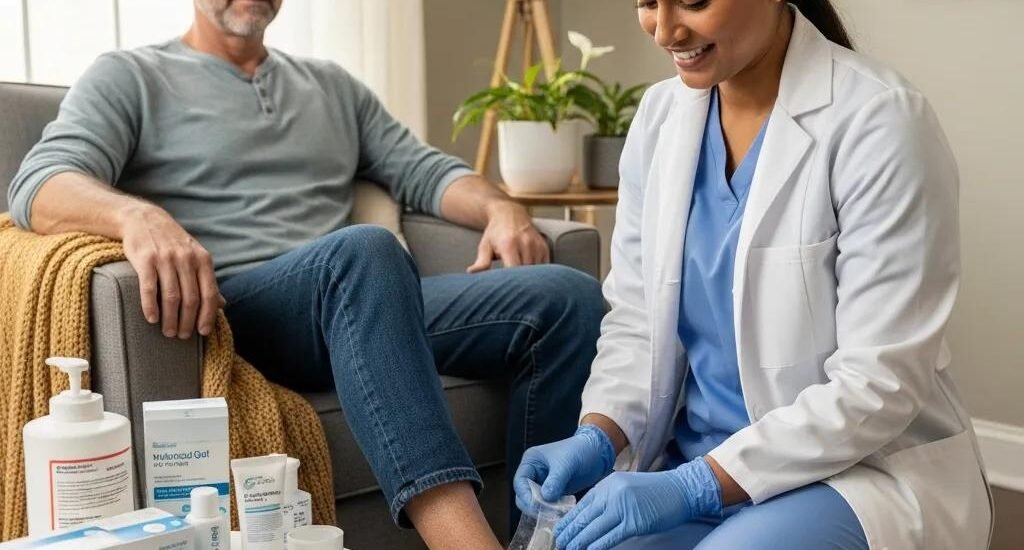
Chronic wounds require focused care, and the right products can make a measurable difference in recovery. This guide walks through common wound types, the stages of healing, and the advanced products that support each phase — all with an eye toward mobile, at‑home care. You’ll get practical explanations of how different therapies work, when they’re used, and how mobile wound care teams — like those at Healix360 — bring these treatments to patients where they live. Our goal is to help patients, caregivers, and clinicians understand options so they can choose the safest, most effective path to healing.
What Are the Types of Chronic Wounds and Their Characteristics?
We call a wound chronic when it does not follow the normal healing timeline — typically persisting longer than four weeks. Chronic wounds stem from underlying health issues such as diabetes, poor circulation, or sustained pressure. Knowing the common types and their traits helps guide treatment choices and improves outcomes.
How Do Diabetic Foot Ulcers, Pressure Ulcers, and Venous Leg Ulcers Differ?
Diabetic foot ulcers, pressure ulcers, and venous leg ulcers are frequent causes of prolonged wound care and each behaves differently. Diabetic foot ulcers often arise from neuropathy and reduced blood flow, increasing infection risk. Pressure ulcers (bedsores) form where sustained pressure damages skin and underlying tissue, common in patients with limited mobility. Venous leg ulcers result from poor venous return, causing skin breakdown typically around the lower leg. Each condition needs a tailored approach that addresses the root cause as well as the wound itself.
What Are the Key Features of Non-Healing and Arterial Wounds?
Non‑healing wounds are those that stall because of factors like infection, inadequate perfusion, or systemic disease. Arterial wounds specifically reflect poor arterial blood flow and often present with pain, pale or cool skin, and slow healing. Identifying these signs early helps clinicians select appropriate interventions — for example, improving blood flow in arterial disease or addressing infection in stalled wounds.
What Are the Stages of Wound Healing and Which Products Support Each Phase?
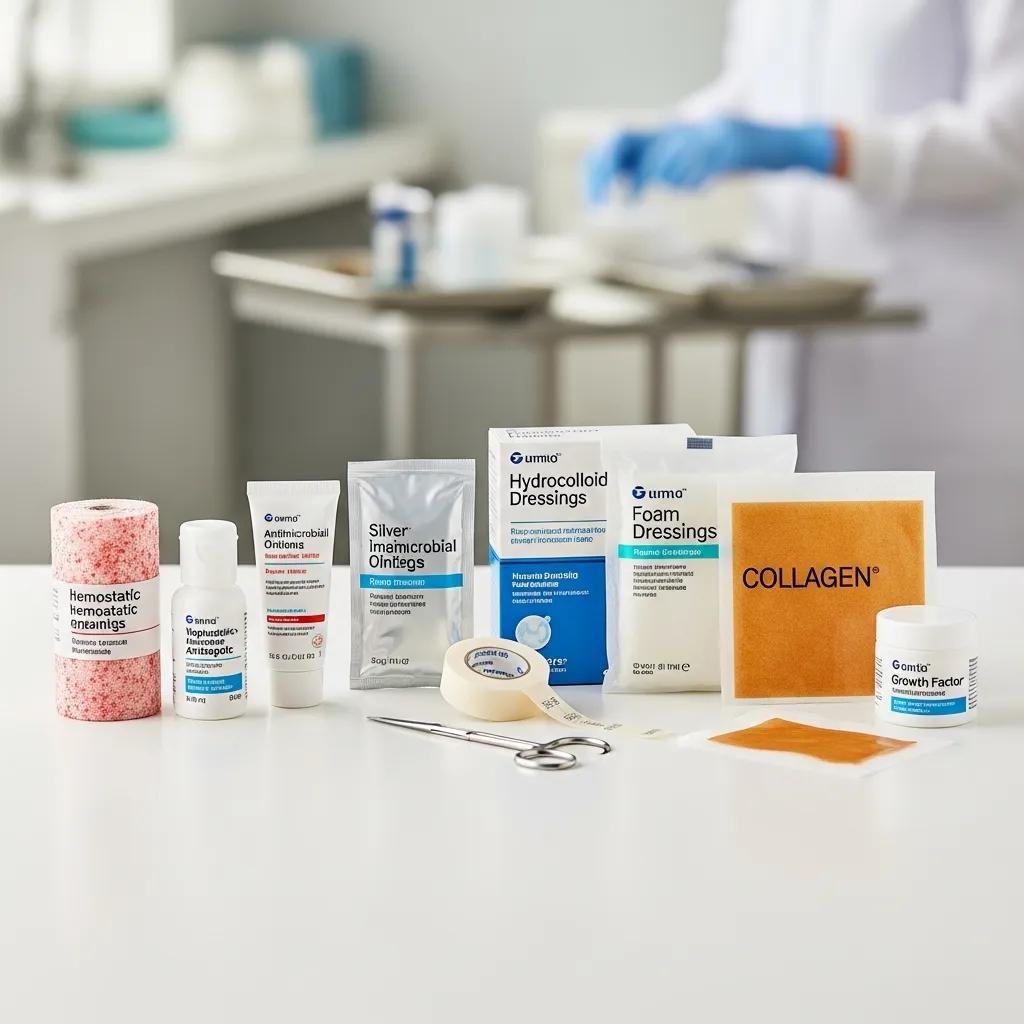
Healing progresses through hemostasis, inflammation, proliferation, and remodeling (maturation). Each stage has different priorities — stopping bleeding, preventing infection, building new tissue, and strengthening the repair — and products should be chosen to support those priorities.
How Do Hemostasis and Inflammation Stages Influence Product Selection?
Hemostasis focuses on stopping blood loss; hemostatic dressings and gentle compression are useful here. During inflammation, preventing or managing infection is paramount — clinicians rely on cleansing agents and antimicrobial dressings to keep the wound bed clean while the immune system does its work. Matching the product to the biological stage reduces complications and keeps healing on track.
Which Advanced Products Aid Proliferation and Maturation Phases?
In proliferation, the wound rebuilds with new tissue and blood vessels; products that provide a scaffold or growth support — such as collagen‑based therapies and biologic dressings — can accelerate tissue formation. During remodeling, dressings that protect the area and offload stress help the repair mature into durable skin. Advanced therapies are chosen to encourage cell activity and improve the long‑term quality of the healed tissue.
Which Advanced Wound Care Products Promote Regenerative Healing?
Regenerative approaches aim not just to close a wound but to restore tissue function and structure. Several advanced options are designed specifically for that goal.
How Do Biologic Dressings and Skin Substitutes Accelerate Tissue Regeneration?
Biologic dressings and engineered skin substitutes provide a biological matrix that supports cell attachment and growth. Derived from human or animal sources or manufactured synthetically, these products protect the wound while supplying signals and structural support that speed tissue formation. Clinical experience shows they can shorten time to closure and improve the durability of the healed area.
What Roles Do Growth Factors and Collagen Dressings Play in Healing?
Growth factors drive cells to migrate and multiply, and collagen dressings act as a framework for new tissue. Used appropriately, these products can improve healing rates and the quality of the repair. They’re typically selected based on wound type, patient health status, and the stage of healing to maximize benefit.
How Does Negative Pressure Wound Therapy Enhance Mobile Wound Care?
Negative Pressure Wound Therapy (NPWT) applies controlled suction to the wound bed to remove excess fluid, reduce swelling, and stimulate healthy granulation tissue. Portable NPWT systems make this effective therapy available outside the clinic, supporting continuous treatment in home settings.
Research explains how NPWT creates a favorable wound environment that supports cellular repair and tissue growth.
Portable NPWT for Home Wound Healing
Negative pressure wound therapy (NPWT) uses subatmospheric pressure applied to the wound bed to create a microenvironment that supports cell proliferation and migration and promotes wound healing.
Using portable negative pressure wound therapy devices in the home care setting, JR Burke, 2014
What Are the Benefits and Application Methods of NPWT Devices at Home?
Portable NPWT systems are designed for safe, ongoing use at home. They typically involve a sealed dressing connected to a small vacuum pump that maintains controlled negative pressure. Benefits include reduced clinic visits, continuous therapy, and improved wound management — all of which can lead to faster closure and fewer complications when used under clinical supervision.
A systematic review summarizes best practices and outcomes for portable NPWT in home care.
Chronic Wound Care with Portable NPWT
Negative pressure wound therapy (NPWT) is applied by placing a foam or gauze dressing in the wound, sealing it with an adhesive film, and connecting it to a small, battery‑powered vacuum pump that delivers controlled negative pressure to the wound bed. This setup helps promote cell proliferation and migration while reducing edema.
Negative pressure wound therapy technologies for chronic wound care in the home setting: a systematic review, 2015
How Does NPWT Accelerate Wound Closure Compared to Traditional Methods?
Compared with standard dressings, NPWT encourages a moist, well‑perfused wound environment and assists in removing excess fluid and infectious material. Studies show NPWT can shorten healing time and lower complication rates in many chronic wounds, particularly when combined with appropriate debridement and infection control.
What Infection Management Products Are Essential for Chronic Wound Care?
Preventing and treating infection is a cornerstone of chronic wound management. A range of products exists to reduce bioburden and protect the wound while healing progresses.
How Do Antimicrobial Dressings and Wound Cleansers Prevent Complications?
Antimicrobial dressings and cleansing solutions reduce microbial load and help maintain a clean wound bed. When used correctly, they limit bacterial growth, lower infection risk, and create conditions that support tissue repair. Regular assessment ensures the product choice remains appropriate as the wound evolves.
When Should Silver Dressings and Other Antimicrobials Be Used?
Silver dressings and similar antimicrobials are helpful for wounds at higher risk of infection or those showing signs of colonization. Because some antimicrobial dressings are best used short‑term, clinicians typically apply them strategically — to manage infection risk while monitoring response and adjusting therapy as needed.
How Does Healix360’s Mobile Wound Care Model Deliver Advanced Products at Home?
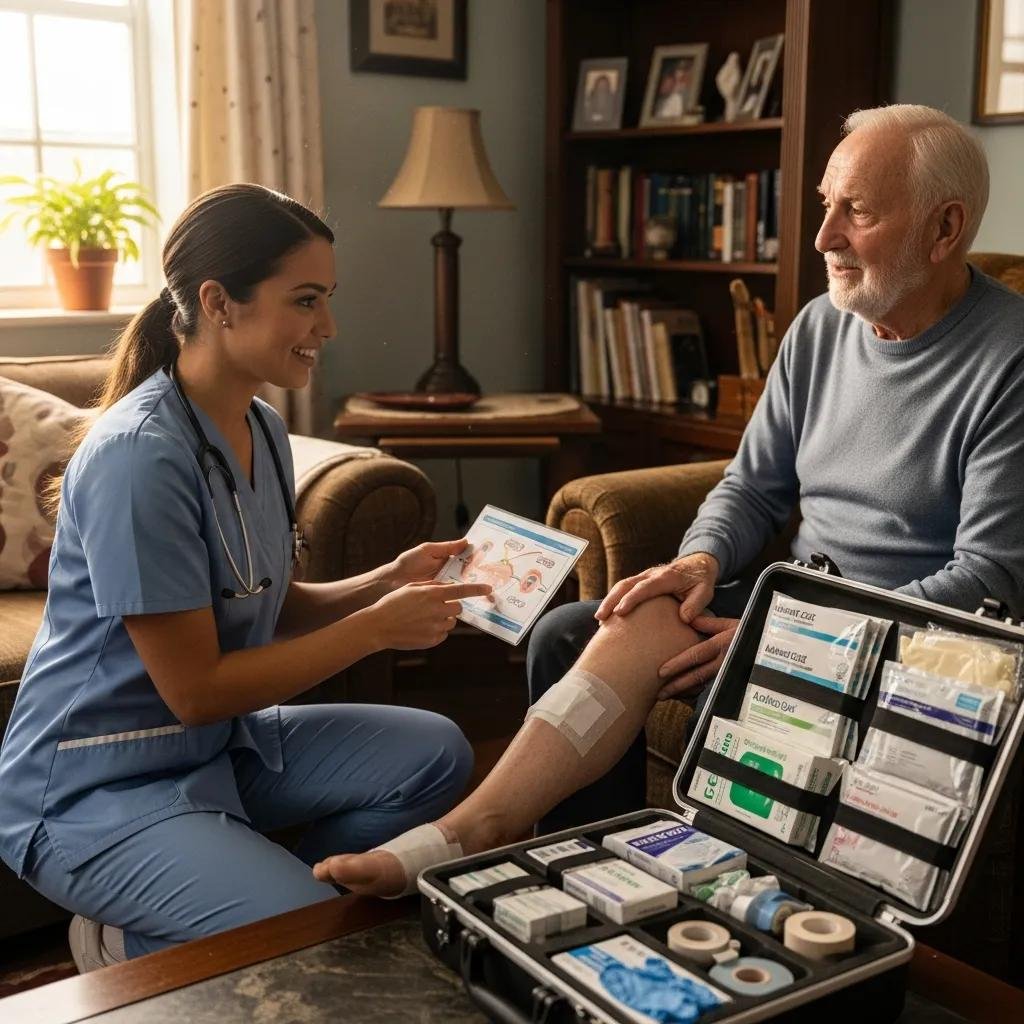
Healix360’s Advanced Mobile Wound Care team brings specialist skills and advanced products directly to patients’ homes. This model improves access to evidence‑based therapies and lets clinicians deliver personalized, hands‑on care in a familiar environment.
What Is the Process for Scheduling and Receiving Mobile Wound Care Services?
Scheduling care with Healix360 is straightforward — start by contacting our team. A specialist performs an initial assessment, creates a tailored care plan, and arranges follow‑up visits to monitor progress and adjust treatments as needed. Our approach keeps care coordinated and centered on the patient’s needs.
How Does Mobile Care Improve Healing Outcomes and Support Caregivers?
Delivering wound care at home reduces travel and missed appointments, which improves adherence and continuity of care. Home visits also give caregivers practical guidance and relieve some of the day‑to‑day burden. Many patients and families report greater comfort, clearer instructions, and better overall outcomes with in‑home specialist care.
This table summarizes common advanced wound care products, their primary features, and the benefits they provide in a clinical plan.
| Product Type | Key Features | Benefits |
|---|---|---|
| Biologic Dressings | Biologic matrix from human or animal tissue | Supports and accelerates tissue regeneration |
| Collagen Dressings | Structural scaffold for new tissue | Improves healing quality and scaffolding |
| Antimicrobial Dressings | Delivers antimicrobial activity at the wound bed | Reduces infection risk and bioburden |
Choosing the right wound care products is a key part of managing chronic wounds and improving recovery. Understanding wound type, healing stage, and available therapies helps patients and clinicians make informed decisions. Healix360’s mobile model delivers specialized care and advanced treatments in the home so patients receive timely, expert attention when they need it most.
Frequently Asked Questions
What are the signs that a chronic wound is infected?
Watch for increasing redness, swelling, warmth, foul or purulent drainage, and rising pain at the wound site. Systemic signs such as fever or chills can indicate a more serious infection. If you see these symptoms, contact a healthcare professional promptly for assessment and treatment.
How can patients manage pain associated with chronic wounds?
Pain can be managed with oral analgesics, topical agents, and by choosing dressings that reduce friction and pressure. Non‑drug strategies — like positioning, relaxation techniques, and gentle activity — also help. Work with your clinician to build a pain plan that fits your medical needs and wound care protocol.
What lifestyle changes can support wound healing?
Good nutrition (adequate protein, vitamin C, zinc), proper hydration, blood sugar control, and smoking cessation all support healing. Gentle exercise that improves circulation and managing underlying conditions such as diabetes or vascular disease also matter. Talk to your care team for personalized recommendations.
How often should wound dressings be changed?
Frequency depends on wound type, dressing selection, and how much exudate is present. Dressings should be changed when they are soiled, saturated, or when clinical signs indicate a need. Many chronic wounds require dressing changes every 1–3 days, but follow the specific guidance from your clinician.
What role do caregivers play in managing chronic wounds?
Caregivers provide vital day‑to‑day support: helping with dressing changes, monitoring for infection, encouraging adherence to the care plan, and offering emotional support. Training caregivers in proper techniques and warning signs empowers them to contribute safely and effectively.
Are there any new technologies in wound care that patients should know about?
Yes. Emerging options include biologic materials, growth factor–enhanced dressings, smart dressings that monitor moisture, and portable NPWT systems for home use. These technologies expand options for personalized care; discuss suitability with your clinician to find the best fit for your wound.
Conclusion
Effective wound management combines the right products, timely clinical decisions, and coordinated care. Advanced therapies — from biologic dressings to NPWT — can speed recovery and improve long‑term results when used appropriately. Healix360’s mobile wound care brings these options to patients’ homes, pairing specialist expertise with convenience. Reach out to learn how our team can support your healing journey.