


Find Expert Wound Doctors Near You for Chronic & Acute Care
Finding the right wound doctor is crucial for effective treatment of both chronic and acute wounds. Wound care specialists are trained to manage complex wounds that may not heal properly due to various underlying conditions. This article will guide you through the essential aspects of wound care, including the role of wound doctors, how to find a specialist near you, common types of wounds treated, advanced treatment options, and ways patients can support their healing process. By understanding these elements, you can make informed decisions about your wound care and ensure optimal healing outcomes.
What Does a Wound Doctor Do? Understanding Wound Care Specialists and Their Role
A wound doctor, also known as a wound care specialist, is a medical professional dedicated to the treatment and management of wounds. They possess specialized training to address various types of wounds, including those resulting from surgery, injury, or underlying health conditions. The primary benefit of consulting a wound doctor is their expertise in developing tailored treatment plans that promote healing and prevent complications.
Who is a Certified Wound Care Specialist and What Qualifications Do They Have?
Certified wound care specialists typically hold advanced certifications, such as the Certified Wound Specialist (CWS) or the Wound, Ostomy, and Continence Nurse (WOCN) certification. These qualifications require extensive training in wound management, anatomy, and the latest treatment techniques. Additionally, many specialists have backgrounds in nursing, medicine, or other healthcare fields, ensuring they are well-equipped to handle complex wound cases.
When Should You See a Wound Care Doctor for Wound Healing?
You should consider seeing a wound care doctor if you experience any of the following symptoms:
- Non-healing Wounds: If a wound does not show signs of healing after four weeks.
- Increased Pain or Discomfort: If you notice worsening pain or discomfort around the wound area.
- Signs of Infection: Symptoms such as redness, swelling, warmth, or discharge may indicate an infection that requires professional intervention.
Recognizing these signs early can lead to more effective treatment and better healing outcomes.
How to Find a Wound Care Specialist Near Me: Locating Expert Doctors and Clinics
Finding a qualified wound care specialist near you can be straightforward if you know where to look. Utilizing online resources, asking for referrals from your primary care physician, and checking local hospital directories can help you identify potential specialists.
What Services Do Wound Healing Centers Offer?
Wound healing centers typically offer a range of services, including:
- Comprehensive Wound Assessment: Detailed evaluations to determine the best treatment approach.
- Advanced Dressings: Use of specialized wound dressings that promote healing.
- Debridement: Removal of dead or infected tissue to facilitate healing.
- Patient Education: Guidance on wound care practices and prevention strategies.
These services are designed to provide holistic care for patients with complex wound issues.
How to Choose the Right Wound Care Clinic for Your Needs
When selecting a wound care clinic, consider the following factors:
- Location and Accessibility: Ensure the clinic is conveniently located and accessible.
- Specialization and Expertise: Look for clinics that specialize in the type of wound you have.
- Patient Reviews: Check online reviews and testimonials to gauge the quality of care provided.
Choosing the right clinic can significantly impact your healing journey.
What Are the Most Common Chronic Wounds Treated by Wound Doctors?

Wound doctors frequently treat various chronic wounds, including diabetic foot ulcers, venous ulcers, and pressure ulcers. Understanding these common types of wounds can help patients recognize when to seek specialized care.
How Do Wound Doctors Treat Diabetic Foot Ulcers?
Diabetic foot ulcers are a common complication for individuals with diabetes. Treatment typically involves:
- Regular Debridement: To remove dead tissue and promote healing.
- Infection Control: Antibiotics may be prescribed if an infection is present.
- Offloading Techniques: Special footwear or devices to relieve pressure on the ulcer.
These strategies aim to enhance healing and prevent further complications.
What Are Venous Ulcers and How Are They Managed?
Venous ulcers occur due to poor blood circulation, often in the lower legs. Management strategies include:
- Compression Therapy: To improve blood flow and reduce swelling.
- Wound Care: Regular cleaning and dressing changes to promote healing.
- Lifestyle Modifications: Encouraging patients to engage in activities that improve circulation.
Effective management of venous ulcers is crucial for preventing recurrence.
The importance of comprehensive and well-organized treatment, particularly compression therapy, for venous ulcers is highlighted by recent research.
Compression Therapy for Venous Leg Ulcer Management
The aim of this review is to present the current state of knowledge on venous leg ulcer management, especially compression therapy. Treatment of venous ulcers should be comprehensive and wellorganized, based on modern standards and up-to-date, and should involve elaborated treatment strategies. A thorough diagnostic process followed by adequate treatment may result in marked improvement of the outcomes, with up to 67% healing rate at 12 weeks and up to 81% within 24 weeks.
The role of compression therapy in the treatment of venous leg ulcers, 2019
What Advanced Treatments Do Wound Doctors Use for Effective Wound Healing?
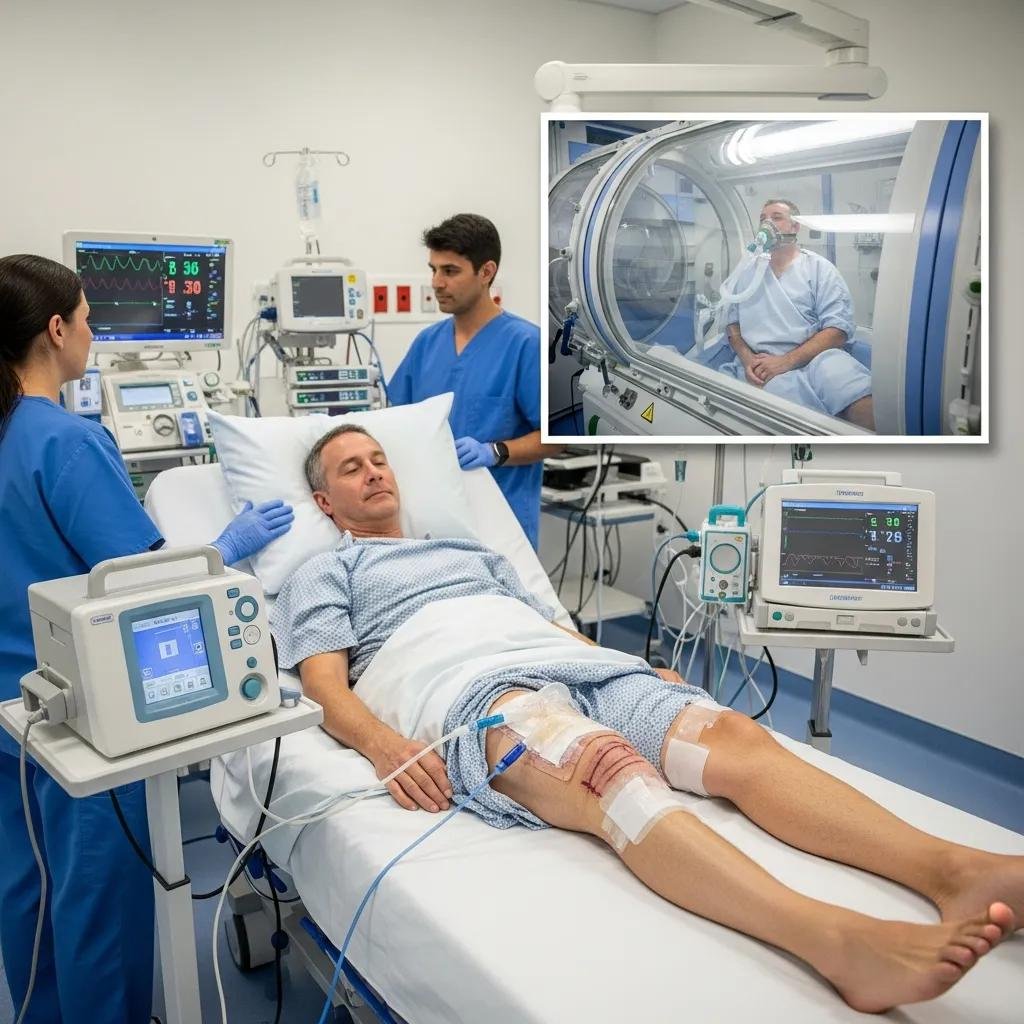
Wound doctors utilize various advanced treatments to enhance healing outcomes. These methods are often employed when traditional treatments are insufficient.
How Does Negative Pressure Wound Therapy Accelerate Healing?
Negative pressure wound therapy (NPWT) involves applying a vacuum to the wound area, which helps to:
- Promote Blood Flow: Enhancing circulation to the wound site.
- Remove Excess Fluid: Reducing swelling and promoting a moist healing environment.
- Stimulate Tissue Growth: Encouraging the formation of new tissue.
NPWT has been shown to significantly accelerate the healing process for various wound types.
Research further supports the efficacy of negative pressure wound therapy in managing complex wounds.
Negative Pressure Wound Therapy for Chronic & Complex Wounds
Significant improvements have been reached in the treatment of diabetic foot ulcers (DFUs) and nowadays clinicians have several advanced medications to apply for the best local therapy. Among these, negative pressure wound therapy (NPWT) is a useful adjunct in the management of chronic and complex wounds to promote healing and wound bed preparation for surgical procedures such as skin grafts and flap surgery.
Management of negative pressure wound therapy in the treatment of diabetic foot ulcers, M Meloni, 2015
What Is Hyperbaric Oxygen Therapy and When Is It Recommended?
Hyperbaric oxygen therapy (HBOT) involves breathing pure oxygen in a pressurized chamber. This treatment is recommended for:
- Chronic Non-Healing Wounds: Such as diabetic ulcers and radiation injuries.
- Certain Infections: Particularly those that are anaerobic or resistant to standard treatments.
- Enhancing Healing: By increasing oxygen supply to damaged tissues.
HBOT can be a valuable adjunct to traditional wound care methods.
How Can Patients Support Wound Healing and Prevent Recurrence?
Patients play a crucial role in their wound healing journey. Understanding how to support healing can lead to better outcomes and prevent recurrence.
What Role Does Nutrition Play in Wound Healing?
Nutrition is vital for wound healing, as it provides the necessary building blocks for tissue repair. Key nutrients include:
- Protein: Essential for tissue regeneration.
- Vitamins A and C: Important for collagen synthesis and immune function.
- Zinc: Plays a role in cell division and wound healing.
A balanced diet rich in these nutrients can significantly enhance the healing process.
What Are Key Tips for Long-Term Wound Care and Prevention?
To support long-term wound care and prevention, consider the following tips:
- Regular Monitoring: Keep an eye on any existing wounds for changes.
- Proper Footwear: For those with diabetes, wearing appropriate shoes can prevent foot injuries.
- Maintain a Healthy Lifestyle: Regular exercise and a balanced diet can improve overall health and circulation.
Implementing these strategies can help prevent future wounds and promote overall well-being.
| Treatment Method | Description | Benefits |
|---|---|---|
| Negative Pressure Wound Therapy | Uses a vacuum to promote healing | Enhances blood flow and tissue growth |
| Hyperbaric Oxygen Therapy | Involves breathing pure oxygen in a pressurized environment | Increases oxygen supply to tissues, aiding healing |
| Compression Therapy | Applies pressure to improve circulation | Reduces swelling and promotes healing in venous ulcers |
This table summarizes advanced treatment methods used by wound doctors, highlighting their unique benefits and applications in wound care.
In conclusion, understanding the role of wound doctors and the various treatment options available is essential for effective wound management. By recognizing the signs that warrant a visit to a specialist and implementing supportive measures, patients can significantly enhance their healing outcomes.