
Medicare Coverage for Mobile Wound Care: Complete Benefits Guide for Patients and Providers
Navigating Medicare coverage for mobile wound care can be complex, yet understanding the benefits available is crucial for patients and providers alike. This comprehensive guide will delve into the eligibility criteria, coverage specifics, common treatment options, and reimbursement processes associated with mobile wound care under Medicare. Many patients face challenges in accessing necessary wound care services, which can lead to complications and increased healthcare costs. By clarifying these aspects, we aim to empower patients to make informed decisions about their care. This article will cover essential topics, including eligibility criteria, types of covered services, and how to effectively navigate the reimbursement landscape.
The significant challenges patients face in accessing consistent wound care are compounded by the substantial economic burden associated with chronic wounds, as detailed in recent research.
Economic Burden & Mobile Solutions for Chronic Wound Care
Aging societies in industrialized nations are experiencing an increasing prevalence of chronic wounds, resulting in growing challenges in patient care. The high costs of therapy and personnel often limit proper treatment. Chronic wounds significantly impact patients’ quality of life, requiring intensive therapy multiple times per week, along with regular medical checkups. Moreover, they have substantial economic implications, including hospitalizations, personnel costs (eg, wound care nurses, home health care services, physicians, wound managers, day clinics, etc), material costs, and management (eg, medical transportation).
Patient-centered chronic wound care mobile apps: systematic identification, analysis, and assessment, V Borst, 2024
Eligibility Criteria
To qualify for Medicare mobile wound care benefits, patients must meet specific eligibility criteria. Medical necessity is a fundamental requirement, meaning that the wound care services must be deemed essential for the patient’s health. Additionally, patients must be homebound, which indicates that leaving home requires considerable effort. A physician’s order is also necessary to initiate the process, ensuring that the care provided aligns with the patient’s medical needs.
Further emphasizing the importance of these criteria, particularly for those unable to leave their homes, research highlights Medicare’s role in supporting homebound patients with chronic wounds.
Medicare Coverage for Homebound Chronic Wound Patients
Medicare covers SNF care, primarily for older adults with the homeless or the homebound, with chronic wounds.
Transition of Care Challenges and Opportunities for Chronic Wounds, 2025
What Are the Eligibility Criteria for Medicare Mobile Wound Care Benefits?
The primary eligibility criteria for Medicare mobile wound care benefits include:
- Medical Necessity: Services must be essential for the patient’s health.
- Homebound Status: Patients must have difficulty leaving home without assistance.
- Physician’s Order: A doctor’s recommendation is required to access services.
Understanding these criteria is vital for patients seeking mobile wound care, as it directly impacts their ability to receive necessary treatments.
Coverage Specifics
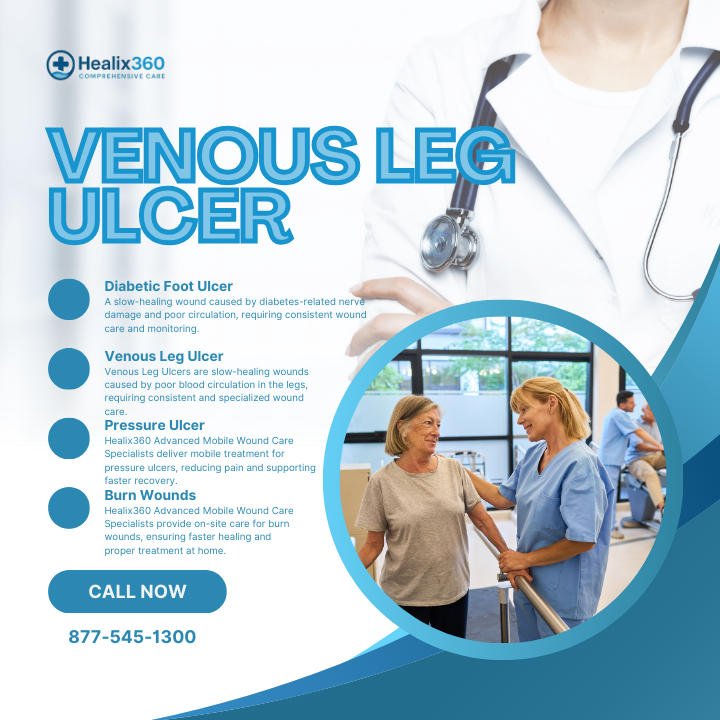
Medicare provides coverage for various services and supplies related to mobile wound care. This includes home health services, which encompass skilled nursing care and therapy services. Durable medical equipment, such as specialized wound dressings and negative pressure wound therapy devices, is also covered under certain conditions. Advanced therapies may be included, depending on the patient’s specific needs and the physician’s recommendations.
Which Medicare Plans Include Mobile Wound Care Benefits?
Mobile wound care benefits are typically included in Medicare Part A and Part B. Part A covers inpatient hospital stays and some home health services, while Part B covers outpatient care, including physician visits and certain medical supplies. Patients should review their specific Medicare plan details to understand the extent of their coverage.
Which Types of Wound Care Supplies and Treatments Does Medicare Cover?
Medicare covers a range of wound care supplies and treatments, including:
- Home Health Services: Skilled nursing and therapy services provided at home.
- Durable Medical Equipment: Items like specialized dressings and therapy devices.
- Advanced Therapies: Treatments such as negative pressure wound therapy.
These services are designed to ensure that patients receive comprehensive care tailored to their wound management needs.
Common Treatment Options
Patients receiving mobile wound care under Medicare can access various treatment options tailored to their specific conditions. Common treatments include debridement, which involves the removal of dead or infected tissue, and negative pressure wound therapy, which promotes healing through suction. Regenerative therapies may also be included, offering advanced solutions for complex wounds.
What Wound Care Supplies Are Covered by Medicare?
Medicare covers several essential wound care supplies, including:
- Dressings: Various types of wound dressings to promote healing.
- Negative Pressure Wound Therapy Devices: Equipment that aids in wound healing.
- Other Medical Supplies: Items necessary for effective wound management.
These supplies are crucial for ensuring that patients receive the appropriate care for their wounds.
Reimbursement Processes

Understanding the reimbursement processes for mobile wound care services is essential for both patients and providers. Verification of benefits is a critical first step, as it confirms what services are covered under a patient’s specific Medicare plan. Documentation is required for claims, ensuring that all services provided are properly recorded. In cases where claims are denied, patients have the right to appeal, which can help secure the necessary funding for their care.
How Do Mobile Wound Care Services Operate Under Medicare Coverage?
Mobile wound care services operate under Medicare coverage by providing necessary treatments in the patient’s home. This approach not only enhances accessibility but also ensures that patients receive timely care. Providers must adhere to Medicare guidelines to ensure that services are reimbursed appropriately.
Indeed, the very nature of mobile wound care, including the use of clinics and digital tools, is proving to be a vital strategy for overcoming access barriers and ensuring continuous care for patients.
Mobile Wound Care Clinics & Apps: Bridging Access Gaps
Mobile wound care clinics and at-home wound care apps are both attainable and effective interventions for ensuring proper follow-up care of wounds once patients are discharged from the hospital, and providing consistent care for those living with chronic wounds. This paper confronts barriers in policy and addresses the necessary reform needed to make lasting change
Wound Care Services In Rural America, 2025
What Are the Features of Medicare-Aligned Mobile Wound Care Services?
Medicare-aligned mobile wound care services typically include:
- Skilled Nursing Care: Professional nursing services provided in the home.
- Therapeutic Interventions: Treatments designed to promote wound healing.
- Patient Education: Guidance on managing wounds and understanding care plans.
These features are designed to enhance patient outcomes and ensure effective wound management.
Additional Considerations
When considering mobile wound care under Medicare, patients should be aware of additional factors that may impact their care. Insurance navigation assistance is often available to help patients understand their benefits and coverage options. Furthermore, patient education is crucial for ensuring that individuals are informed about their treatment plans and how to manage their wounds effectively.
What Recent Medicare Policy Updates Affect Mobile Wound Care Coverage in 2026?
As of 2026, recent updates to Medicare policies may influence mobile wound care coverage. These changes can affect the types of services covered and the reimbursement rates for providers. Staying informed about these updates is essential for both patients and healthcare providers to ensure compliance and optimal care delivery.
How Do 2026 Medicare Changes Impact Mobile Wound Care Benefits?
The 2026 Medicare changes may include new guidelines for mobile wound care benefits, potentially expanding coverage for certain advanced therapies. Patients should consult with their healthcare providers to understand how these changes may affect their access to necessary treatments.
Where to Find Authoritative Medicare Updates on Wound Care Coverage
Patients can find authoritative updates on Medicare coverage for wound care through official Medicare resources, including the Medicare website and local Medicare offices. These sources provide the most current information regarding coverage options and policy changes.
What Frequently Asked Questions Do Patients Have About Medicare Mobile Wound Care?
Patients often have common concerns regarding Medicare coverage for wound care supplies. Understanding these questions can help alleviate anxiety and provide clarity on the available benefits.
What Are Common Concerns Regarding Medicare Coverage for Wound Care Supplies?
Common concerns include:
- Coverage Limitations: Patients may worry about what specific supplies are covered.
- Out-of-Pocket Costs: Understanding potential costs associated with care is crucial.
- Access to Services: Patients often seek clarity on how to access mobile wound care services.
Addressing these concerns is vital for ensuring that patients feel supported in their healthcare journey.
How Can Patients Maximize Their Medicare Benefits for Mobile Wound Care?
To maximize Medicare benefits for mobile wound care, patients should:
- Stay Informed: Regularly check for updates on coverage and benefits.
- Communicate with Providers: Discuss care plans and coverage options with healthcare providers.
- Utilize Available Resources: Seek assistance from insurance navigators or Medicare representatives.
By taking these steps, patients can ensure they receive the full benefits available to them under Medicare.