
Wound Debridement: Professional Mobile Care Techniques and Benefits
Wound debridement is a critical process in wound management that involves the removal of dead, damaged, or infected tissue to promote healing. This technique is essential for preventing infection and facilitating the regeneration of healthy tissue. In the context of mobile healthcare, wound debridement offers significant advantages, particularly for patients who may have difficulty accessing traditional healthcare facilities. This article will explore various types of wound debridement, the benefits of mobile care services, and how these methods enhance patient outcomes. We will also discuss the key features of professional mobile wound debridement and the evidence supporting its effectiveness.
What Are the Types of Wound Debridement and Their Clinical Applications?
Wound debridement can be categorized into several types, each with specific clinical applications. Understanding these types is crucial for selecting the appropriate method for effective wound management.
How Does Surgical Debridement Promote Wound Healing?
Surgical debridement involves the removal of necrotic tissue through surgical means, which is performed by trained clinicians. This method promotes wound healing by exposing healthy tissue, thereby facilitating the body’s natural healing processes. By removing dead tissue, surgical debridement reduces the risk of infection and allows for better oxygenation and nutrient delivery to the wound site. This technique is particularly beneficial for chronic wounds that have not responded to other treatments.
What Are Autolytic, Enzymatic, and Mechanical Debridement Methods?
Autolytic, enzymatic, and mechanical debridement are alternative methods that can be employed based on the wound’s characteristics.
- Autolytic debridement utilizes the body’s own enzymes and moisture to break down necrotic tissue, making it a gentle and effective option for patients with sensitive wounds.
- Enzymatic debridement involves the application of topical agents that chemically dissolve dead tissue, providing a targeted approach to wound care.
- Mechanical debridement employs physical methods, such as irrigation or wet-to-dry dressings, to remove debris and necrotic tissue.
Each method has its own benefits and limitations, making it essential to assess the wound type and patient needs when selecting a debridement strategy.
How Do Mobile Wound Care Services Enhance Patient Convenience and Outcomes?
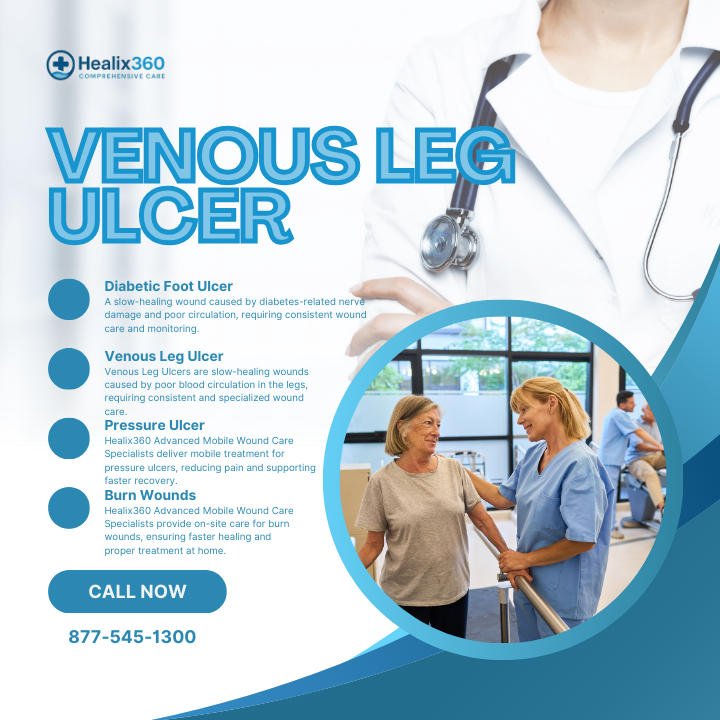
Mobile wound care services significantly enhance patient convenience by providing care directly in the home environment. This approach allows for personalized treatment plans tailored to individual patient needs, ensuring that care is both effective and comfortable. Regular monitoring and education provided by mobile clinicians further empower patients to manage their wounds effectively, leading to improved health outcomes.
Research further explores the impact of mobile health on home wound care practices, highlighting the importance of understanding patient knowledge and attitudes.
Mobile Health for Home Wound Care Practices
Background:Injury causing wounds is a frequent event. Inadequate or inappropriate treatment of injuries can threaten individual health. However, little is known about wound care knowledge, attitudes, and practices and mobile health (mHealth) use in the home environment in Taiwan.
Wound care knowledge, attitudes, and practices and mobile health technology use in the home environment:
Cross-sectional survey of social network users, CY Guo, 2020
Healix 360 exemplifies this model by offering professional wound care services, including mobile wound debridement, directly to patients in their residences. This service not only promotes convenience but also fosters a supportive environment for healing.
What Are the Key Features of Professional Mobile Wound Debridement?
Professional mobile wound debridement services offer several key features that distinguish them from traditional care settings:
- Convenience and Comfort: Patients receive care in the comfort of their homes, reducing the stress associated with travel and waiting times.
- Tailored Treatment Plans: Clinicians develop personalized care plans based on individual patient assessments, ensuring that each patient receives the most appropriate care.
- Continuous Monitoring: Regular visits allow for ongoing assessment of wound healing progress, enabling timely adjustments to treatment as needed.
These features contribute to a more effective and patient-centered approach to wound care.
How Does In-Home Care Reduce Hospital Readmissions?
In-home care has been shown to reduce hospital readmissions by providing timely and personalized care. Patients receiving mobile wound care benefit from regular monitoring, which helps identify potential complications early. This proactive approach not only enhances treatment adherence but also minimizes the risk of infections that could lead to hospitalization. By addressing patient needs in a timely manner, mobile care services significantly improve overall health outcomes.
What Are the Benefits of Professional Wound Care Methods in Mobile Settings?
Professional wound care methods in mobile settings offer numerous advantages, including:
- Improved Healing Outcomes: Tailored treatment plans and regular monitoring lead to faster healing times and better overall outcomes.
- Patient Convenience: Access to care in the home eliminates barriers related to transportation and mobility.
- Cost-Effectiveness: Mobile care can reduce healthcare costs by preventing complications that may require hospitalization.
These benefits highlight the value of integrating professional wound care into mobile healthcare services.
How Does Mobile Care Improve Infection Prevention and Healing Rates?
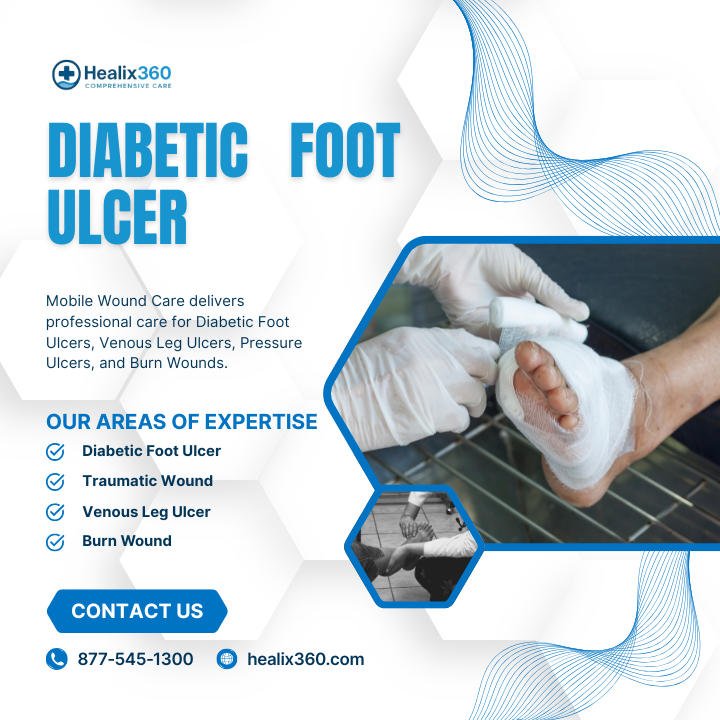
Mobile care plays a crucial role in infection prevention and healing rates through several mechanisms:
- Debridement and Infection Control: Regular debridement helps remove infected tissue, reducing the risk of further complications.
- Advanced Dressings: Mobile clinicians often utilize advanced wound dressings that promote a moist healing environment, which is essential for optimal recovery.
- Negative Pressure Wound Therapy: This innovative technique, often employed in mobile settings, enhances blood flow and promotes healing by applying controlled suction to the wound.
These strategies collectively contribute to improved infection control and faster healing rates.
What Evidence Supports the Effectiveness of Mobile Wound Debridement?
Research supports the effectiveness of mobile wound debridement in enhancing patient outcomes. Studies have shown that patients receiving mobile wound care experience lower rates of infection and faster healing times compared to those receiving traditional care. Additionally, patient testimonials often reflect high satisfaction levels with the convenience and quality of care provided in their homes. This evidence underscores the importance of mobile wound care services in modern healthcare.
How Is the Patient Referral and Appointment Scheduling Process Optimized for Mobile Wound Care?
The patient referral and appointment scheduling process for mobile wound care is designed to be efficient and user-friendly.
What Are the Steps in the Patient Referral Process for Mobile Wound Care?
The referral process typically involves several key steps:
- Direct Referrals: Healthcare providers can refer patients directly to mobile wound care services, streamlining access to care.
- Insurance Verification: Mobile care providers often assist with insurance verification to ensure coverage for services.
- Initial Assessment Scheduling: Once referred, patients are contacted to schedule an initial assessment, which is crucial for developing a personalized treatment plan.
These steps facilitate a smooth transition into mobile wound care, ensuring that patients receive timely and appropriate treatment.
How Does Streamlined Scheduling Enhance Access to Professional Care?
Streamlined scheduling enhances access to professional care by allowing for flexible appointment times that accommodate patients’ needs. Fast provider matching ensures that patients are connected with the right clinicians quickly, while home-based care eliminates the need for travel. Regular monitoring and follow-up appointments further support ongoing care, making it easier for patients to manage their wounds effectively.
What Are the Risks and Considerations Associated with Wound Debridement Procedures?
While wound debridement is generally safe, there are risks and considerations that must be taken into account.
What Are Potential Complications of Surgical and Non-Surgical Debridement?
Potential complications of debridement procedures can include:
- Pain and Bleeding Risks: Surgical debridement may cause discomfort and bleeding, necessitating careful management.
- Infection Risks: Any procedure that disrupts the skin barrier carries a risk of infection, highlighting the importance of sterile techniques.
- Damage to Healthy Tissue: Improper technique can inadvertently harm healthy tissue, underscoring the need for skilled clinicians.
How Are Risks Mitigated in Mobile Wound Care Settings?
In mobile wound care settings, risks are mitigated through several strategies:
- Qualified Clinicians: Mobile wound care is provided by trained professionals who adhere to strict infection control standards.
- Infection Control Standards: Mobile providers implement rigorous protocols to minimize infection risks during procedures.
- Comprehensive Assessments: Thorough initial assessments ensure that the most appropriate debridement method is selected for each patient.
These measures help ensure patient safety and enhance the effectiveness of wound care.
How Do Clinical Outcomes and Case Studies Demonstrate the Value of Mobile Wound Debridement?
Clinical outcomes and case studies provide valuable insights into the effectiveness of mobile wound debridement.
What Recent Studies Highlight the Effectiveness of Mobile Wound Care?
Recent studies have demonstrated that mobile wound care services lead to improved healing rates and reduced infection rates compared to traditional care settings. These findings highlight the potential of mobile care to transform wound management practices.
How Do Patient Testimonials Reflect Treatment Success?
Patient testimonials often reflect high levels of satisfaction with mobile wound care services. Many patients report feeling more comfortable and supported when receiving care at home, which contributes to their overall treatment success. These positive experiences underscore the importance of patient-centered care in wound management.
To further explore how Healix 360 can assist with wound care, consider reaching out to their team.
For more information on specific wound care conditions, visit this page.
If you are interested in receiving care in private residences, explore the options available.
To get in touch with Healix 360 directly, please visit their contact page.